
 English
 русский
 简体中文
简体中文


Home / News / Industry News / How are aluminum caps manufactured?
How are aluminum caps manufactured?
2026.07.10
Content
- 1 Raw Material Selection: Why Alloy Grade And Thickness Matter
- 2 Step One: Cleaning And Annealing The Aluminum Coil
- 3 Step Two: Lacquer Coating And Printing On The Flat Sheet
- 4 Step Three: Blanking And Deep Drawing To Form The Cap Shape
- 5 Step Four: Post-Forming Annealing For Ductility Restoration
- 6 Step Five: Liner Insertion
- 7 Step Six: Quality Inspection And Packaging
- 8 Types Of Aluminum Caps Produced By This Process
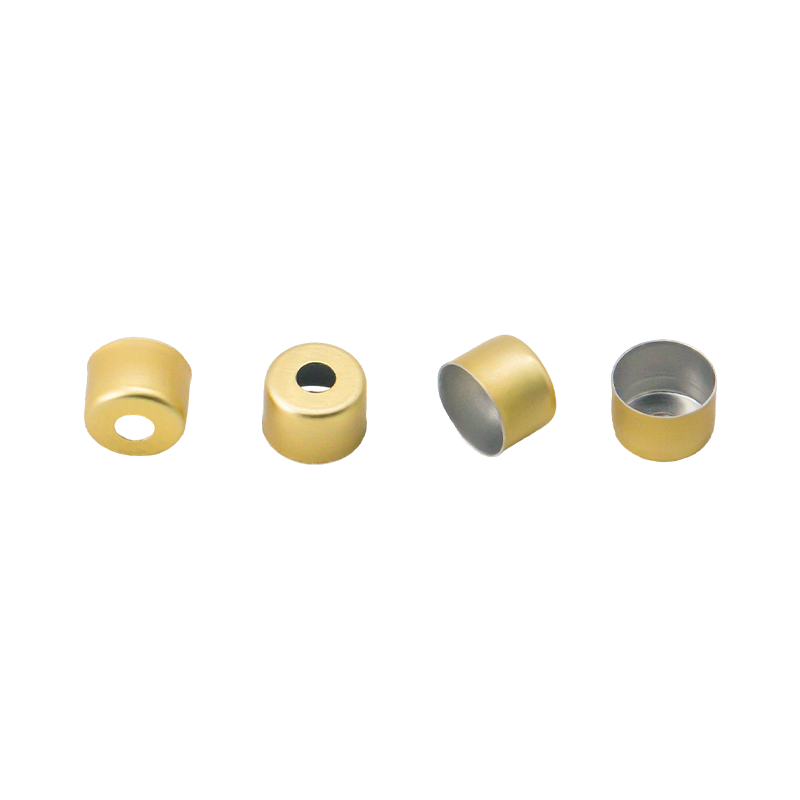
Aluminum Caps are manufactured through a multi-stage process that begins with feeding aluminum coil into a stamping and blanking press, forming the blank into a cap shape through deep drawing and embossing dies, annealing the formed cap to restore ductility, applying lacquer coatings and printed decoration, fitting an inner liner, and finally performing automated quality inspection before packaging. Spiritsglass.com summarizes the core sequence as: cleaning the aluminum coil, annealing to improve ductility, printing and coating the flat sheet, forming the cap shape through stamping, and then fitting the liner (Source: Spiritsglass.com, What Is the Manufacturing Process of Wine Screw Caps). The precision of the forming dies and the consistency of the annealing temperature are the two factors that most directly determine whether each cap achieves the dimensional accuracy and mechanical strength required for high-speed capping on bottling lines.
Raw Material Selection: Why Alloy Grade And Thickness Matter
The manufacturing process for aluminum caps begins with the selection of the aluminum alloy sheet or coil, and this material choice sets the ceiling on every quality parameter the finished cap can achieve.
The dominant alloy used across the global aluminum caps industry is 8011 aluminum, a wrought aluminum alloy with small additions of silicon, iron, and trace elements that give it the combination of properties the deep-drawing process requires. Chalco Aluminum's technical overview of cap stock confirms that 8011 aluminum closure sheet is a specialized alloy for caps with good strength, elongation, and deep-drawing performance, plus a low earing rate and good flatness, and that these properties are important for long caps such as 30 by 60 mm ROPP caps and for smooth running on high-speed coating, printing, and capping lines (Source: Chalco Aluminum, 8011 Aluminum Bottle Caps). A Chinese patent on aluminum wine bottle cap production confirms that 8011 alloy processed with optimized multi-pass rolling and annealing achieves a tensile strength of 140 to 150 MPa and deep-drawing height of 6 cm, with a yield rate exceeding 98 percent (Source: Google Patents CN101845575B, Production Method of Aluminum Plate for Deep-Drawing Wine Bottle Cap).
Sheet thickness is specified precisely based on the cap type. Spiritsglass.com notes that aluminum sheets for cap manufacturing are typically between 0.2mm and 0.5mm thick, depending on the application and requirements (Source: Spiritsglass.com, How Are Aluminum Caps Made). Pharmaceutical vial seals are at the thinner end of this range for ease of tear-off, while ROPP screw caps for spirits require greater wall thickness to support thread rolling without cracking at the folded pilfer-proof band.
Step One: Cleaning And Annealing The Aluminum Coil
Before any forming or decoration takes place, the incoming aluminum coil is cleaned to remove rolling oils, surface oxides, and particulate contamination that would interfere with lacquer adhesion and die performance. This cleaning stage typically uses alkaline degreasing followed by water rinsing and forced-air drying.
After cleaning, the coil undergoes annealing before printing and forming. Spiritsglass.com describes this step: annealing involves heating the aluminum to a specific temperature and then slowly cooling it, which improves ductility and reduces internal stresses from the rolling process, making the aluminum more malleable and allowing it to be easily formed into the desired shape without cracking (Source: Spiritsglass.com, What Is the Manufacturing Process of Wine Screw Caps). The annealing temperature and cooling rate must be controlled precisely, since over-annealing produces material that is too soft and prone to wrinkling during forming, while under-annealing leaves residual stress that causes cracking at the die corners during deep drawing.
Step Two: Lacquer Coating And Printing On The Flat Sheet
A defining feature of aluminum cap manufacturing is that decoration and protective coating are applied to the flat coil before forming, not after. This is more efficient than post-forming decoration and produces a more consistent coating thickness across the complex three-dimensional geometry of a formed cap.
Protective Lacquer Application
A coating machine applies a bright-colored or clear lacquer to the aluminum surface. HM Bottle Caps confirms that a coating machine applies a bright-colored lacquer to the surface, followed by a 25-minute drying process in a curing oven before the sheet advances to the printing stage (Source: HM Bottle Caps, How Are Aluminum Caps Manufactured). For caps intended for food, beverage, and pharmaceutical contact, the inner coating that will contact the product must comply with applicable food contact regulations. Chalco Aluminum confirms that combined with food-grade lacquers, 8011 aluminum closure sheet meets FDA and EU food-contact regulations for wine, water, soft drinks, and pharmaceutical packaging (Source: Chalco Aluminum, 8011 Aluminum Bottle Caps).
Printing Logos And Branding
After the base lacquer is applied and cured, a printing cylinder imprints logos, patterns, regulatory text, or decorative elements onto the sheet. Spiritsglass.com notes that high-quality printing techniques such as offset printing or digital printing are used to ensure clear and vibrant images, and that this step provides branding for the producer while also helping identify the product type and origin (Source: Spiritsglass.com, What Is the Manufacturing Process of Wine Screw Caps). The precision of registration between the print layer and the physical features of the cap that will be formed in the next stage is critical: the printed artwork must position centrally on the top panel and skirt of the finished cap, which requires tight control of sheet tension and print cylinder position.
Step Three: Blanking And Deep Drawing To Form The Cap Shape
The forming stage is the mechanical core of aluminum cap manufacturing. The decorated aluminum coil feeds into a high-speed stamping press where a series of progressive dies cut, draw, and form the flat sheet into the three-dimensional geometry of the finished cap.
Blanking
The first die station punches circular blanks from the coil at the precise diameter required for the cap's specified height and diameter. Blank size is calculated from the final cap dimensions, since the metal thins as it draws down and the blank area must provide enough material to reach the full cap height without tearing at the base corners. IMARC Group's manufacturing plant report confirms that blanking is the first forming operation in a continuous sequence that includes blanking and stamping, forming and curling, lining, and quality inspection on a production line (Source: IMARC Group, Aluminum Bottle Caps Manufacturing Plant Cost, DPR 2026).
Deep Drawing And Embossing
The blanked disc passes through a sequence of progressive dies that draw the flat blank into a cup shape by forcing it through a die with a punch, stretching the metal wall to the required height while the base remains flat. HM Bottle Caps describes this stage: cut aluminum blanks pass through multiple dies and punches to gradually form the structural features of the bottle cap, such as threads, ribs, and flanges, and this stage demands high-precision operations to ensure the caps perfectly match the container openings (Source: HM Bottle Caps, How Are Aluminum Caps Manufactured). The earing rate of the aluminum alloy, which is its tendency to form irregular ears at the top edge of the cup due to planar anisotropy, must be controlled through alloy selection and rolling process, since high earing requires trimming to produce a level cap edge.
Thread Rolling For Screw Caps
For ROPP screw caps, thread rolling is performed as a separate operation after the basic cup form is established. A knurling tool or thread-rolling die presses the thread profile into the skirt of the formed cup. The pilfer-proof band at the base of the skirt is pre-perforated with a series of cuts that allow the band to fracture when the cap is first opened, providing a tamper-evident indicator. IMARC Group identifies forming and curling as a continuous sequence step in the production line, reflecting the integration of thread rolling, flanging, and curl formation into the progressive forming sequence (Source: IMARC Group, Aluminum Bottle Caps Manufacturing Plant Cost).
Step Four: Post-Forming Annealing For Ductility Restoration
The deep drawing and embossing operations work-harden the aluminum, increasing its hardness but reducing its ductility. A second annealing step after forming restores the ductility needed for the cap to perform correctly during the capping process, where the application head rolls the thread and folds the pilfer-proof band without cracking the metal.
Spiritsglass.com confirms this step: formed caps undergo annealing, which involves heating to a specific temperature and slowly cooling, to allow the metal to become more malleable and easier to work with, ensuring good mechanical properties and sufficient strength for the intended use (Source: Spiritsglass.com, How Are Aluminum Caps Made). HM Bottle Caps adds that this annealing step enhances the ductility and workability of the aluminum material while improving the cap's overall strength and durability (Source: HM Bottle Caps, How Are Aluminum Caps Manufactured).
Step Five: Liner Insertion
Most functional aluminum caps require an inner liner that provides the primary sealing surface against the bottle mouth. The liner material is selected based on the product being sealed and the sealing performance required.
- PE foam liners: used for beverage and food applications, providing good compressibility and conformability to minor bottle finish irregularities
- Saranex liners: a co-extruded film combining polyethylene with a PVDC barrier layer, used for products requiring oxygen or aroma barrier performance
- PVC-free compound liners: increasingly specified as producers move away from PVC for sustainability and regulatory compliance reasons, with tin-free compound alternatives providing equivalent sealing performance
- Induction heat-seal liners: used for pharmaceutical and nutraceutical applications where a hermetic seal verified by induction welding provides tamper evidence and moisture barrier performance
Chalco Aluminum's specification guide lists liner and sealing requirements as a key ordering parameter, including type of liner such as PE foam, Saranex, PVC or PVC-free compound, or rubber stopper, along with any special requirements such as CO2 retention for carbonated beverages or hot-fill compatibility for thermally processed products (Source: Chalco Aluminum, 8011 Aluminum Bottle Caps). The liner is inserted and crimped or bonded into the cap shell using an automated lining machine that applies a consistent insertion force across every cap in the production run.
Step Six: Quality Inspection And Packaging
Before aluminum caps leave the manufacturing facility, automated inspection systems verify that every cap meets dimensional, cosmetic, and functional specifications. IMARC Group confirms that quality inspection is a standard dedicated stage in the aluminum bottle caps production process, following lining and sealing compound application and preceding final packaging (Source: IMARC Group, Aluminum Bottle Caps Manufacturing Plant Cost).
Inspection Parameters
- Dimensional verification: cap diameter, height, thread pitch, and pilfer-proof band position are checked against drawing tolerances using vision systems or contact gauges
- Liner presence and position: automated sensors verify that a liner is present in every cap and that it is correctly seated rather than tilted or partially inserted
- Cosmetic inspection: printing registration, lacquer coverage, and surface defects including dents, scratches, and edge cracks are inspected by vision systems that reject any cap falling outside acceptable limits
- Pilfer-proof band integrity: the pre-cut perforations in the pilfer-proof band must be present and correctly spaced to ensure the band fractures cleanly on first opening rather than tearing irregularly or failing to fracture at all
| Manufacturing Stage | Key Operation | Critical Quality Parameter |
| Coil preparation | Cleaning and pre-forming annealing | Ductility, surface cleanliness for lacquer adhesion |
| Decoration | Lacquer coating and printing | Coating uniformity, print registration, food-contact compliance |
| Forming | Blanking, deep drawing, thread rolling | Dimensional accuracy, earing rate, thread profile |
| Post-forming annealing | Ductility restoration | Hardness, cracking resistance during capping |
| Liner insertion | Liner selection and crimping | Liner type, seating consistency, barrier performance |
| Quality inspection | Vision and dimensional checks | Dimensions, liner presence, cosmetics, band integrity |
Types Of Aluminum Caps Produced By This Process
The same fundamental manufacturing sequence, adapted with different die geometries, liner specifications, and decoration requirements, produces the full range of aluminum cap types used across multiple industries.
- ROPP screw caps: Roll-On Pilfer-Proof caps used for wine, spirits, olive oil, and pharmaceutical syrups, applied to containers without pre-formed threads using a capping head that rolls the thread into the cap skirt after application
- Pharmaceutical vial seals: thin aluminum caps crimp-sealed over rubber stoppers on injectable medicine vials, providing sterile tamper evidence and additional protection of the rubber septum
- Beverage crown caps: used for carbonated soft drinks and beer bottles, with a corrugated edge crimp-sealed against the bottle finish
- Twist-off food jar lids: applied with pre-formed threads that match the jar finish, providing re-sealable closure for sauces, preserves, and condiments
- Tear-off aluminum foil seals: heat-sealed or induction-welded to the container mouth, providing barrier protection and tamper evidence that is removed completely before use
The CJL Aluminum Caps range covers the key cap types produced by this manufacturing sequence, with material specifications, liner options, and decoration capabilities matched to the requirements of beverage, food, and pharmaceutical packaging applications across global markets.
Related products
-
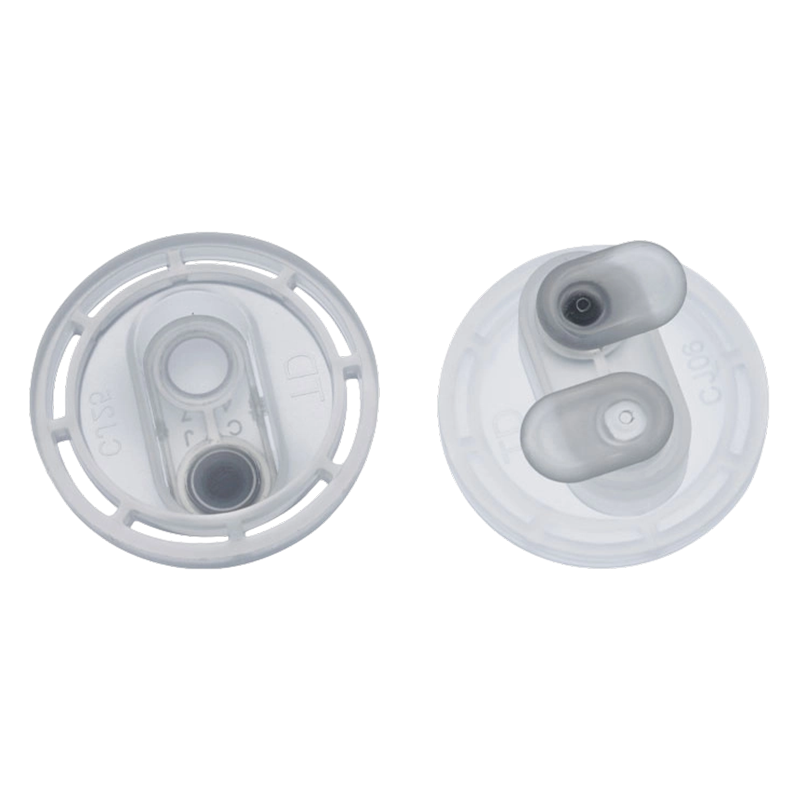
A standardized dual-port polypropylene cap designed for infusion and solution bottles. This integrated solution ensures reliable closure and provides two distinct, self-sealing access points for safe ...
View More -
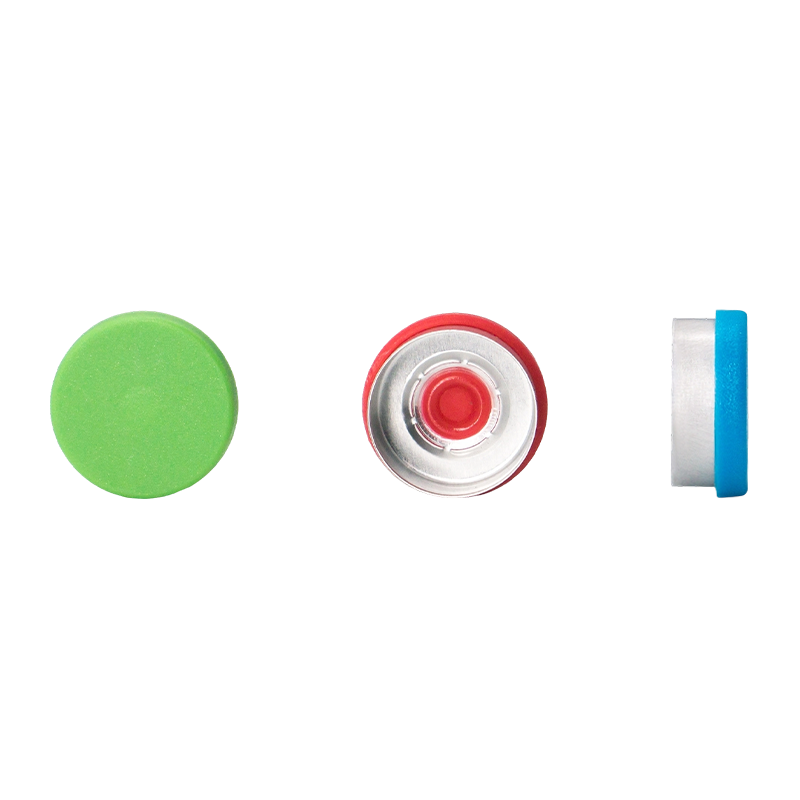
A specialized sealing cap designed for oral liquids, consisting of a bridge-type aluminum cap and a plastic cap. ZB structural design offers the advantage of low opening force, and upon removal of th...
View More -
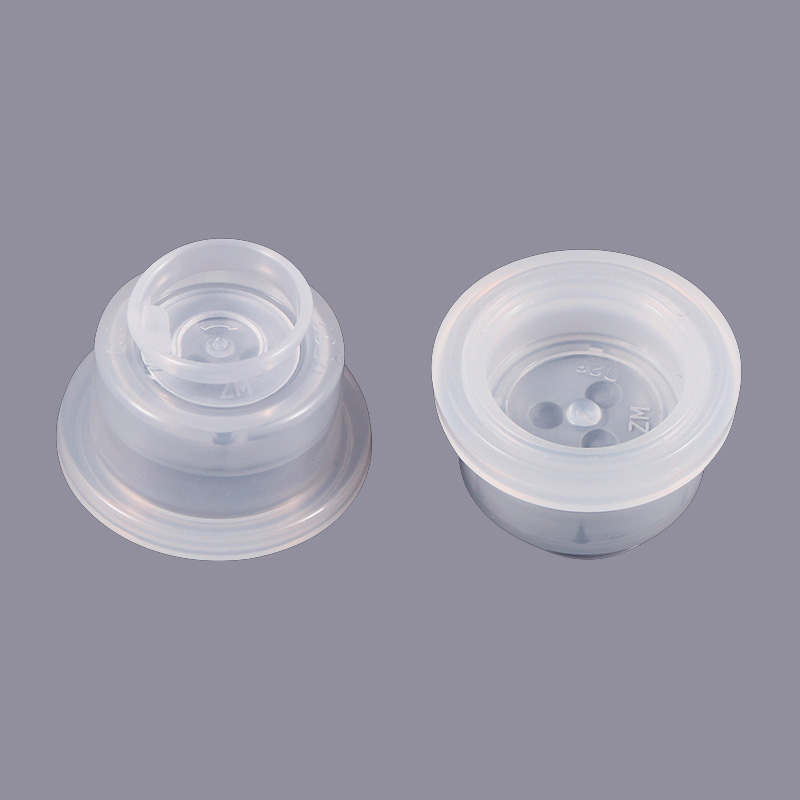
A standardized pull-ring polypropylene cap designed for infusion and solution bottles. This tamper-evident solution ensures reliable closure and provides an integrated pull-ring for safe, tool-free ac...
View More -
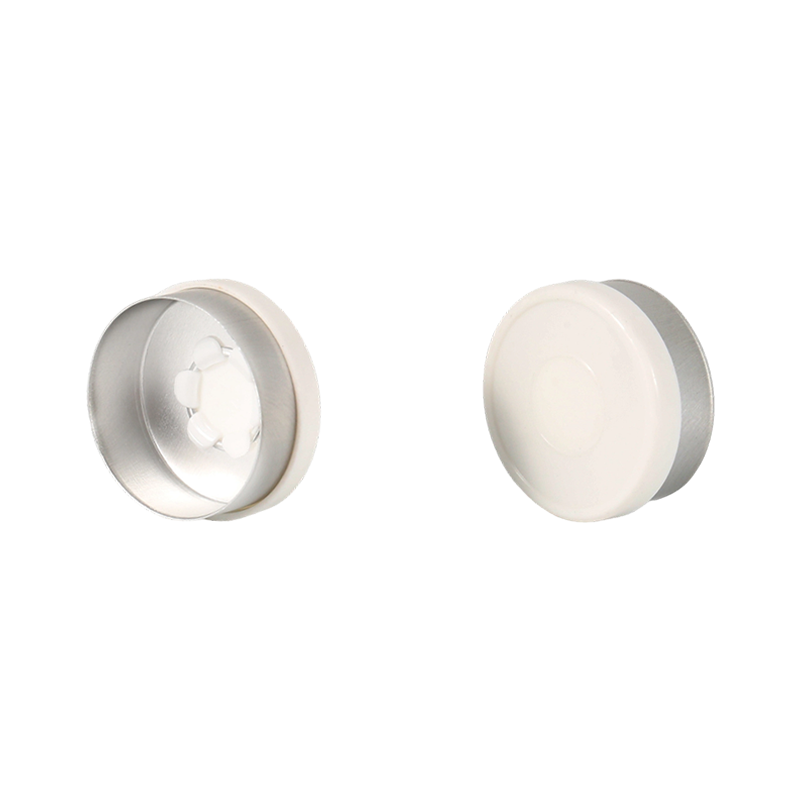
A reliable and tamper-evident sealing solution designed for standard injection vials. It ensures container seal integrity and safe needle access for liquid medications. A professional sealing componen...
View More -
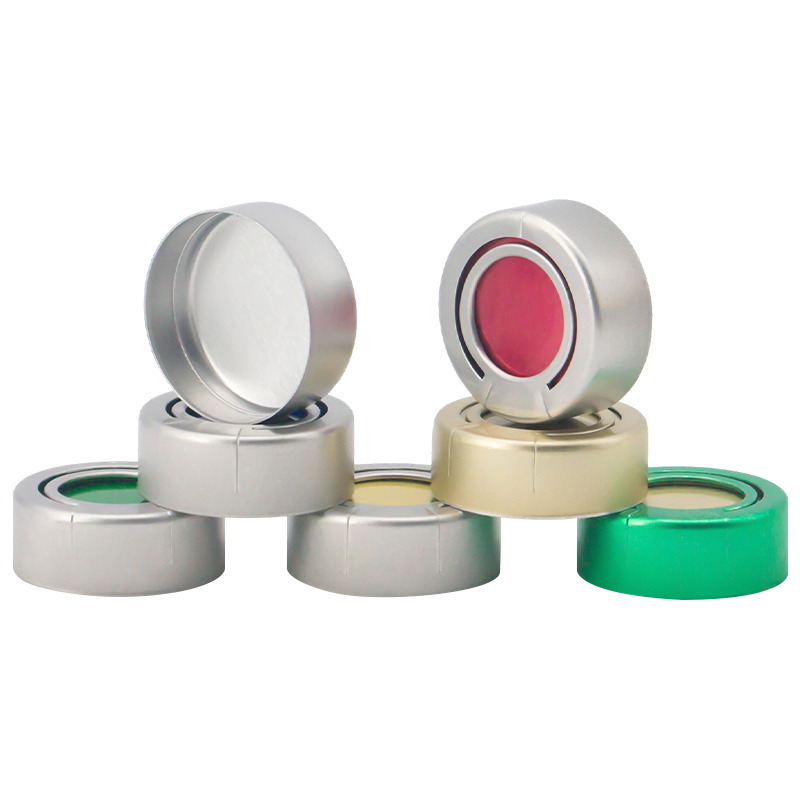
A tamper-evident aluminum seal designed for injection vials. It features an integrated pull-ring that, when pulled, removes the entire aluminum cap cleanly from the vial neck, leaving the rubber stopp...
View More -
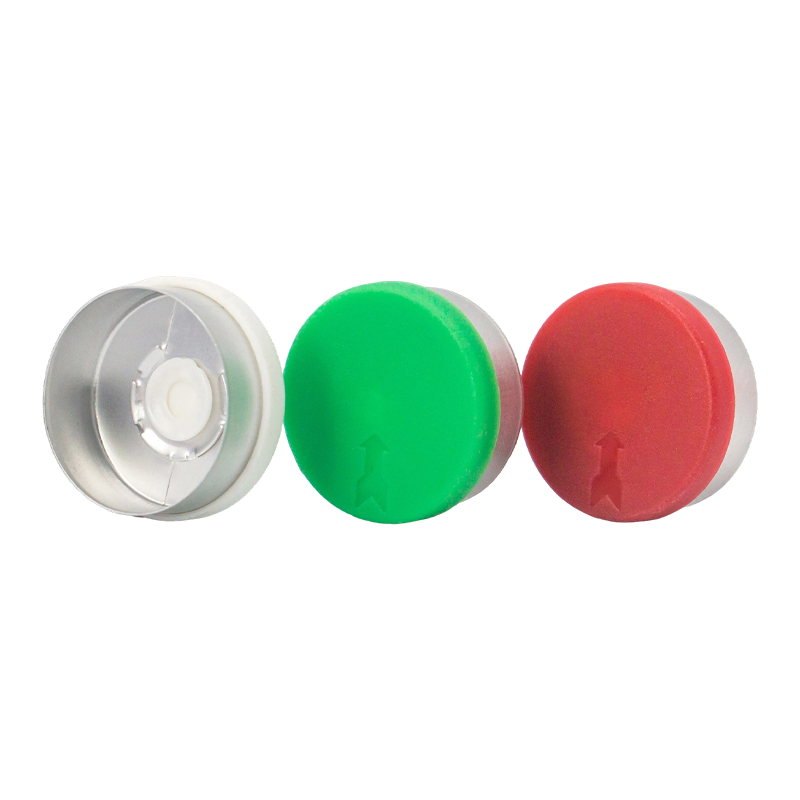
A specialized sealing cap designed for pharmaceutical injection vials. It features an easy-tear design on the aluminum cap, allowing users to open it quickly and reliably, with a near 100% opening suc...
View More
-
Get In Touch
 +86 511 8813 2922
 +86 139 5290 2286
 lilian@changjianglids.com
 No. 1 Mingzhu Road, Youfang Industrial Park, Yangzhong City, Zhenjiang, Jiangsu, China
The information provided on this website is intended for use only in countries and jurisdictions outside of the People's Republic of China.
No. 1 Mingzhu Road, Youfang Industrial Park, Yangzhong City, Zhenjiang, Jiangsu, China
The information provided on this website is intended for use only in countries and jurisdictions outside of the People's Republic of China. -
Product
Aluminum-Plastic Caps Aluminum Caps Euro PP Caps PP Containers for Contact Lens with Foil Seal Plastic Hanger for Infusion Bottle Plastic Jerry Can -
WhatsApp
Chris

-
WeChat
Lilian

Copyright © 2025 Jiangsu Changjiang Lids Co., Ltd. All Rights Reserved.
OEM Pharmaceutical Packaging Manufacturer
Pharmaceutical Cap Supplier
