
 English
 русский
 简体中文
简体中文


Home / News / Industry News / What are the uses of aluminum caps?
What are the uses of aluminum caps?
2026.07.17
Content
Aluminum Caps are primarily used to seal bottles and containers in the pharmaceutical, beverage, cosmetic, and food packaging industries, providing an airtight barrier that protects contents from oxygen, moisture, and contamination while also serving as a visible tamper-evident feature. Aluminum offers a combination of malleability and corrosion resistance that few other capping materials can match, which is why it remains one of the most widely used metals for closures on products ranging from injectable vials to wine bottles.
Beyond basic sealing, aluminum caps are valued for how easily they can be embossed, printed, or coated with branding elements, making them useful for both functional protection and product presentation on retail shelves.
Pharmaceutical and Medical Vial Sealing
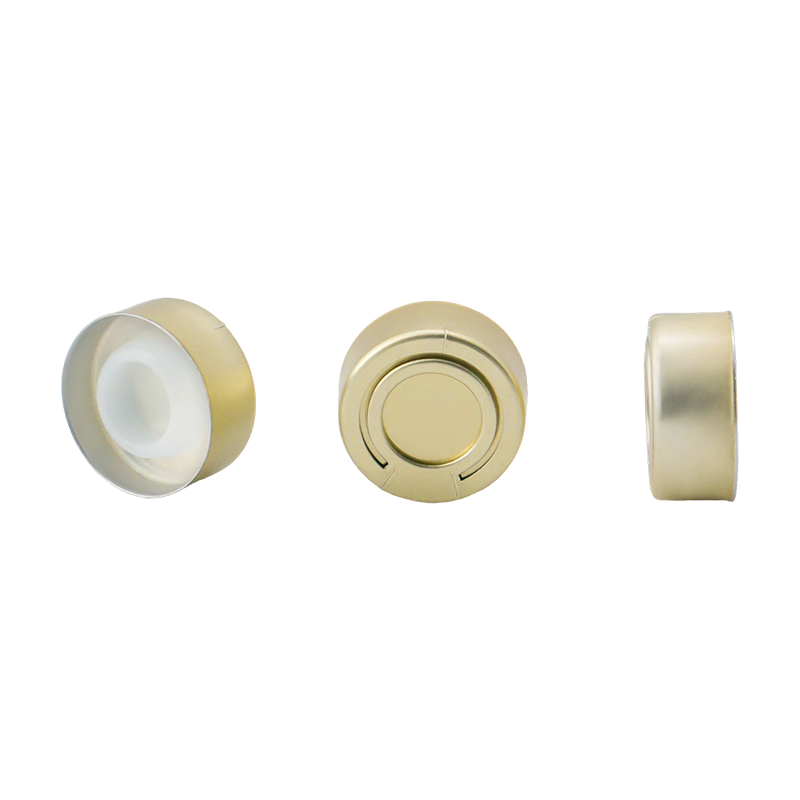
In pharmaceutical packaging, aluminum caps are used extensively to seal glass vials containing injectable medications, vaccines, and other sterile liquids. The cap is typically crimped over a rubber stopper, creating an airtight seal that keeps the contents sterile until the moment of use.
Why aluminum is preferred for pharmaceutical sealing
- Provides a tight, tamper-evident crimp seal over rubber stoppers
- Resists corrosion during storage and transport across varying climates
- Allows a flip-off or tear-off section for quick, controlled access during clinical use
- Compatible with standardized vial sizes used across the pharmaceutical industry
Regulatory guidance from pharmaceutical packaging standards bodies commonly requires tamper-evident closures on injectable products, and aluminum caps with a visibly disrupted flip-off section meet this requirement clearly, since any prior opening becomes immediately apparent.
Beverage Bottle Closures
Aluminum caps are a familiar sight on wine, spirits, and specialty beverage bottles, where they serve both a sealing function and a branding role through embossed logos or printed designs. Screw-cap style aluminum closures have become increasingly common as an alternative to traditional cork.
Advantages for beverage packaging
| Consistent seal quality | Eliminates the variability associated with natural cork |
| Easy reclosing | Screw-cap designs allow the bottle to be resealed after opening |
| Branding surface | Supports printing, embossing, and color finishes for shelf appeal |
Wine industry studies comparing closure types have found that screw-cap aluminum closures reduce the incidence of cork taint, a wine fault caused by contaminated natural cork, which has contributed to their growing adoption among wine producers seeking consistent bottle-to-bottle quality.
Cosmetic and Personal Care Packaging
Aluminum caps also appear widely in cosmetic and personal care packaging, capping everything from perfume bottles to skincare jars. Their lightweight nature and ability to be finished in a wide range of colors and textures make them a popular choice for premium product presentation.
Common cosmetic packaging uses
- Perfume and fragrance bottle caps requiring a precise, decorative fit
- Skincare jar lids that combine sealing performance with a polished appearance
- Roll-on and dropper bottle caps for serums and essential oils
Anodized or lacquer-coated aluminum finishes allow cosmetic brands to match caps closely to their packaging color scheme while still benefiting from aluminum's corrosion resistance against oils and alcohol-based formulations commonly used in personal care products.
Food and Condiment Bottle Sealing
Aluminum caps are also used on food packaging such as sauce bottles, spice jars, and certain condiment containers, where a reliable seal helps extend shelf life by limiting oxygen exposure. Many of these caps include a safety button or pop-up indicator that shows whether the vacuum seal has already been broken.
A vacuum seal indicator button is a simple but effective way for consumers to confirm product freshness before first use, and this feature has become a standard expectation for many packaged food products sold at retail.
Key Properties That Support These Uses
Several material properties explain why aluminum has remained a preferred choice for capping applications across such a wide range of industries.
- High malleability allows the cap to crimp tightly around irregular bottle necks without cracking
- Natural corrosion resistance protects against moisture exposure during storage and shipping
- Lightweight structure reduces overall packaging weight and shipping cost
- Recyclability supports sustainability goals increasingly demanded by packaging regulations
This combination of physical properties is difficult to replicate with plastic or other metal alternatives, which is why aluminum continues to hold a strong position in closure manufacturing despite competition from newer materials.
Choosing the Right Aluminum Cap for a Product
Selecting the correct cap style depends on the container neck finish, the required seal type, and whether tamper-evidence or reclosability is a priority for the specific product.
| Injectable vials | Flip-off crimp caps with tamper-evident tear sections |
| Wine and spirits bottles | Screw-cap style closures with printed or embossed branding |
| Cosmetic bottles | Decorative caps with anodized or coated finishes |
Manufacturers such as CJ Lids produce Aluminum Caps across these various styles, matching cap design to the specific sealing, branding, and regulatory needs of pharmaceutical, beverage, and cosmetic packaging lines.
Sustainability Considerations for Aluminum Closures
Aluminum is widely recognized as one of the most recyclable packaging materials available, since it can be reprocessed repeatedly without significant loss of quality. This has made aluminum caps an attractive option for brands working to reduce the environmental footprint of their packaging.
Choosing aluminum closures alongside recyclable glass or metal containers allows a product's entire packaging system to align with circular economy goals, an increasingly common priority cited by packaging sustainability initiatives across the beverage and cosmetic sectors.
Related products
-
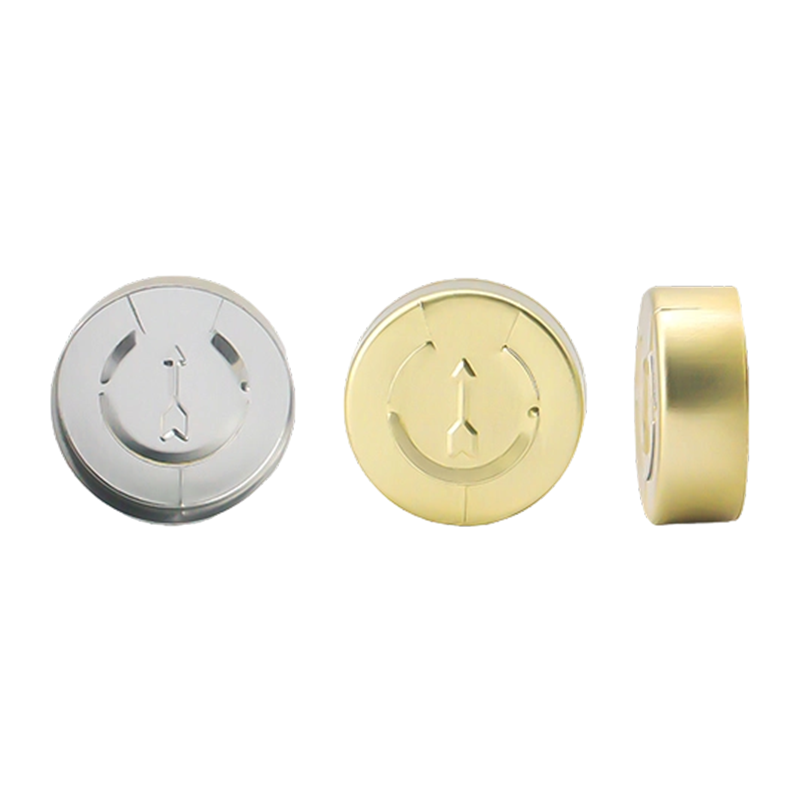
A tamper-evident aluminum seal for complete removal. It features a pre-scored tear-off line for easy opening: simply pull the tab to tear the entire cap off cleanly along the scored line, allowing for...
View More -
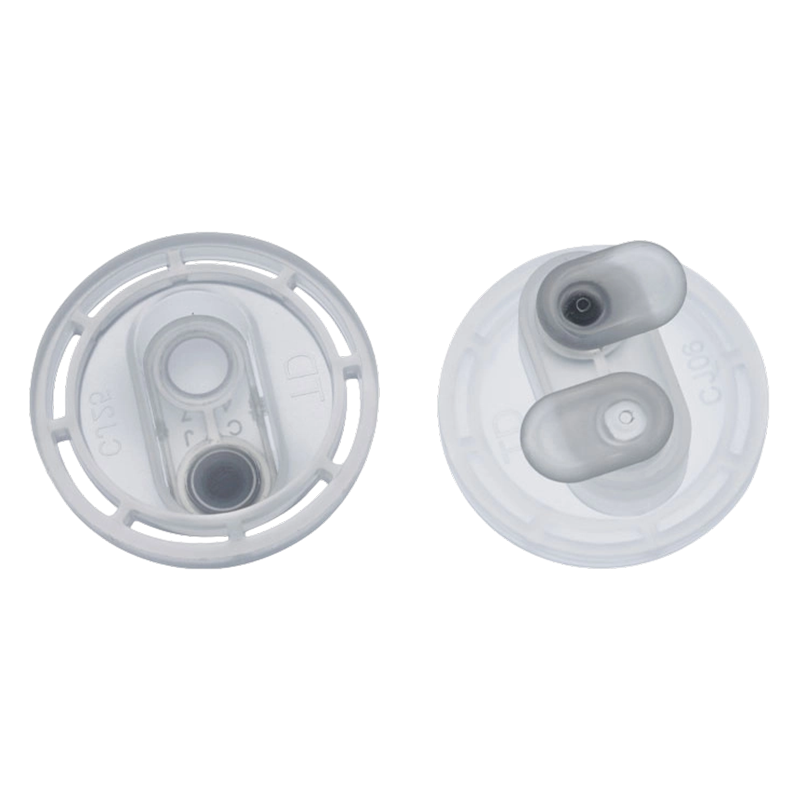
A standardized dual-port polypropylene cap designed for infusion and solution bottles. This integrated solution ensures reliable closure and provides two distinct, self-sealing access points for safe ...
View More -
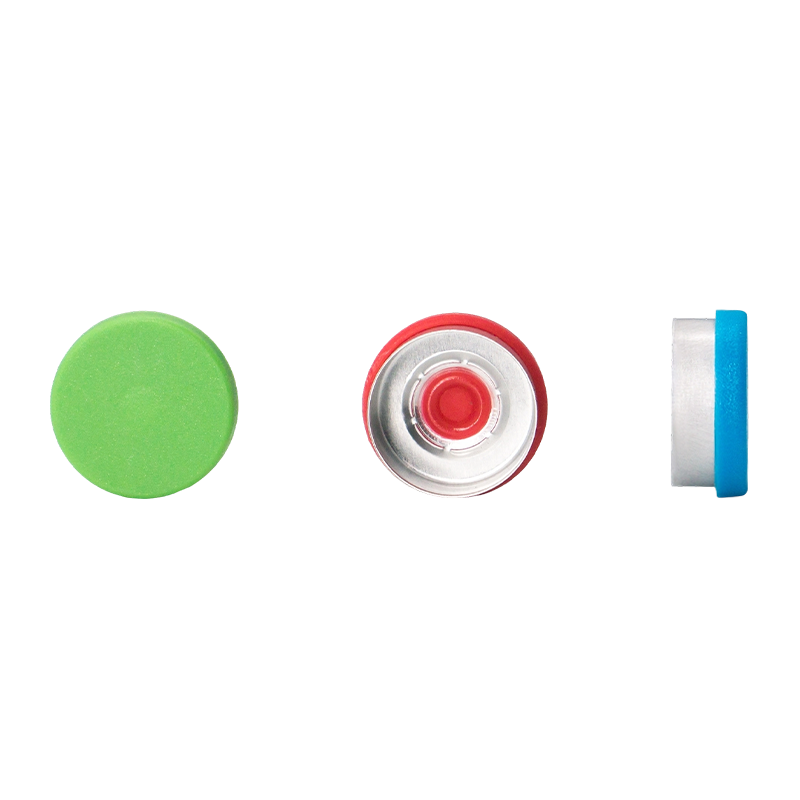
A specialized sealing cap designed for oral liquids, consisting of a bridge-type aluminum cap and a plastic cap. ZB structural design offers the advantage of low opening force, and upon removal of th...
View More -
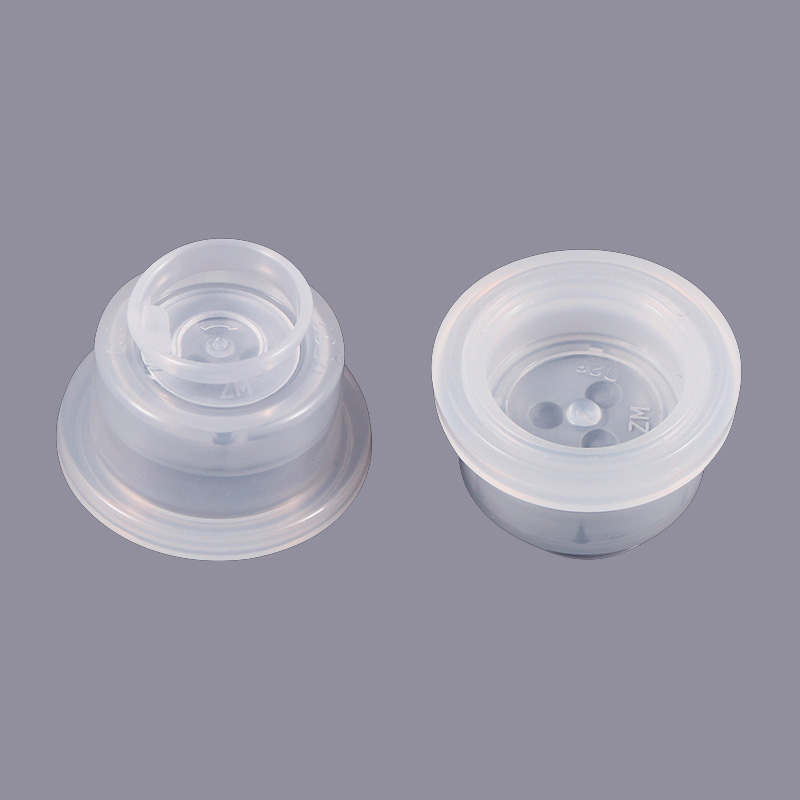
A standardized pull-ring polypropylene cap designed for infusion and solution bottles. This tamper-evident solution ensures reliable closure and provides an integrated pull-ring for safe, tool-free ac...
View More -
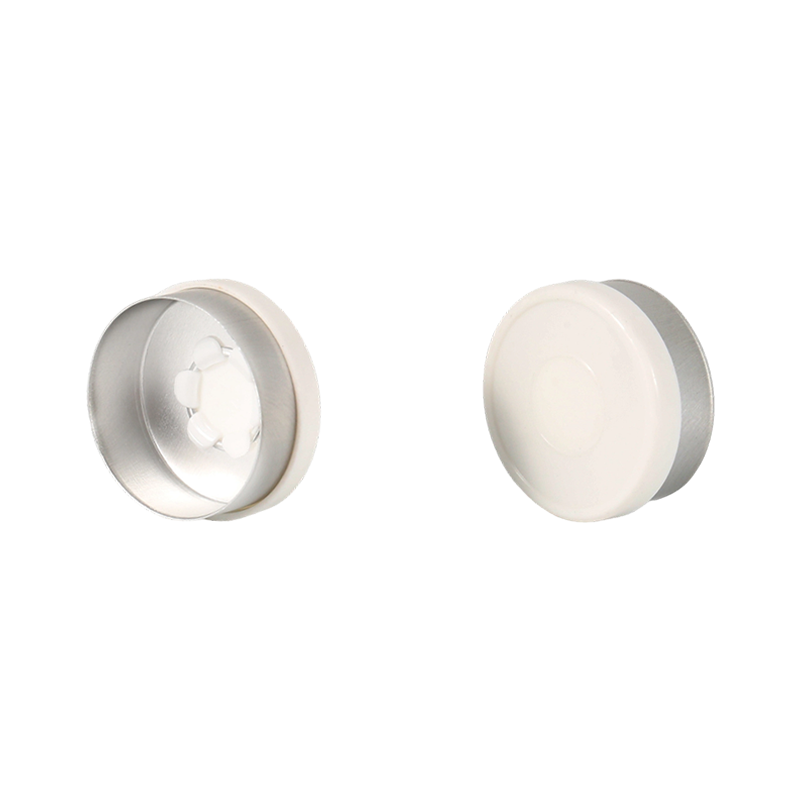
A reliable and tamper-evident sealing solution designed for standard injection vials. It ensures container seal integrity and safe needle access for liquid medications. A professional sealing componen...
View More -
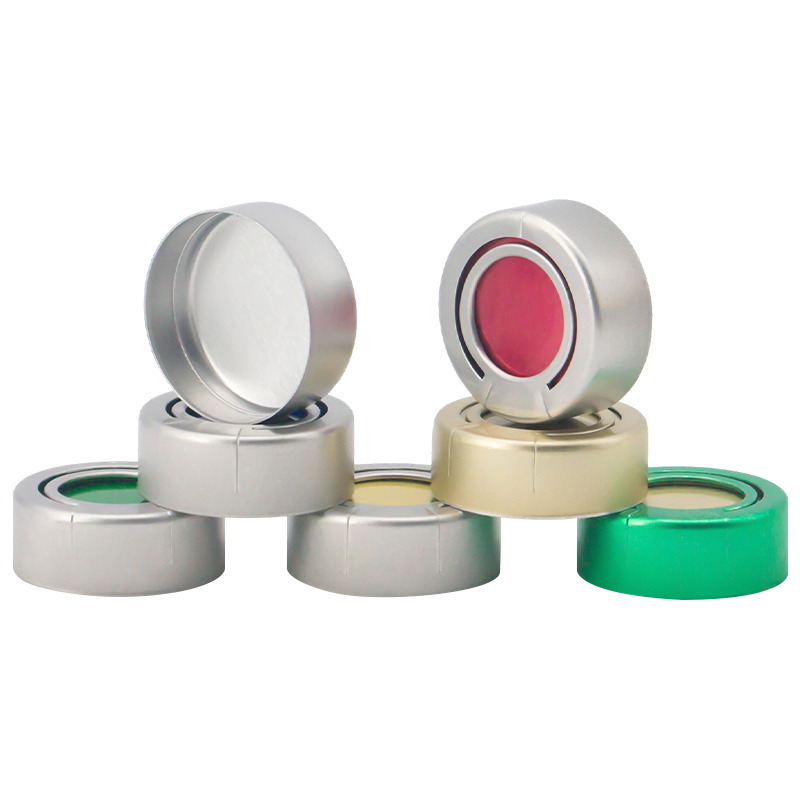
A tamper-evident aluminum seal designed for injection vials. It features an integrated pull-ring that, when pulled, removes the entire aluminum cap cleanly from the vial neck, leaving the rubber stopp...
View More
-
Get In Touch
 +86 511 8813 2922
 +86 139 5290 2286
 lilian@changjianglids.com
 No. 1 Mingzhu Road, Youfang Industrial Park, Yangzhong City, Zhenjiang, Jiangsu, China
The information provided on this website is intended for use only in countries and jurisdictions outside of the People's Republic of China.
No. 1 Mingzhu Road, Youfang Industrial Park, Yangzhong City, Zhenjiang, Jiangsu, China
The information provided on this website is intended for use only in countries and jurisdictions outside of the People's Republic of China. -
Product
Aluminum-Plastic Caps Aluminum Caps Euro PP Caps PP Containers for Contact Lens with Foil Seal Plastic Hanger for Infusion Bottle Plastic Jerry Can -
WhatsApp
Chris

-
WeChat
Lilian

Copyright © 2025 Jiangsu Changjiang Lids Co., Ltd. All Rights Reserved.
OEM Pharmaceutical Packaging Manufacturer
Pharmaceutical Cap Supplier
