
 English
 русский
 简体中文
简体中文


Home / News / Industry News / How do you distinguish between steel bottle caps and aluminum-plastic caps?
How do you distinguish between steel bottle caps and aluminum-plastic caps?
2026.07.24
Content
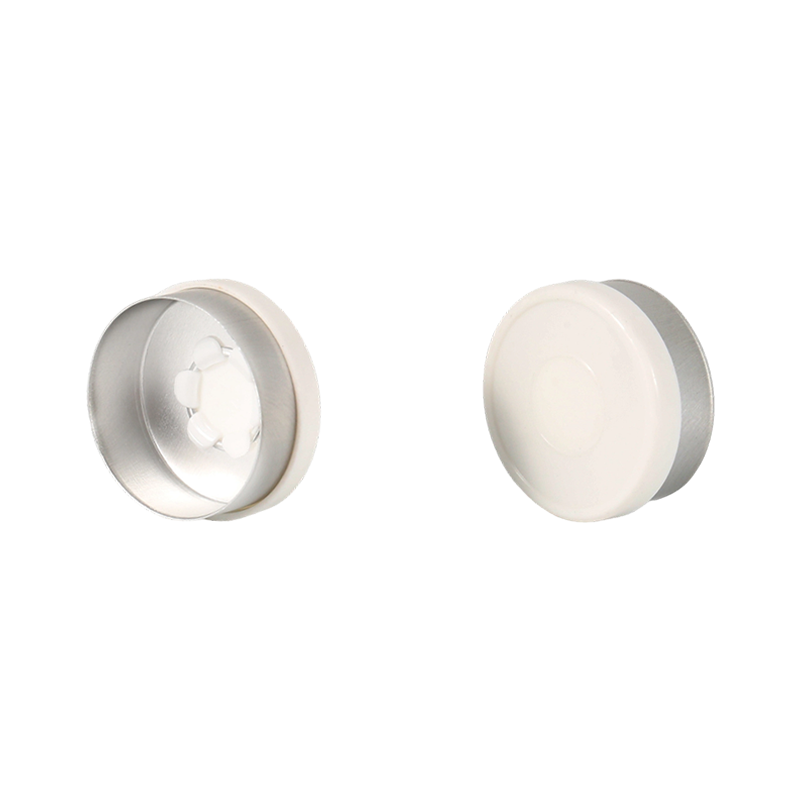
The quickest way to distinguish steel bottle caps from aluminum-plastic caps is a simple magnet test, since steel caps are magnetic and will visibly attract a magnet, while aluminum-plastic caps will not, because aluminum is not ferromagnetic. Beyond that, aluminum-plastic caps such as those in the Aluminum-Plastic Caps range typically feel noticeably lighter, have a smoother matte or brushed metallic finish, and often combine a thin aluminum outer shell with an inner plastic liner or insert, whereas steel caps tend to be heavier, more rigid, and commonly used with crimped crown edges for beverage bottling.
The sections below cover the specific physical, structural, and visual differences that make identification straightforward once you know what to look for.
The Magnet Test Explained
Since this is the most reliable and immediate identification method, it deserves a closer look at why it works so consistently.
Why Steel Responds to a Magnet
Steel is primarily composed of iron, a ferromagnetic material, which means a standard magnet will noticeably attract and cling to a steel bottle cap. This reaction is instant and requires no special equipment, just a small refrigerator magnet or similar item held close to the cap surface.
Why Aluminum Does Not Respond
Aluminum is not ferromagnetic, so a magnet held against an aluminum-plastic cap will show no attraction at all. This distinction is well established in general materials science references and remains one of the most reliable non destructive ways to differentiate the two metals without specialized tools.
Weight and Physical Feel Differences
Even without a magnet on hand, weight alone often gives a strong indication of which material you are holding.
| Property | Steel Bottle Cap | Aluminum-Plastic Cap |
| Relative weight | Heavier | Noticeably lighter |
| Density | Approximately 7.8 g/cm3 | Aluminum approximately 2.7 g/cm3 |
| Rigidity | Very rigid, resists bending | More pliable, can flex slightly |
| Surface texture | Often glossy or lacquered metal | Smooth matte or brushed finish |
The density difference referenced here reflects standard published material property values for steel and aluminum, and this weight gap is usually noticeable even when comparing caps of similar size by hand.
Structural Design Differences
Beyond material composition, the two cap types are typically engineered with different structural approaches suited to their intended applications.
Steel Cap Construction
Steel bottle caps, particularly crown caps used on glass beverage bottles, are usually stamped from a single sheet of tinplated or coated steel with crimped edges that grip the bottle neck when sealed. This single material construction makes them simple and cost effective for high volume beverage bottling lines.
Aluminum-Plastic Cap Construction
Aluminum-plastic caps generally combine a thin aluminum outer shell with an inner plastic component, such as a molded liner, threaded insert, or tamper evident ring, creating a composite structure. This combination allows the cap to achieve a premium metallic appearance while benefiting from the sealing flexibility and design versatility that plastic components provide.
Visual and Surface Appearance Clues
A closer visual inspection often reveals identifying details even before touching the cap.
- Steel caps commonly show a printed or lacquered coating directly on the metal surface, sometimes with visible crimped ridges around the edge
- Aluminum-plastic caps often display a smoother, more uniform metallic sheen due to the thinner aluminum layer
- A visible plastic edge or liner peeking from the underside of the cap is a strong indicator of an aluminum-plastic construction
- Steel caps used for crown seals typically show more pronounced fluted or scalloped edges compared to the smoother profile common on aluminum-plastic screw caps
Common Applications for Each Cap Type
Understanding where each cap type is typically used can also help with quick identification based on the product it came from.
- Steel crown caps are commonly found on glass bottled beverages such as beer and certain soft drinks
- Aluminum-plastic caps are frequently used on cosmetics, pharmaceutical bottles, and premium spirits where a refined metallic look is desired
- Products requiring tamper evident features often favor aluminum-plastic caps due to the design flexibility of combining metal and plastic components
- Mass produced beverage lines often favor steel caps for their lower per unit cost at extremely high production volumes
Quick Reference Checklist for Identification
When you need a fast way to confirm which cap type you are dealing with, running through this short checklist usually provides a clear answer.
- Hold a magnet near the cap, attraction indicates steel, no reaction indicates aluminum
- Compare the weight against a known steel or aluminum item of similar size
- Check the underside for a visible plastic liner or insert
- Look at the edge profile, crimped fluted edges suggest steel crown caps
Manufacturers and buyers sourcing packaging components can review detailed material specifications for options like Aluminum-Plastic Caps to confirm construction details before selecting the right cap type for a given product line.
Summary
Distinguishing steel bottle caps from aluminum-plastic caps comes down to a few reliable checks, starting with the magnet test as the fastest confirmation, followed by weight comparison, structural inspection for plastic components, and visual surface differences. Understanding these distinctions helps buyers and consumers quickly identify cap material, which can be useful both for packaging selection purposes and general product recognition.
Related products
-
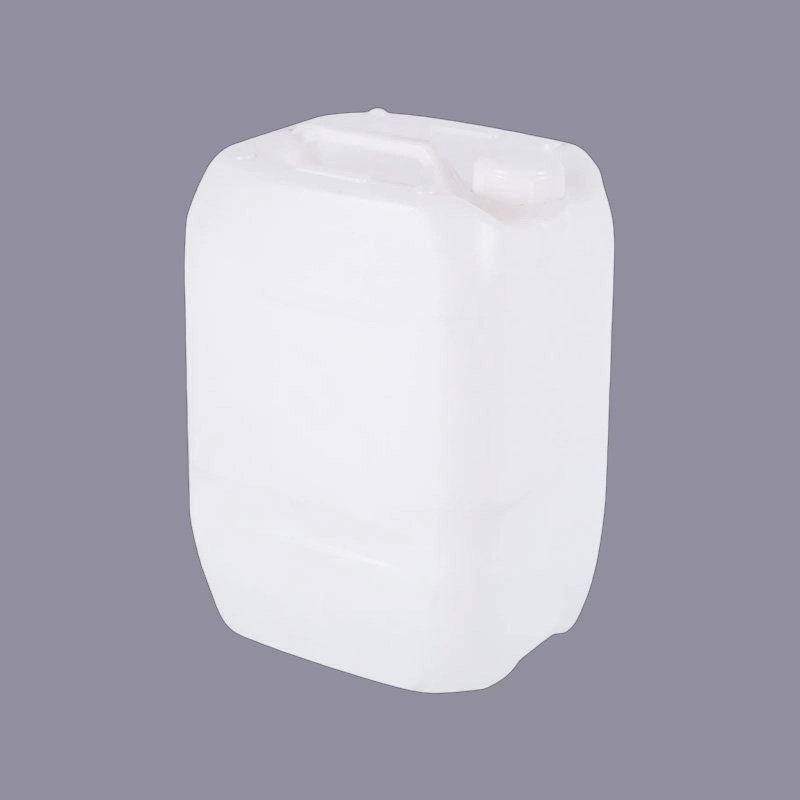
A durable and portable liquid storage solution designed for safe transportation and handling of non-hazardous to semi-hazardous fluids. It ensures secure containment, easy pouring, and reliable perfor...
View More -
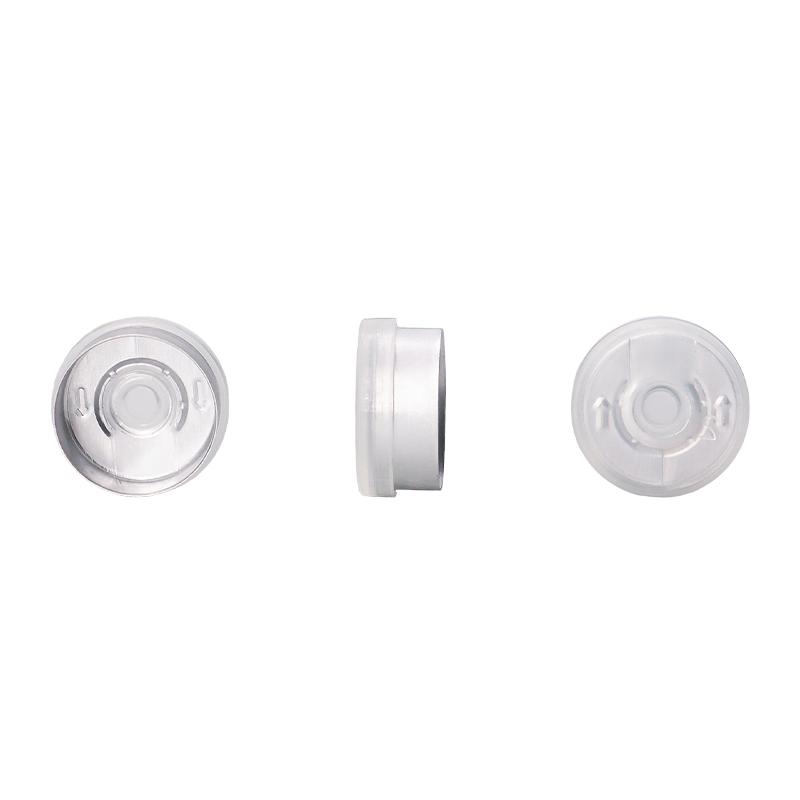
A specialized sealing cap designed for oral liquids. It features an easy-tear design on the aluminum cap, allowing users to open it quickly and reliably, with a near 100% opening success rate. Key App...
View More -
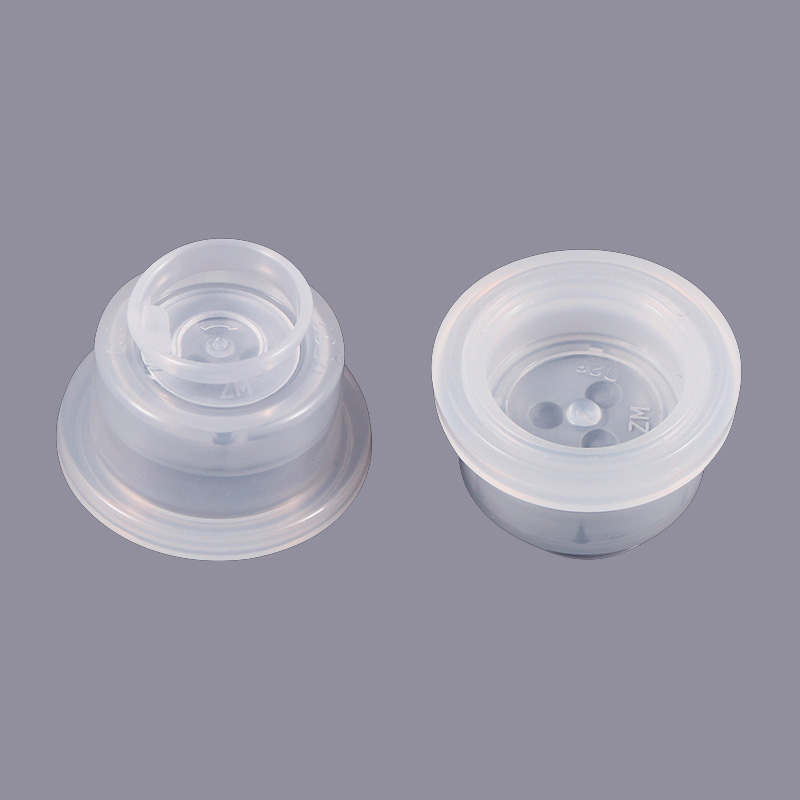
A standardized pull-ring polypropylene cap designed for infusion and solution bottles. This tamper-evident solution ensures reliable closure and provides an integrated pull-ring for safe, tool-free ac...
View More -

A reliable and tamper-evident sealing solution designed for standard injection vials. It ensures container seal integrity and safe needle access for liquid medications. A professional sealing componen...
View More -
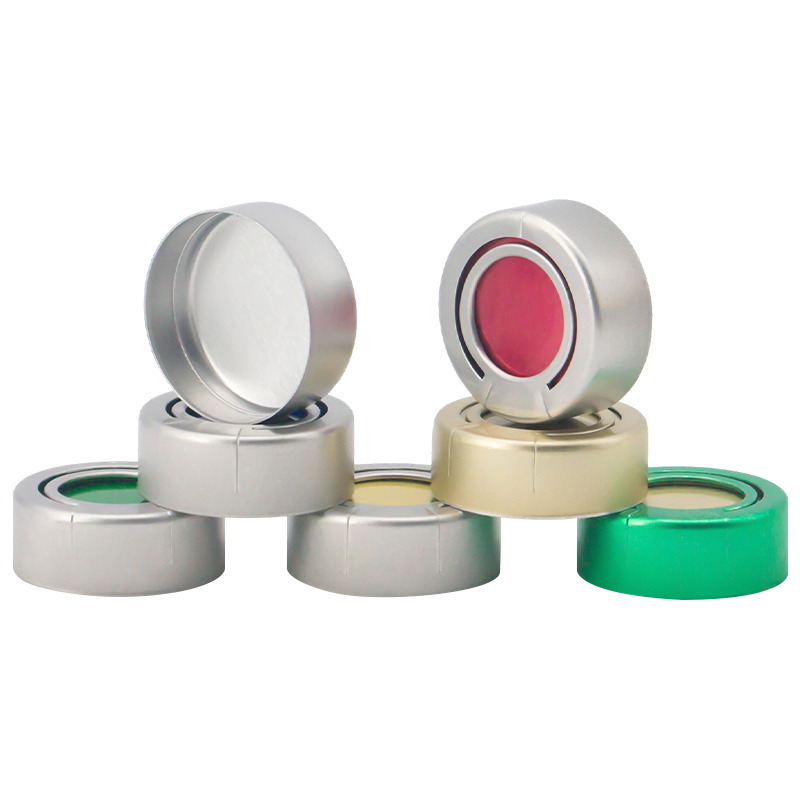
A tamper-evident aluminum seal designed for injection vials. It features an integrated pull-ring that, when pulled, removes the entire aluminum cap cleanly from the vial neck, leaving the rubber stopp...
View More -
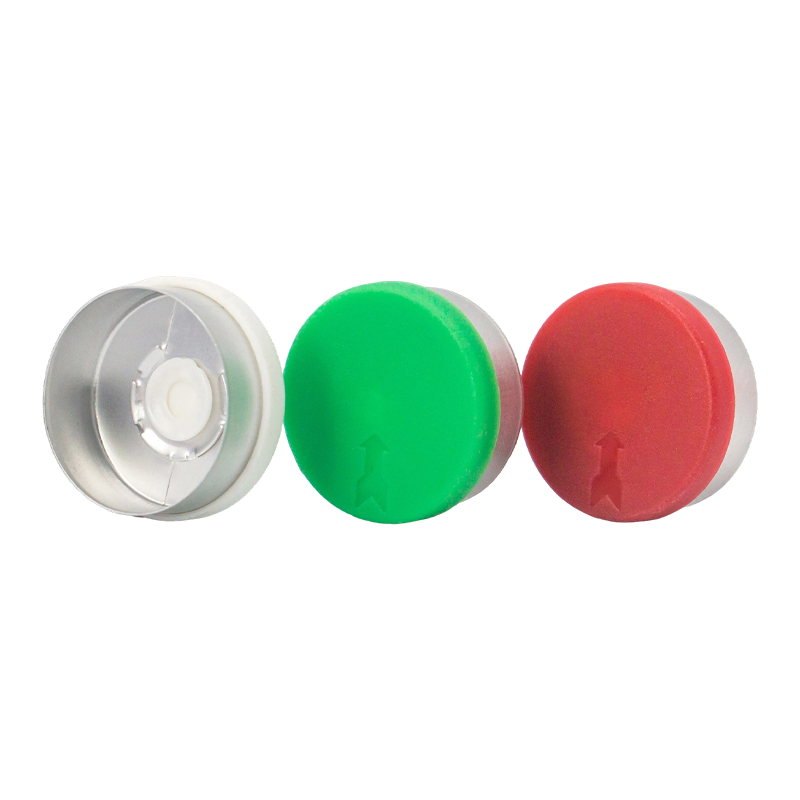
A specialized sealing cap designed for pharmaceutical injection vials. It features an easy-tear design on the aluminum cap, allowing users to open it quickly and reliably, with a near 100% opening suc...
View More
-
Get In Touch
 +86 511 8813 2922
 +86 139 5290 2286
 lilian@changjianglids.com
 No. 1 Mingzhu Road, Youfang Industrial Park, Yangzhong City, Zhenjiang, Jiangsu, China
The information provided on this website is intended for use only in countries and jurisdictions outside of the People's Republic of China.
No. 1 Mingzhu Road, Youfang Industrial Park, Yangzhong City, Zhenjiang, Jiangsu, China
The information provided on this website is intended for use only in countries and jurisdictions outside of the People's Republic of China. -
Product
Aluminum-Plastic Caps Aluminum Caps Euro PP Caps PP Containers for Contact Lens with Foil Seal Plastic Hanger for Infusion Bottle Plastic Jerry Can -
WhatsApp
Chris

-
WeChat
Lilian

Copyright © 2025 Jiangsu Changjiang Lids Co., Ltd. All Rights Reserved.
OEM Pharmaceutical Packaging Manufacturer
Pharmaceutical Cap Supplier
