
 English
 русский
 简体中文
简体中文


Home / News / Industry News / How long can a Euro PP Caps be used?
How long can a Euro PP Caps be used?
2026.04.24
Content
Euro PP caps — polypropylene screw caps or snap-fit closures used on bottles, jars, and tubes in pharmaceutical, cosmetic, and food packaging — are designed as single-use closures in most regulated applications, with a functional service life that spans the product's shelf life: typically 12 months to 5 years depending on the product category and regulatory requirements. In non-sterile or general-purpose applications, a PP cap's physical durability allows repeated opening and closing for many months without mechanical failure, but its reuse for safety-critical packaging is generally not recommended or permitted.
Understanding the Euro PP Cap Format
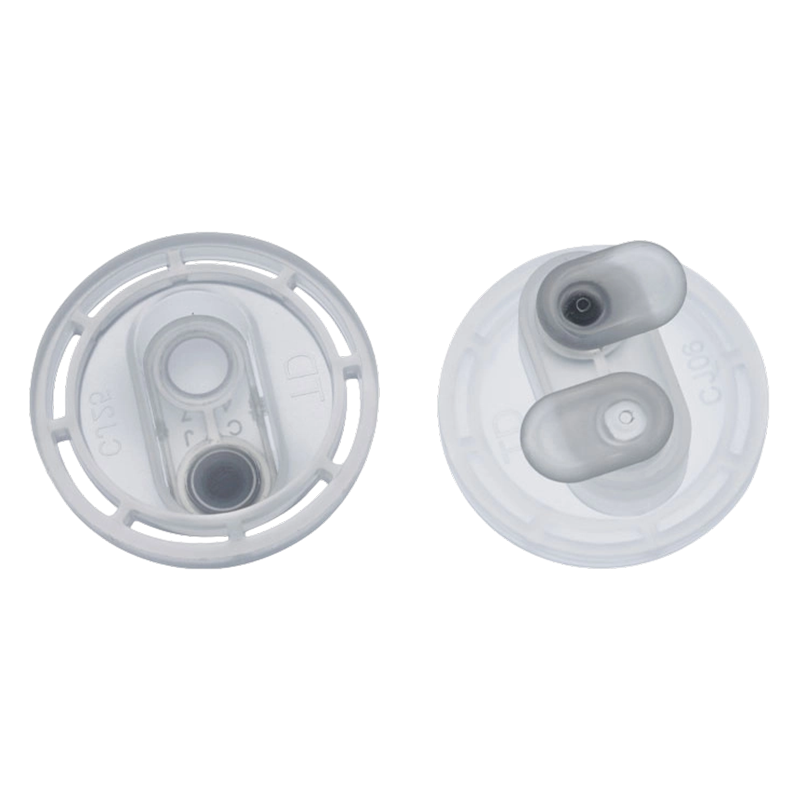
Euro PP caps are closures manufactured to the Euro dropper bottle standard — a widely adopted European pharmaceutical packaging specification. The "Euro" designation refers to the standardized neck finish (typically DIN 18, 23, or 28 mm diameter) used on pharmaceutical dropper bottles, eye drop containers, and oral solution bottles across European markets. The cap is injection-molded from polypropylene and may include:
- Child-resistant mechanisms: Press-and-turn or squeeze-and-turn designs that comply with ISO 8317 child-resistant packaging standards.
- Tamper-evident rings: A breakaway ring or band that provides visual evidence of first opening.
- Integrated droppers or tip inserts: Some Euro caps incorporate dropper tips or dispensing inserts for measured-dose liquid delivery.
Functional Lifespan: What Limits How Long a PP Cap Can Be Used
Mechanical Wear from Repeated Opening
PP's mechanical properties allow it to withstand many open/close cycles before measurable degradation occurs. In laboratory abuse testing, standard PP screw caps typically maintain adequate sealing performance for 50 to 100 complete open/close cycles before thread deformation or gasket compression set becomes significant. In real-world pharmaceutical use, most products are opened far fewer times than this before the contents are consumed — so mechanical fatigue of the cap is rarely the limiting factor.
Product Shelf Life as the Practical Limit
For pharmaceutical and cosmetic products, the cap's intended use period is defined by the product's expiry date — not by the cap's material durability. Once the product inside expires, the cap's service period ends simultaneously. Typical shelf lives by product category:
| Product Category | Typical Shelf Life (Unopened) | In-Use Period After Opening |
|---|---|---|
| Eye drops (ophthalmic) | 2 – 3 years | 28 days after opening |
| Oral liquid medicines | 2 – 5 years | 1 – 6 months after opening |
| Cosmetic serums and oils | 2 – 3 years | 6 – 12 months after opening |
| Food-grade oils and extracts | 1 – 2 years | 3 – 6 months after opening |
| Nutritional supplements (liquid) | 2 years | 30 – 90 days after opening |
Factors That Affect PP Cap Performance Over Time
- UV exposure: Prolonged direct sunlight causes PP to become brittle and discolored through photodegradation. Caps stored in opaque outer packaging or dark storage conditions maintain their properties much longer than those exposed to UV light for extended periods.
- Chemical compatibility with contents: PP is resistant to most aqueous solutions, acids, and alkalis, but may be permeated or swelled by aromatic solvents, essential oils at high concentrations, and certain organic chemicals. Products with high solvent content require compatibility testing before specifying a PP cap.
- Temperature cycling: Repeated exposure to high temperatures (above 80°C) causes PP to deform and lose its sealing geometry — relevant for products stored in hot climates or transported in un-air-conditioned vehicles.
- Gasket condition: Caps with integrated gaskets (foam, LDPE, or EPDM liners) may see gasket compression set over time — reducing seal force and, in extreme cases, allowing air ingress that affects product stability.
When Euro PP Caps Should Not Be Reused
Even when the PP cap itself shows no visible damage, reuse is not appropriate in the following situations:
- After the tamper-evident ring has been broken: The tamper evidence function is permanently destroyed on first opening — a reused cap cannot provide tamper evidence for a subsequent product fill.
- Pharmaceutical and sterile product packaging: Regulatory standards require single-use closures for sterile pharmaceutical products — reuse is not permitted regardless of the cap's physical condition.
- Child-resistant packaging: Child-resistant mechanisms may be degraded by use — a cap that has been opened and re-applied multiple times may no longer meet the torque resistance requirement of the original standard.
- After visible deformation, cracking, or thread damage: Physical damage compromises sealing performance and should prompt immediate replacement of the closure.
Related products
-
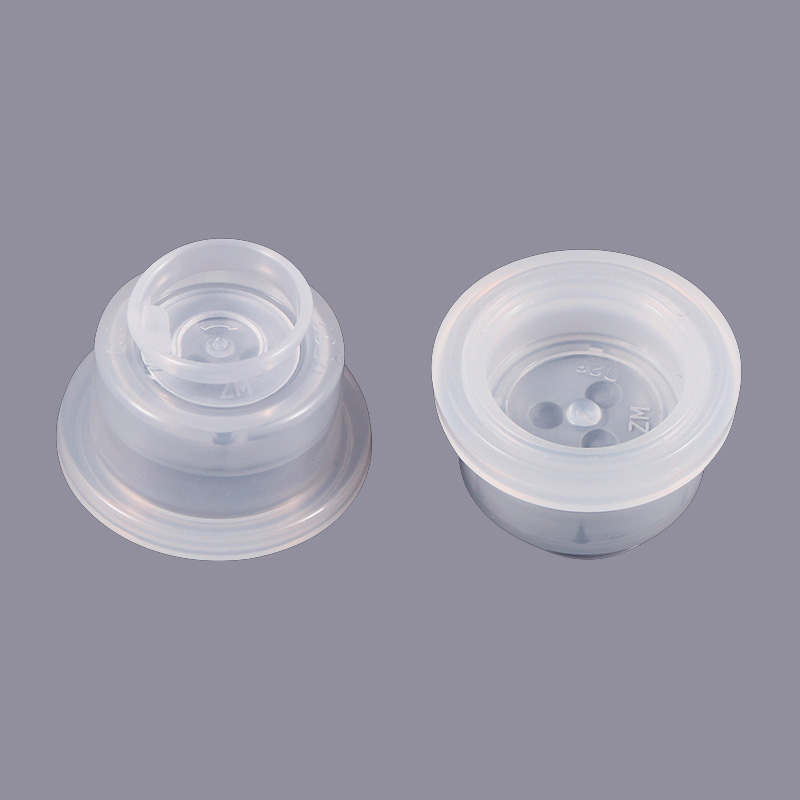
A standardized pull-ring polypropylene cap designed for infusion and solution bottles. This tamper-evident solution ensures reliable closure and provides an integrated pull-ring for safe, tool-free ac...
View More -

A standardized dual-port polypropylene cap designed for infusion and solution bottles. This integrated solution ensures reliable closure and provides two distinct, self-sealing access points for safe ...
View More -
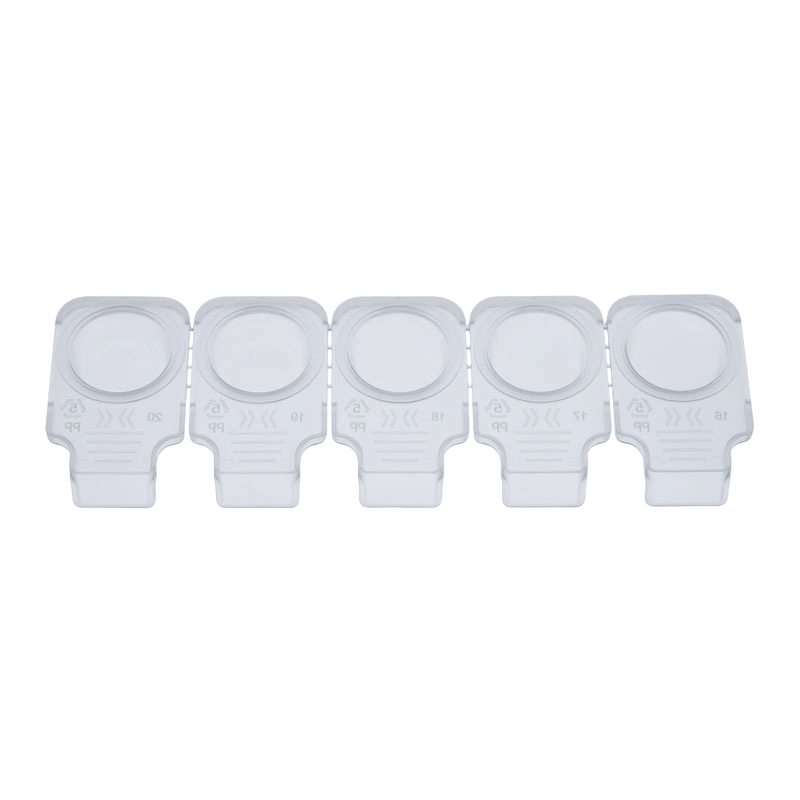
A protective and sterile packaging solution designed for contact lens storage. The polypropylene (PP) container with an integrated foil seal ensures product integrity, moisture retention, and contamin...
View More -
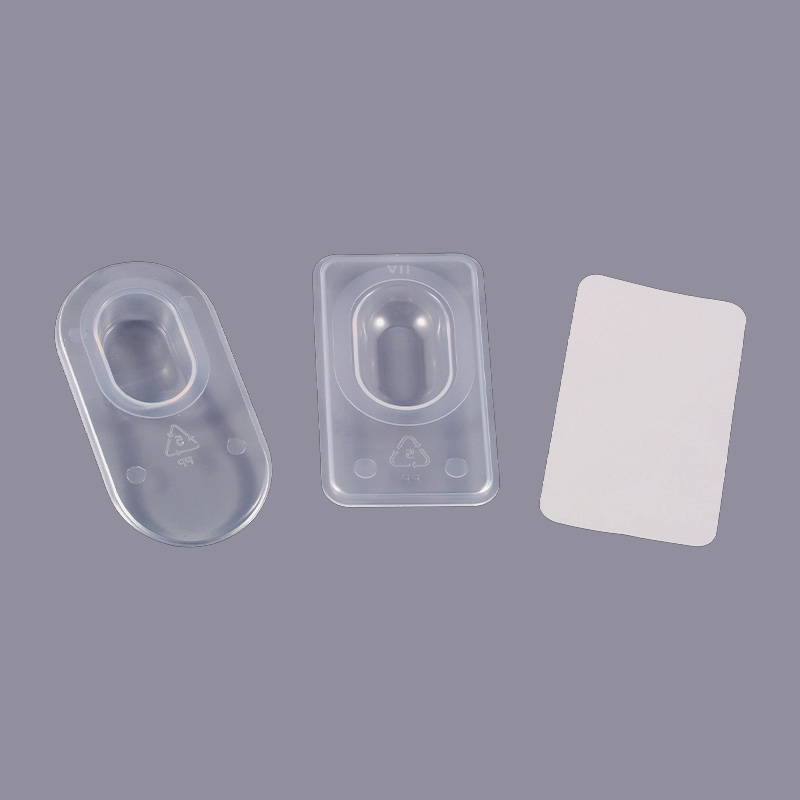
A protective and sterile packaging solution designed for contact lens storage. The polypropylene (PP) container with an integrated foil seal ensures product integrity, moisture retention, and contamin...
View More -
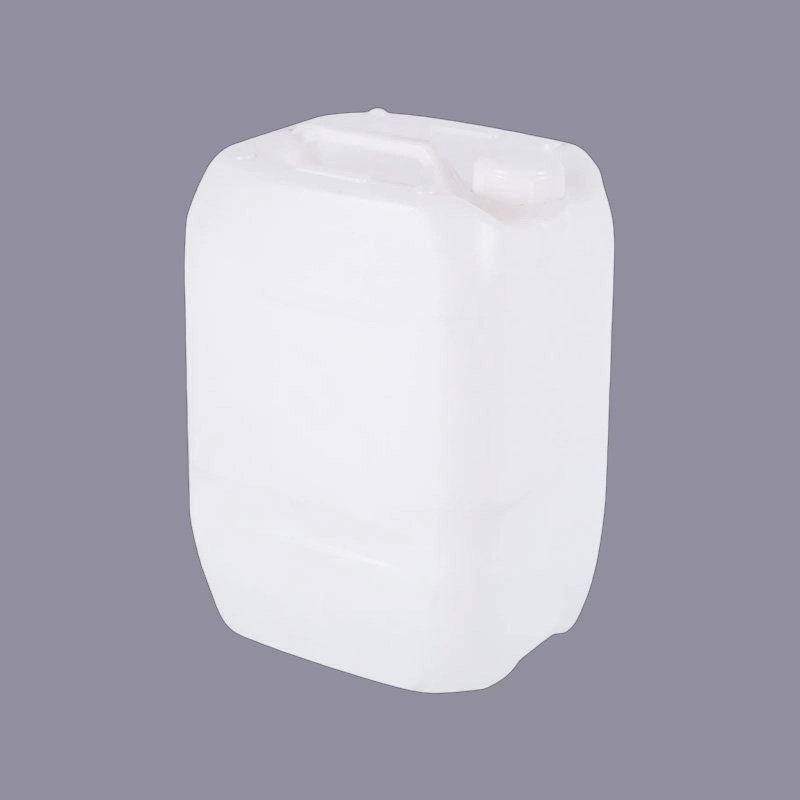
A durable and portable liquid storage solution designed for safe transportation and handling of non-hazardous to semi-hazardous fluids. It ensures secure containment, easy pouring, and reliable perfor...
View More -
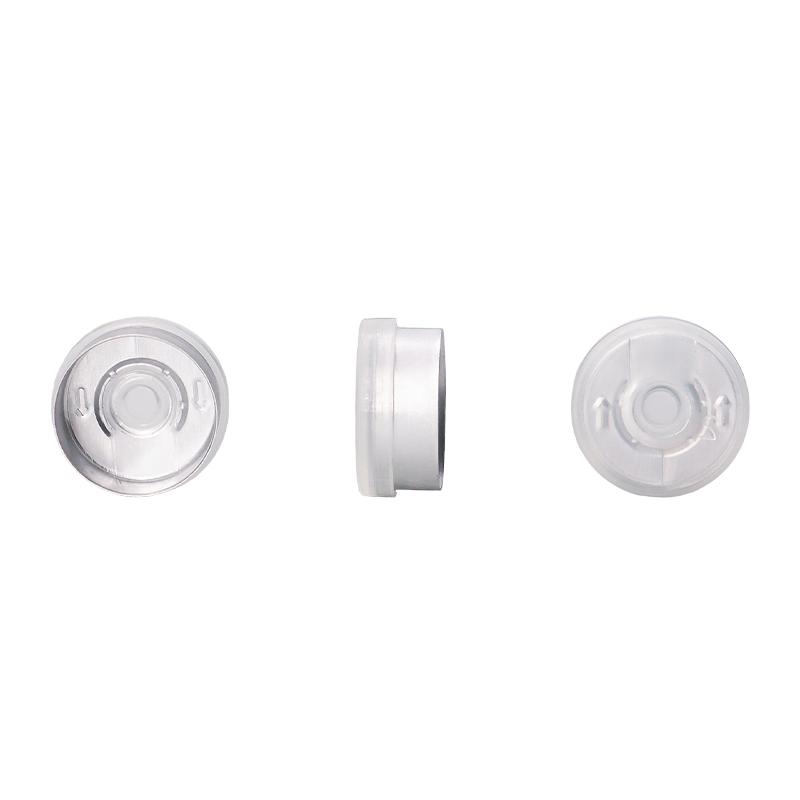
A specialized sealing cap designed for oral liquids. It features an easy-tear design on the aluminum cap, allowing users to open it quickly and reliably, with a near 100% opening success rate. Key App...
View More
-
Get In Touch
 +86 511 8813 2922
 +86 139 5290 2286
 lilian@changjianglids.com
 No. 1 Mingzhu Road, Youfang Industrial Park, Yangzhong City, Zhenjiang, Jiangsu, China
The information provided on this website is intended for use only in countries and jurisdictions outside of the People's Republic of China.
No. 1 Mingzhu Road, Youfang Industrial Park, Yangzhong City, Zhenjiang, Jiangsu, China
The information provided on this website is intended for use only in countries and jurisdictions outside of the People's Republic of China. -
Product
Aluminum-Plastic Caps Aluminum Caps Euro PP Caps PP Containers for Contact Lens with Foil Seal Plastic Hanger for Infusion Bottle Plastic Jerry Can -
WhatsApp
Chris

-
WeChat
Lilian

Copyright © 2025 Jiangsu Changjiang Lids Co., Ltd. All Rights Reserved.
OEM Pharmaceutical Packaging Manufacturer
Pharmaceutical Cap Supplier
