
 English
 русский
 简体中文
简体中文


Home / News / Industry News / What is a PP Containers For Contact Lens With Foil Seal?
What is a PP Containers For Contact Lens With Foil Seal?
2026.04.17
Content
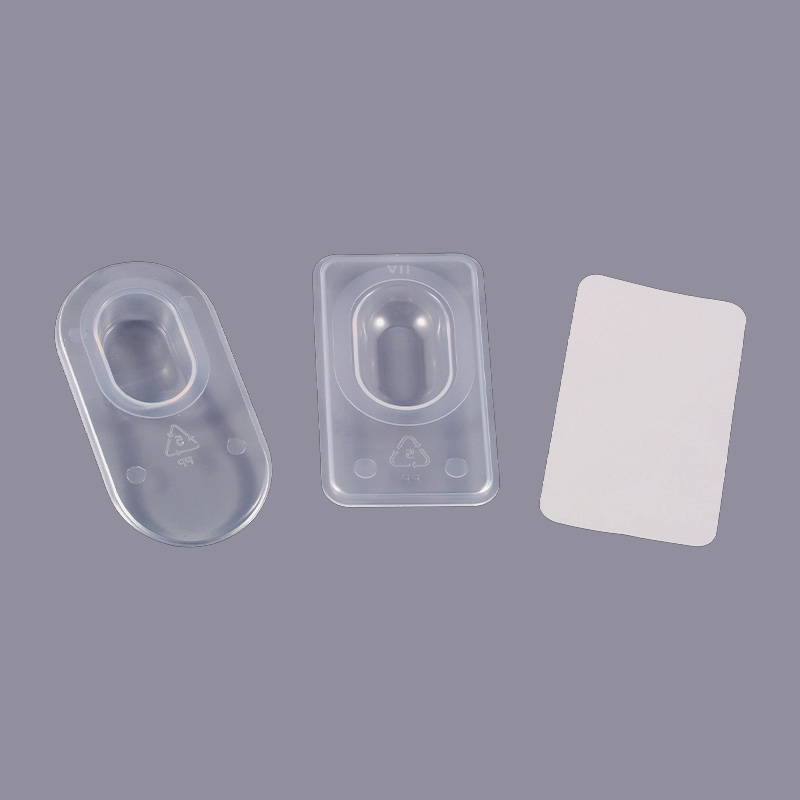
A PP container for contact lens with foil seal is a small, single-use or reusable sterile packaging unit made from polypropylene (PP) plastic, designed to store contact lenses immersed in saline or multipurpose solution. The foil seal — a heat-bonded or pressure-sealed aluminum foil or foil-laminate lid — closes the container hermetically, maintaining sterility, preventing leakage, and serving as a tamper-evident barrier that confirms the lens has not been accessed since manufacture. This packaging format is the global standard for daily disposable and frequent replacement contact lens packaging.
Why Polypropylene Is Used for Contact Lens Containers
Polypropylene is chosen specifically for this application because of its combination of properties that no alternative polymer fully replicates:
- Chemical inertness: PP does not react with saline solution, multipurpose contact lens solution, or the lens material itself — preventing chemical leaching that could damage the lens or irritate the eye.
- Autoclave and gamma sterilization compatibility: PP withstands the sterilization processes used in medical packaging manufacturing — steam autoclaving at 121°C and gamma irradiation — without deforming or degrading.
- Moisture barrier: PP's low water vapor transmission rate protects the liquid storage medium from evaporation during the shelf life of the product — typically stated at 2 to 3 years from manufacture date.
- Foil seal compatibility: PP surfaces accept heat-seal bonding with aluminum foil laminates reliably, producing a consistent hermetic seal without special surface treatments.
- Regulatory compliance: PP is approved for direct contact with pharmaceutical and medical products under USP Class VI, ISO 10993, and equivalent international biocompatibility standards — a prerequisite for contact lens packaging.
The Role of the Foil Seal
The foil seal is not merely a closure — it performs several critical functions in the contact lens packaging system:
- Hermetic sterility barrier: The foil seal prevents any microbiological contamination from entering the container after sterilization — maintaining the lens in a sterile environment until the user peels the seal at point of use.
- Tamper evidence: Any attempt to access the lens before purchase is immediately visible — a damaged or partially peeled foil seal indicates the packaging has been compromised, protecting consumer safety.
- Oxygen and moisture barrier: Aluminum foil provides near-zero oxygen and moisture vapor transmission — protecting both the saline solution and the lens from oxidative degradation or evaporation over the stated shelf life.
- Printable information surface: The foil lid is the primary surface for printing lot number, expiry date, lens parameters (power, base curve, diameter), and product name — all required by regulatory agencies including the FDA and CE marking authorities.
Physical Specifications and Structural Design
A standard daily disposable PP contact lens blister pack typically has the following characteristics:
| Specification | Typical Value |
|---|---|
| Container material | Polypropylene (PP), medical grade |
| Seal material | Aluminum foil with heat-seal lacquer coating |
| Container volume | 1.0 – 2.5 mL |
| Foil thickness | 20 – 40 microns (aluminum layer) |
| Seal integrity standard | Hermetic (zero leakage at test pressure) |
| Shelf life (sealed) | 2 – 4 years from manufacture |
| Sterilization method | Autoclave or gamma irradiation |
The bowl shape of the PP container is designed with a convex dome that holds the lens in a specific orientation — curved side up — so that the user can pick it up from the saline solution without inverting or contacting the lens surface unnecessarily. The container's foot flange provides stability on a flat surface and accommodates the heat-seal bonding area for the foil lid.
Regulatory and Quality Standards for Contact Lens PP Containers
Contact lens packaging is classified as medical device packaging and is subject to strict regulatory requirements in all major markets:
- ISO 11607: The primary international standard for sterile medical device packaging — defines requirements for materials, seal integrity, aging, and package performance testing.
- ISO 10993: Biological evaluation of medical devices — the PP material and any colorants or additives must pass biocompatibility testing including cytotoxicity, sensitization, and irritation evaluations.
- FDA 21 CFR: In the United States, contact lens packaging materials are regulated as part of the device's 510(k) or PMA submission — the packaging must be validated as part of the sterile device system.
- CE marking (EU MDR): In the European Union, contact lens packaging validation is required as part of the Medical Device Regulation compliance dossier.
Manufacturing Applications and Industry Use
PP containers with foil seals are used across the full range of contact lens replacement schedules:
- Daily disposable lenses: The dominant application — each lens is individually packed in its own blister, discarded after a single day's wear. A 30-pack of daily disposables contains 30 individual PP containers.
- Two-week and monthly replacement lenses: Packed in the same blister format but with larger solution volumes to maintain the lens in optimal condition during longer pre-opening shelf storage.
- Specialty and custom lenses: Toric (astigmatism-correcting), multifocal, and colored lenses use the same PP foil-seal blister format, with the foil carrying additional orientation markings where required.
Related products
-
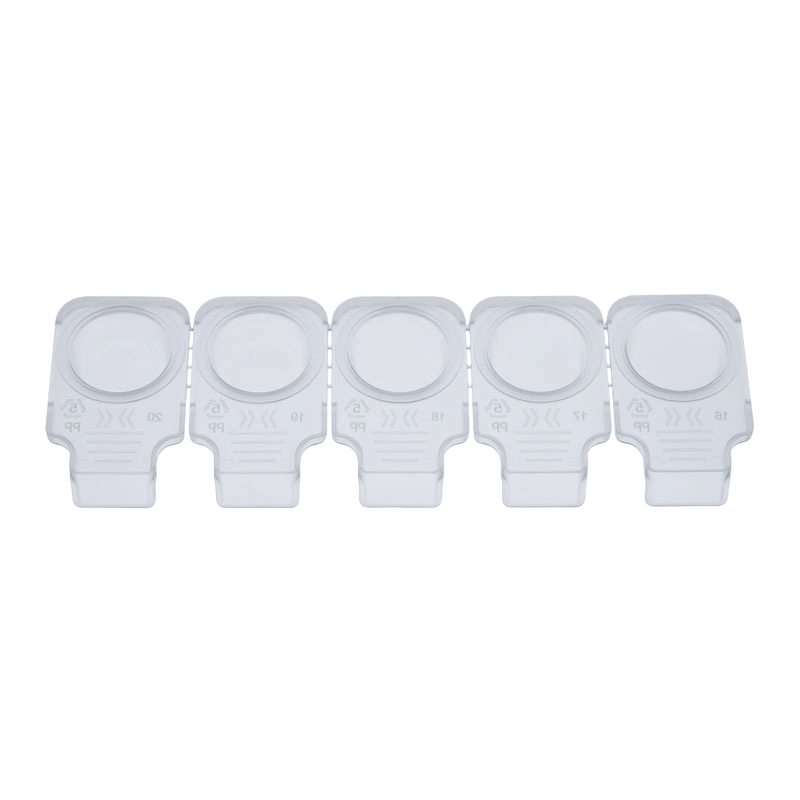
A protective and sterile packaging solution designed for contact lens storage. The polypropylene (PP) container with an integrated foil seal ensures product integrity, moisture retention, and contamin...
View More -

A protective and sterile packaging solution designed for contact lens storage. The polypropylene (PP) container with an integrated foil seal ensures product integrity, moisture retention, and contamin...
View More -
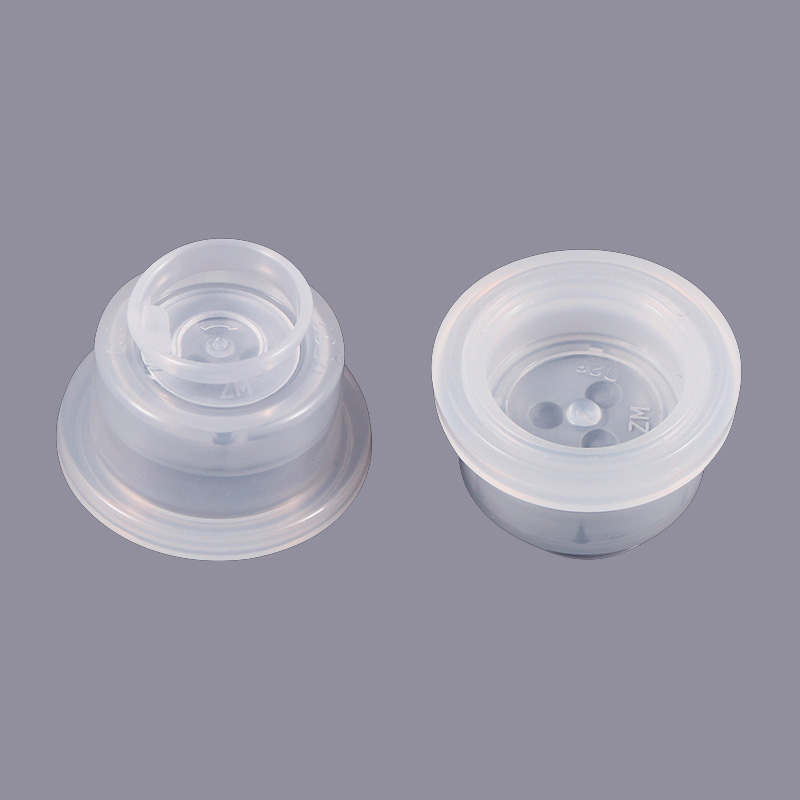
A standardized pull-ring polypropylene cap designed for infusion and solution bottles. This tamper-evident solution ensures reliable closure and provides an integrated pull-ring for safe, tool-free ac...
View More -
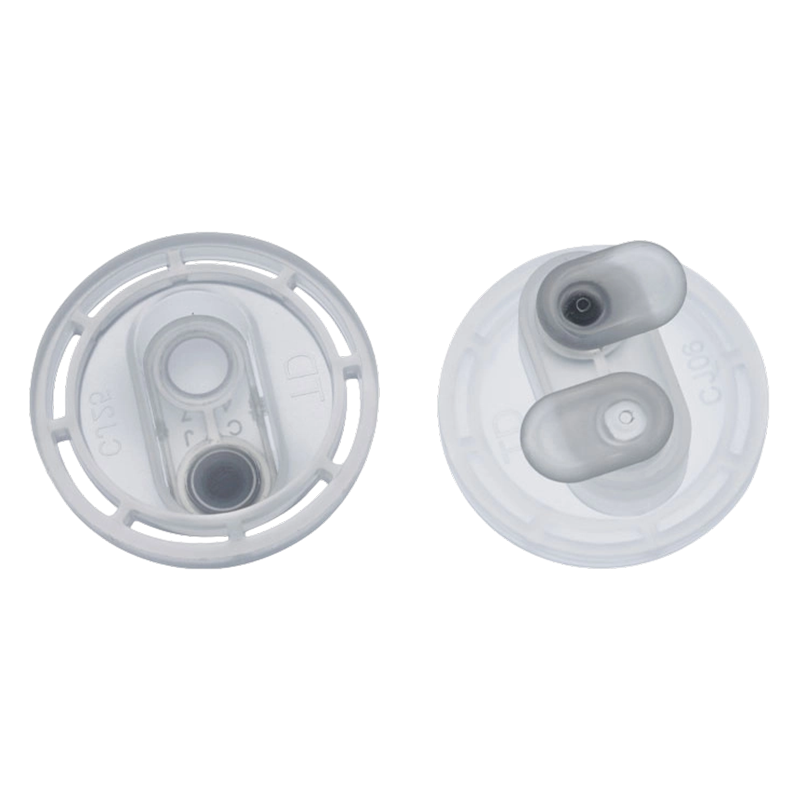
A standardized dual-port polypropylene cap designed for infusion and solution bottles. This integrated solution ensures reliable closure and provides two distinct, self-sealing access points for safe ...
View More -
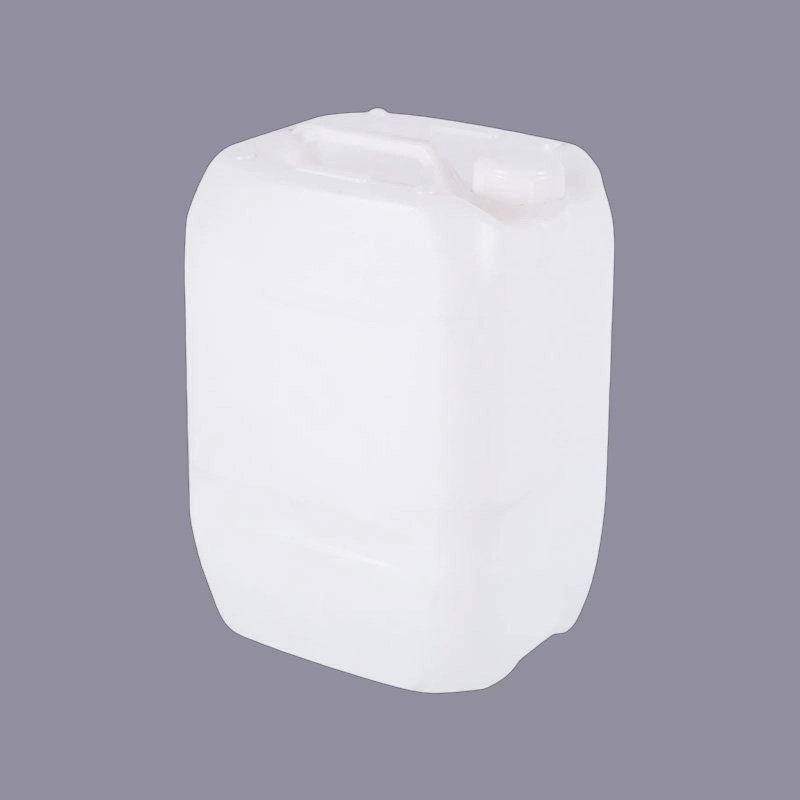
A durable and portable liquid storage solution designed for safe transportation and handling of non-hazardous to semi-hazardous fluids. It ensures secure containment, easy pouring, and reliable perfor...
View More -
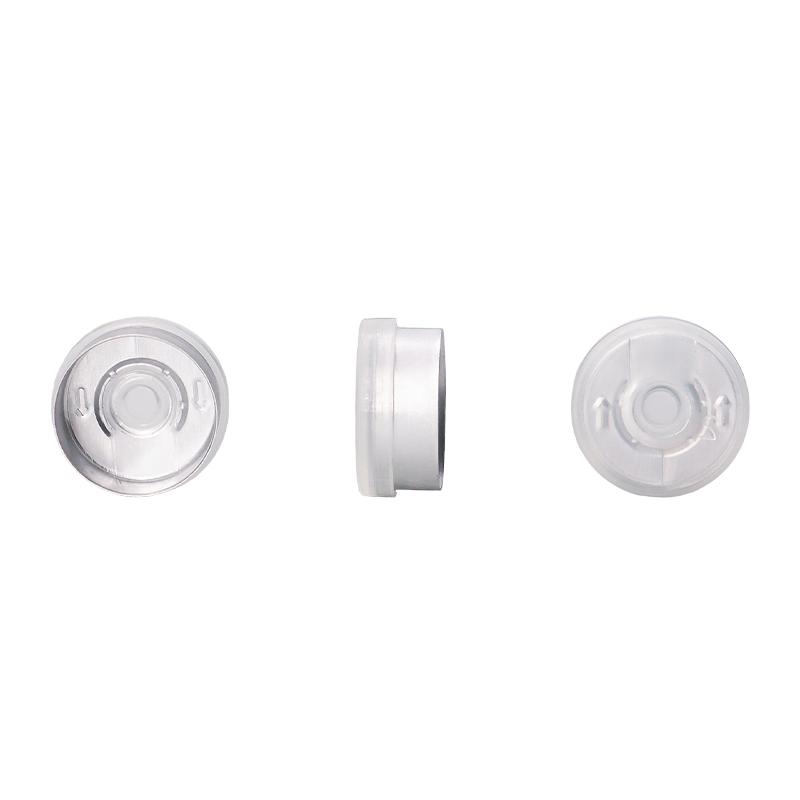
A specialized sealing cap designed for oral liquids. It features an easy-tear design on the aluminum cap, allowing users to open it quickly and reliably, with a near 100% opening success rate. Key App...
View More
-
Get In Touch
 +86 511 8813 2922
 +86 139 5290 2286
 lilian@changjianglids.com
 No. 1 Mingzhu Road, Youfang Industrial Park, Yangzhong City, Zhenjiang, Jiangsu, China
The information provided on this website is intended for use only in countries and jurisdictions outside of the People's Republic of China.
No. 1 Mingzhu Road, Youfang Industrial Park, Yangzhong City, Zhenjiang, Jiangsu, China
The information provided on this website is intended for use only in countries and jurisdictions outside of the People's Republic of China. -
Product
Aluminum-Plastic Caps Aluminum Caps Euro PP Caps PP Containers for Contact Lens with Foil Seal Plastic Hanger for Infusion Bottle Plastic Jerry Can -
WhatsApp
Chris

-
WeChat
Lilian

Copyright © 2025 Jiangsu Changjiang Lids Co., Ltd. All Rights Reserved.
OEM Pharmaceutical Packaging Manufacturer
Pharmaceutical Cap Supplier
