
 English
 русский
 简体中文
简体中文


Home / News / Industry News / How to Choose the Right Flip Off Cap?
How to Choose the Right Flip Off Cap?
2026.06.26
Content
- 1 What a Flip Off Cap Is and Why the Choice Matters
- 2 Factor One: Vial Neck Finish Diameter
- 3 Factor Two: Material Compatibility with the Drug Product
- 4 Factor Three: Seal Integrity Requirements
- 5 Factor Four: Sterilization Compatibility
- 6 Factor Five: Color Coding and Identification
- 7 Regulatory Compliance Requirements by Market
- 8 Choosing a Reliable Flip Off Cap Supplier
- 9 Flip Off Cap Selection Checklist
Choosing the right flip off cap comes down to five core decisions: vial neck finish diameter, material and seal compatibility, regulatory compliance requirements, sterilization method, and color coding for product identification. Get these five factors right and the cap will perform reliably through filling, sealing, sterilization, storage, and end-user access. Get any one of them wrong and you face leakage, contamination risk, regulatory rejection, or patient safety issues. This guide covers each decision in practical detail so you can specify the correct cap confidently for any injectable, lyophilized, or liquid pharmaceutical product.
What a Flip Off Cap Is and Why the Choice Matters
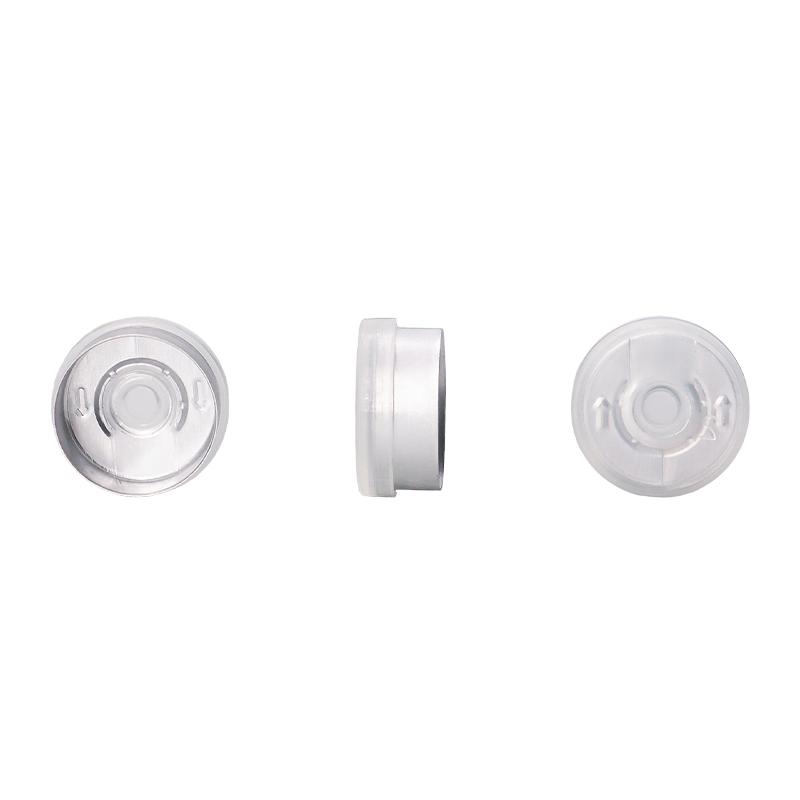
A flip off cap is a combination aluminum-plastic closure used to seal pharmaceutical vials. It consists of an aluminum ferrule that crimps mechanically over the vial neck and rubber stopper, and a central plastic button — typically polypropylene — that the user flips off to expose the rubber septum for needle insertion. The plastic button provides tamper evidence and clean-surface access; the aluminum shell provides the structural seal and tamper-evident crimped retention.
This combination design is the global standard for injectable drug products, vaccine vials, lyophilized biologics, and multi-dose liquid formulations. According to the World Health Organization (WHO), over 8 billion vial closures are used globally each year in injectable drug manufacturing, with flip off aluminum-plastic caps representing the dominant closure format in both human and veterinary pharmaceutical applications. (Source: WHO Technical Report Series, No. 1025, Annex 2, 2021)
The consequences of an incorrect cap specification are significant: inadequate seal integrity allows microbial ingress; wrong diameter causes crimping failure or post-crimp movement; incompatible materials cause extractables that contaminate the drug product; non-compliant caps fail regulatory audits in major markets including the FDA, EMA, and NMPA.
Factor One: Vial Neck Finish Diameter
The most fundamental specification is the vial neck finish diameter. The flip off cap must match the vial neck precisely — the aluminum ferrule is crimped under the vial bead, and any mismatch in diameter causes either incomplete crimp engagement (leak risk) or over-crimping that distorts the ferrule and compromises the seal.
Standard Diameters and Their Applications
| Ferrule Diameter | Typical Vial Volume Range | Common Application |
|---|---|---|
| 13 mm | 1 ml to 10 ml | Single-dose injectables, vaccines, ophthalmic preparations |
| 20 mm | 5 ml to 100 ml | Multi-dose vaccines, lyophilized biologics, antibiotics |
| 28 mm | 50 ml to 250 ml | Large-volume injectables, veterinary formulations |
| 32 mm | 100 ml to 500 ml | Bulk veterinary injectables, large-volume infusion preparations |
Diameter specifications follow ISO 8362-6 for injection vials and ISO 8536 for infusion preparations. Always confirm the exact vial manufacturer's neck finish drawing before specifying cap diameter — nominal diameter and actual finish dimensions vary slightly between vial manufacturers and must be validated in combination. (Source: ISO 8362-6:2020, Injection Containers and Accessories — Aluminium Caps for Injection Vials)
Factor Two: Material Compatibility with the Drug Product
Flip off caps contact the drug product indirectly — through the rubber stopper that the aluminum ferrule retains and that the plastic button exposes. However, the materials of both the aluminum shell and the plastic button must still be evaluated for extractables and leachables that can migrate into the drug product under storage conditions.
Aluminum Ferrule Material Standards
The aluminum alloy used in pharmaceutical flip off caps must comply with the relevant pharmacopeial standards for heavy metal content and surface treatment. The most widely specified standard is USP Class VI for primary packaging materials in contact with injectable drug products, combined with compliance to:
- European Pharmacopoeia (Ph. Eur.) Chapter 3.2.5 — Containers for Preparations Not for Parenteral Use (aluminum closures)
- United States Pharmacopeia (USP) Chapter 660 — Containers — Glass (associated closure requirements)
- Chinese Pharmacopoeia (ChP) Volume IV — Standards for Pharmaceutical Packaging Materials
The aluminum surface is typically coated or lacquered to prevent oxidation and contamination from direct handling. Specify lacquered or PVC-free coated ferrules for markets requiring restricted substance compliance, particularly the EU where PVC-containing pharmaceutical packaging requires specific justification under EMA guidance. (Source: EMA Guideline on Plastic Immediate Packaging Materials, EMEA/CHMP/QWP/4359/03 Rev 1)
Plastic Button (Polypropylene) Specifications
The flip-off plastic button is injection-molded from pharmaceutical-grade polypropylene (PP). Requirements include:
- Pharmaceutical-grade resin: PP compliant with Ph. Eur. 3.1.6 (Polypropylene for Containers and Closures) or equivalent USP specification
- No recycled content: Virgin resin only in primary pharmaceutical packaging to ensure consistent extractable profile
- Colorant compliance: Any pigment used for color coding must be inorganic or meet specific migration limits under EU Regulation 10/2011 on plastic materials in contact with food (applied by analogy to pharmaceutical packaging)
Factor Three: Seal Integrity Requirements
A flip off cap must maintain container closure integrity (CCI) through filling, sterilization, storage, and distribution — including temperature cycling from cold chain storage (-20 to +8 degrees Celsius for some biologics) through to ambient distribution temperatures of up to 40 degrees Celsius. The key seal integrity parameters to specify and validate are:
Crimp Height and Residual Seal Force
After crimping, the ferrule applies a defined compressive force to the rubber stopper — the Residual Seal Force (RSF). The correct RSF window ensures the stopper is compressed sufficiently to maintain a gas-tight seal without over-compressing to the point of permanent deformation that would weaken the seal over time. According to USP Chapter 1207 on Container Closure Integrity, RSF values for standard 20 mm vials typically fall between 30 and 70 Newtons for acceptable CCI across the storage life of most injectable products. (Source: USP Chapter 1207, Package Integrity Evaluation — Sterile Products)
Aluminum Hardness and Temper Grade
The aluminum alloy temper grade determines how the ferrule deforms during crimping. The standard for pharmaceutical flip off caps is aluminum alloy 8011 or 1100 series at H14 or H16 temper, which provides the combination of formability during crimping and spring-back resistance needed to maintain the crimp geometry under temperature cycling. Softer tempers crimp cleanly but may relax under cold storage; harder tempers require higher crimping force and risk ferrule cracking. (Source: ASTM B209, Standard Specification for Aluminum and Aluminum-Alloy Sheet and Plate)
Factor Four: Sterilization Compatibility
The sterilization method used in your filling process determines critical cap specifications. Three main sterilization routes apply to flip off caps in pharmaceutical manufacturing:
| Sterilization Method | Cap Material Requirement | Temperature Limit | Common Use Case |
|---|---|---|---|
| Gamma irradiation | Radiation-stable PP grade; aluminum unaffected | No temperature concern | Pre-sterilized caps for aseptic filling lines |
| Ethylene oxide (EtO) | EtO-permeable packaging required; low residual EtO spec | Under 60 degrees Celsius | Heat-sensitive drug products |
| Steam autoclave (terminal sterilization) | PP must withstand 121 degrees Celsius, 15 minutes | 121 to 134 degrees Celsius | Terminally sterilized aqueous injectables |
For gamma irradiation, confirm that the PP resin grade is stabilized against radiation-induced oxidation — standard PP without antioxidant stabilization yellows and becomes brittle at doses above 15 kGy, which falls within the standard pharmaceutical sterilization range of 25 to 50 kGy. Request a certificate of irradiation compatibility from the cap manufacturer specifying the maximum dose and color stability. (Source: ISO 11137-1:2006, Sterilization of Health Care Products — Radiation)
Factor Five: Color Coding and Identification
Color coding of flip off cap plastic buttons is a well-established pharmaceutical practice for rapid visual identification of product strength, formulation type, or pack size at both the dispensing and administration stages. Selecting the correct color system requires coordination across several requirements:
- Internal SOP consistency: Match the color allocation to your existing product identification system across all vial sizes and formulations to avoid cross-contamination risk at dispensing
- Market regulatory requirements: Some national medicines authorities publish guidance or mandatory color coding requirements for specific drug classes. Confirm the applicable requirements in each target market before freezing the color specification
- Color stability through sterilization: Confirm that the specified pigment maintains its color identity through the chosen sterilization process — gamma irradiation in particular can cause visible color shift in some pigment systems, making post-sterilization visual inspection unreliable
- Minimum order quantities per color: If multiple colors are required across product variants, confirm minimum order quantities and lead times for each color to avoid supply chain constraints during product launch
The standard color range for pharmaceutical flip off caps includes red, blue, green, yellow, orange, purple, grey, and white, with custom colors available from established manufacturers for product differentiation requirements.
Regulatory Compliance Requirements by Market
Regulatory compliance of the flip off cap is a non-negotiable prerequisite in every major pharmaceutical market. The required documentation and testing vary by market:
| Market | Key Standard or Regulation | Required Documentation |
|---|---|---|
| USA (FDA) | USP 660, USP 1207, 21 CFR 211.94 | Drug Master File (DMF) for packaging, CCI validation data |
| European Union (EMA) | Ph. Eur. 3.2.5, EMA packaging guidelines | Certificate of Conformity, extractables/leachables data |
| China (NMPA) | ChP Volume IV, YBB standards for pharmaceutical packaging | Registration certificate for packaging material (YBB registration) |
| WHO prequalification | WHO Technical Report Series Annexes | Packaging qualification data, supplier audit certificates |
| Japan (PMDA) | JP (Japanese Pharmacopoeia) packaging standards | Conformance certificate and material test reports |
A reliable cap supplier should provide a Drug Master File (DMF) or Letter of Access to an existing DMF for submissions to FDA-regulated markets, and a Certificate of Conformity to Ph. Eur. standards for EMA markets. Suppliers who cannot provide these documents present a significant regulatory risk regardless of their manufacturing capability.
Choosing a Reliable Flip Off Cap Supplier
The specifications above only deliver value if the manufacturing processes behind them are consistent. When evaluating a flip off cap supplier, assess these operational factors alongside product specifications:
- GMP certification: Pharmaceutical packaging manufacturing under ISO 15378 (Primary Packaging Materials for Medicinal Products) or equivalent GMP standard is the minimum acceptable quality system for flip off cap suppliers
- Manufacturing scale and capacity: Confirm that the supplier's annual capacity comfortably exceeds your projected volume to ensure supply security during demand peaks or market launches
- Cleanroom production environment: Flip off caps for aseptic filling applications must be produced in classified cleanroom conditions (ISO Class 7 or better for final assembly and packaging) to meet the particulate and bioburden specifications required before sterilization
- In-process quality control: Confirm that 100% dimensional inspection and statistical process control (SPC) are applied to critical dimensions including ferrule diameter, height, and plastic button integrity, with AQL sampling per ISO 2859-1 for visual defects
- Supply chain traceability: Full material traceability from aluminum coil and PP resin to finished cap batch is required for regulatory compliance and root cause investigation of any field quality event
Jiangsu Changjiang Lids Co., Ltd. has specialized in pharmaceutical packaging manufacturing since 2000, with over two decades of production experience in flip off caps and aluminum-plastic closures. Based in Yangzhong, Jiangsu Province — the center of the Yangtze River Delta industrial corridor — the company operates across a 20,000 square meter facility with a registered capital of 45.68 million yuan. Their aluminum-plastic flip off cap range covers standard diameters from 13 mm to 32 mm in multiple colors and material configurations, supported by the regulatory documentation and quality certifications required for major global pharmaceutical markets.
Flip Off Cap Selection Checklist
Use this checklist when specifying a flip off cap for a new product or supplier qualification:
| Selection Factor | Key Question to Answer | Typical Options |
|---|---|---|
| Ferrule diameter | What is the vial neck finish diameter per the vial drawing? | 13 mm, 20 mm, 28 mm, 32 mm |
| Aluminum alloy and temper | Does the alloy meet Ph. Eur. and USP specifications? | Alloy 8011 or 1100, H14 or H16 temper |
| Plastic button material | Is the PP grade pharmaceutical-grade, virgin resin? | PP compliant with Ph. Eur. 3.1.6 |
| Surface treatment | Is the ferrule lacquered or PVC-free coated? | Lacquered, PVC-free coated, plain |
| Sterilization compatibility | What sterilization method will be used? | Gamma, EtO, steam autoclave |
| Color | What color coding is required for product identification? | Red, blue, green, yellow, orange, purple, grey, white, custom |
| Regulatory documentation | Which markets require DMF, CoC, or YBB registration? | FDA DMF, Ph. Eur. CoC, NMPA YBB, WHO prequalification |
| Supplier GMP status | Is the supplier certified to ISO 15378 or equivalent? | ISO 15378, GMP audit certificate |
The bottom line: selecting the right flip off cap is a structured specification process, not a commodity purchasing decision. Matching diameter, material, sterilization compatibility, and regulatory documentation to your specific vial, drug product, and target market eliminates the most common causes of closure failure, contamination risk, and regulatory rejection before they can affect your product quality or launch timeline.
Related products
-

A specialized sealing cap designed for oral liquids. It features an easy-tear design on the aluminum cap, allowing users to open it quickly and reliably, with a near 100% opening success rate. Key App...
View More -
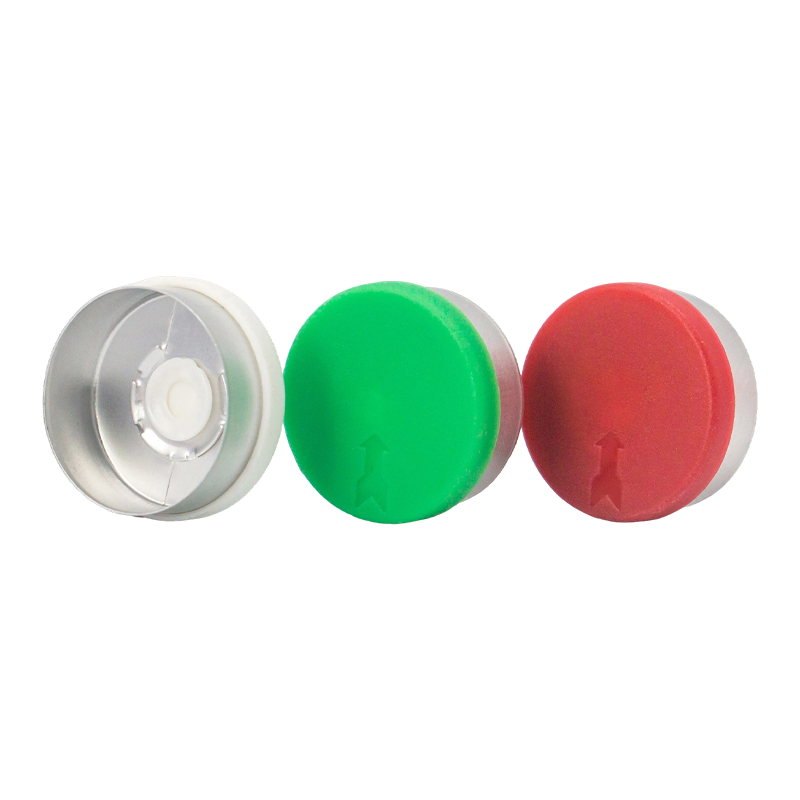
A specialized sealing cap designed for pharmaceutical injection vials. It features an easy-tear design on the aluminum cap, allowing users to open it quickly and reliably, with a near 100% opening suc...
View More -
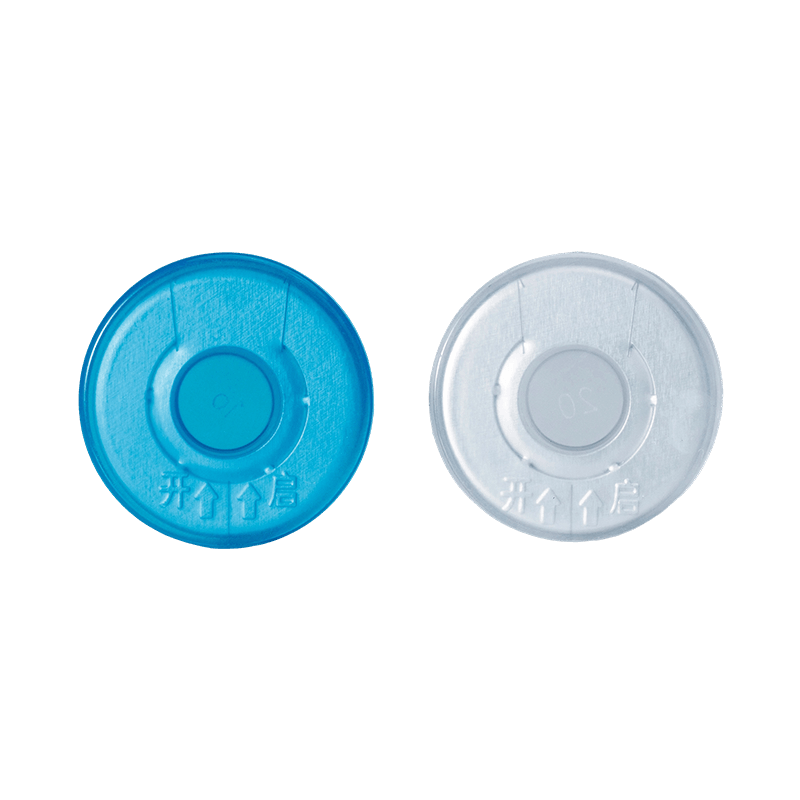
A specialized sealing cap designed for pharmaceutical infusion bottles. It features an easy-tear design on the aluminum cap, allowing users to open it quickly and reliably, with a near 100% opening su...
View More -
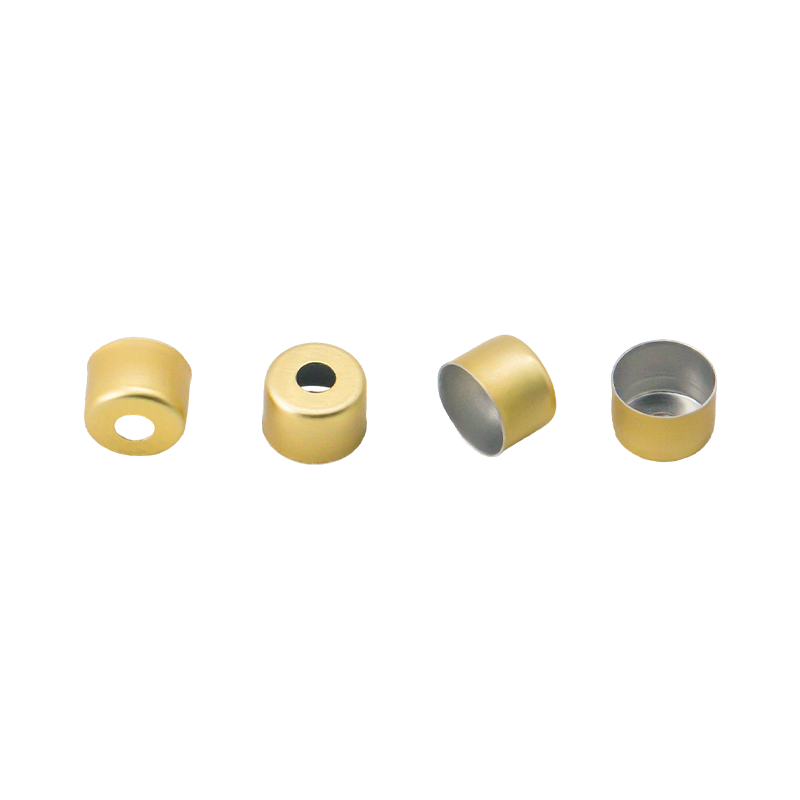
A precision sealing solution designed for cartridge-based drug delivery systems, such as pre-filled syringes and pen injectors. It ensures sterile integrity and safe, reliable needle access for inject...
View More -
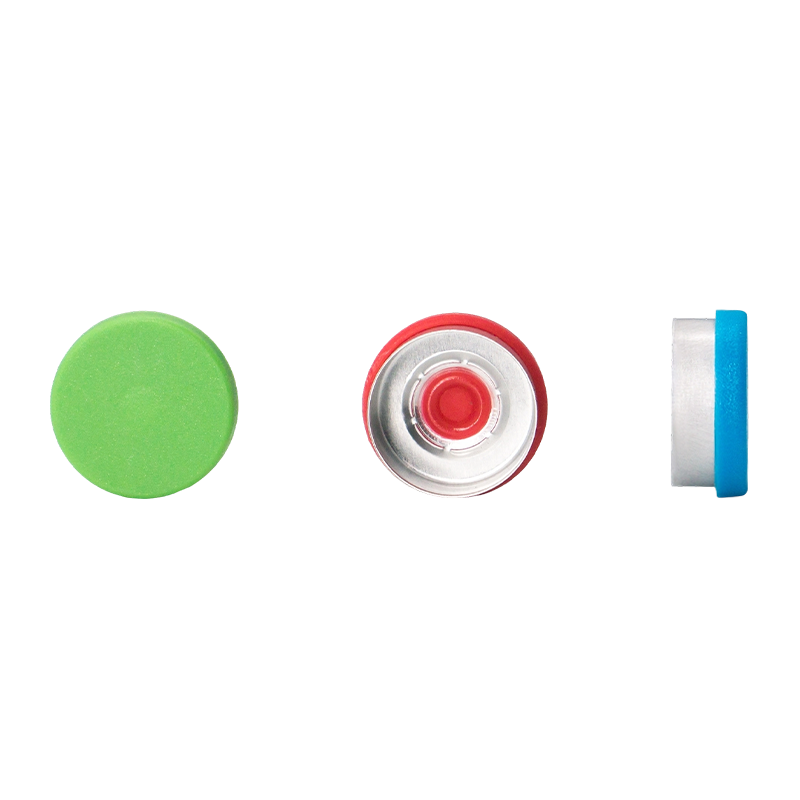
A specialized sealing cap designed for oral liquids, consisting of a bridge-type aluminum cap and a plastic cap. ZB structural design offers the advantage of low opening force, and upon removal of th...
View More -
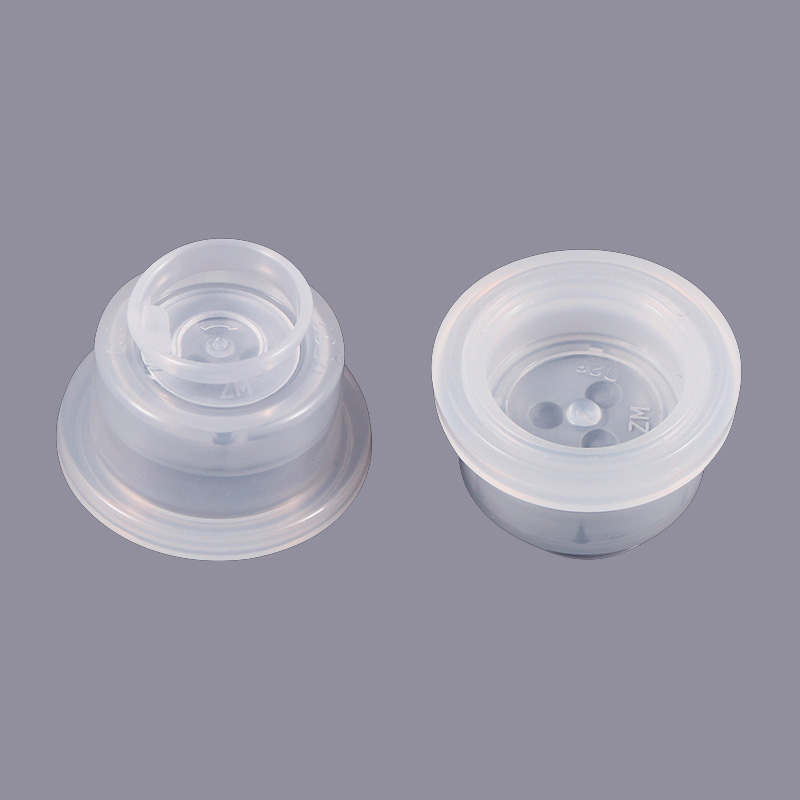
A standardized pull-ring polypropylene cap designed for infusion and solution bottles. This tamper-evident solution ensures reliable closure and provides an integrated pull-ring for safe, tool-free ac...
View More
-
Get In Touch
 +86 511 8813 2922
 +86 139 5290 2286
 lilian@changjianglids.com
 No. 1 Mingzhu Road, Youfang Industrial Park, Yangzhong City, Zhenjiang, Jiangsu, China
The information provided on this website is intended for use only in countries and jurisdictions outside of the People's Republic of China.
No. 1 Mingzhu Road, Youfang Industrial Park, Yangzhong City, Zhenjiang, Jiangsu, China
The information provided on this website is intended for use only in countries and jurisdictions outside of the People's Republic of China. -
Product
Aluminum-Plastic Caps Aluminum Caps Euro PP Caps PP Containers for Contact Lens with Foil Seal Plastic Hanger for Infusion Bottle Plastic Jerry Can -
WhatsApp
Chris

-
WeChat
Lilian

Copyright © 2025 Jiangsu Changjiang Lids Co., Ltd. All Rights Reserved.
OEM Pharmaceutical Packaging Manufacturer
Pharmaceutical Cap Supplier
