
 English
 русский
 简体中文
简体中文


Home / News / Industry News / What are the advantages of using aluminum-plastic caps?
What are the advantages of using aluminum-plastic caps?
2026.04.03
Content
- 1 Excellent Sealing Performance
- 2 Built-In Tamper-Evidence
- 3 Lightweight Without Sacrificing Strength
- 4 Corrosion Resistance and Chemical Compatibility
- 5 Ease of Automation and High-Speed Production Compatibility
- 6 Branding and Customization Flexibility
- 7 Aluminum-Plastic Caps vs. Alternative Closure Types
- 8 Industries That Rely on Aluminum-Plastic Caps
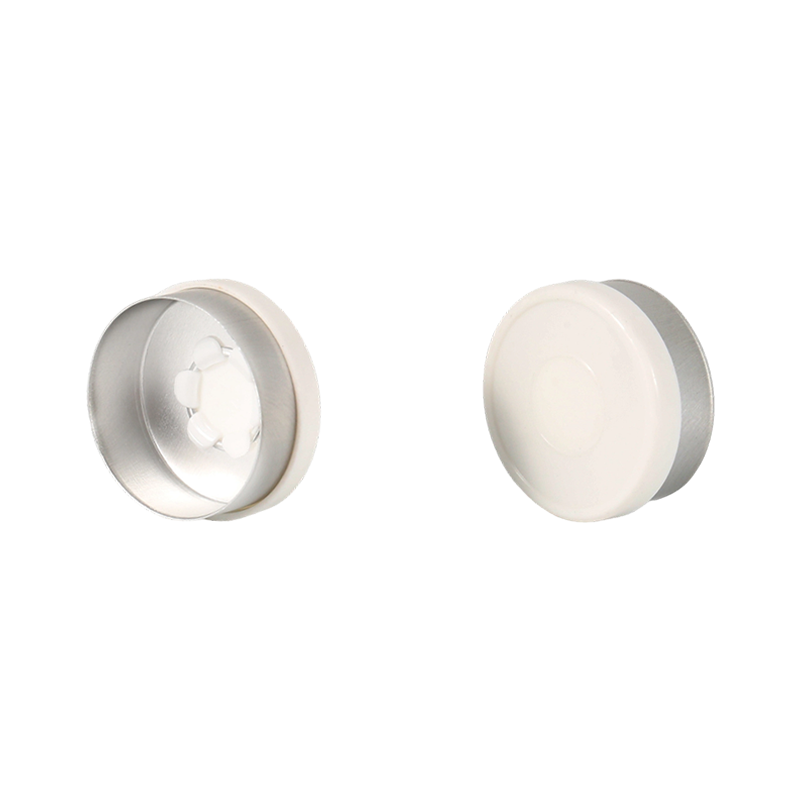
Aluminum-plastic caps combine the structural rigidity of aluminum with the flexibility and chemical resistance of plastic to deliver a closure solution that outperforms either material alone. Their primary advantages are superior sealing integrity, tamper-evidence, lightweight construction, corrosion resistance, and broad compatibility with pharmaceutical, beverage, and cosmetic packaging. In industries where contamination risk is critical, the combination material also eliminates the galvanic and chemical incompatibilities that can occur when pure metal caps contact certain product formulations.
Excellent Sealing Performance
The inner plastic liner of an aluminum-plastic cap forms a tight, conforming seal against the bottle or vial neck — adapting to minor surface irregularities that would allow leakage under a rigid metal-only closure. This combination achieves sealing reliability rated to withstand internal pressures of up to 0.5–1.0 MPa in standard pharmaceutical vial applications, preventing contamination from oxygen, moisture, and microbial ingress.
In injectable drug packaging — one of the most demanding sealing applications — aluminum-plastic caps with integrated rubber stoppers provide the hermetic seal required by pharmacopoeial standards including USP, EP, and JP. The aluminum shell crimps tightly over the stopper to lock the seal in place, while the plastic flip-top allows needle access without removing the entire closure.
Built-In Tamper-Evidence
Aluminum-plastic caps are inherently tamper-evident. The aluminum outer shell deforms permanently when opened, providing clear visual evidence of any unauthorized access to the container. This is a mandatory requirement in pharmaceutical packaging under regulations such as the FDA 21 CFR Part 211 and EU GMP Annex 1, and is increasingly expected in premium cosmetic and nutraceutical products.
Unlike pure plastic snap-caps that can be resealed, a crimped aluminum-plastic cap cannot be restored to its original appearance after opening — giving end users and supply chain auditors immediate confidence in product integrity.
Lightweight Without Sacrificing Strength
Aluminum-plastic caps weigh significantly less than solid metal closures while retaining the structural strength needed to protect the seal during transport and handling. A standard 20 mm aluminum-plastic vial cap weighs approximately 1.5–2.5 grams — compared to 4–6 grams for an equivalent all-metal cap. At production scale, this weight reduction translates to meaningful savings in shipping costs and material consumption across millions of units.
Corrosion Resistance and Chemical Compatibility
The plastic inner component shields the aluminum shell from direct contact with the product, preventing corrosion reactions between the metal and acidic, alkaline, or salt-containing formulations. This makes aluminum-plastic caps suitable for a wider range of products than pure aluminum closures, including:
- Aqueous pharmaceutical solutions with pH ranges from 3 to 9
- Alcohol-based antiseptics and disinfectants
- Cosmetic serums, toners, and emulsions
- Nutraceutical liquids and vitamin supplements
- Specialty food and beverage products in glass or PET containers
Ease of Automation and High-Speed Production Compatibility
Aluminum-plastic caps are designed for compatibility with automated capping and crimping equipment. Their uniform geometry and consistent mechanical properties enable reliable high-speed application at rates exceeding 300 units per minute on standard pharmaceutical filling lines. The plastic flip-top component also allows robotic needle insertion without manual decapping — a requirement for automated aseptic filling in modern vial production.
Branding and Customization Flexibility
The aluminum surface of the cap accepts a wide range of decorative and identification treatments, making it a valuable branding asset for premium products:
- Color anodizing or painting — enables product line differentiation and brand color matching
- Embossing and debossing — adds tactile texture and premium aesthetic value
- Hot stamping and screen printing — applies logos, lot numbers, and regulatory information directly to the cap surface
- Laser engraving — for permanent, tamper-resistant identification markings
The plastic flip-top can be produced in a full range of colors to create visually distinctive packaging hierarchies — for example, using different flip-top colors to distinguish dosage strengths or product variants within a pharmaceutical range.
Aluminum-Plastic Caps vs. Alternative Closure Types
| Property | Aluminum-Plastic Cap | All-Aluminum Cap | All-Plastic Cap |
|---|---|---|---|
| Sealing reliability | Excellent | Good | Moderate |
| Tamper-evidence | High (non-resealable crimp) | High | Low–medium |
| Corrosion resistance | High (plastic liner protects) | Medium | High |
| Branding options | Extensive | Good | Limited |
| Weight | Light | Medium | Lightest |
| Premium appearance | High | High | Low–medium |
Industries That Rely on Aluminum-Plastic Caps
The combination of sealing performance, tamper-evidence, and customization flexibility makes aluminum-plastic caps a standard closure choice across several regulated and premium industries:
- Pharmaceutical: injectable vials, infusion bottles, lyophilized drug products, and veterinary medicines
- Cosmetics and personal care: serum vials, toner bottles, and premium skincare packaging where a metallic closure signals quality
- Nutraceuticals and supplements: liquid vitamin preparations, herbal extracts, and health drink concentrates
- Beverages: premium spirits, wines, and specialty non-alcoholic drinks in glass bottles
- Laboratory and diagnostic products: reagent vials and sample collection containers requiring hermetic sealing
Related products
-
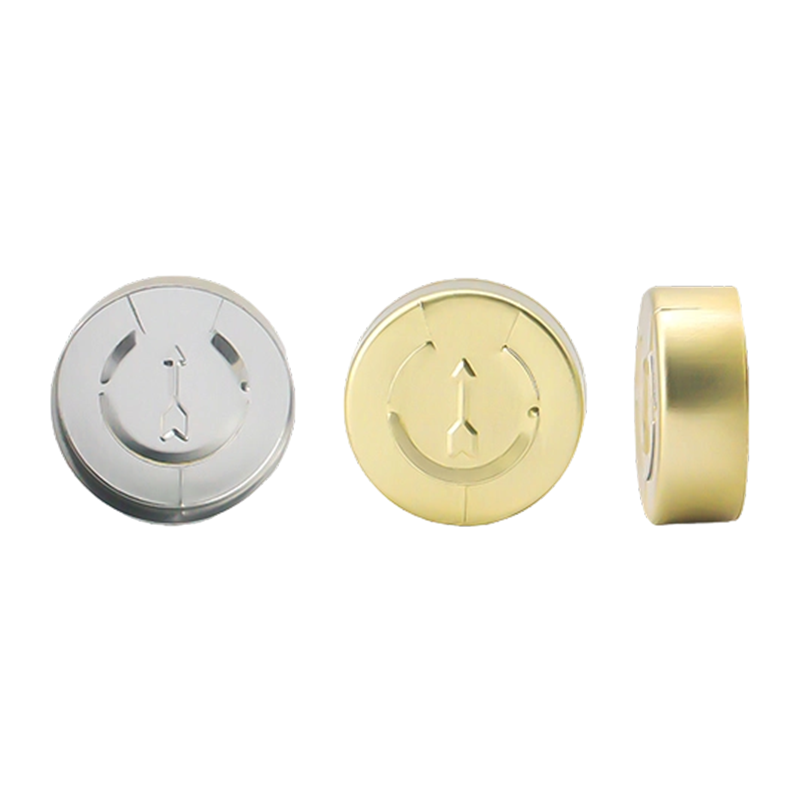
A tamper-evident aluminum seal for complete removal. It features a pre-scored tear-off line for easy opening: simply pull the tab to tear the entire cap off cleanly along the scored line, allowing for...
View More -
A durable and portable liquid storage solution designed for safe transportation and handling of non-hazardous to semi-hazardous fluids. It ensures secure containment, easy pouring, and reliable perfor...
View More -
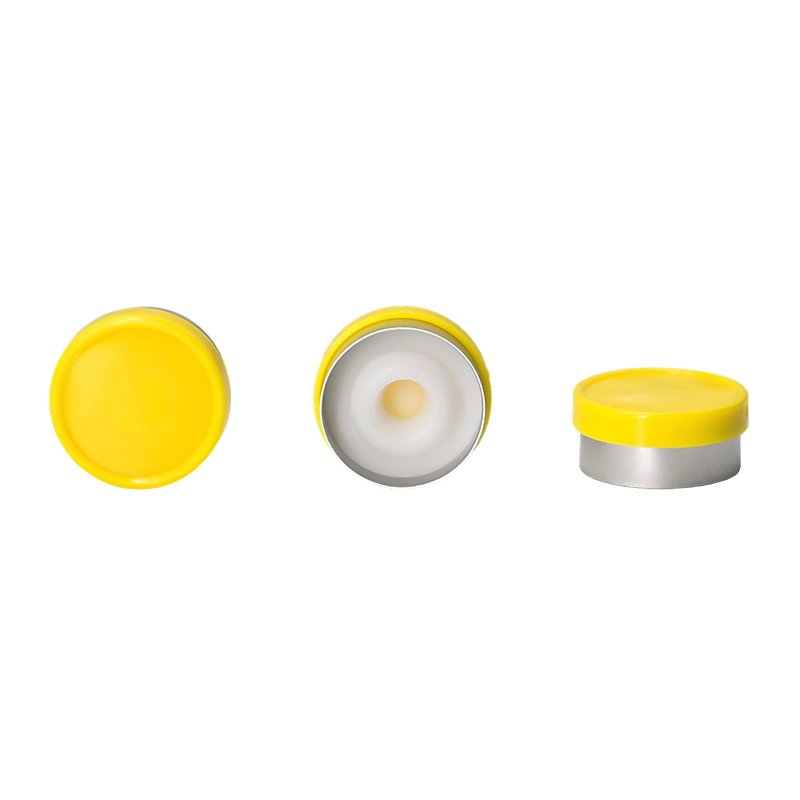
A secure and user-friendly sealing solution designed specifically for oral liquids. It ensures reliable product integrity, leak-proof performance, and compliance with safety standards. Featuring a flo...
View More -
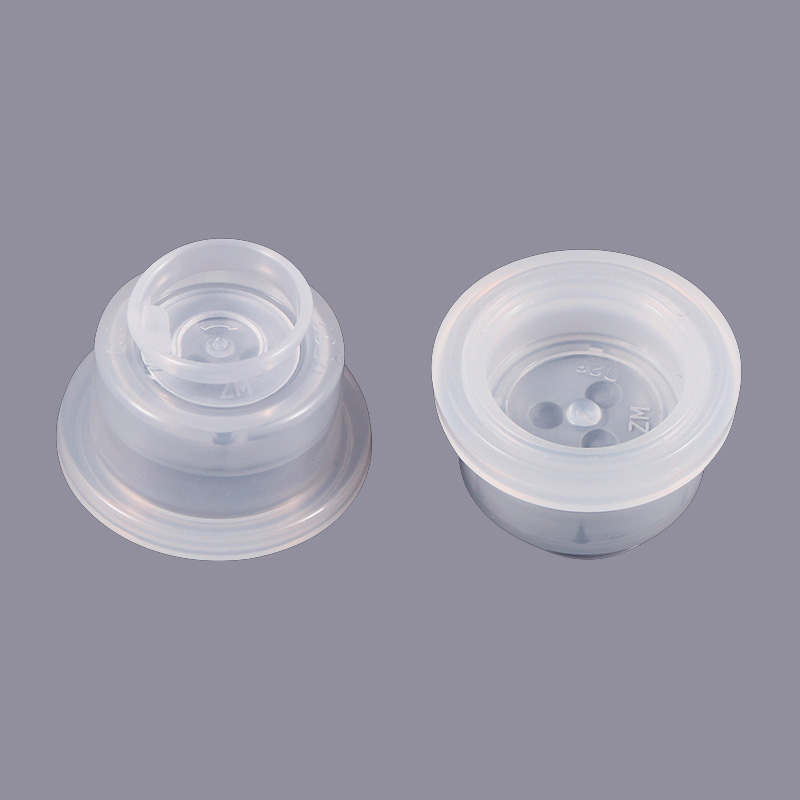
A standardized pull-ring polypropylene cap designed for infusion and solution bottles. This tamper-evident solution ensures reliable closure and provides an integrated pull-ring for safe, tool-free ac...
View More -

A reliable and tamper-evident sealing solution designed for standard injection vials. It ensures container seal integrity and safe needle access for liquid medications. A professional sealing componen...
View More -
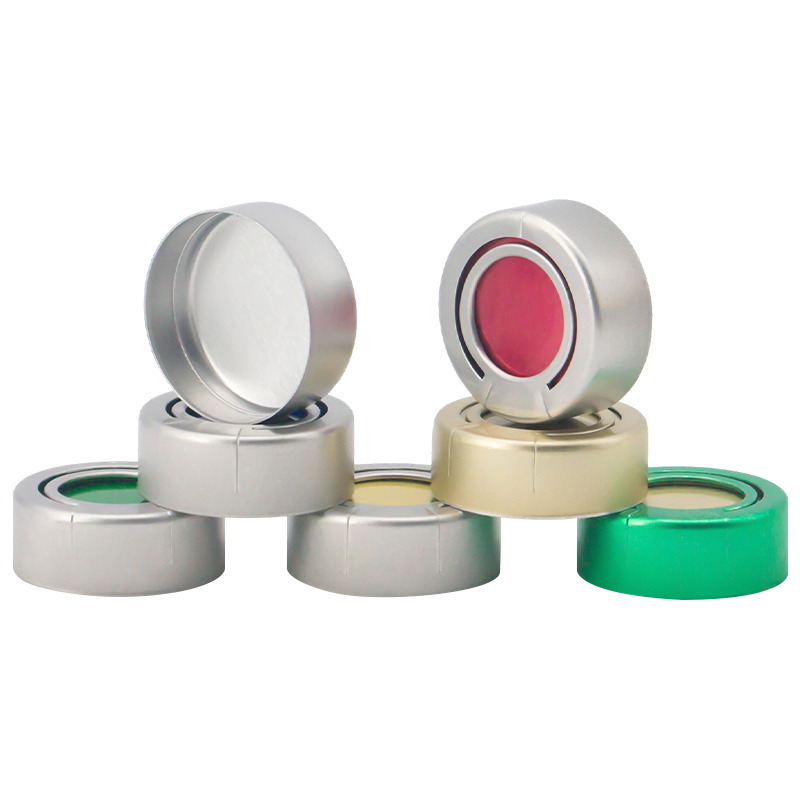
A tamper-evident aluminum seal designed for injection vials. It features an integrated pull-ring that, when pulled, removes the entire aluminum cap cleanly from the vial neck, leaving the rubber stopp...
View More
-
Get In Touch
 +86 511 8813 2922
 +86 139 5290 2286
 lilian@changjianglids.com
 No. 1 Mingzhu Road, Youfang Industrial Park, Yangzhong City, Zhenjiang, Jiangsu, China
The information provided on this website is intended for use only in countries and jurisdictions outside of the People's Republic of China.
No. 1 Mingzhu Road, Youfang Industrial Park, Yangzhong City, Zhenjiang, Jiangsu, China
The information provided on this website is intended for use only in countries and jurisdictions outside of the People's Republic of China. -
Product
Aluminum-Plastic Caps Aluminum Caps Euro PP Caps PP Containers for Contact Lens with Foil Seal Plastic Hanger for Infusion Bottle Plastic Jerry Can -
WhatsApp
Chris

-
WeChat
Lilian

Copyright © 2025 Jiangsu Changjiang Lids Co., Ltd. All Rights Reserved.
OEM Pharmaceutical Packaging Manufacturer
Pharmaceutical Cap Supplier
