
 English
 русский
 简体中文
简体中文


Home / News / Industry News / What are Euro PP Caps?
What are Euro PP Caps?
2026.03.27
Content
- 1 What "Euro Standard" Means for PP Pharmaceutical Caps
- 2 Two Main Types of Euro PP Caps
- 3 Comparison of Pull-Ring and Dual-Port Euro PP Cap Designs
- 4 Why Polypropylene Is the Material of Choice for Euro Pharmaceutical Caps
- 5 Applications of Euro PP Caps in Pharmaceutical and Clinical Settings
- 6 Quality Standards and Testing Requirements
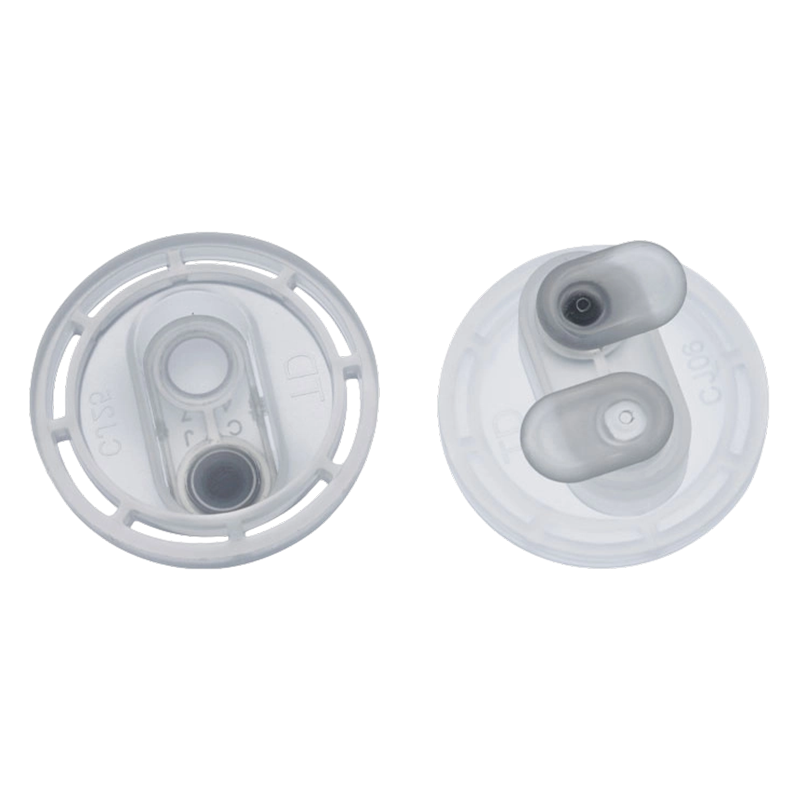
Euro PP caps — short for European-standard polypropylene caps — are pharmaceutical-grade polypropylene closures designed to seal infusion bottles, oral liquid bottles, and other pharmaceutical containers in compliance with European pharmacopoeial and packaging standards. They are molded from medical-grade polypropylene (PP), a material selected for its chemical inertness, heat resistance, and compatibility with pharmaceutical contents and sterilization processes. Euro PP caps are available in two main designs: the pull-ring Euro PP cap , which incorporates a tamper-evident pull ring, and the dual-port Euro PP cap, which provides two access ports for infusion set connection and drug addition — both widely used in hospital pharmacy and intravenous (IV) therapy settings.
What "Euro Standard" Means for PP Pharmaceutical Caps
The "Euro" designation in Euro PP caps refers to conformance with European pharmaceutical packaging standards — primarily the requirements of the European Pharmacopoeia (EP) and associated EN/ISO standards governing primary pharmaceutical packaging materials. These standards define acceptable material specifications, dimensional requirements, performance criteria, and testing protocols that caps must meet before they can be used in contact with pharmaceutical products sold or manufactured in European and internationally regulated markets.
For polypropylene pharmaceutical closures, the relevant European Pharmacopoeia chapters include requirements for:
- Material purity: The PP resin must not contain additives, plasticizers, or colorants that could leach into the pharmaceutical product at levels exceeding defined safety thresholds
- Biological safety: The material must pass cytotoxicity, sensitization, and systemic toxicity tests to confirm it is safe for contact with pharmaceutical products intended for human administration
- Chemical resistance: The cap must not interact chemically with the pharmaceutical contents, absorb active ingredients, or release extractable substances at concentrations that could affect product efficacy or patient safety
- Dimensional conformance: Cap dimensions must be controlled to fit standardized European infusion bottle neck finishes precisely — enabling reliable sealing on high-speed pharmaceutical filling and capping lines
Two Main Types of Euro PP Caps
The two principal Euro PP cap designs — pull-ring and dual-port — address different clinical use scenarios while sharing the same pharmaceutical-grade polypropylene material base and European standard compliance.
Pull-Ring Euro PP Cap
The pull-ring Euro PP cap incorporates an integrated tamper-evident pull ring or tear tab that must be physically removed before the bottle can be accessed. This ring is molded as part of the cap body in a single piece and is connected to the main cap body by a thin frangible bridge that breaks cleanly when the ring is pulled.
The primary function of the pull ring is tamper evidence — it provides immediate, unambiguous visual confirmation that the bottle has not been previously opened or tampered with. Once the ring is pulled, it cannot be reattached, making any prior access to the bottle immediately visible to the healthcare professional preparing the infusion. This feature is essential for patient safety in clinical settings where the integrity of IV infusion solutions must be verifiable at the point of administration.
After the ring is removed, the underlying rubber stopper in the bottle neck is exposed and accessible for penetration by an infusion set spike. The PP cap body remains crimped or snapped onto the bottle neck, continuing to hold the stopper securely in position during use.
Dual-Port Euro PP Cap
The dual-port Euro PP cap features two separate access ports integrated into a single cap body — one port for connecting the infusion administration set (the spike port) and a second port for adding drugs or other solutions to the infusion bottle (the additive port).
Each port is sealed by a separate rubber septum beneath the PP cap body. The dual-port design allows:
- Simultaneous drug addition and infusion: A nurse or pharmacist can add a medication through the additive port using a needle or needleless connector while the infusion set is already connected and running through the spike port — without interrupting the infusion or breaking the closed-system seal
- Closed-system drug transfer: The additive port's rubber septum reseals after needle withdrawal, maintaining the sterile barrier and preventing contamination of the bottle contents between additions
- Compatibility with standard infusion equipment: Both ports are dimensioned to accept standard infusion set spikes and standard needle gauges used in clinical practice, requiring no special equipment or adaptors
Dual-port caps are particularly widely used on large-volume parenteral (LVP) solutions — such as saline, glucose, and electrolyte solutions in 250mL, 500mL, and 1,000mL infusion bottles — where drug addition to the base solution immediately before or during infusion is a standard clinical practice in both hospital ward and ICU settings.
Comparison of Pull-Ring and Dual-Port Euro PP Cap Designs
| Feature | Pull-Ring Euro PP Cap | Dual-Port Euro PP Cap |
|---|---|---|
| Number of access ports | One (after ring removal) | Two (spike + additive) |
| Tamper evidence | Integral pull ring — visibly broken on first opening | Port covers or color-coded indicators |
| Drug addition during infusion | Requires pausing infusion or using Y-site | Yes — via dedicated additive port |
| Typical application | Standard IV infusions, oral liquids | LVP solutions, compound infusions, ICU/ward use |
| Sterility maintenance after opening | Single-use stopper penetration | Resealable additive port maintains sterility between additions |
| Design complexity | Simpler — single-piece with integrated ring | More complex — dual septum, two-port geometry |
Why Polypropylene Is the Material of Choice for Euro Pharmaceutical Caps
Polypropylene is selected over other plastics for Euro pharmaceutical caps because its combination of properties uniquely suits the demanding requirements of pharmaceutical primary packaging.
- Chemical inertness: Medical-grade PP does not react with the broad range of pharmaceutical formulations — aqueous solutions, electrolytes, glucose, amino acids, lipid emulsions — that are contained in infusion bottles sealed by these caps. It shows minimal extractables and leachables, protecting drug product purity
- Steam sterilization compatibility: PP withstands autoclave sterilization at 121°C without deformation, dimensional change, or loss of mechanical properties — a critical requirement for caps on infusion bottles that are terminally sterilized after filling and sealing
- Moisture barrier: PP has very low water vapor transmission rate (WVTR), limiting moisture exchange between the bottle interior and the external environment and protecting moisture-sensitive pharmaceutical formulations during storage
- Moldability and dimensional precision: PP can be injection-molded to the tight dimensional tolerances required for consistent, reliable fitting onto standardized bottle neck finishes at production rates of hundreds of units per minute on automated pharmaceutical filling lines
- Color coding capability: PP accepts a wide range of pharmaceutical-grade colorants, enabling the color coding of caps by product type, concentration, or therapeutic category — an important safety feature that supports rapid, accurate product identification at the point of care
Applications of Euro PP Caps in Pharmaceutical and Clinical Settings
Euro PP caps are used across multiple pharmaceutical manufacturing and clinical application contexts, wherever European-standard pharmaceutical bottle closures are required.
Large-Volume Parenteral (LVP) Infusion Solutions
The dominant application for Euro PP caps is sealing large-volume IV infusion bottles — the glass or polypropylene bottles used to supply sodium chloride 0.9%, glucose 5%, Ringer's solution, and other base infusion fluids to hospitalized patients. These bottles are filled, sealed with a rubber stopper and Euro PP cap, and terminally sterilized before distribution to hospital pharmacies and wards. The Euro PP cap maintains the sterile barrier from the point of manufacture through to the patient's bedside.
Hospital Pharmacy Compounding
Hospital pharmacies preparing individually compounded IV admixtures — such as total parenteral nutrition (TPN) bags and customized antibiotic infusions — use Euro PP caps on the base solution bottles from which drugs are withdrawn and into which additional components are added. The dual-port cap design is particularly valuable in this setting, enabling aseptic drug addition without breaking the closed-system sterile environment of the base solution bottle.
Oral Liquid Pharmaceutical Products
Euro PP caps also seal oral liquid formulations — syrups, solutions, and suspensions — in glass bottles where the European standard closure system is specified. In this application, the pull-ring design provides tamper evidence visible to both pharmacist and patient, while the PP material provides the moisture and chemical barrier protection required to maintain oral liquid product stability throughout its shelf life.
Quality Standards and Testing Requirements
Euro PP caps supplied for pharmaceutical use must be manufactured under Good Manufacturing Practice (GMP) conditions and comply with a defined set of quality standards and release tests before they can be used in licensed pharmaceutical production.
- European Pharmacopoeia compliance (EP 3.1.6): The PP material must comply with EP chapter 3.1.6 on polypropylene for containers — covering identification, appearance, and extractables tests in water and simulated pharmaceutical solvents
- Dimensional testing: Each production batch is measured for critical dimensions — cap diameter, height, wall thickness, port dimensions — against a defined specification that ensures fit on the target bottle neck finish
- Pull-ring or tear strength testing: For pull-ring caps, the force required to remove the tamper-evident ring is measured — it must be high enough to resist accidental removal yet low enough for healthcare workers to open without difficulty or tools
- Autoclave resistance testing: Sample caps are subjected to standard sterilization cycles and inspected for dimensional change, discoloration, and mechanical degradation to confirm suitability for terminal sterilization processes
- Particulate cleanliness: Caps intended for use on parenteral products are rinsed and the rinse water is tested for visible and sub-visible particulate matter — particles ≥10μm and ≥25μm are counted and must comply with limits defined in USP <788> and EP 2.9.19
- Drug Master File (DMF) or Technical File registration: The cap manufacturer files documented evidence of manufacturing controls and material compliance with regulatory authorities as a prerequisite for customers to reference the cap in their pharmaceutical product registrations
Related products
-

A standardized dual-port polypropylene cap designed for infusion and solution bottles. This integrated solution ensures reliable closure and provides two distinct, self-sealing access points for safe ...
View More -
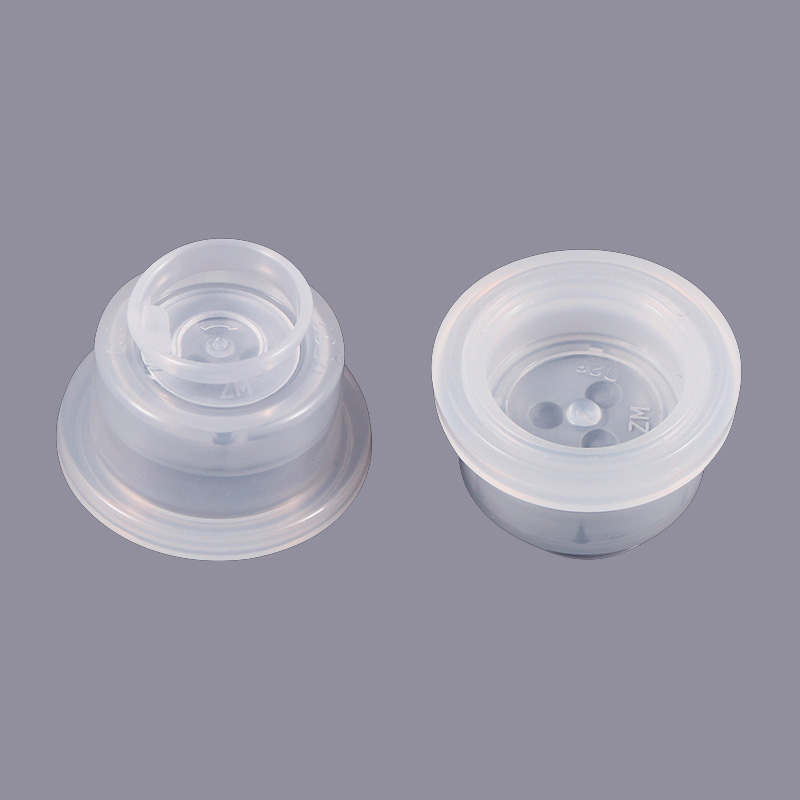
A standardized pull-ring polypropylene cap designed for infusion and solution bottles. This tamper-evident solution ensures reliable closure and provides an integrated pull-ring for safe, tool-free ac...
View More -
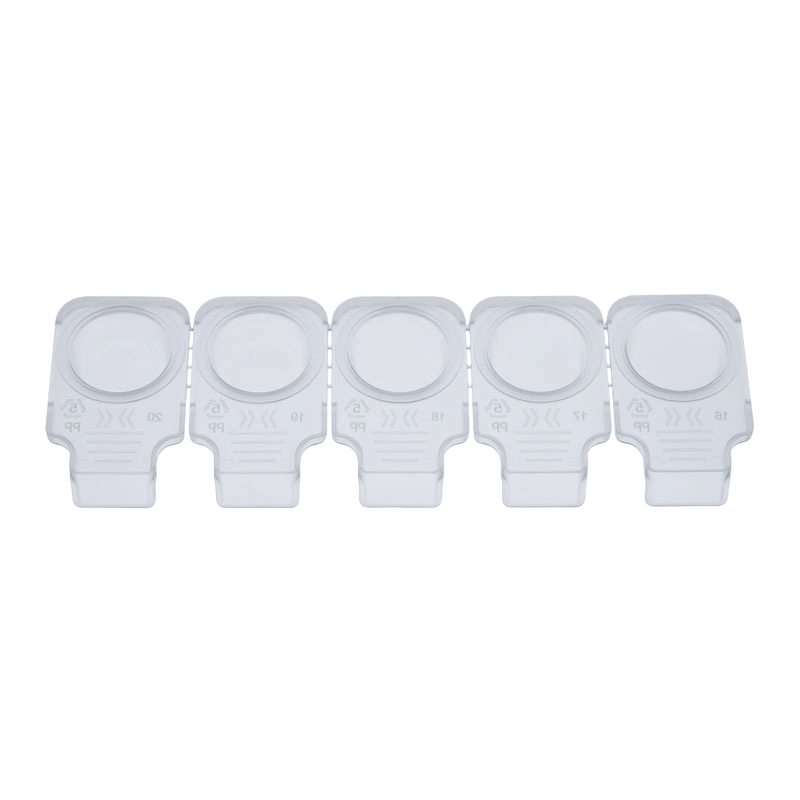
A protective and sterile packaging solution designed for contact lens storage. The polypropylene (PP) container with an integrated foil seal ensures product integrity, moisture retention, and contamin...
View More -
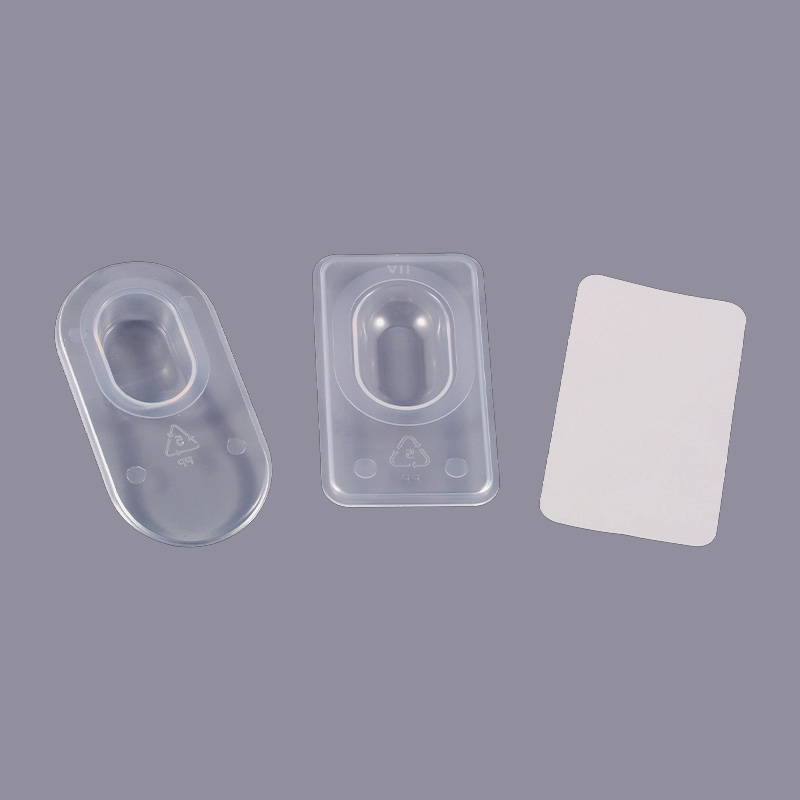
A protective and sterile packaging solution designed for contact lens storage. The polypropylene (PP) container with an integrated foil seal ensures product integrity, moisture retention, and contamin...
View More
-
Get In Touch
 +86 511 8813 2922
 +86 139 5290 2286
 lilian@changjianglids.com
 No. 1 Mingzhu Road, Youfang Industrial Park, Yangzhong City, Zhenjiang, Jiangsu, China
The information provided on this website is intended for use only in countries and jurisdictions outside of the People's Republic of China.
No. 1 Mingzhu Road, Youfang Industrial Park, Yangzhong City, Zhenjiang, Jiangsu, China
The information provided on this website is intended for use only in countries and jurisdictions outside of the People's Republic of China. -
Product
Aluminum-Plastic Caps Aluminum Caps Euro PP Caps PP Containers for Contact Lens with Foil Seal Plastic Hanger for Infusion Bottle Plastic Jerry Can -
WhatsApp
Chris

-
WeChat
Lilian

Copyright © 2025 Jiangsu Changjiang Lids Co., Ltd. All Rights Reserved.
OEM Pharmaceutical Packaging Manufacturer
Pharmaceutical Cap Supplier
