
 English
 русский
 简体中文
简体中文


Home / News / Industry News / What are the advantages of using an Aluminium Cap For Cartridge Vials?
What are the advantages of using an Aluminium Cap For Cartridge Vials?
2026.05.29
Content
- 1 Hermetic Sealing: The Most Critical Advantage
- 2 Tamper Evidence: Protecting Patient Safety
- 3 Chemical Inertness and Drug Compatibility
- 4 Compatibility with High-Speed Pharmaceutical Manufacturing
- 5 Corrosion Resistance and Long-Term Stability
- 6 Product Identification, Color Coding, and Branding
- 7 Low Cost Per Unit Without Compromising Performance
- 8 Compatibility with All Major Delivery Device Platforms
- 9 Comparison of Aluminium Caps Against Alternative Closures
- 10 Long Regulatory Track Record and Global Acceptance
- 11 Summary: The Complete Advantage Profile of Aluminium Caps
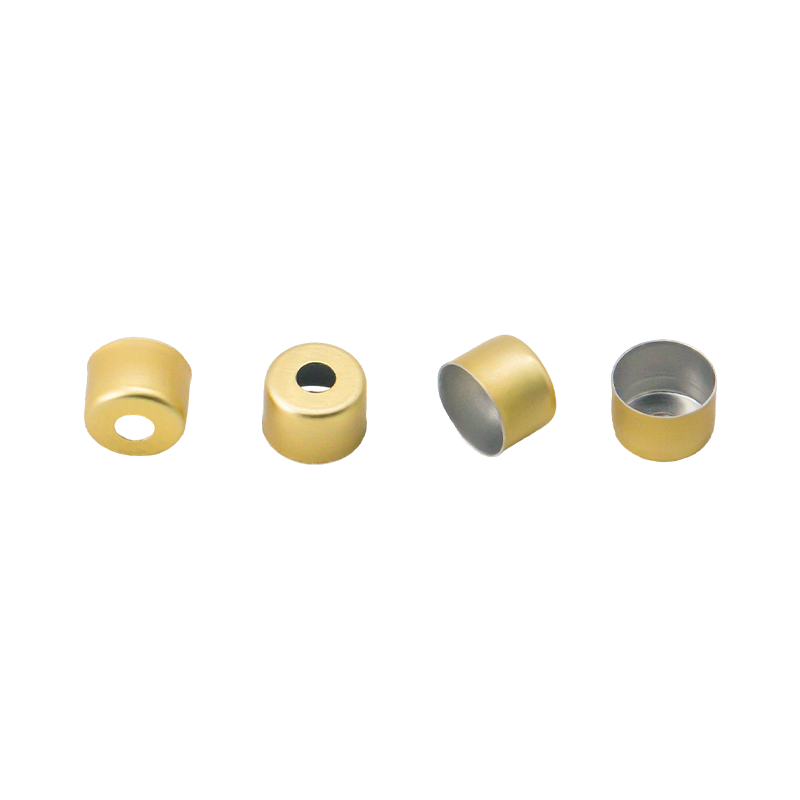
Aluminium caps for cartridge vials offer a compelling combination of advantages that have made them the dominant closure solution in pharmaceutical packaging for decades. Their primary advantages are superior hermetic sealing performance, reliable tamper evidence, broad chemical compatibility, high-speed manufacturing compatibility, excellent corrosion resistance, and the ability to be color-coded and printed for product identification — all at a low cost per unit. These properties collectively ensure that injectable drug products remain sterile, chemically stable, and correctly identified from the point of manufacture through to the moment of patient administration. No alternative closure technology currently available for cartridge vials matches the full combination of these advantages at comparable cost and regulatory acceptance across global pharmaceutical markets.
Hermetic Sealing: The Most Critical Advantage
The most fundamental requirement of any pharmaceutical cartridge closure is its ability to maintain an airtight, liquid-tight seal throughout the product's shelf life. Aluminium crimp caps achieve this through a combination of mechanical design and the precise application of crimping force during the sealing process.
Mechanically Enforced Compression Seal
When an aluminium cap is crimped onto a cartridge vial, the deformed skirt applies a sustained compressive force on the rubber disc stopper against the cartridge neck bore. This compression force — typically 30 to 60 N for standard 13 mm pharmaceutical cartridge caps — is maintained permanently by the elastically stressed aluminium, ensuring that the rubber stopper remains fully engaged with the glass bore without any external mechanism or ongoing energy input. The result is a seal that does not relax, loosen, or degrade under normal storage and handling conditions throughout a shelf life of 12 to 36 months or more.
Protection Against Oxygen and Moisture Ingress
Many injectable drug formulations are sensitive to oxygen or moisture. Oxidation-sensitive biologics, peptides, and small-molecule drugs degrade significantly when exposed to even trace quantities of atmospheric oxygen. The hermetic seal created by the aluminium cap and rubber stopper system prevents any gas exchange between the cartridge interior and the external atmosphere. Container closure integrity testing confirms that properly crimped aluminium caps achieve leak rates below 1 × 10⁻⁶ mbar·L/s — effectively zero detectable leakage under normal conditions — when measured by helium mass spectrometry or vacuum decay methods.
Preservation of Sterility
Injectable medications must remain sterile from the point of manufacture through to use. The aluminium cap's hermetic seal prevents microbial ingress that could compromise sterility during storage, transport, and distribution. Unlike porous or permeable closure materials, the combination of solid aluminium metal and compressed rubber creates an absolute barrier that no microorganism can penetrate under normal conditions. This is especially critical for cartridges used in auto-injector devices by patients self-administering at home, where the controlled aseptic conditions of a clinical setting are absent.
Tamper Evidence: Protecting Patient Safety
Tamper evidence is a regulatory requirement for pharmaceutical primary packaging in virtually all major markets, and the aluminium crimp cap provides this function inherently through its irreversible deformation during crimping.
Irreversible Physical Deformation as Tamper Indicator
A properly crimped aluminium cap cannot be removed from the cartridge without causing visible, permanent deformation of the aluminium. The crimped skirt folds tightly under the cartridge neck flange — any attempt to remove the cap requires tearing, cutting, or forcibly deforming the aluminium, leaving unmistakable physical evidence of tampering. There is no non-destructive method to remove a crimped aluminium cap and reseal it in original condition, making it one of the most reliable tamper-evidence mechanisms available in pharmaceutical packaging.
Visual Inspection at Every Stage
The tamper-evident properties of aluminium caps can be assessed by simple visual inspection at every point in the supply chain — at the manufacturing facility, during distribution, at the pharmacy or clinic, and by the patient at home before use. A bent, dented, partially separated, or visibly damaged aluminium cap is an immediately recognizable signal that the cartridge should not be used. This visual simplicity is a major advantage over electronic or chemical tamper-evidence systems that require specialized equipment or training to interpret.
Regulatory Compliance
The inherent tamper-evidence of aluminium crimp caps satisfies the requirements of the European Pharmacopoeia (Ph. Eur. 3.2.5 — Tamper-evident containers), U.S. FDA tamper-evident packaging regulations under 21 CFR Part 211.132, and equivalent national regulations in all major global pharmaceutical markets. Using aluminium crimp caps simplifies regulatory submissions for new pharmaceutical products by allowing applicants to reference an extensively documented, universally accepted closure technology rather than needing to generate novel evidence for an unconventional closure approach.
Chemical Inertness and Drug Compatibility
The aluminium used in pharmaceutical caps is a high-purity alloy — typically 99% or more aluminium by weight (1000-series or 8000-series alloys) — that is chemically inert with respect to the vast majority of pharmaceutical drug substances and formulation components.
No Direct Metal-Drug Contact in Standard Configurations
In a correctly assembled pharmaceutical cartridge, the drug product contacts only the glass barrel, the rubber plunger stopper, and the rubber disc stopper — not the aluminium cap. The aluminium cap contacts only the exterior of the rubber disc stopper and the outer neck surface of the glass cartridge. This design ensures that the chemical inertness of aluminium is largely irrelevant from a direct compatibility standpoint, but the cap's lacquer or epoxy inner coating provides an additional safety margin for any applications where indirect metal contact could theoretically occur.
Protective Coatings for Reactive Formulations
For pharmaceutical applications involving particularly reactive formulations — such as those containing strong acids, chelating agents, or oxidizers — the inner surface of the aluminium cap can be coated with pharmaceutical-grade epoxy, vinyl, or polyester lacquer. These coatings create a completely inert barrier between the aluminium substrate and any formulation component, eliminating even the theoretical possibility of metal ion leaching. The coating adds minimal material cost while providing complete chemical compatibility assurance across virtually any drug formulation type.
Extractables and Leachables Profile
Regulatory authorities require pharmaceutical manufacturers to characterize the extractables and leachables profile of all primary packaging components, including closure systems. Aluminium caps from established pharmaceutical packaging manufacturers have well-documented, extensively characterized extractables and leachables profiles developed over decades of use. This existing database of safety data significantly reduces the time and cost required to complete extractables and leachables studies for new drug products that use standard aluminium cap configurations, compared to novel closure materials with no published safety data history.
Compatibility with High-Speed Pharmaceutical Manufacturing
Pharmaceutical manufacturers operate filling and sealing lines that must process hundreds or thousands of cartridge units per minute while maintaining sub-millimeter dimensional tolerances and 100% product integrity. Aluminium caps are designed and manufactured specifically for compatibility with these high-speed automated processes.
High-Speed Crimping Compatibility
Modern pharmaceutical cartridge filling lines operate at speeds of 200 to 600 cartridges per minute. Aluminium caps are designed with the dimensional consistency and material properties required to feed, orient, place, and crimp at these speeds without jamming, misalignment, or sealing failures. The softness and ductility of high-purity aluminium alloys enable reliable, uniform crimping at these production rates with low tooling wear and minimal process variability.
Dimensional Consistency Enabling Process Reliability
High-quality pharmaceutical aluminium caps are manufactured to tight dimensional tolerances — typically ±0.05 mm or better on critical dimensions such as cap outer diameter, skirt height, and wall thickness. This dimensional consistency ensures that every cap feeds and positions correctly in automated cap placement systems and that the crimping process produces consistent seal integrity across every unit in a production batch. Batch-to-batch dimensional variation in caps is a significant contributor to container closure integrity failures on pharmaceutical filling lines; high-consistency aluminium cap supply directly reduces this risk.
Cleanroom-Ready Supply
Aluminium caps for pharmaceutical use are supplied pre-cleaned, washed, and packaged in suitable containers (typically double-bagged and sealed) that allow them to be transferred directly into ISO Class 5–7 pharmaceutical cleanrooms without additional processing steps. This eliminates the need for on-site washing, sterilization, or depyrogenation of caps by the pharmaceutical manufacturer, reducing processing steps, cycle times, and the risk of contamination during cap preparation.
Corrosion Resistance and Long-Term Stability
Pharmaceutical cartridge vials are stored and transported across a wide range of environmental conditions — from cold-chain refrigerated storage at 2°C to 8°C, to ambient warehouse temperatures, to the variable humidity and temperature conditions of international air and sea freight logistics. Aluminium's natural corrosion resistance makes it ideally suited to maintain its structural integrity and sealing function across this full range of conditions.
Natural Oxide Layer Protection
When exposed to oxygen in air or moisture, aluminium spontaneously forms a thin, dense, self-repairing aluminium oxide (Al₂O₃) layer on its surface. This natural passivation layer — typically 2 to 10 nanometers thick — is chemically stable and provides effective protection against further oxidative corrosion without any additional treatment. Unlike steel, which continues to rust progressively once its protective layer is breached, aluminium's natural oxide layer self-repairs when scratched or damaged, maintaining corrosion resistance even on surfaces with minor surface defects from handling or transport.
Performance Across Cold-Chain Temperatures
Many injectable pharmaceutical products — including insulin, biologics, and vaccines — require cold-chain storage at 2°C to 8°C throughout distribution. Aluminium maintains its mechanical properties and sealing performance across the full range of cold-chain and ambient storage temperatures without becoming brittle, cracking, or losing crimping integrity. This cold-chain compatibility is a significant practical advantage compared to some polymer closure alternatives that may become brittle and lose elasticity at refrigerated storage temperatures.
Resistance to Humidity and Atmospheric Contaminants
Pharmaceutical products distributed through tropical markets or shipped by sea may be exposed to relative humidity levels of 70% to 95% RH for extended periods. Aluminium's resistance to moisture-induced corrosion — enhanced where needed by anodizing or lacquering treatments — ensures that cap integrity is maintained under these challenging humidity conditions. This contrasts with some ferritic metal alloys that would show visible corrosion under prolonged high-humidity exposure.
Product Identification, Color Coding, and Branding
The visible exterior surface of the aluminium cap provides a valuable labeling and identification area that supports medication safety, brand differentiation, and regulatory compliance — advantages that are unique to solid metal closures compared to transparent or unlabeled polymer alternatives.
Color Coding for Medication Safety
Color-coded aluminium caps are a standard medication safety tool in pharmaceutical packaging. Assigning specific cap colors to different drug formulations, concentrations, or indications allows healthcare professionals and patients to rapidly identify the correct cartridge at the point of use — reducing the risk of medication errors. In insulin therapy, for example, different insulin formulations (rapid-acting, intermediate-acting, long-acting, premixed) are routinely distinguished by cap color, supporting safe self-administration by diabetic patients. The anodizing process used to color-code aluminium caps produces colors that are chemically bonded into the aluminium oxide layer rather than applied as a surface coating, making them exceptionally resistant to abrasion, fading, and chemical attack.
Printing and Embossing for Traceability
Pharmaceutical-grade inks can be applied directly to the top surface of the aluminium cap to print lot numbers, expiry dates, drug names, dosage information, and regulatory compliance codes. Mechanical embossing can create raised or indented text and patterns that are permanently integrated into the cap material and cannot be removed by handling or cleaning. This on-cap traceability information provides an additional layer of product identification directly on the primary container, complementing the label on the cartridge barrel and the outer carton labeling.
Brand Differentiation
For pharmaceutical manufacturers, the aluminium cap represents a branding opportunity at the primary packaging level. Custom colors, embossed logos, and printed graphics on the cap contribute to a distinctive product appearance that supports brand recognition at the pharmacy dispensing counter, in clinical settings, and in patients' hands during self-administration. In the increasingly competitive market for biologic and biosimilar injectable products, this visual differentiation at the primary packaging level has measurable commercial value.
Low Cost Per Unit Without Compromising Performance
Despite their extensive list of functional advantages, aluminium caps for pharmaceutical cartridges are among the most cost-effective primary packaging components available. This cost advantage compounds across high-volume pharmaceutical production to generate substantial savings at the commercial scale.
Low Raw Material Cost
Aluminium is one of the most abundant metals in the Earth's crust and one of the most widely traded commodity metals globally. The aluminium sheet used for pharmaceutical caps represents a very small fraction of the finished cap's total cost, and the well-established global aluminium supply chain provides multiple competitive supplier options that prevent raw material price monopolization. A standard pharmaceutical cartridge aluminium cap uses less than 1 gram of aluminium material, making the raw material cost negligible on a per-unit basis.
High-Speed, Efficient Manufacturing
The progressive die stamping process used to manufacture aluminium pharmaceutical caps is highly automated, operates at very high production speeds (hundreds of caps per minute per press), and produces minimal material waste through the efficient nesting of cap blanks in the aluminium sheet. These production economics translate directly into low finished cap cost, enabling pharmaceutical manufacturers to incorporate high-quality, fully compliant aluminium caps into their products without significant impact on total packaging cost.
Recyclability and Sustainability
Aluminium is 100% recyclable without degradation of its material properties, and recycling aluminium requires only approximately 5% of the energy needed to produce primary aluminium from bauxite ore. As pharmaceutical manufacturers and their customers increasingly prioritize sustainable packaging, the recyclability of aluminium caps provides an environmental advantage over multi-layer polymer closures or composite materials that are difficult or impossible to recycle. Used cartridge systems containing aluminium caps can be sorted and recycled through established aluminium recycling streams in most developed markets.
Compatibility with All Major Delivery Device Platforms
Pharmaceutical cartridges sealed with aluminium crimp caps are compatible with the full range of cartridge-based drug delivery devices used in modern pharmaceutical therapy — an advantage that reflects both the standardized dimensions of aluminium caps and the extensive installed base of delivery devices designed around aluminium-capped cartridges.
Reusable Injection Pens
Reusable insulin pens and other multi-use injection devices are designed to accept standard aluminium-capped cartridges as a replaceable drug reservoir. The patient loads a new cartridge into the pen body when the previous one is empty, and the pen's needle-attachment mechanism penetrates the rubber disc stopper through the center of the aluminium cap (which has a pre-scored or open-center design for this purpose). The worldwide installed base of reusable injection pens numbers in the hundreds of millions of devices, all designed to accept aluminium-capped cartridges.
Auto-Injectors and Electronic Delivery Devices
Auto-injector platforms for GLP-1 receptor agonists, growth hormone, fertility hormones, and other biologic therapies use aluminium-capped cartridges as the drug container within the disposable or reusable device body. The device's internal mechanism interfaces with the crimped aluminium cap to confirm correct cartridge installation and to drive the plunger stopper forward during dose delivery. The consistent dimensions of aluminium caps are essential to reliable function of these precision mechanical and electromechanical delivery systems.
Dental Cartridge Syringes
Dental carpule syringes accept standard 1.8 mL cartridges sealed with 13 mm aluminium crimp caps. The dental needle assembly engages the rubber disc stopper through the aluminium cap's center, and the syringe plunger engages the back of the cartridge to drive the anesthetic injection. The standardized dimensions of dental cartridge aluminium caps ensure universal compatibility between cartridges from different manufacturers and dental syringes from different equipment suppliers.
Comparison of Aluminium Caps Against Alternative Closures
The advantages of aluminium caps become particularly clear when evaluated against the alternative closure options that exist or have been proposed for pharmaceutical cartridge applications.
| Advantage | Aluminium Crimp Cap | Polymer Snap Cap | Plastic Screw Cap | Integrated Polymer Closure |
|---|---|---|---|---|
| Hermetic seal for injectables | Excellent | Limited | Not suitable | Good |
| Tamper evidence | Inherent / excellent | Weak | Weak | Good (design-dependent) |
| High-speed filling line compatibility | Excellent | Moderate | Moderate | Limited (specialized equipment needed) |
| Color coding for medication safety | Excellent (anodized colors) | Good | Good | Good |
| Corrosion resistance | Excellent | Excellent | Excellent | Excellent |
| Cost per unit | Very low | Low | Low | High |
| Recyclability | 100% recyclable | Varies by polymer | Varies by polymer | Varies / complex composite |
| Regulatory acceptance (global) | Universally accepted | Limited | Not for injectables | Growing acceptance |
| Delivery device compatibility | Universal (all standard devices) | Limited | Not compatible | Device-specific only |
Long Regulatory Track Record and Global Acceptance
One of the most practically significant — and often underappreciated — advantages of aluminium caps for cartridge vials is their extensive, multi-decade track record of successful regulatory approval and commercial use across every major global pharmaceutical market.
Aluminium crimp caps are referenced in the European Pharmacopoeia, United States Pharmacopeia, Japanese Pharmacopoeia, and equivalent national standards in China, India, Brazil, and dozens of other regulated pharmaceutical markets. This universal regulatory familiarity means that drug product applications using standard aluminium caps do not need to generate novel evidence to justify the closure system — regulators in all major markets already have extensive experience evaluating and approving products that use this technology. This accelerates market authorization timelines and reduces the regulatory risk associated with the container closure system component of a drug product's quality dossier.
For biosimilar developers, generic injectable manufacturers, and new drug applicants working on accelerated development timelines, the ability to reference established regulatory precedent for aluminium crimp caps — rather than needing to defend an unconventional closure choice — is a meaningful practical advantage that reduces both development cost and time-to-market risk.
Summary: The Complete Advantage Profile of Aluminium Caps
Aluminium caps for cartridge vials offer a uniquely comprehensive set of advantages that collectively explain their dominant position in pharmaceutical packaging. No alternative closure technology currently available delivers the same combination of hermetic sealing performance, tamper evidence, chemical inertness, high-speed manufacturing compatibility, corrosion resistance, color-coding capability, low cost, recyclability, universal delivery device compatibility, and established global regulatory acceptance. Each individual advantage is significant; together, they create a closure solution that meets every critical requirement of modern pharmaceutical packaging simultaneously. For manufacturers seeking a closure that protects drug product integrity, ensures patient safety, supports regulatory approval, integrates seamlessly with filling and delivery device infrastructure, and does so at minimal cost — the aluminium crimp cap for pharmaceutical cartridge vials remains the industry standard of choice.
Related products
-

A precision sealing solution designed for cartridge-based drug delivery systems, such as pre-filled syringes and pen injectors. It ensures sterile integrity and safe, reliable needle access for inject...
View More -
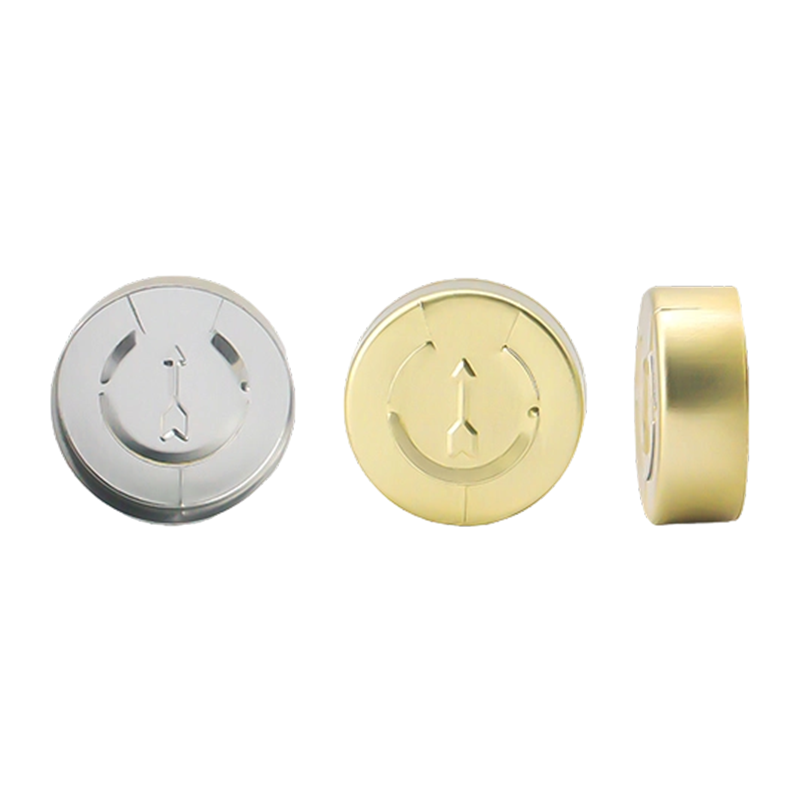
A tamper-evident aluminum seal for complete removal. It features a pre-scored tear-off line for easy opening: simply pull the tab to tear the entire cap off cleanly along the scored line, allowing for...
View More -
A durable and portable liquid storage solution designed for safe transportation and handling of non-hazardous to semi-hazardous fluids. It ensures secure containment, easy pouring, and reliable perfor...
View More -
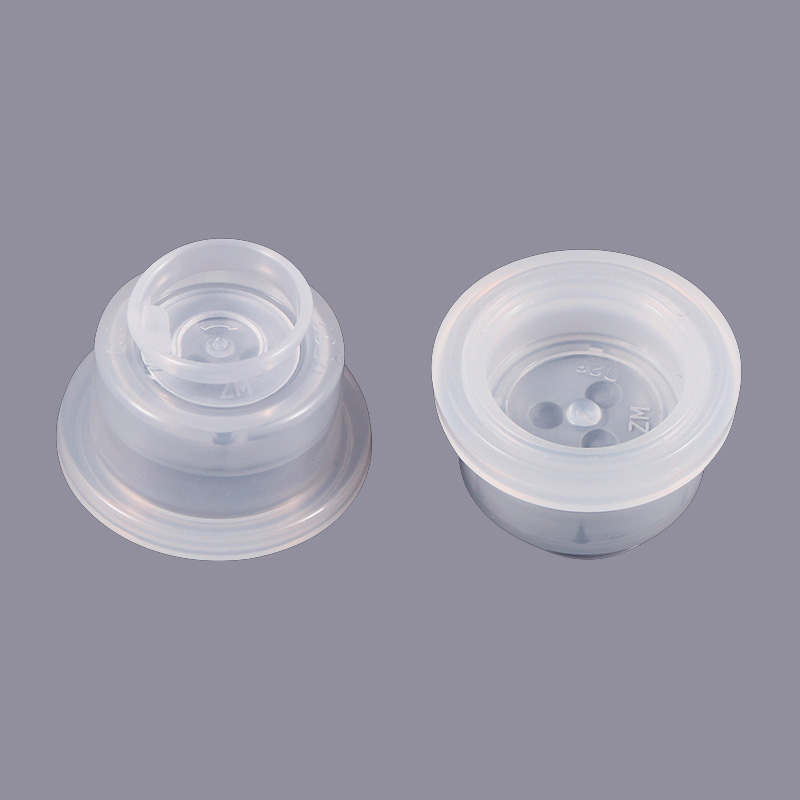
A standardized pull-ring polypropylene cap designed for infusion and solution bottles. This tamper-evident solution ensures reliable closure and provides an integrated pull-ring for safe, tool-free ac...
View More -
A reliable and tamper-evident sealing solution designed for standard injection vials. It ensures container seal integrity and safe needle access for liquid medications. A professional sealing componen...
View More -
A tamper-evident aluminum seal designed for injection vials. It features an integrated pull-ring that, when pulled, removes the entire aluminum cap cleanly from the vial neck, leaving the rubber stopp...
View More
-
Get In Touch
 +86 511 8813 2922
 +86 139 5290 2286
 lilian@changjianglids.com
 No. 1 Mingzhu Road, Youfang Industrial Park, Yangzhong City, Zhenjiang, Jiangsu, China
The information provided on this website is intended for use only in countries and jurisdictions outside of the People's Republic of China.
No. 1 Mingzhu Road, Youfang Industrial Park, Yangzhong City, Zhenjiang, Jiangsu, China
The information provided on this website is intended for use only in countries and jurisdictions outside of the People's Republic of China. -
Product
Aluminum-Plastic Caps Aluminum Caps Euro PP Caps PP Containers for Contact Lens with Foil Seal Plastic Hanger for Infusion Bottle Plastic Jerry Can -
WhatsApp
Chris

-
WeChat
Lilian

Copyright © 2025 Jiangsu Changjiang Lids Co., Ltd. All Rights Reserved.
OEM Pharmaceutical Packaging Manufacturer
Pharmaceutical Cap Supplier
