
 English
 русский
 简体中文
简体中文


Home / News / Industry News / What is a flip off cap?
What is a flip off cap?
2026.06.12
Content
- 1 The Anatomy of a Flip Off Cap
- 2 Common Specifications and Sizes
- 3 How a Flip Off Cap Works: Step by Step
- 4 Why Color Coding Matters in Flip Off Caps
- 5 Flip Off Cap vs. Tear Off Cap: Understanding the Difference
- 6 Materials and Quality Standards for Flip Off Caps
- 7 Applications of Flip Off Caps Across Pharmaceutical Categories
- 8 Key Quality Parameters Buyers Should Evaluate
- 9 Innovations and Trends in Flip Off Cap Design
- 10 About Jiangsu Changjiang Lids Co., Ltd.
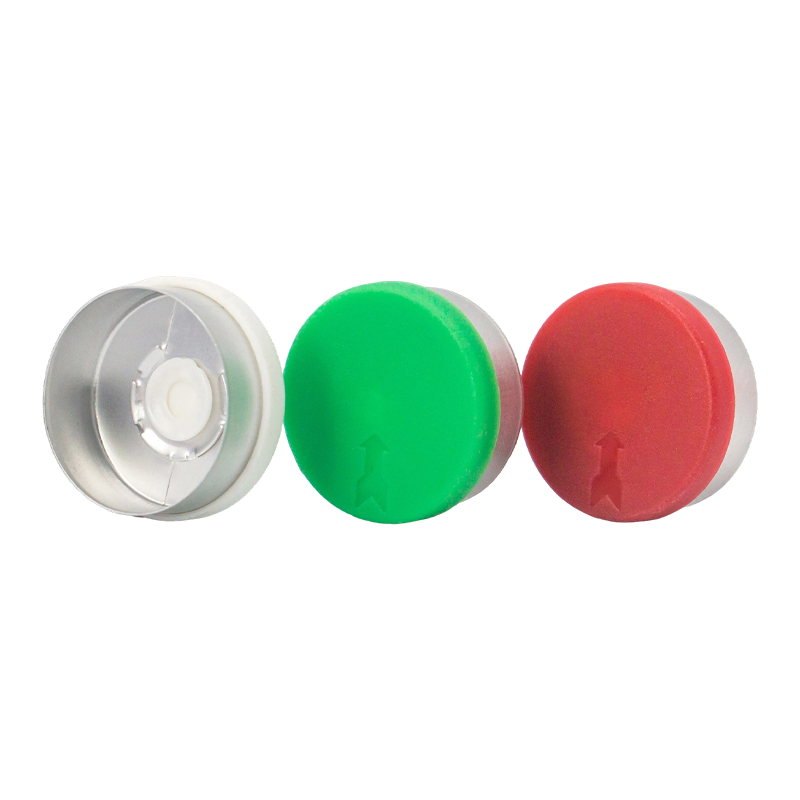
A flip off cap (also written as "flip-off cap") is a two-component pharmaceutical vial closure consisting of an aluminum crimp seal combined with a colored plastic button on top. The plastic center disc can be literally "flipped off" with a fingernail or thumb before a needle is inserted into the underlying rubber stopper. This design is the global standard for injectable drug vials, lyophilized (freeze-dried) products, and sterile biological preparations, used across hospitals, clinics, and pharmaceutical manufacturing facilities worldwide.
In short: the aluminum shell holds the rubber stopper securely in place, maintaining sterility and tamper evidence, while the colored plastic cap provides easy, needle-free removal before administration — no tools required.
The Anatomy of a Flip Off Cap
Understanding what a flip off cap is made of helps explain why it performs so reliably in demanding pharmaceutical environments. The cap is not a single piece — it is an engineered assembly of distinct materials, each serving a specific function.
Key Structural Components
- Aluminum shell: The outer ring that is crimped mechanically onto the vial neck. It locks the rubber stopper in place and provides tamper-evident integrity. Aluminum is chosen for its malleability, corrosion resistance, and compatibility with sterilization processes.
- Plastic flip-off button (disc): The center piece, typically made from polypropylene (PP) or polyethylene (PE). It snaps into the aluminum shell and can be removed cleanly by pressing and flipping upward, exposing the rubber stopper's septum for needle penetration.
- Rubber stopper (separate component): While not part of the cap itself, the bromobutyl or chlorobutyl rubber stopper sits beneath the cap. The flip off cap's primary job is to protect and secure this stopper until the moment of drug administration.
The combination of these elements creates a closure system that meets strict pharmacopoeia requirements including those set by the United States Pharmacopeia (USP), European Pharmacopoeia (EP), and the Chinese Pharmacopoeia (ChP).
Common Specifications and Sizes
Flip off caps are manufactured in standardized sizes to fit the most commonly used pharmaceutical vials. The size is determined by the outer diameter of the vial neck finish. The most widely used sizes in global pharmaceutical packaging are:
| Cap Diameter | Vial Size Range | Typical Application |
|---|---|---|
| 13 mm | 2 mL – 10 mL | Small-volume injectables, vaccines |
| 20 mm | 10 mL – 100 mL | Antibiotics, lyophilized biologics, infusions |
| 28 mm | 50 mL – 250 mL | Large-volume parenterals, oncology drugs |
| 32 mm | 100 mL – 500 mL | IV solutions, bulk storage vials |
The 20 mm flip off cap is by far the most commonly specified size globally, accounting for the majority of injectable antibiotic and biologic vial closures in hospital pharmacy settings. Custom sizes and non-standard finishes are also available for specialized applications.
How a Flip Off Cap Works: Step by Step
The operational simplicity of the flip off cap is one of its most important features, especially in busy clinical environments where speed and safety both matter. Here is how the cap functions through the product lifecycle:
- Filling and stoppering: After the drug product is filled into the glass vial, a rubber stopper is inserted and seated onto the vial neck.
- Crimping: The aluminum flip off cap is placed over the stopper and mechanically crimped onto the vial using a rotary or roller crimping machine, creating an airtight, tamper-evident seal.
- Sterilization and storage: The sealed vial may undergo terminal sterilization (autoclaving) or have been aseptically filled. The cap maintains sterility throughout storage and transport.
- Before use — visual inspection: The healthcare professional checks that the plastic flip-off button is intact and has not been previously removed, confirming tamper evidence.
- Cap removal: The user places a thumb under the edge of the plastic disc and flips it upward with a simple motion. The disc separates cleanly from the aluminum ring, which remains crimped on the vial. This takes less than two seconds and requires no tools.
- Needle insertion: With the rubber septum now exposed, a needle can be inserted to withdraw the drug or to reconstitute a lyophilized powder.
This entire process is designed to minimize contamination risk while maximizing workflow efficiency in clinical settings.
Why Color Coding Matters in Flip Off Caps
One of the most practical features of flip off caps is the use of color-coded plastic buttons. Pharmaceutical manufacturers and hospital pharmacies rely on color differentiation to reduce medication errors at the point of care — a critical patient safety concern.
Color coding serves multiple functions simultaneously:
- Drug identification: Different drug products or concentrations can be assigned distinct colors, enabling rapid visual identification even under low-light conditions or in emergencies.
- Dosage differentiation: For example, a 250 mg antibiotic vial may use a red cap while a 500 mg vial uses a blue cap within the same product line.
- Sterility status: Some facilities use specific colors to indicate whether a vial is ready for use, has been partially used, or is reserved for specific wards.
- Brand and product line distinction: Manufacturers use consistent color schemes across their product portfolios to reinforce brand identity and simplify inventory management.
Standard colors available in the industry include red, blue, yellow, green, orange, purple, silver, gold, white, and black, among others. Custom color matching to Pantone or RAL standards is also offered by specialized manufacturers.
Flip Off Cap vs. Tear Off Cap: Understanding the Difference
These two terms are often confused, yet they describe distinctly different closure designs. Knowing the difference is essential when specifying packaging for pharmaceutical products.
| Feature | Flip Off Cap | Tear Off Cap |
|---|---|---|
| Removal method | Plastic disc flipped upward by thumb | Entire aluminum cap peeled/torn off |
| Residual on vial | Aluminum ring stays on vial | No residual cap remains |
| Needle penetration | Through exposed rubber stopper | Through rubber stopper (fully exposed) |
| Tamper evidence | Plastic disc shows prior removal | Torn edge indicates opening |
| Typical use | Injectables requiring needle access only | Products requiring full stopper exposure |
| Ease of use | One-handed, very fast | Requires slightly more effort |
In practice, flip off caps are preferred for the vast majority of injectable products because the aluminum ring remaining on the vial provides an additional layer of security and prevents accidental stopper displacement after initial needle use.
Materials and Quality Standards for Flip Off Caps
The materials used in flip off caps must comply with strict pharmaceutical regulatory requirements to ensure patient safety, drug stability, and packaging integrity. Here is what industry-grade flip off caps are expected to meet:
Aluminum Requirements
- Alloy grade typically 1050, 1060, or 3003 for optimal malleability and crimping performance
- Thickness typically between 0.20 mm and 0.25 mm for standard vial sizes
- Surface must be free of burrs, sharp edges, oil residue, and particulate contamination
- Must withstand autoclave sterilization at 121°C for 30 minutes without deformation
Plastic Button Requirements
- Made from pharmaceutical-grade polypropylene (PP) free of heavy metals and harmful plasticizers
- Colorants must comply with food contact or pharmaceutical-grade pigment regulations
- Must remove cleanly without fragmenting or leaving debris near the stopper
Regulatory and Pharmacopoeia Compliance
- USP <660> – Containers — Glass and closure integrity
- EP 3.2.9 – Rubber closures for containers for aqueous parenteral preparations, for powders and for freeze-dried powders
- ISO 8362-6 – Aluminium caps for injection vials
- Chinese Pharmacopoeia YBB standards for manufacturers supplying the Chinese market
Applications of Flip Off Caps Across Pharmaceutical Categories
Flip off caps are used wherever a rubber-stoppered vial needs to deliver a sterile injectable or reconstitutable product. Their range of applications spans virtually every therapeutic category in modern medicine:
- Vaccines and biologics: From routine childhood immunizations to complex monoclonal antibody therapies, flip off caps protect high-value biological products that require strict cold-chain management.
- Antibiotics: Lyophilized antibiotic powders such as cephalosporins and penicillins are among the highest-volume users of flip off caps globally. A typical hospital formulary may use hundreds of thousands of such vials annually.
- Oncology drugs: Cytotoxic agents and targeted therapies require packaging with zero compromise on seal integrity. Flip off caps' aluminum crimp design provides the reliability demanded in oncology compounding pharmacies.
- Anesthetics and critical care drugs: Products such as propofol, midazolam, and neuromuscular blocking agents are supplied in flip off cap vials for use in operating theaters and intensive care units.
- Hormones and peptides: Growth hormones and insulin analogues in lyophilized form rely on flip off cap closures to preserve potency over extended shelf lives of 2 to 3 years.
- Veterinary pharmaceuticals: The same closure technology is widely adopted in veterinary medicine for injectable preparations used in livestock and companion animals.
Key Quality Parameters Buyers Should Evaluate
When sourcing flip off caps for pharmaceutical manufacturing, procurement teams and quality assurance professionals must evaluate several critical performance parameters. Substandard caps can lead to seal failures, particulate contamination, or regulatory non-compliance — all of which carry serious consequences.
Crimp Integrity and Seal Force
The aluminum must crimp uniformly around the vial neck to maintain consistent residual seal force (RSF), typically measured in Newtons. Insufficient RSF leads to stopper blow-off or leakage; excessive RSF can crack vial necks. Industry practice typically targets an RSF range of 30–80 N depending on vial size and product requirements.
Dimensional Consistency
Cap inner diameter, skirt depth, and disc thickness must fall within tight tolerances — typically ±0.1 mm — to ensure compatibility with automated capping equipment running at speeds of up to 36,000 vials per hour in high-speed fill-and-finish lines.
Cleanroom Production and Particulate Control
Flip off caps destined for aseptic fill lines must be manufactured and packaged in controlled environments. ISO Class 8 (equivalent to GMP Grade D) is a baseline requirement, with some specifications requiring ISO Class 7 or stricter for ready-to-use washed and sterilized caps.
Container Closure Integrity Testing (CCIT)
Regulatory agencies including the FDA now strongly encourage deterministic CCIT methods such as vacuum decay or high-voltage leak detection over dye ingress tests. Flip off cap suppliers should be able to provide data supporting their caps' contribution to overall system CCI performance.
Innovations and Trends in Flip Off Cap Design
While the core design of the flip off cap has been stable for decades, the pharmaceutical packaging industry continues to innovate around this fundamental component to meet evolving regulatory and patient safety needs.
- Tamper-evident enhancements: Advanced scoring patterns on the plastic disc and aluminum shell make unauthorized cap removal clearly visible, supporting supply chain security requirements for high-value biologics.
- Printed and embossed caps: Laser printing or embossing of batch numbers, drug names, or QR codes directly onto the aluminum or plastic provides serialization and track-and-trace capabilities at the primary packaging level.
- Ready-to-use (RTU) washed caps: Pre-washed and sterilized caps packaged in gamma-irradiated double bags are increasingly specified for aseptic fill lines to reduce washing validation burden and improve production efficiency.
- Sustainability focus: Manufacturers are developing lightweight aluminum alloys and recycled-content plastics for cap components to reduce the environmental footprint of pharmaceutical packaging without compromising performance.
- Robot-friendly designs: As robotic dispensing systems become more common in hospital pharmacies, flip off cap geometries are being optimized for reliable mechanical gripping and cap-removal by automated systems.
About Jiangsu Changjiang Lids Co., Ltd.
Jiangsu Changjiang Lids Co., Ltd. was founded in March 2000 with a registered capital of 45.68 million yuan. Located in Yangzhong, Jiangsu Province — at the heart of the Yangtze River Delta — the company has dedicated itself to the pharmaceutical packaging industry for over two decades. As a production-oriented enterprise specializing in high-quality pharmaceutical packaging, Changjiang Lids operates across a facility covering 20,000 square meters.
With more than 20 years of focused manufacturing experience, Changjiang Lids brings deep expertise to every flip off cap produced — from raw material selection and precision stamping to cleanroom assembly and quality inspection. The company's long-standing commitment to pharmacopoeia compliance and customer-specific customization makes it a trusted partner for pharmaceutical manufacturers seeking reliable vial closure solutions across domestic and international markets.
Related products
-
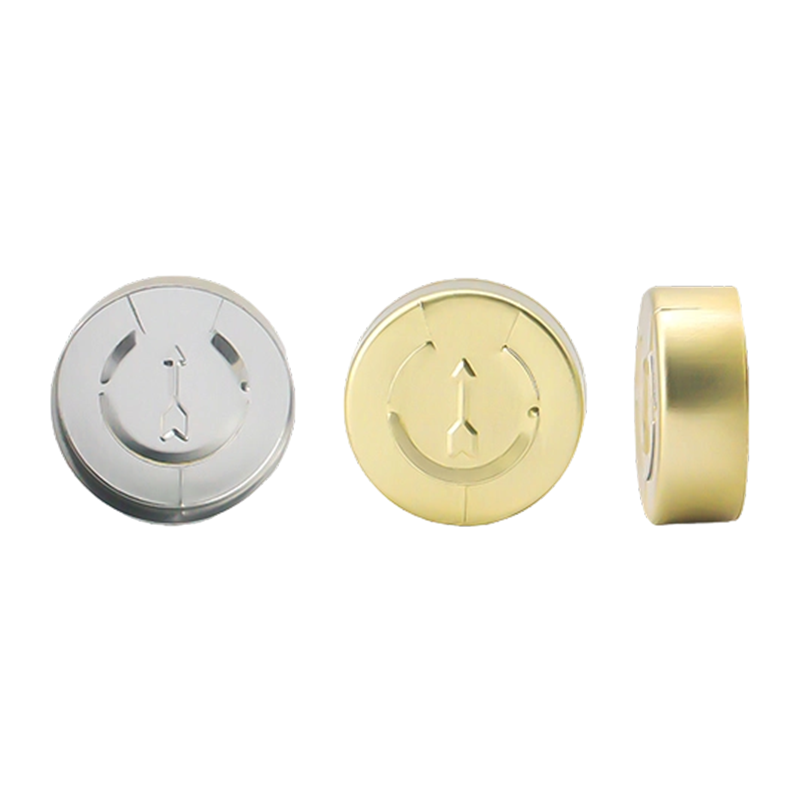
A tamper-evident aluminum seal for complete removal. It features a pre-scored tear-off line for easy opening: simply pull the tab to tear the entire cap off cleanly along the scored line, allowing for...
View More -
A durable and portable liquid storage solution designed for safe transportation and handling of non-hazardous to semi-hazardous fluids. It ensures secure containment, easy pouring, and reliable perfor...
View More -
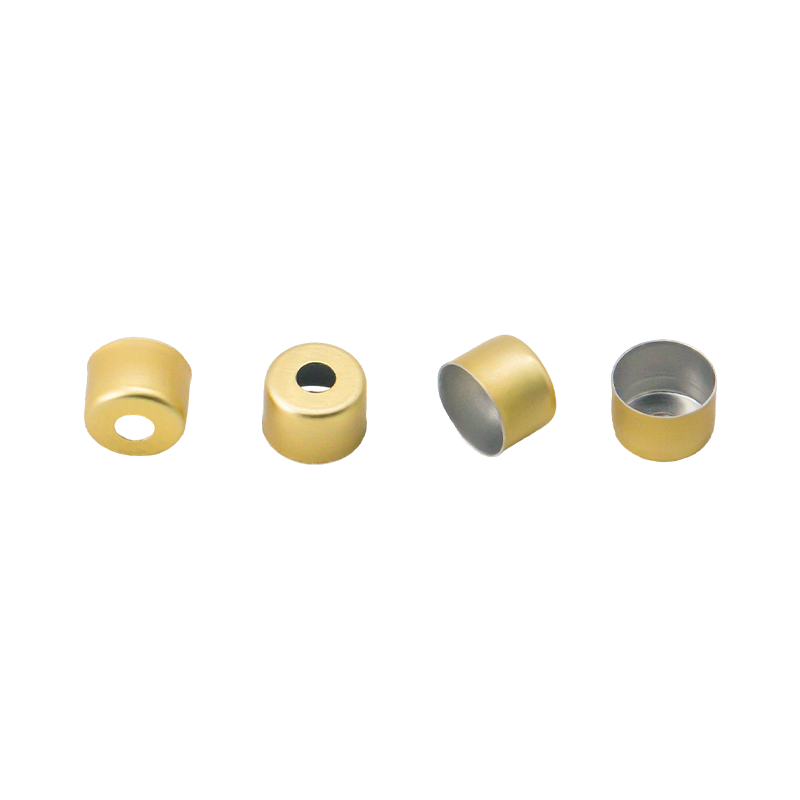
A precision sealing solution designed for cartridge-based drug delivery systems, such as pre-filled syringes and pen injectors. It ensures sterile integrity and safe, reliable needle access for inject...
View More -
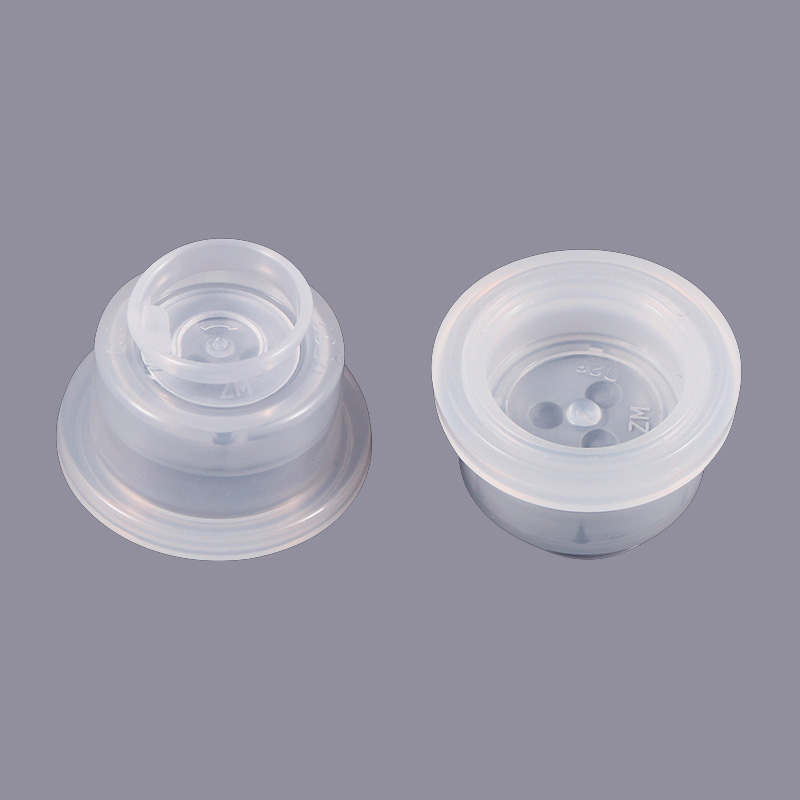
A standardized pull-ring polypropylene cap designed for infusion and solution bottles. This tamper-evident solution ensures reliable closure and provides an integrated pull-ring for safe, tool-free ac...
View More -
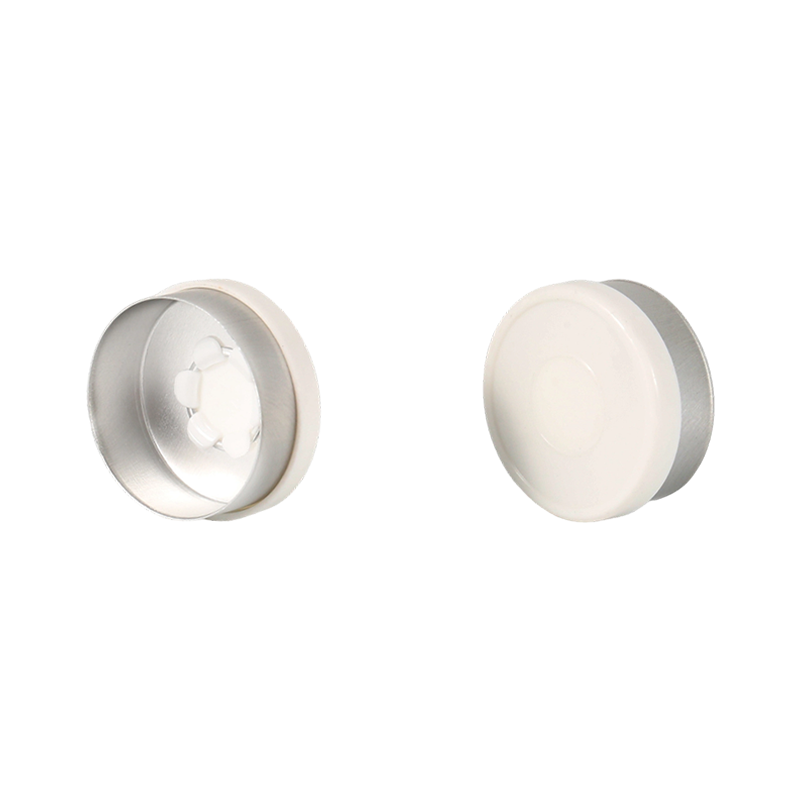
A reliable and tamper-evident sealing solution designed for standard injection vials. It ensures container seal integrity and safe needle access for liquid medications. A professional sealing componen...
View More -
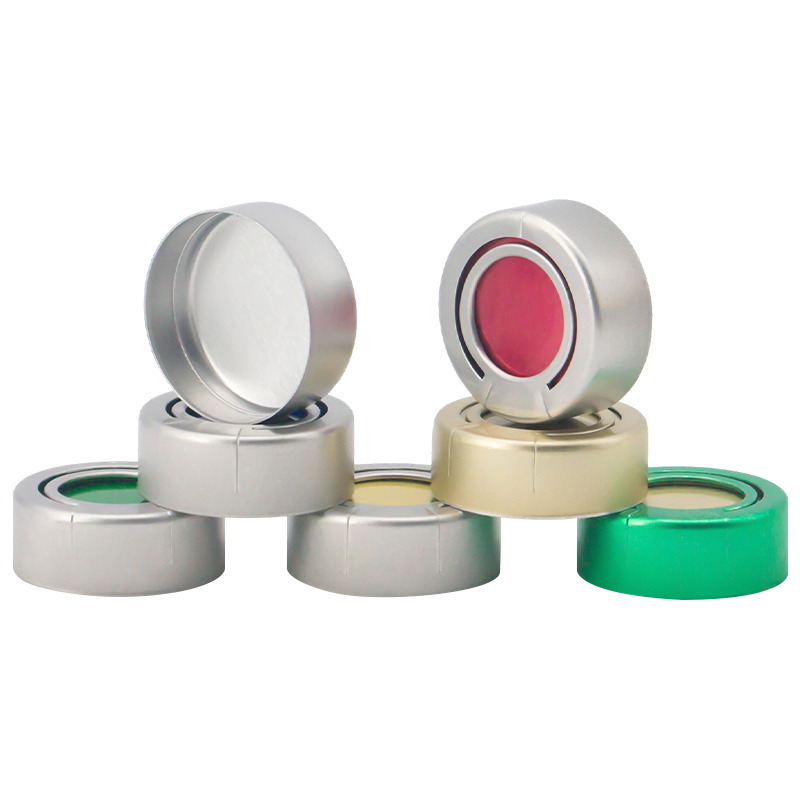
A tamper-evident aluminum seal designed for injection vials. It features an integrated pull-ring that, when pulled, removes the entire aluminum cap cleanly from the vial neck, leaving the rubber stopp...
View More
-
Get In Touch
 +86 511 8813 2922
 +86 139 5290 2286
 lilian@changjianglids.com
 No. 1 Mingzhu Road, Youfang Industrial Park, Yangzhong City, Zhenjiang, Jiangsu, China
The information provided on this website is intended for use only in countries and jurisdictions outside of the People's Republic of China.
No. 1 Mingzhu Road, Youfang Industrial Park, Yangzhong City, Zhenjiang, Jiangsu, China
The information provided on this website is intended for use only in countries and jurisdictions outside of the People's Republic of China. -
Product
Aluminum-Plastic Caps Aluminum Caps Euro PP Caps PP Containers for Contact Lens with Foil Seal Plastic Hanger for Infusion Bottle Plastic Jerry Can -
WhatsApp
Chris

-
WeChat
Lilian

Copyright © 2025 Jiangsu Changjiang Lids Co., Ltd. All Rights Reserved.
OEM Pharmaceutical Packaging Manufacturer
Pharmaceutical Cap Supplier
