
 English
 русский
 简体中文



Home / News / Industry News / 24-410 Cap Guide: Neck Finish, Cap Types, Sealing Tolerances and Ordering Checks
24-410 Cap Guide: Neck Finish, Cap Types, Sealing Tolerances and Ordering Checks
2026.11.20
Content
If a bottle drawing says 24-410, you are looking at a 24 mm neck opening with a 410 continuous thread finish. The short answer: a cap marked 24-410 will thread onto that bottle, but threading on and sealing are two different jobs. Two closures that both screw down by hand can behave completely differently once the bottle is filled, torqued, dropped and stored on a pallet for six months.
The number tells you which neck the cap was designed for. It does not tell you the thread height, the liner, the sealing geometry or the torque window, and those details decide whether a filling line runs at speed or stops every twenty minutes to mop up shampoo.
Most 24-410 buying mistakes fall into three groups:
- Buying by diameter alone and accepting a 415 cap as a substitute for a 410 cap.
- Ordering from a catalogue without a neck drawing or a real bottle sample in hand.
- Using torque to compensate for the wrong liner, which hides the leak until the bottle reaches the customer.
Everything below explains how the finish is described, which closures fit, and what to check before a bulk order is released.
What the 24 and the 410 Actually Describe
The first number is the neck diameter. On a 24-410 bottle, 24 means 24 mm measured across the outside of the thread, which is just under one inch. Cap drawings reference the same dimension from the inside of the skirt, with a small clearance so the cap winds on without shaving plastic.
The second group is a finish code, not a dimension you can read with a caliper on a bench. The leading 4 places it in the 400 series of continuous thread finishes, a single start helical thread that a cap winds down onto. The final two digits describe thread height and profile, and they are what makes 410 a short thread finish that dominates hand soap, shampoo and household liquids.
410 and 415 are not interchangeable
A 415 neck uses a taller thread and takes a taller cap. A 410 cap may start on a 415 bottle, but it bottoms out early, the liner never reaches the sealing land, and the closure spins loose or weeps at the shoulder. The reverse case looks just as bad: a 415 cap on a 410 neck sits high, leaves a visible gap above the shoulder, and reads as a defect to anyone opening the pack.
Diameter families behave the same way. A 28-410 shares the 410 thread profile but takes a 28 mm neck, so it cannot replace a 24-410 no matter how closely the two caps resemble each other on a shelf.
The dimensions that are not in the name
A proper neck drawing carries far more than one number: thread major and minor diameter, thread start position, neck height, bore diameter, sealing land width, and a tolerance band on each of them. Two bottles that both measure 24 mm across the thread can differ by a few tenths of a millimeter at the sealing land, and that is exactly where a slow leak begins.
Which Closures Fit a 24-410 Neck
On a 24-410 neck the cap is chosen by how the product leaves the bottle, not by how it looks in a sample room. The table below matches common styles to their dispensing behaviour and to the point that most often causes trouble in production.
| Closure style | Dispensing behaviour | Typical products | What to verify |
|---|---|---|---|
| Disc top cap | Press the top, one controlled aperture | Hand soap, shower gel, shampoo | Aperture size, hinge life, lid fit after capping |
| Lotion pump | Metered dose per stroke | Body lotion, cream, serum | Output per stroke, lock down or clip, dip tube length |
| Fine mist sprayer | Pump action, fine spray | Sanitizer, toner, room spray | Spray pattern, neck height clearance, gasket seal |
| Flip top cap | Single orifice with snap lid | Gel, detergent, pet care | Lid retention, liner choice, drop resistance |
| Ribbed screw cap with liner | Unscrew and pour | Refills, samples, household chemicals | Liner material, torque window, removal torque |
| Induction seal screw cap | Unscrew, foil stays on the neck | Tamper evident liquid packs | Foil and bottle resin compatibility, seal integrity |
Two practical notes. A taller cap changes the case pack and the shelf presence, so tooling decisions belong with marketing as much as with engineering. And any cap carrying a dip tube or a pump engine needs clearance above the neck, so a bottle that accepts a plain screw cap may reject a sprayer built on the same finish.
24-410 Caps Are Not Pharmaceutical Vial Closures
Teams moving between industries sometimes assume one closure can cover both. It cannot. The 24-410 finish is a screw finish built for personal care, household and general liquid packaging. Sterile pharmaceutical containers follow the ISO 8362 series, where 13 mm, 20 mm and 32 mm vial finishes are closed with aluminum crimp caps, aluminum-plastic combination caps and rubber stoppers. Dimensions, sealing principle and validation paperwork are all different, and a 24-410 screw cap will never stand in for a vial closure.
Threaded plastic closures do appear in pharmaceutical packaging, though. Infusion containers use PP closures with pull ring or twin port designs, molded to tolerances as tight as anything in personal care and produced under cleanroom conditions because the container itself is sterile.
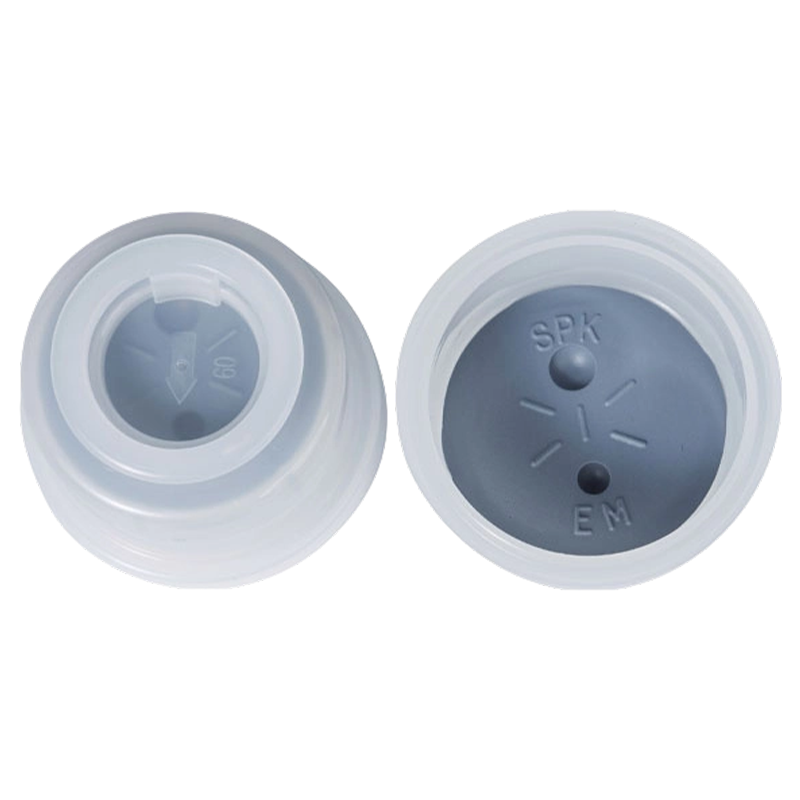 Pull-Ring Euro PP Caps for Infusion BottlesTamper-evident polypropylene closures with an integrated pull-ring, designed for infusion and solution bottles and manufactured under pharmaceutical quality systems.View Product →
Those thread profiles belong to the container system rather than to the 400 series, but the manufacturing questions are identical to the ones a 24-410 buyer should be asking: cavity dimensions, resin lot control, and inspection records that follow the tool through the shift.
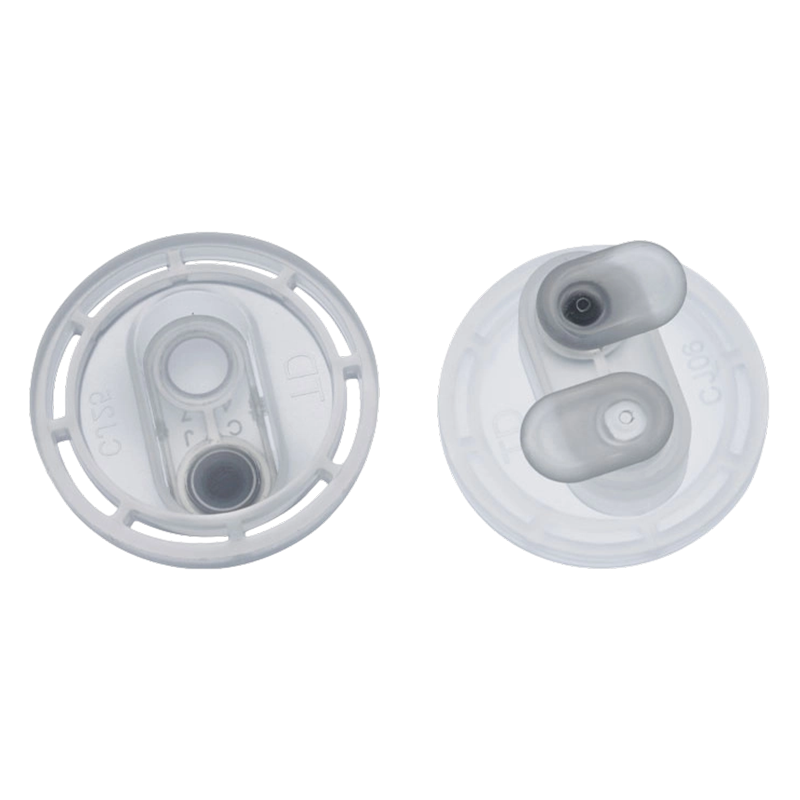 Twin-Port Euro PP Caps for Infusion ContainersDual-port polypropylene closures providing two self-sealing access points for sequential additive administration in infusion, TPN, and irrigation fluid packaging.View Product →
If your project sits on the pharmaceutical side, closure design logic is covered in more depth in this guide to aluminum-plastic caps for vials.
Tolerances, Liners and Torque: Where Leaks Come From
Once the thread matches, sealing depends on three variables working together: the sealing land on the neck, the liner inside the cap, and the torque your capping head applies.
Liner choice
- PE foam: the low cost default for water based products, forgiving on uneven necks, weak against solvents.
- EPE foam: softer and more compressible, useful when neck finishes vary between bottle suppliers.
- Solid LDPE disc: good for aggressive formulas, but it needs a consistent sealing land.
- Induction foil: bonds to the neck for tamper evidence, and needs a compatible bottle resin plus a validated sealing head.
- Plug or valve liner: seals by compression rather than a flat disc, common on pumps and sprayers.
Torque and back off
Many 24-410 lines run application torque in the 12 to 18 inch pound range, then confirm removal torque and back off after the filled bottle has rested for a day. Back off is the quiet failure mode: a cap that leaves the capping head at perfect torque and loosens overnight usually points to thread friction, a stretched liner or a neck that is out of round.
Leak testing should use the real product at the real fill temperature, not water. Surfactants, oils and alcohol based sanitizers find paths through a liner that water never will.
Checks Before a Bulk Order Is Released
- Match the cap to the bottle drawing rather than to the previous supplier's cap, because a copied part can carry a copied error.
- Measure at least ten bottles from the production cavity, checking thread diameter, neck height, bore and sealing land width.
- Run an application torque study on the actual filling line at production speed, not by hand in the office.
- Leak test under vacuum or pressure with the real formula, then repeat after a temperature cycle.
- Store filled samples for four weeks at elevated temperature and check weight loss, cap back off and any stress cracking around the shoulder.
- Inspect colour and decoration under the lighting the end customer will see, since a shade that passes in the warehouse often fails on a retail shelf.
Specifying a Custom 24-410 Closure
A custom 24-410 closure is a tooling project before it is a purchase order. The useful inputs are a neck drawing with tolerances, a filled bottle sample, the target application torque, line speed, the product formula and the decoration brief. With those in hand a molder can advise on cavity count, resin grade, liner and minimum order quantity before any steel is cut.
Ask about PP homopolymer versus copolymer as well. Homopolymer gives stiffness and a clean thread, while copolymer buys impact strength for a bottle that gets dropped. For a hand soap pack the difference rarely matters, for a large refill jug it often does.
If you are weighing a 24-410 project, send the neck drawing and a bottle sample through our contact page and we will review the finish, the liner and the capping window with you before tooling is discussed.
A 24-410 cap is a 24 mm closure for a 410 continuous thread, and that description covers the neck it fits, not the job it does. The closure still has to match the thread height, seal on the neck land, survive the torque of your capping head and hold the formula inside for the shelf life you promise. Get the drawing, measure the bottles, test with the real product, and the finish code stops being a risk and becomes a straightforward specification.
Related products
-
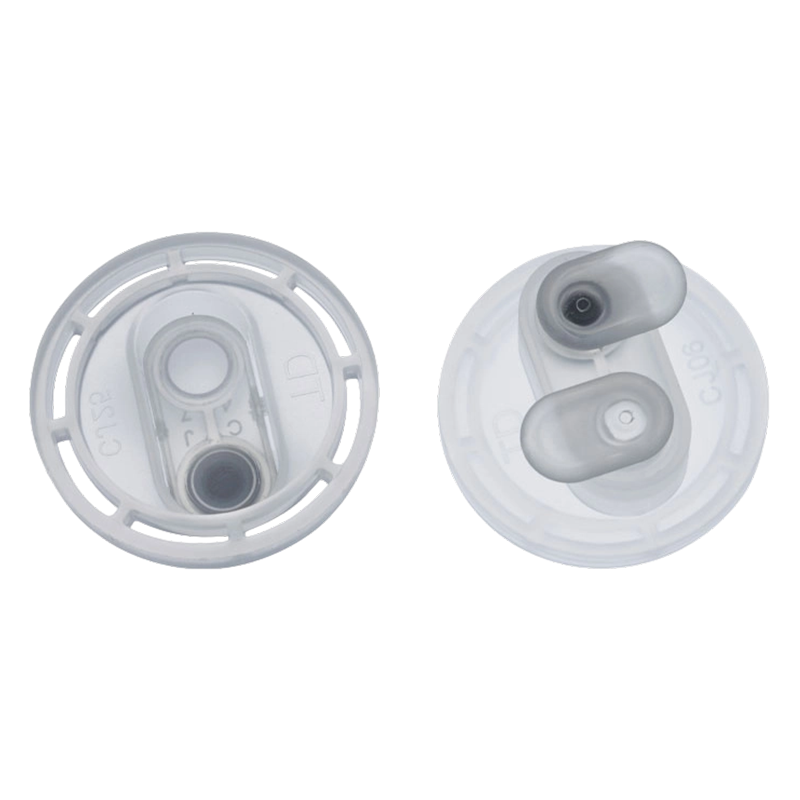
A standardized dual-port polypropylene cap designed for infusion and solution bottles. This integrated solution ensures reliable closure and provides two distinct, self-sealing access points for safe ...
View More -
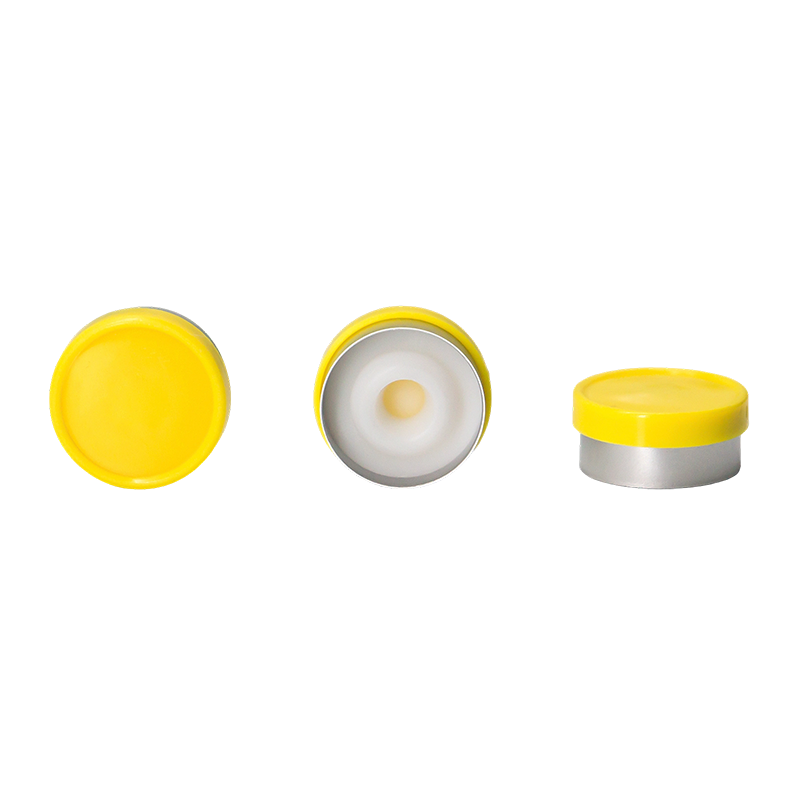
A secure and user-friendly sealing solution designed specifically for oral liquids. It ensures reliable product integrity, leak-proof performance, and compliance with safety standards. Featuring a flo...
View More -
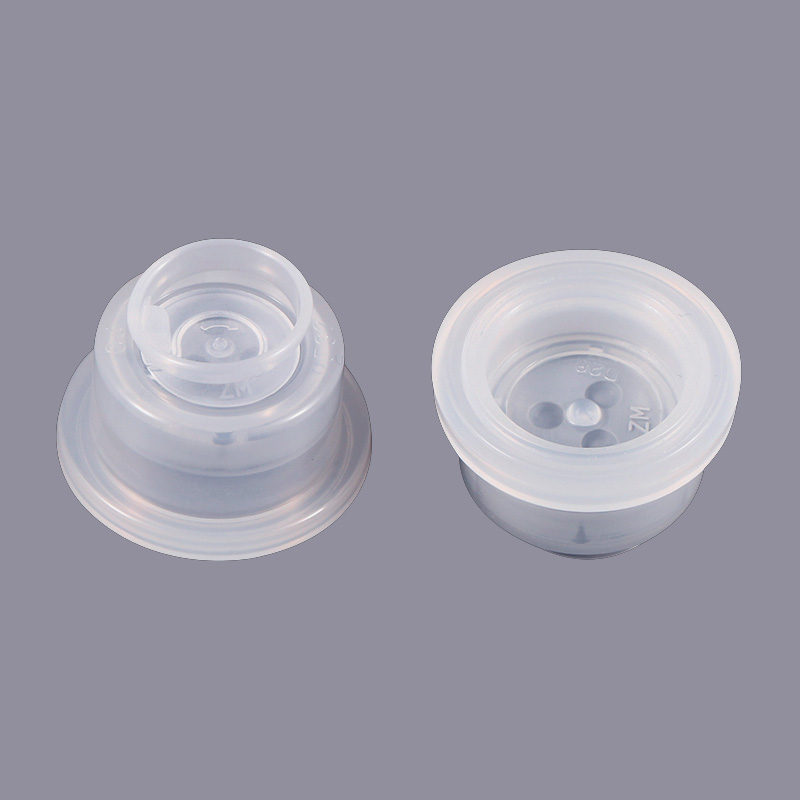
A standardized pull-ring polypropylene cap designed for infusion and solution bottles. This tamper-evident solution ensures reliable closure and provides an integrated pull-ring for safe, tool-free ac...
View More -
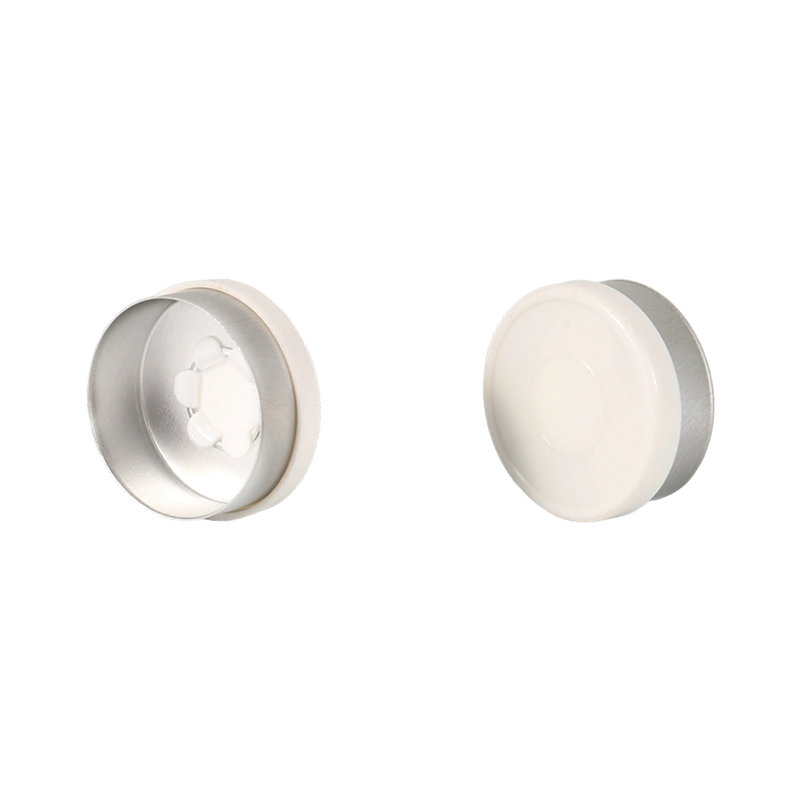
A reliable and tamper-evident sealing solution designed for standard injection vials. It ensures container seal integrity and safe needle access for liquid medications. A professional sealing componen...
View More -
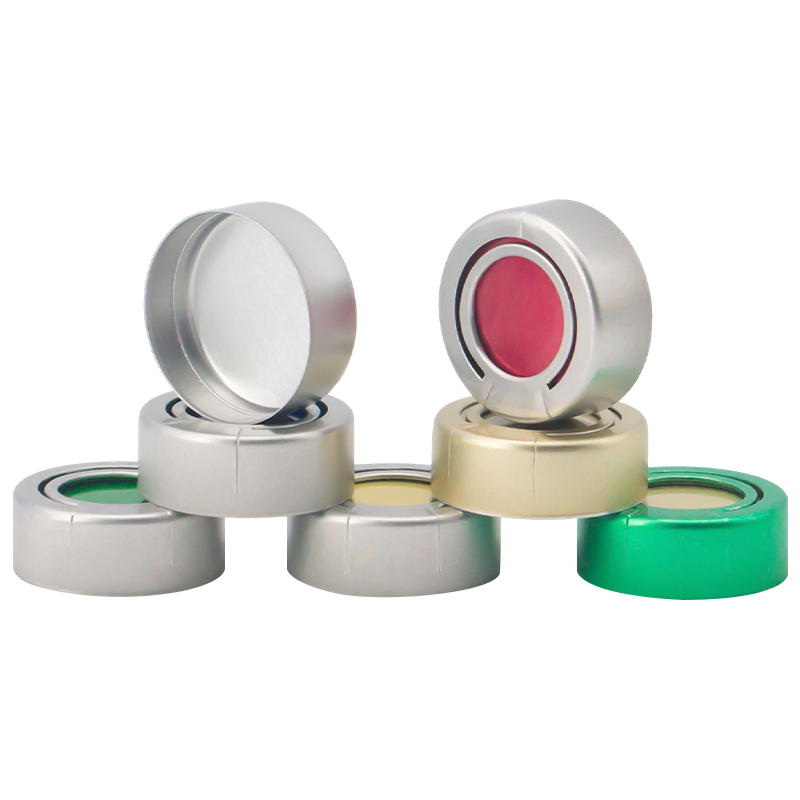
A tamper-evident aluminum seal designed for injection vials. It features an integrated pull-ring that, when pulled, removes the entire aluminum cap cleanly from the vial neck, leaving the rubber stopp...
View More -
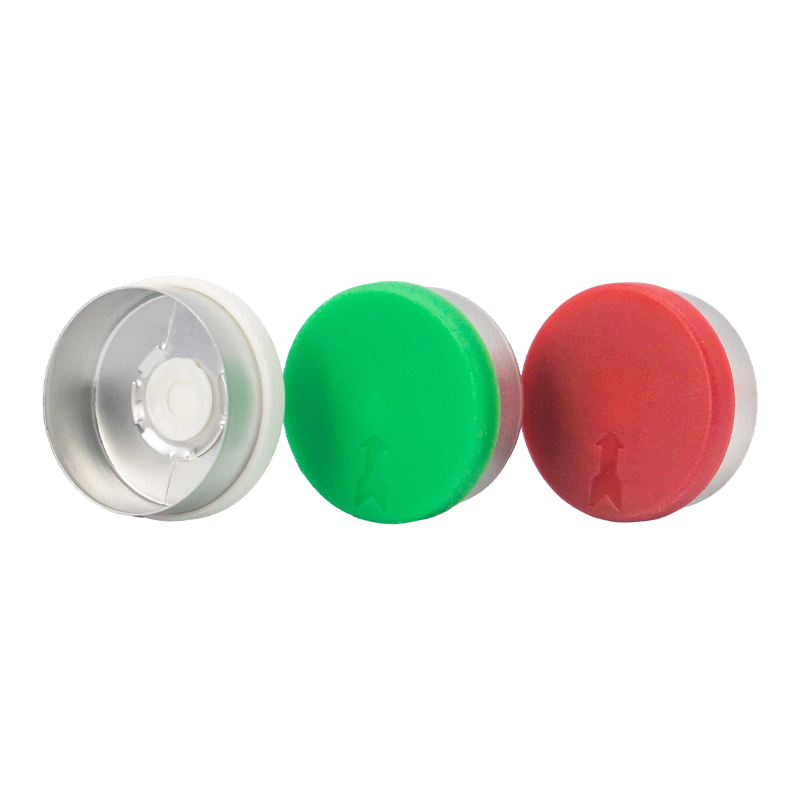
A specialized sealing cap designed for pharmaceutical injection vials. It features an easy-tear design on the aluminum cap, allowing users to open it quickly and reliably, with a near 100% opening suc...
View More
-
Get In Touch
 +86 511 8813 2922
 +86 139 5290 2286
 lilian@changjianglids.com
 No. 1 Mingzhu Road, Youfang Industrial Park, Yangzhong City, Zhenjiang, Jiangsu, China
The information provided on this website is intended for use only in countries and jurisdictions outside of the People's Republic of China.
-
Product
Aluminum-Plastic Caps Aluminum Caps Euro PP Caps PP Containers for Contact Lens with Foil Seal Plastic Hanger for Infusion Bottle Plastic Jerry Can -
WhatsApp
Chris

-
WeChat
Lilian

Copyright © 2025 Jiangsu Changjiang Lids Co., Ltd. All Rights Reserved.
OEM Pharmaceutical Packaging Manufacturer
Pharmaceutical Cap Supplier
