
 English
 русский
 简体中文
简体中文


Home / News / Industry News / What Is an Aluminum-Plastic Cap for Vials? Types, Uses, and How to Choose the Right One
What Is an Aluminum-Plastic Cap for Vials? Types, Uses, and How to Choose the Right One
2026.03.12
Content
- 1 What Is an Aluminum-Plastic Cap and Why Does It Matter?
- 2 The Three Main Categories of Aluminum-Plastic Caps
- 3 Materials and Construction: What Goes Into a Quality Cap
- 4 Regulatory Standards and Compliance Requirements
- 5 How to Choose the Right Aluminum-Plastic Cap for Your Application
- 6 Quality Control Testing for Aluminum-Plastic Caps
- 7 Industry Trends Shaping the Aluminum-Plastic Cap Market
- 8 Comparison of Aluminum-Plastic Cap Types at a Glance
- 9 Frequently Asked Questions About Aluminum-Plastic Caps
- 9.1 Q1: What is the difference between an aluminum crimp cap and an aluminum-plastic cap?
- 9.2 Q2: Can aluminum-plastic caps be used with plastic vials as well as glass vials?
- 9.3 Q3: How should aluminum-plastic caps be stored to maintain quality?
- 9.4 Q4: Are aluminum-plastic caps available in custom colors?
- 9.5 Q5: What documentation should a cap supplier provide?
- 9.6 Q6: What is the minimum order quantity (MOQ) for aluminum-plastic caps?
- 9.7 Q7: Are aluminum-plastic caps recyclable?
- 9.8 Q8: How do I know if a cap supplier meets GMP requirements?
When it comes to pharmaceutical packaging, the closure system is far more than a simple seal. The aluminum-plastic cap used on injection vials, infusion bottles, and oral liquid containers plays a critical role in maintaining product sterility, preventing contamination, and ensuring patient safety. Yet this small component is often overlooked when companies evaluate their packaging strategies.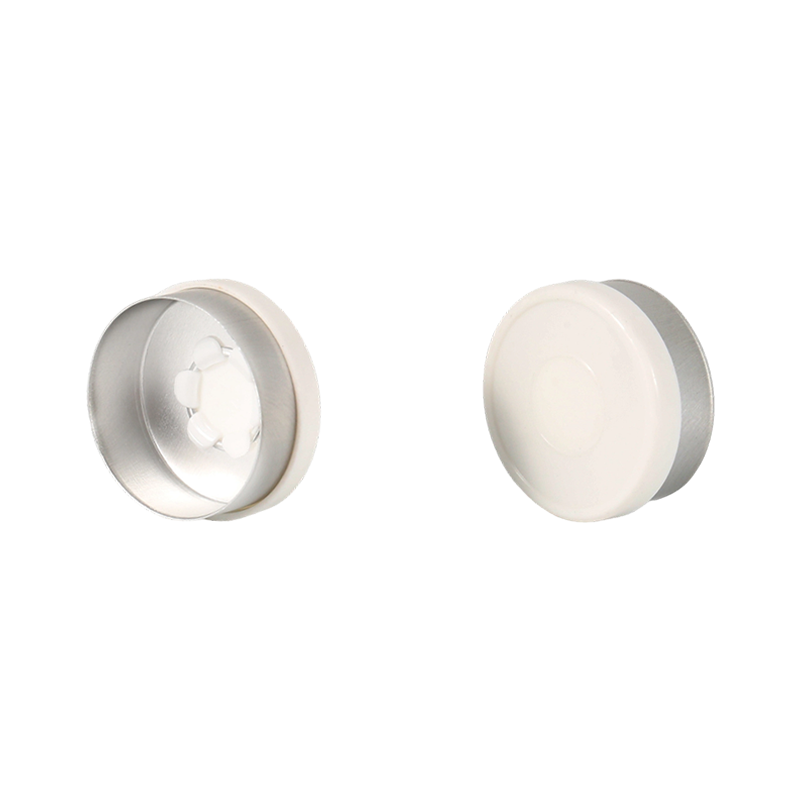
This article provides a comprehensive look at aluminum-plastic caps — what they are, how they differ by application, what materials and construction standards matter, and how pharmaceutical manufacturers and procurement teams can make the right selection. Whether you are sourcing caps for sterile injectables, large-volume infusion solutions, or oral liquid preparations, understanding the distinctions between product categories will help you avoid costly mistakes and regulatory complications.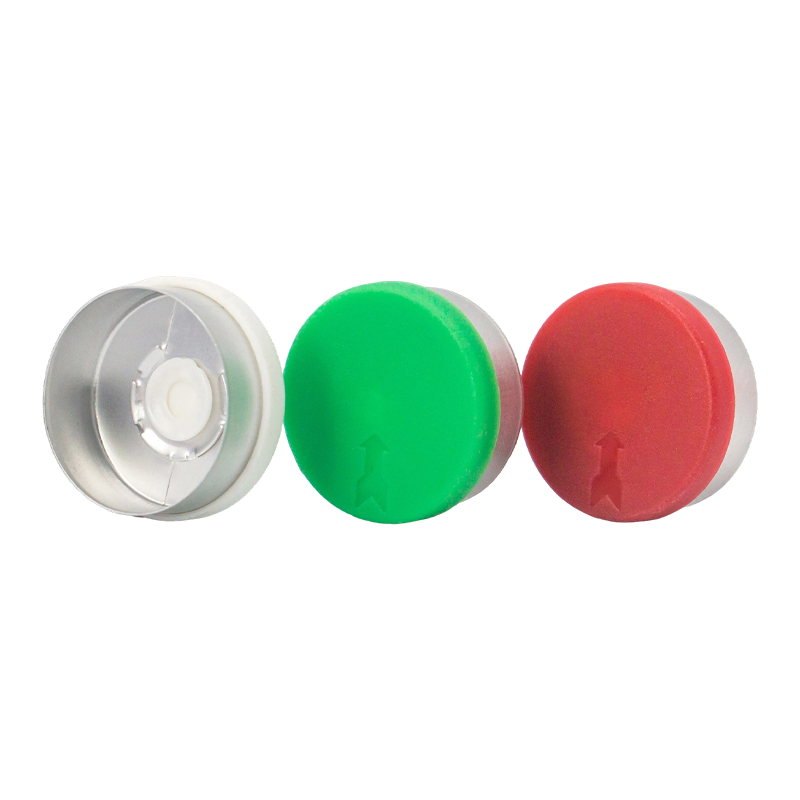
What Is an Aluminum-Plastic Cap and Why Does It Matter?
An aluminum-plastic cap is a composite pharmaceutical closure consisting of an outer aluminum shell and an inner plastic component — typically made from polypropylene (PP) or polyethylene (PE). Together, these two materials create a closure that combines the structural rigidity and tamper-evidence of aluminum with the chemical compatibility and flexibility of plastic.
Unlike pure aluminum crimp caps, aluminum-plastic caps allow for easy, tool-free removal without the need for metal-cutting devices — a significant advantage in clinical and hospital settings. Unlike all-plastic closures, they provide a robust, tamper-evident outer shell that signals package integrity at a glance.
In pharmaceutical manufacturing, closure systems must meet strict regulatory standards set by agencies such as the U.S. Food and Drug Administration (FDA), the European Medicines Agency (EMA), and national pharmacopoeial bodies including the United States Pharmacopeia (USP), European Pharmacopoeia (EP), and Chinese Pharmacopoeia (ChP). The aluminum-plastic cap must demonstrate compatibility with the container, the drug product, and the sterilization or sealing process involved.
The global pharmaceutical packaging market was valued at over $117 billion in 2023 and is expected to grow at a compound annual growth rate (CAGR) of approximately 6.1% through 2030. Closure components, including aluminum-plastic caps, represent a meaningful share of this market — particularly as demand for injectable biologics, sterile generics, and ready-to-use infusion products continues to accelerate worldwide.
The Three Main Categories of Aluminum-Plastic Caps
While aluminum-plastic caps share a common composite construction, the specific design, dimensions, and performance requirements vary significantly depending on the type of pharmaceutical container they are intended to seal. The three primary categories are caps for injection vials, caps for infusion bottles, and caps for oral liquid bottles.
Aluminum-Plastic Caps for Injection Vials
Injection vial caps are used to seal small-volume parenteral (SVP) products — typically glass or plastic vials containing between 1 mL and 100 mL of sterile drug solution, suspension, or lyophilized powder. These caps work in conjunction with a rubber stopper (butyl or bromobutyl) that sits inside the vial neck. The aluminum-plastic cap crimps over the stopper and the vial flange, creating a sealed, tamper-evident closure.
The plastic flip-off button on top of the cap allows the user to expose the rubber stopper for needle penetration — whether for reconstitution with a diluent, direct withdrawal of the drug, or connection to an infusion line. This flip-off design is one of the most widely used closure formats in the global injectable drug market.
Key performance requirements for injection vial caps include:
- Tight crimp seal integrity to maintain sterility throughout shelf life
- Compatibility with terminal sterilization processes (autoclaving at 121°C)
- Resistance to cracking, deformation, or corrosion during storage and transport
- Consistent flip-off force within specified ranges (typically 10–50 N)
- Dimensional precision for compatibility with standard vial neck finishes (13 mm, 20 mm, 28 mm, 32 mm)
- Particle cleanliness standards to prevent contamination of sterile drug products
Common applications include vaccines, antibiotics, hormones, oncology drugs, lyophilized biologics, and small-volume sterile solutions. With the rapid expansion of the biologics and biosimilar sector, demand for high-quality injection vial closures has grown substantially. Industry data suggests that over 16 billion vials were produced globally in 2022, a number that continues to rise year over year.
Aluminum-Plastic Caps for Infusion Bottles
Infusion bottle caps are designed to seal large-volume parenteral (LVP) containers — typically glass or plastic bottles ranging from 50 mL to 1,000 mL or more — used in intravenous (IV) therapy. These products include normal saline, glucose solutions, lactated Ringer's solution, amino acid solutions, and lipid emulsions.
Infusion bottle caps must accommodate two distinct access points: one for connecting the IV administration set and one for adding medication (additive port). The cap design therefore tends to be more complex than a simple flip-off closure, often incorporating dual or combination ports with different rubber membrane configurations.
Key considerations for infusion bottle caps include:
- Compatibility with large-format vial or bottle neck finishes (28 mm, 32 mm, 38 mm)
- Dual-port or combination-port designs to support IV administration and drug addition
- Robust seal integrity under pressure variation during autoclaving and transport
- Resistance to leaching or interaction with the infusion solution over extended storage
- Ease of use for nursing staff in clinical environments, with clear visual indicators of tamper evidence
Infusion therapy is one of the largest segments of hospital-based pharmaceutical consumption. Global demand for IV solutions exceeds 10 billion units annually, with particularly strong growth in Asia-Pacific and emerging market hospitals where IV fluid usage rates are high. The reliability and regulatory compliance of the cap used on infusion bottles directly affects patient outcomes in critical care, surgery, and routine hydration therapy.
Aluminum-Plastic Caps for Oral Liquid Bottles
Oral liquid bottle caps serve a different function from their parenteral counterparts. Rather than maintaining sterility for injection, they are designed to seal non-sterile or low-bioburden liquid preparations — including syrups, suspensions, solutions, and tinctures — intended for oral administration.
These caps are typically used on glass oral liquid bottles with standard neck finishes (18 mm, 20 mm, 22 mm, 28 mm). The aluminum outer shell provides tamper evidence and a secure closure, while the inner plastic liner or insert protects the product from contact with bare metal and ensures chemical compatibility with the liquid formulation.
Unlike injection and infusion caps, oral liquid caps do not require the same level of particle cleanliness or crimp integrity, but they must still meet pharmacopoeial standards for chemical resistance, migration testing, and tamper-evidence. Child-resistant (CR) versions are also available and increasingly required by regulatory agencies for certain drug categories.
Key applications include traditional Chinese medicine (TCM) oral liquids, cough syrups, pediatric preparations, vitamins and supplements in liquid form, and health-function beverages sold through pharmacy channels. This segment is particularly significant in markets such as China, where oral liquid drug formulations represent a substantial portion of the domestic pharmaceutical market.
Materials and Construction: What Goes Into a Quality Cap
The quality of an aluminum-plastic cap is determined by the materials used, the precision of manufacturing, and the consistency of quality control. Understanding the material composition helps procurement teams and quality assurance professionals evaluate suppliers and specifications more effectively.
Aluminum Component
The outer aluminum shell is typically made from pharmaceutical-grade aluminum alloy, most commonly 8011-H14 or 1070-H24 designations, which offer the right balance of formability, corrosion resistance, and surface finish quality. The aluminum must be free of heavy metal contamination, surface defects, and oxidation spots that could compromise the crimp or the appearance of the finished cap.
Aluminum thickness typically ranges from 0.20 mm to 0.35 mm depending on the cap size and application. Injection vial caps tend to use thinner aluminum due to smaller diameters, while infusion bottle caps require thicker material to maintain structural integrity over larger diameters.
Surface treatment options include lacquering (color-coded for product identification), printing (for brand or product labeling), and anodizing (for enhanced corrosion resistance). Color coding is a widely used practice in pharmaceutical facilities to differentiate drug products visually and reduce medication errors.
Plastic Component
The inner plastic insert — commonly the flip-off button or liner — is typically made from medical-grade polypropylene (PP) or polyethylene (PE). These materials are chosen for their low extractable and leachable profiles, compatibility with sterilization processes, and mechanical properties that allow controlled deformation during flip-off without fragmentation.
The plastic must comply with pharmacopoeial standards for plastics in contact with pharmaceutical products, including USP <661>, EP 3.1 series, and ChP relevant monographs. Extractables and leachables (E&L) testing is an increasingly important requirement, particularly for biologic drug products where trace contamination can trigger immunogenic responses.
Assembly and Integration
The aluminum and plastic components are assembled under controlled manufacturing conditions, typically in ISO-classified cleanrooms. The plastic insert is pressed or snapped into the aluminum shell with precise dimensional tolerances to ensure consistent performance during capping and sealing on high-speed pharmaceutical filling lines.
Final caps are subjected to washing, drying, and sometimes silicone treatment before packaging. Finished goods are packaged in PE bags or cartons and may be supplied in bulk or in ready-to-use (washed and depyrogenated) formats depending on the customer's requirements.
Regulatory Standards and Compliance Requirements
Regulatory compliance is not optional for pharmaceutical closures — it is a prerequisite for market access. Aluminum-plastic caps must satisfy a range of international and regional standards depending on the intended market. The following table summarizes the key regulatory frameworks applicable to each cap category.
| Cap Type | Applicable Standards | Key Test Requirements |
|---|---|---|
| Injection Vial Cap | USP <660>, EP 3.6.1, ISO 8536, ChP YBB | Seal integrity, crimp force, particle cleanliness, E&L testing |
| Infusion Bottle Cap | ISO 8536-4, EP 3.1.3, ChP YBB | Dual-port integrity, autoclaving compatibility, chemical resistance |
| Oral Liquid Bottle Cap | ChP YBB, EP 3.1.3, ISO 8317 (CR) | Migration testing, tamper evidence, child-resistance (where applicable) |
Manufacturers supplying caps to regulated markets must also maintain a Drug Master File (DMF) or equivalent documentation package that can be referenced by pharmaceutical companies during their own regulatory submissions. In the U.S., this takes the form of a Type III DMF for packaging components. In Europe, the equivalent mechanism involves a Master Access File (MAF) submitted to the EMA.
Good Manufacturing Practice (GMP) certification — including FDA 21 CFR Part 211, EU GMP Annex 1 (for sterile product closures), and ISO 15378 (primary packaging materials for medicinal products) — is increasingly expected by global pharmaceutical customers as a baseline supplier qualification requirement.
How to Choose the Right Aluminum-Plastic Cap for Your Application
Selecting the correct cap involves more than matching a diameter. Procurement teams, packaging engineers, and quality managers must consider a range of functional, regulatory, and operational factors. The following framework provides a practical guide to cap selection.
Step 1 — Define the Container and Drug Product
Begin with the container: Is it a glass vial, a plastic vial, an infusion bottle, or an oral liquid bottle? What is the neck finish diameter and type? Is the container made from Type I borosilicate glass (for injectables) or lower-grade glass (for oral use)?
Next, define the drug product: Is it a sterile injectable or infusible? Is it a biological product sensitive to metal ions or trace leachables? Is it an oral liquid formulation with specific pH or solvent characteristics that could affect plastic compatibility?
Step 2 — Identify the Sterilization and Processing Requirements
Will the capped container undergo terminal steam sterilization (autoclaving)? If so, the cap must withstand temperatures of 121°C for at least 15 minutes without deforming, discoloring, or losing seal integrity. This requirement alone eliminates many low-grade closure options from consideration.
Is the capping process performed in an aseptic filling environment? If so, caps may need to be pre-washed and supplied ready-to-use (RTU) in certified packaging. RTU caps eliminate the on-site washing step and reduce the risk of particulate contamination during filling.
Step 3 — Evaluate Supplier Qualifications
Supplier evaluation should include review of GMP certifications, quality management systems, in-process and finished product testing protocols, and regulatory filing history. Ask suppliers for certificates of analysis (CoA), batch records, and evidence of successful audits by major pharmaceutical customers or regulatory agencies.
Supply chain stability is also a critical factor. The COVID-19 pandemic exposed significant vulnerabilities in pharmaceutical packaging supply chains. Suppliers with diversified raw material sourcing, robust inventory management, and multiple production lines offer better supply security than single-source, single-line operations.
Step 4 — Conduct Container Closure Integrity Testing
Once a cap candidate is selected, container closure integrity testing (CCIT) must be conducted to confirm that the complete system — container, stopper, and cap — maintains seal integrity under defined conditions. Methods include vacuum decay testing, helium leak testing, and dye ingress testing. Regulatory agencies increasingly favor deterministic CCIT methods over probabilistic methods such as dye ingress for sterile product submissions.
Quality Control Testing for Aluminum-Plastic Caps
Quality control for aluminum-plastic caps encompasses both incoming material testing and finished goods inspection. The following tests are commonly applied across cap categories:
- Dimensional inspection: Outer diameter, inner diameter, height, and wall thickness are measured against specification using calibrated gauges or vision inspection systems.
- Flip-off force test: The force required to remove the plastic flip-off button is measured to ensure it falls within the specified range — tight enough for tamper evidence, loose enough for easy removal in clinical use.
- Seal integrity test: The capped container system is tested for leakage under vacuum or pressure conditions.
- Particle cleanliness: Caps are visually and microscopically inspected for surface contamination, metal particles, or plastic flash that could introduce foreign matter into the drug product.
- Corrosion resistance: Caps are subjected to humidity chamber or salt spray testing to verify aluminum surface integrity over time.
- Chemical resistance: The plastic component is exposed to simulated drug product or standard chemical solutions to verify no significant degradation or discoloration occurs.
- Autoclaving resistance: For caps intended for terminally sterilized products, samples are autoclaved at 121°C and then inspected for deformation, color change, or seal failure.
Statistical process control (SPC) and Acceptable Quality Level (AQL) sampling plans — typically aligned with ISO 2859-1 — are standard practice for production batch release. Critical attributes such as seal integrity and particle cleanliness are typically assigned AQL levels of 0.65 or tighter, reflecting their direct impact on patient safety.
Industry Trends Shaping the Aluminum-Plastic Cap Market
Growth of Biologics and Biosimilars
The rapid expansion of the biologics and biosimilar sector is creating sustained demand for high-quality injection vial closures. Biologic drugs — including monoclonal antibodies, vaccines, and cell therapies — are highly sensitive to trace contamination and require closures with tightly controlled extractables and leachables profiles. This is driving a shift toward premium-grade caps with enhanced testing documentation and supply chain transparency.
Serialization and Track-and-Trace Requirements
Regulatory requirements for pharmaceutical serialization — including the U.S. Drug Supply Chain Security Act (DSCSA) and EU Falsified Medicines Directive (FMD) — are pushing manufacturers to integrate unique identifiers into packaging systems. While serialization typically occurs at the carton level, cap color coding and printing are increasingly used as secondary visual verification tools at the unit level.
Sustainability and Material Efficiency
Environmental sustainability is becoming a material consideration in pharmaceutical packaging decisions. Aluminum is infinitely recyclable without loss of quality, giving aluminum-plastic composite caps an inherent sustainability advantage over all-plastic closures in terms of end-of-life recyclability. Some manufacturers are exploring designs that simplify material separation to improve recycling efficiency, as mixed-material composites can present challenges at recycling facilities.
Automation and High-Speed Production Compatibility
Pharmaceutical filling lines are operating at increasing speeds — modern vial filling and capping lines can process 400 to 600 vials per minute or more. Caps must be manufactured with extremely tight dimensional tolerances to perform reliably at these speeds without jamming, misfiring, or generating particulates. Suppliers who invest in automated quality inspection systems — including 100% vision inspection on production lines — are better positioned to meet the demands of high-speed pharmaceutical customers.
Comparison of Aluminum-Plastic Cap Types at a Glance
| Parameter | Injection Vial Cap | Infusion Bottle Cap | Oral Liquid Bottle Cap |
|---|---|---|---|
| Typical Diameter | 13 mm, 20 mm, 28 mm, 32 mm | 28 mm, 32 mm, 38 mm | 18 mm, 20 mm, 22 mm, 28 mm |
| Sterility Requirement | High (sterile product) | High (sterile product) | Lower (non-sterile) |
| Autoclave Compatible | Yes (required) | Yes (required) | Not typically required |
| Closure Design | Flip-off button over stopper | Dual/combination port | Screw or crimp closure |
| Primary Regulatory Standard | USP, EP, ChP YBB | ISO 8536, EP, ChP YBB | ChP YBB, EP |
| Child-Resistant Option | Not typical | Not typical | Available (ISO 8317) |
Frequently Asked Questions About Aluminum-Plastic Caps
Q1: What is the difference between an aluminum crimp cap and an aluminum-plastic cap?
A pure aluminum crimp cap is made entirely of aluminum and requires a decapper tool for removal. An aluminum-plastic cap incorporates a plastic flip-off button or insert that allows the user to expose the rubber stopper without tools. The aluminum-plastic design is now the dominant format for injection vials globally due to its ease of use in clinical environments and its compatibility with modern capping equipment.
Q2: Can aluminum-plastic caps be used with plastic vials as well as glass vials?
Yes. Aluminum-plastic caps are compatible with both glass and plastic (typically cyclic olefin copolymer, or COP/COC) vials, provided the neck finish dimensions match the cap specifications. Plastic vials are gaining traction in markets where breakage risk, weight reduction, or regulatory requirements for non-glass containers are relevant.
Q3: How should aluminum-plastic caps be stored to maintain quality?
Caps should be stored in a clean, dry environment with controlled temperature (typically 15–25°C) and humidity (below 60% RH). They should be protected from direct sunlight, dust, and chemical exposure. Shelf life for well-stored caps is generally 2 to 5 years from the date of manufacture, though specific shelf life should be confirmed with the supplier based on product-specific stability data.
Q4: Are aluminum-plastic caps available in custom colors?
Yes. Custom color coding is a standard service offered by most cap manufacturers. Colors are applied via lacquering during the aluminum sheet processing stage and are available in a wide range of standard and custom colors. Pharmaceutical companies use color coding to differentiate drug products, dosage strengths, or pack sizes — an important visual safety mechanism in busy clinical environments.
Q5: What documentation should a cap supplier provide?
A qualified supplier should be able to provide: a Certificate of Analysis (CoA) for each batch, material specifications for aluminum and plastic components, GMP certification documentation, extractables and leachables data (especially for injectable applications), CCIT compatibility data, Drug Master File (DMF) reference number (for U.S. market), and audit reports or third-party inspection records.
Q6: What is the minimum order quantity (MOQ) for aluminum-plastic caps?
MOQ varies significantly by supplier and cap type. For standard catalog sizes, MOQ can range from as low as 50,000 to 100,000 units per order. For custom sizes, colors, or formats, MOQ is typically higher — often 500,000 units or more — to justify tooling and setup costs. Large-scale pharmaceutical manufacturers typically order in quantities of tens of millions per year per SKU.
Q7: Are aluminum-plastic caps recyclable?
The aluminum component of the cap is technically recyclable. However, because the cap is a composite of aluminum and plastic, separation of the two materials is required before recycling can occur. Some recycling programs accept mixed-material pharmaceutical packaging, while others require pre-sorting. Suppliers and end-users who prioritize sustainability should work with waste management partners to establish appropriate end-of-life pathways.
Q8: How do I know if a cap supplier meets GMP requirements?
Verification of GMP compliance involves reviewing the supplier's quality management system certifications (ISO 15378, ISO 9001), conducting on-site audits, reviewing customer audit reports, and checking whether the supplier has been successfully qualified by recognized pharmaceutical manufacturers. Suppliers with a track record of supplying to regulated markets in the U.S., EU, and Japan generally meet a high baseline standard of quality system compliance.
Related products
-
A durable and portable liquid storage solution designed for safe transportation and handling of non-hazardous to semi-hazardous fluids. It ensures secure containment, easy pouring, and reliable perfor...
View More -
A precision sealing solution designed for cartridge-based drug delivery systems, such as pre-filled syringes and pen injectors. It ensures sterile integrity and safe, reliable needle access for inject...
View More -

A reliable and tamper-evident sealing solution designed for standard injection vials. It ensures container seal integrity and safe needle access for liquid medications. A professional sealing componen...
View More -
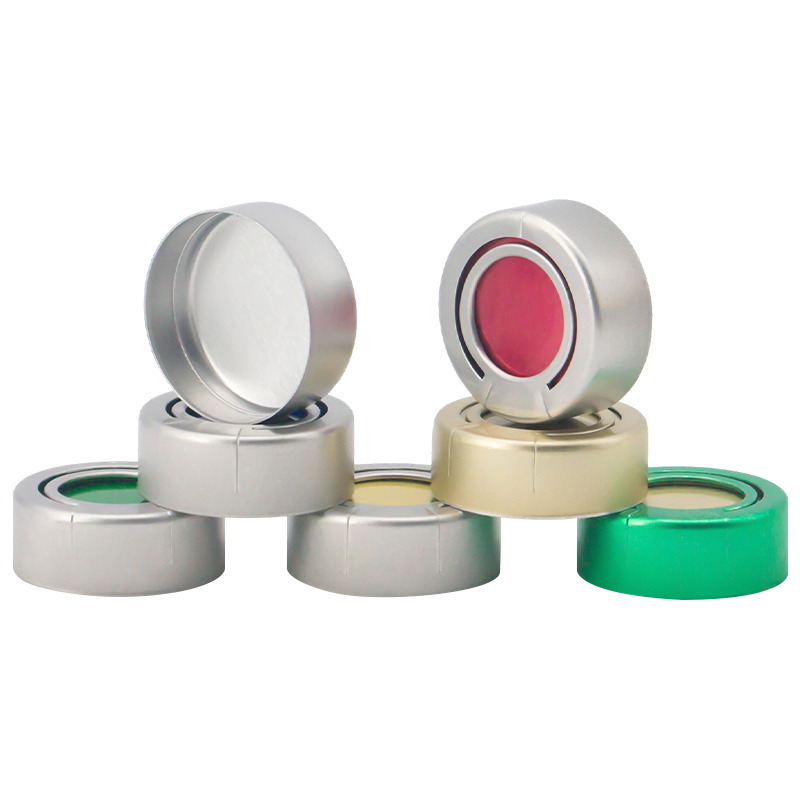
A tamper-evident aluminum seal designed for injection vials. It features an integrated pull-ring that, when pulled, removes the entire aluminum cap cleanly from the vial neck, leaving the rubber stopp...
View More -

A specialized sealing cap designed for pharmaceutical injection vials. It features an easy-tear design on the aluminum cap, allowing users to open it quickly and reliably, with a near 100% opening suc...
View More -
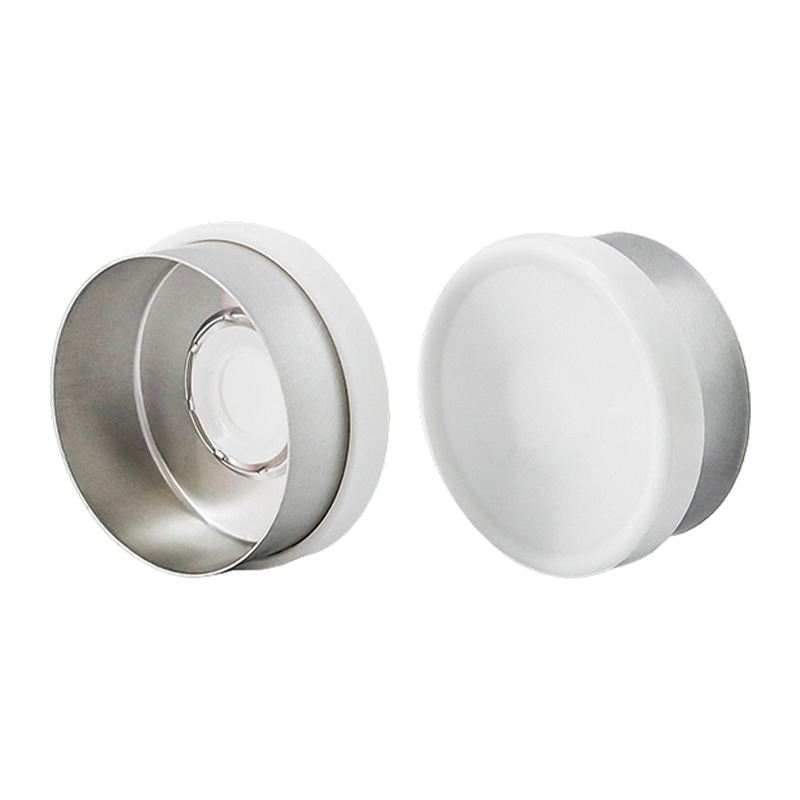
A specialized sealing cap designed for infusion bottles, consisting of a bridge-type aluminum cap and a plastic cap. ZB structural design offers the advantage of low opening force, and upon removal o...
View More
-
Get In Touch
 +86 511 8813 2922
 +86 139 5290 2286
 lilian@changjianglids.com
 No. 1 Mingzhu Road, Youfang Industrial Park, Yangzhong City, Zhenjiang, Jiangsu, China
The information provided on this website is intended for use only in countries and jurisdictions outside of the People's Republic of China.
No. 1 Mingzhu Road, Youfang Industrial Park, Yangzhong City, Zhenjiang, Jiangsu, China
The information provided on this website is intended for use only in countries and jurisdictions outside of the People's Republic of China. -
Product
Aluminum-Plastic Caps Aluminum Caps Euro PP Caps PP Containers for Contact Lens with Foil Seal Plastic Hanger for Infusion Bottle Plastic Jerry Can -
WhatsApp
Chris

-
WeChat
Lilian

Copyright © 2025 Jiangsu Changjiang Lids Co., Ltd. All Rights Reserved.
OEM Pharmaceutical Packaging Manufacturer
Pharmaceutical Cap Supplier
