
 English
 русский
 简体中文
简体中文


Home / News / Industry News / A Practical Guide to 38/400 caps: Uses, Selection, and Key Considerations
A Practical Guide to 38/400 caps: Uses, Selection, and Key Considerations
2026.09.11
Content
You hold a 2 oz bottle of acrylic paint, and the stock cap does not give you the control you want. A search for a replacement dispenser returns a long list of caps marked 38/400. That code is not a brand name. It describes the bottle neck you already have: 38 mm across the threads at the widest point, cut with a 400 thread profile. Any cap that matches those two facts will thread on cleanly. Anything else will wobble, strip, or leak. This guide explains what 38/400 means, where it is used, and how to verify compatibility before you order.
What Does the 38/400 Size Code Mean?
Every threaded closure is described by a two part finish code. The first number is the nominal outer diameter of the neck threads, measured in millimeters at the widest point. The second number, 400, is the thread profile, which defines pitch, depth, flank angle, and the number of thread starts. On a 38/400 neck, calipers typically read close to 38.0 mm, with a common tolerance of plus or minus 0.2 mm depending on the bottle grade. Remember that the cap itself often measures a little wider because of its sidewall, so always compare the finish and never the outer cap diameter.
| Finish code | Neck thread outer diameter | Common packaging examples |
|---|---|---|
| 24/400 | 24 mm | Cosmetic jars, small reagent bottles |
| 28/400 | 28 mm | Beverage bottles, lotion bottles |
| 33/400 | 33 mm | Lotion pumps, condiment squeeze bottles |
| 38/400 | 38 mm | Artist paints, chemical containers, cosmetics |
| 53/400 | 53 mm | Detergent jerry cans, bulk chemical packs |
The 400 profile is one of the most widely used thread forms in general packaging. It appears on glass and plastic, on narrow and wide mouth bottles, and especially on 2 oz cosmetic, paint, and chemical containers. Profiles such as 410 or 415 look similar but use different thread geometry, so they are not interchangeable even when the diameter matches. Listing the diameter without the profile is never enough; both numbers must match for a clean seal.
Where Do You Find 38/400 Caps?
A 38 mm opening is wide enough for a generous flow of paint, syrup, or lotion, yet small enough for a comfortable grip. This is why the code shows up on 2 oz Golden SoFlat paint bottles and on many craft, cosmetic, and industrial bottles. The demand for this single size is large enough that cap producers keep dedicated tooling for it, which keeps replacement costs low.
The 38/400 finish is most visible in the arts and craft market, where brands such as Golden SoFlat package acrylics in 2 oz bottles. Cosmetic and personal care products are the second largest group, because 38 mm provides a comfortable opening for creams, gels, and liquid soaps. Household chemicals follow, particularly trigger and dispenser pump applications that need stable thread engagement. The food category mainly includes condiments and syrups in small batch bottles. This distribution explains why so many stock caps are produced in this size. It also explains why replacement caps are widely available in both dispensing and screw-on styles.
The popularity of the 400 profile also means that a buyer can find several cap styles without paying for custom molds. Screw caps with liners, disc top caps, dropper inserts, orifice reducers, and spout caps are all available in 38/400. The 38 mm liner surface is large enough to form a reliable seal with a simple foam or induction liner.
Cap Styles and Materials for 38/400
Material choice changes how a 38/400 cap behaves during capping and in daily use. Polypropylene is the default because it is light, inexpensive, easy to color, and resistant to most paints, cosmetics, and household chemicals. High density polyethylene adds stress crack resistance, while aluminum adds barrier strength and a premium look at a higher cost. Choosing the right option depends on filling speed, torque, and required shelf life.
Screw caps are the most common 38/400 style. The continuous thread engages the neck, and a liner or plug inside the cap forms the seal. Manufacturers that already produce screw caps under pharmaceutical quality systems can extend the same mold precision and process control to other neck finishes and custom closures.
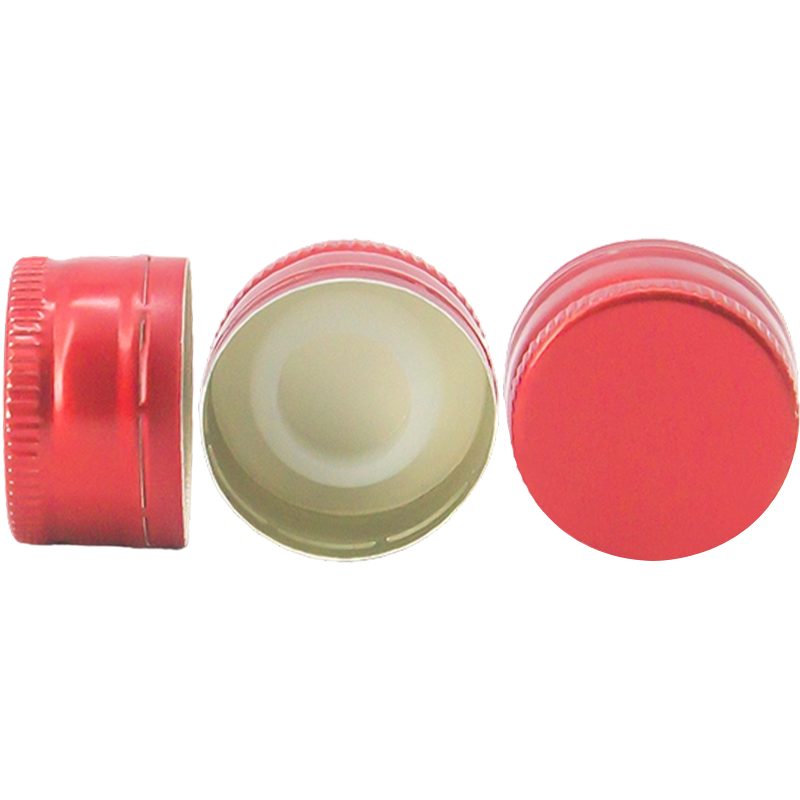 Aluminum Screw Cap for Oral Liquid BottlesThis single-piece aluminum screw cap offers tamper-evident scoring, resealable threading, and high-temperature tolerance, making it a practical choice for pharmaceutical oral liquids and supplements.View Product →
Pull ring and tear off caps are a second option when the user wants quick access without a tool. The ring tears a scored panel out of the shell, leaving a clean opening and an obvious tamper trace. These closures are common in pharmaceutical packaging, and the same production line can be configured for shorter run consumer caps.
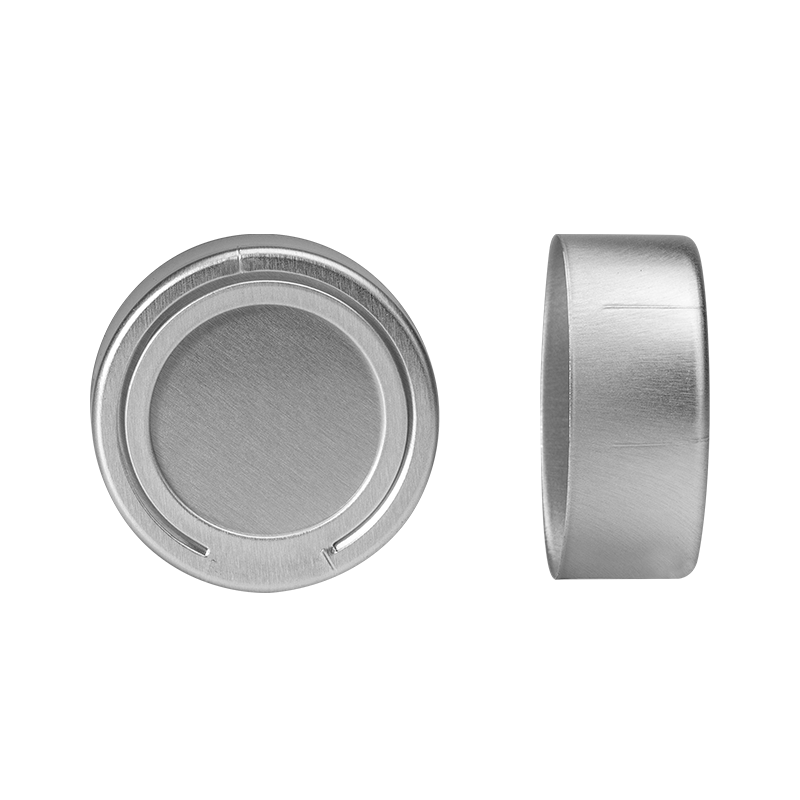 Aluminum Pull-Ring Cap for Infusion BottlesDesigned for large-volume infusion bottles, this aluminum cap features a pull-ring that removes completely in one motion, enabling fast, tool-free access to the rubber stopper with clear tamper evidence.View Product →
Plastic closures based on polypropylene or high density polyethylene cover most 38/400 needs because of their low weight and chemical resistance. One piece polypropylene caps with an integrally molded ring or spout show how far the material can go when the design is well executed.
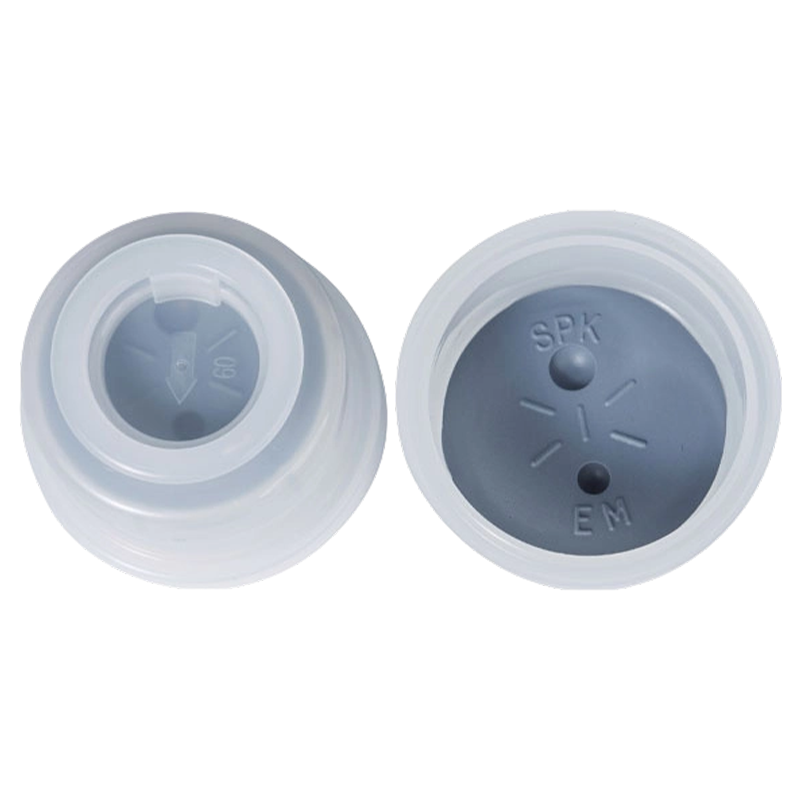 Pull-Ring Type Euro PP Caps for Infusion ContainersThis polypropylene pull-ring cap provides tamper-evident, tool-free access for plastic infusion containers, offering reliable closure under pharmaceutical quality systems for saline, glucose, and parenteral nutrition.View Product →
Choosing the right material for a 38/400 cap means weighing several properties at once. Polypropylene tops the chart on cost economy and design flexibility, because it tolerates living hinges, color matching, and fine thread detail well. Aluminum provides better seal tightness and slightly higher chemical resistance, which is why many industrial and pharmaceutical closures still use metal. On impact resistance, both materials are acceptable, but aluminum withstands rough handling better in thin gauge. The practical conclusion is that polypropylene covers most consumer packaging needs for 38/400, while aluminum becomes attractive when barrier strength or tamper evidence matters more. A hybrid cap, such as an aluminum plastic combination, can sit between the two if the application demands the benefits of both.
How to Verify That a 38/400 Cap Fits
Before ordering caps in bulk, take three measurements on the bottle neck. Use calipers to measure the outer thread diameter at the crests; it should be near 38.0 mm. Next, check the thread pitch by placing a known 38/400 cap on the neck and turning it without force. The cap should advance smoothly, with no wobble and no binding. If the cap drags on the first turn and then loosens, the thread profile is wrong or the neck is out of tolerance.
The sealing surface matters as much as the threads. A 38/400 bottle usually has a flat mouth that accepts a liner. If the rim is uneven or has flash, the cap can feel correct on the threads but still leak. Run a water fill test, close the bottle, and leave it inverted overnight. That simple check confirms whether the liner surface and the thread profile actually work together.
The chart shows a typical trade-off between two failure modes during capping. At low torque, leak failures rise quickly, because the liner is not compressed enough to block the thread path. At high torque, thread damage increases sharply, and the plastic can chip or strip, which permanently weakens the closure. Between 11 and 14 in-lb, the two curves sit at their lowest combined level, which is the practical target window for most manual and semi-automatic capping stations. The exact values change with material, liner, and bottle finish, so the shape of the curve matters more than the absolute numbers. Running a short torque sweep on a sample bottle before production is therefore the standard way to lock in the correct capping settings.
The same verification protects you when you source from a new supplier. Request a dimensional report for the cap sample and send a matching bottle for a fit test. A disciplined supplier measures every production lot rather than assuming the mold stays in tolerance forever. You can contact the manufacturer directly with your bottle drawings or samples to run that check.
Choosing a Supplier for 38/400 Caps
Once the size and style are fixed, the next decision is who manufactures the cap. Documentation is part of the product: material certificates, food contact statements, and lot traceability protect you if a bad batch appears later. Dimensional consistency is the most common source of complaints in closure sourcing, so ask how often the supplier measures from production. Prototype response speed is a practical indicator of how smooth the relationship will be.
Professional sourcing teams do not pick a cap supplier on price alone. Tolerance consistency carries the highest weight, because a cap that measures off by only a few tenths of a millimeter will leak on some bottles and jam on others. Material compliance and sample response rank next, reflecting the need for food contact statements, GMP documentation, and rapid fit testing. Customization and documentation follow, while price and lead time appear at the bottom of the list. The message for a buyer of 38/400 caps is to request dimensional reports and samples before comparing quotes. A low per-piece price cannot compensate for a closure that fails across a production batch.
A manufacturer that already serves regulated packaging is usually a safer choice, because GMP aligned workflows and in house testing translate into tighter process control. You do not need a pharmaceutical grade closure for every buyer; you need the same discipline applied to a standard 38/400 cap. You can review representative cap types on our product catalog page and shortlist the ones that fit your bottle. Then ask for samples of the exact finish, run a torque test, verify the liner, and inspect a few hundred pieces across the run.
Key Takeaways
- 38/400 means a nominal 38 mm outer thread diameter and a 400 thread profile.
- Both numbers must match; 38/410 and 38/415 are not interchangeable.
- The size is common on 2 oz paint bottles, cosmetics, household chemicals, and food containers.
- Always test fit, torque, and seal integrity before a large order.
- Select a supplier that documents dimensions and provides certified samples for every lot.
A 38/400 cap looks like a simple piece of plastic or metal, but the geometry only works when the diameter, profile, and sealing surface line up. Once you understand the code, you can compare quotes, samples, and supplier capabilities with far more confidence. When in doubt, the most reliable test is still a real bottle in your hand and a cap that turns smoothly and seals without leaking.
Related products
-
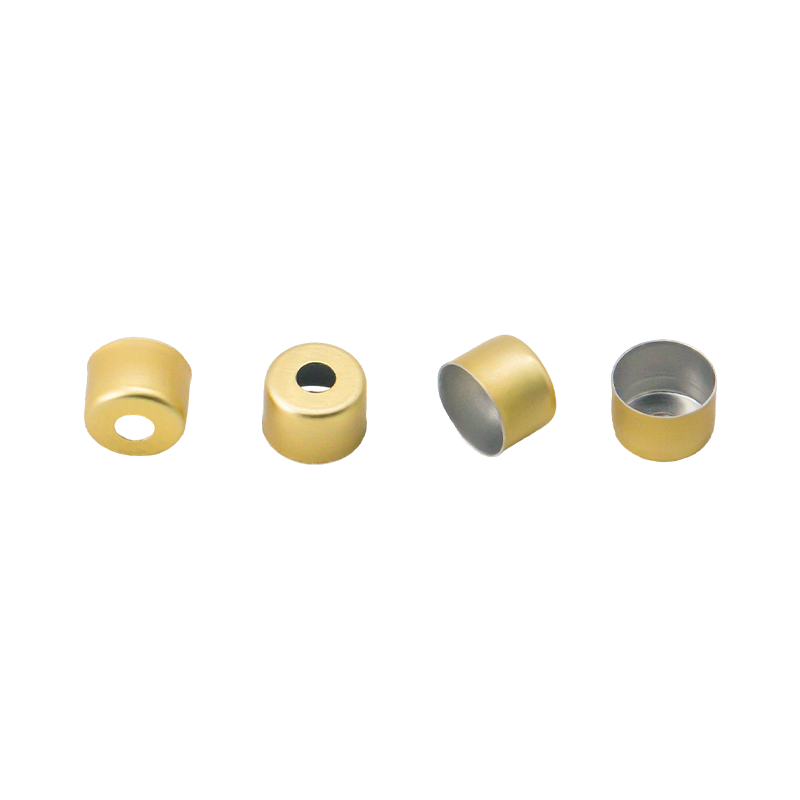
A precision sealing solution designed for cartridge-based drug delivery systems, such as pre-filled syringes and pen injectors. It ensures sterile integrity and safe, reliable needle access for inject...
View More -
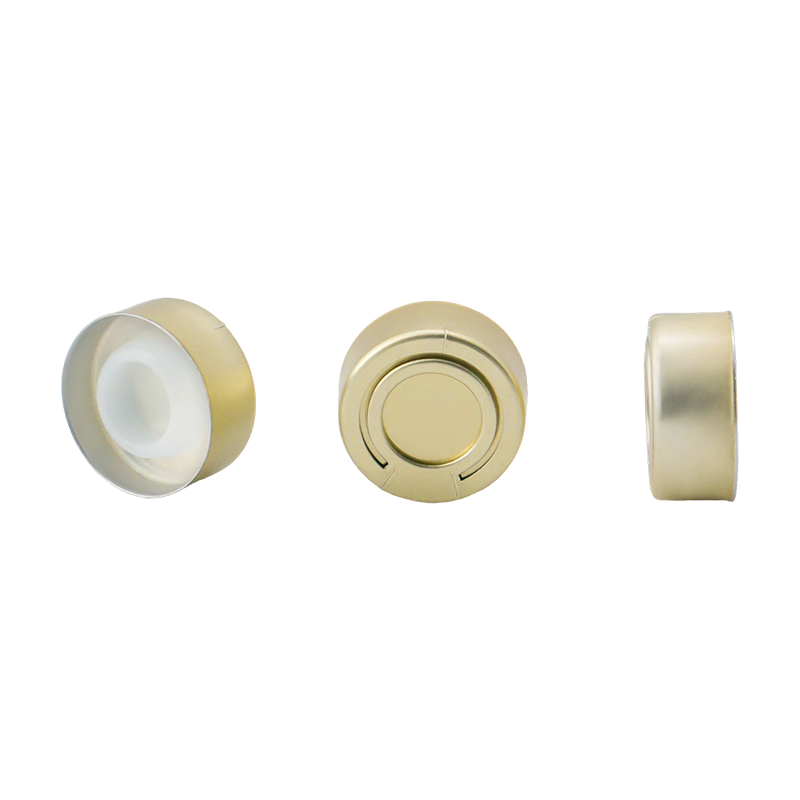
A secure and user-friendly sealing solution for oral liquid bottles. Made from a single piece of aluminum with an integral pull-ring, it is designed for easy, one-step opening by completely removing t...
View More -
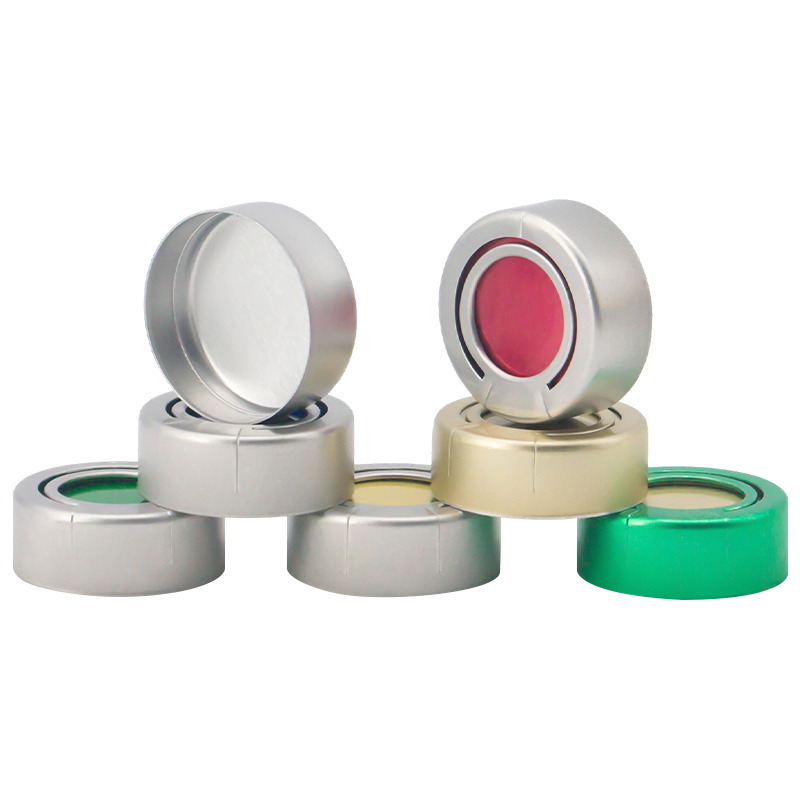
A tamper-evident aluminum seal designed for injection vials. It features an integrated pull-ring that, when pulled, removes the entire aluminum cap cleanly from the vial neck, leaving the rubber stopp...
View More -
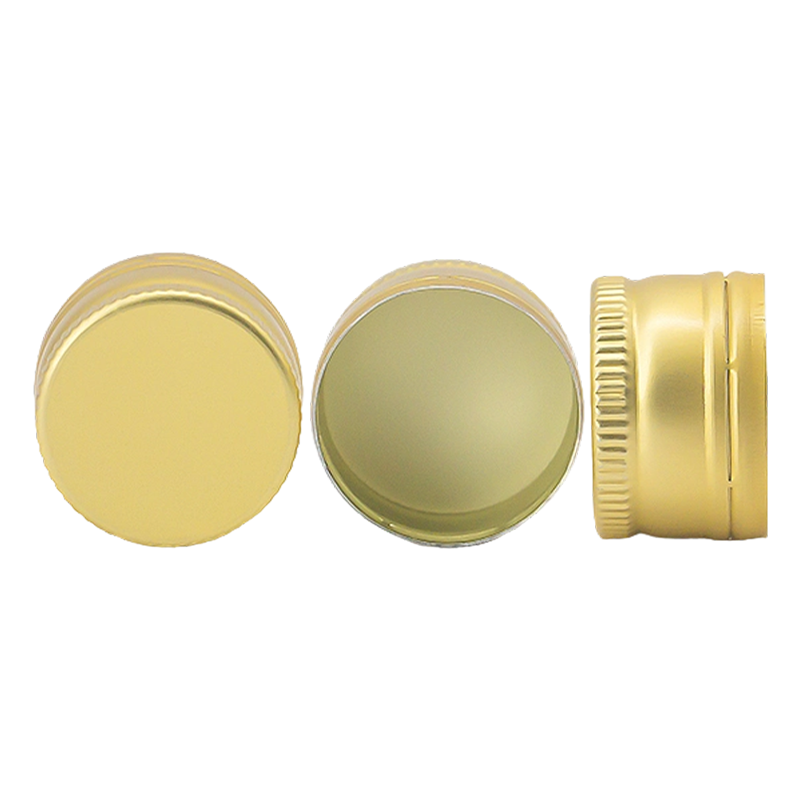
A cost-effective and durable sealing solution designed for oral liquid bottles. Made from a single piece of aluminum, it forms a secure thread by crimping onto the bottle neck, providing reliable tamp...
View More -
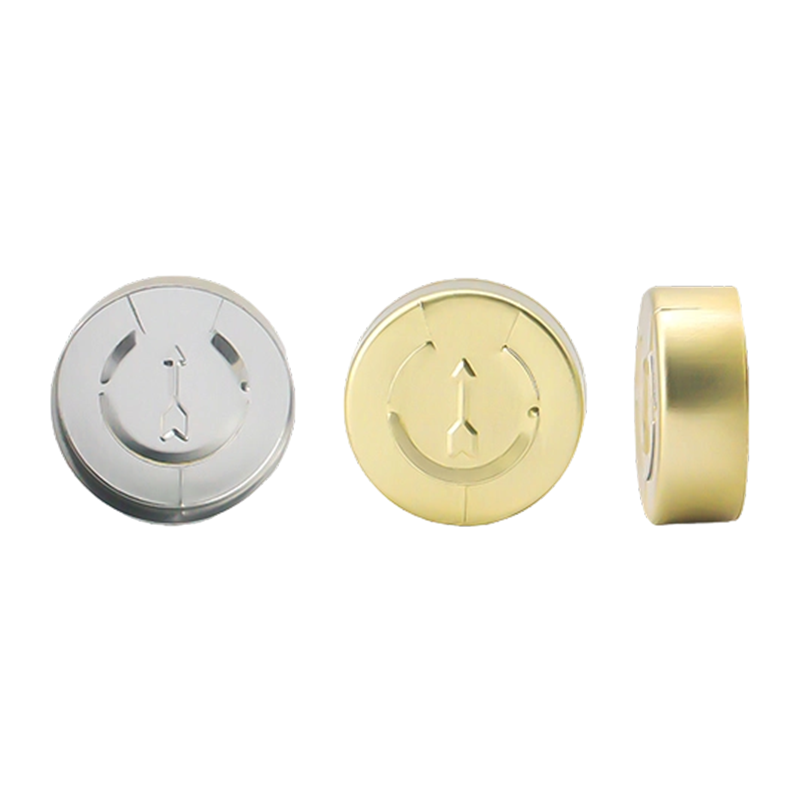
A tamper-evident aluminum seal for complete removal. It features a pre-scored tear-off line for easy opening: simply pull the tab to tear the entire cap off cleanly along the scored line, allowing for...
View More -
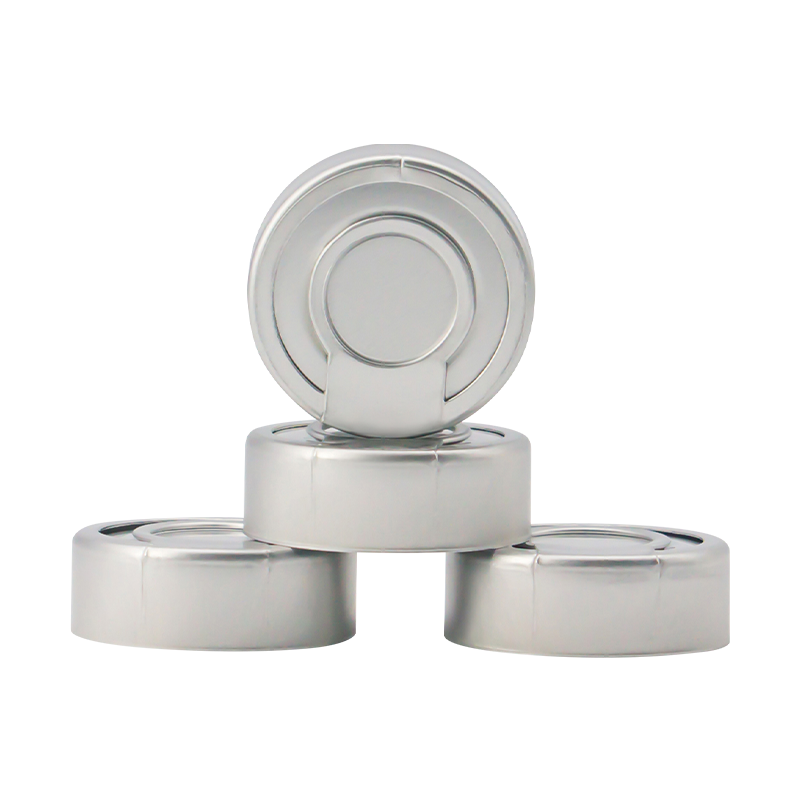
A practical aluminum seal for large-volume infusion bottles. It features an integrated pull-ring that allows the entire aluminum cap to be removed quickly and completely, providing full, unobstructed ...
View More
-
Get In Touch
 +86 511 8813 2922
 +86 139 5290 2286
 lilian@changjianglids.com
 No. 1 Mingzhu Road, Youfang Industrial Park, Yangzhong City, Zhenjiang, Jiangsu, China
The information provided on this website is intended for use only in countries and jurisdictions outside of the People's Republic of China.
No. 1 Mingzhu Road, Youfang Industrial Park, Yangzhong City, Zhenjiang, Jiangsu, China
The information provided on this website is intended for use only in countries and jurisdictions outside of the People's Republic of China. -
Product
Aluminum-Plastic Caps Aluminum Caps Euro PP Caps PP Containers for Contact Lens with Foil Seal Plastic Hanger for Infusion Bottle Plastic Jerry Can -
WhatsApp
Chris

-
WeChat
Lilian

Copyright © 2025 Jiangsu Changjiang Lids Co., Ltd. All Rights Reserved.
OEM Pharmaceutical Packaging Manufacturer
Pharmaceutical Cap Supplier
