
 English
 русский
 简体中文
简体中文


Home / News / Industry News / Cap Liners and Seals: Types, Materials, and Selection for Pharmaceutical Packaging
Cap Liners and Seals: Types, Materials, and Selection for Pharmaceutical Packaging
2026.09.17
Content
When a pharmaceutical vial fails its leak test, the first component inspectors often check is not the glass, stopper, or crimp, but the cap liner and seal combination. Cap liners and seals create the primary barrier between the drug and the outside environment, determining whether a product stays sterile during transport, storage, and handling. In packaging audits, the difference between a compliant batch and a rejected batch often comes down to selecting the correct liner material, seal type, and application process. That is why procurement teams and quality engineers evaluate cap liners and seals with the same rigor as the drug formulation itself. The right choice protects patients, limits liability, and avoids expensive line stoppages.
What Are Cap Liners and Seals?
A cap liner is a disc-shaped component placed inside a closure, while the seal is the bond formed when that liner is compressed or heat-sealed against the container finish. Together they prevent leakage, block moisture and oxygen, deter tampering, and offer visible proof of opening. In pharmaceutical packaging, liners must be compatible with the drug product, withstand sterilization, and maintain integrity across temperature and humidity extremes. They appear in injection vials, infusion bottles, oral liquid bottles, vaccine containers, and dropper bottles. Without a properly matched liner and seal, even a precision-formed glass bottle cannot guarantee sterility.
Key Types of Cap Liners and Seals
Cap liners range from simple one-piece wads to multi-layer induction liners. Each type is designed for a specific closure torque, container material, and product chemistry. The most common types are listed below.
- Expanded foam liners: soft, compressible, and pressure-sensitive for low-cost moisture resistance.
- Aluminum foil induction liners: multi-layer structures with foil that bonds to the container mouth for tamper-evident sealing.
- Polyethylene wads: economical liners used with lighter duty caps and plastic containers.
- Metalized mylar and resin liners: good chemical resistance for household and industrial products.
- Aluminum and aluminum-plastic caps with integrated liners: primary choices for sterile pharmaceutical vials.
In pharmaceutical filling lines, caps with pre-assembled liners save time and reduce contamination risk. For example, a bridge-type aluminum cap with a bonded liner can be crimped directly onto an injection vial after filling. The liner material must match the vial's glass finish and the drug's pH range. For more detail on vial cap types, see this guide to aluminum caps for pharmaceutical vials.
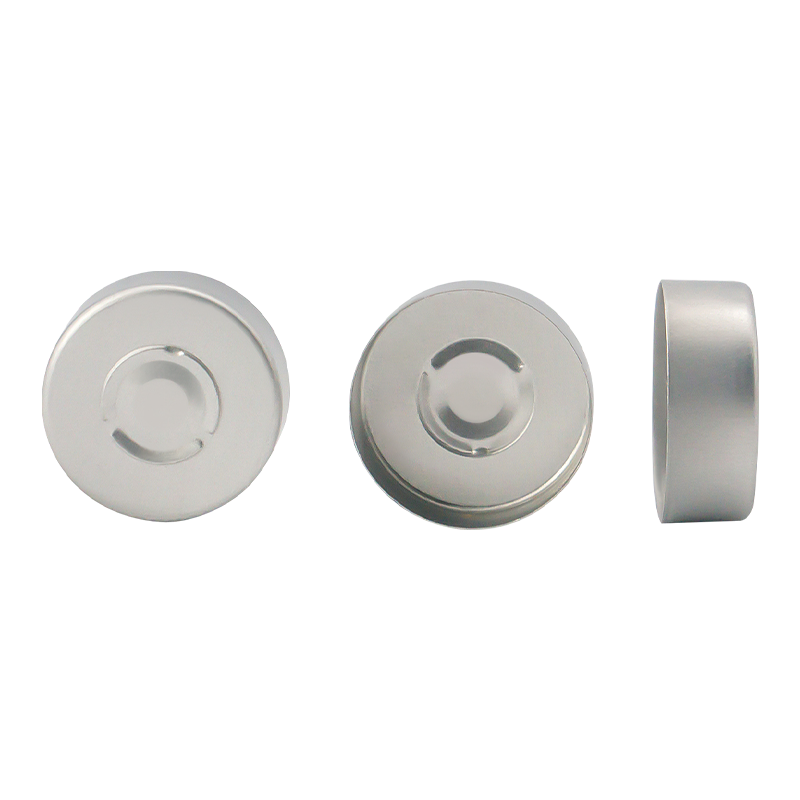 Bridge-Type Aluminum Cap with Tamper-Evident Pull TabThis pre-scored aluminum cap with breakable bridges provides clear tamper evidence for injectable vials. Its pre-assembled liner supports cleanroom crimping and protects the rubber stopper from moisture and contamination.View Product →
This type of cap provides a firm hold on the stopper while allowing easy access for needle penetration. It also protects the rubber stopper from moisture and physical damage. Cleanroom assembly of the liner avoids particles and ensures consistent seal compression.
| Liner type | Key material | Seal method | Typical use |
|---|---|---|---|
| Foil induction | Aluminum/PET | Heat induction | Tamper-evident liquid pharma |
| Pressure sensitive | Expanded foam | Compression | Syrups and suspension bottles |
| Polyethylene wad | LDPE | Compression | Dry powder containers |
| Metalized mylar | Mylar | Compression | Cosmetics and household |
Material and Performance Considerations
The choice of liner material determines thermal tolerance, chemical resistance, and moisture barrier. Aluminum foil composites consistently outperform foams and wads in high-temperature environments. The following horizontal bar chart compares the thermal tolerance index of four common liner materials.
This horizontal bar chart illustrates the relative thermal tolerance index of four liner materials used in cap liners and seals. Values are normalized on a 0 to 100 scale for comparison. Induction foil liners show the highest thermal tolerance at 95, making them suitable for autoclave and high-temperature transport. Pressure-sensitive foam absorbs temperature changes but stays stable up to moderate conditions, scoring 82. Expanded foam and polyethylene wads rank lower because they soften under sustained heat. In practice, pharmaceutical buyers use this index to screen liner candidates before committing to validation studies.
Beyond thermal tolerance, sealing performance is multi-dimensional. Chemical compatibility, moisture protection, tamper evidence, ease of application, and cost all matter. The radar chart below compares three common liner families across these five criteria.
The radar chart compares induction liners, pressure-sensitive liners, and foam liners on five quality criteria. Induction liners dominate chemical resistance, moisture barrier, and tamper evidence because their foil layer creates a true hermetic seal. Pressure-sensitive liners balance ease of application and moderate protection, which makes them popular for non-sterile oral liquids. Foam liners offer the lowest cost and easiest compression, but their moisture barrier is weaker. A purchasing decision should not focus on a single metric; the requirements of the drug, container, and distribution route must be weighed together. This comparison is a good starting point for building a supplier specification.
Sealing Methods and Application Factors
The method used to create the seal is as important as the liner itself. In pharmaceutical packaging, heat induction, pressure-sensitive compression, and adhesive sealing are the three main approaches. Their ability to survive sterilization cycles and mechanical stress is reflected in the bar chart below.
The vertical bars show representative seal strength retention after steam sterilization for three sealing methods. Induction sealing retains about 95 percent of its initial bond strength because the foil fuses to the container mouth. Pressure-sensitive sealing retains roughly 80 percent, which is acceptable for room-temperature products. Adhesive and foam sealing methods drop to about 68 percent after several autoclave cycles. For biological drugs and vaccines that undergo terminal sterilization, induction or crimped aluminum solutions are safer. For liquid syrups stored at room temperature, a pressure-sensitive liner can provide adequate integrity at a lower cost.
Moisture ingress over time can quietly degrade a pharmaceutical product. The line chart below tracks moisture vapor transmission through two different liner systems during 12 months of storage at 30 degrees Celsius and 60 percent relative humidity.
The solid line represents an induction foil liner, and the dashed line represents a foam liner. At month zero, both liners start with low moisture vapor transmission. After three months, the foam liner shows a visible increase while the induction liner remains almost flat. By month twelve, the foam liner reaches 3.2 grams per square meter per day, compared to 0.7 for the induction liner. This difference explains why long shelf-life products require foil-based cap liners and seals. Moisture-sensitive APIs can absorb thousands of times their body weight in water vapor through a weak seal, so the liner is a critical point of protection.
Quality, Compliance, and Supplier Selection
Cap liners and seals for pharmaceutical use must be manufactured under controlled conditions. A reputable supplier follows GMP guidelines, maintains ISO 9001 documentation, and can provide batch traceability for every component. Cleanroom environments such as C+A grade are especially important when liners are assembled into aluminum caps, because particles and microbes can compromise sterility. Dimensional control is another key factor: liner thickness and cap crimping force must remain within tight tolerances. Automated production lines with in-line inspection reduce human contact and improve consistency.
Before qualifying a supplier, check their production capacity and experience with injection, infusion, and oral liquid packaging. Ask about their raw material sources, tooling capabilities, and ability to support OEM or custom liner designs. A transparent supplier will share leak test data, sterility test reports, and stability study results. When you need prototypes or first articles, a partner with in-house tooling can shorten development time significantly. For a direct discussion, contact our packaging team through the contact page.
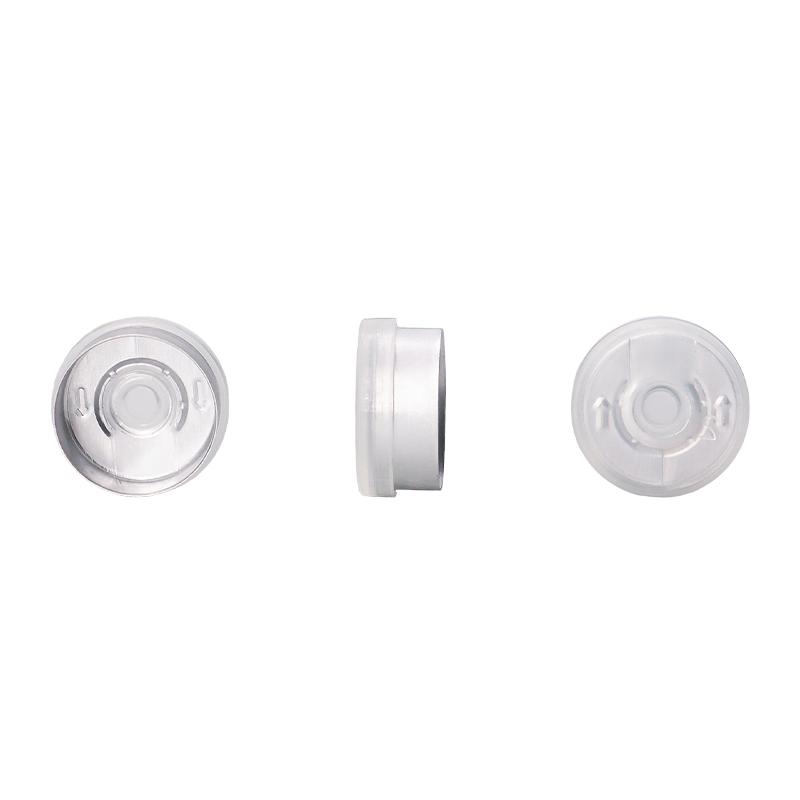 Tear-Off Aluminum-Plastic Cap for Oral Liquid BottlesDesigned for pediatric syrups and oral suspensions, this easy-tear cap ensures near-perfect opening success. The aluminum barrier with a soft plastic top and pre-inserted liner suits ready-to-use and ready-to-sterilize packaging needs.View Product →
Tear-off aluminum-plastic caps are common for oral liquid bottles because they combine a reliable liner with easy opening. The aluminum layer provides a barrier, while the plastic top remains soft enough for manual tearing. These caps are often supplied with pre-inserted rubber or EVA liners that match the drug formulation.
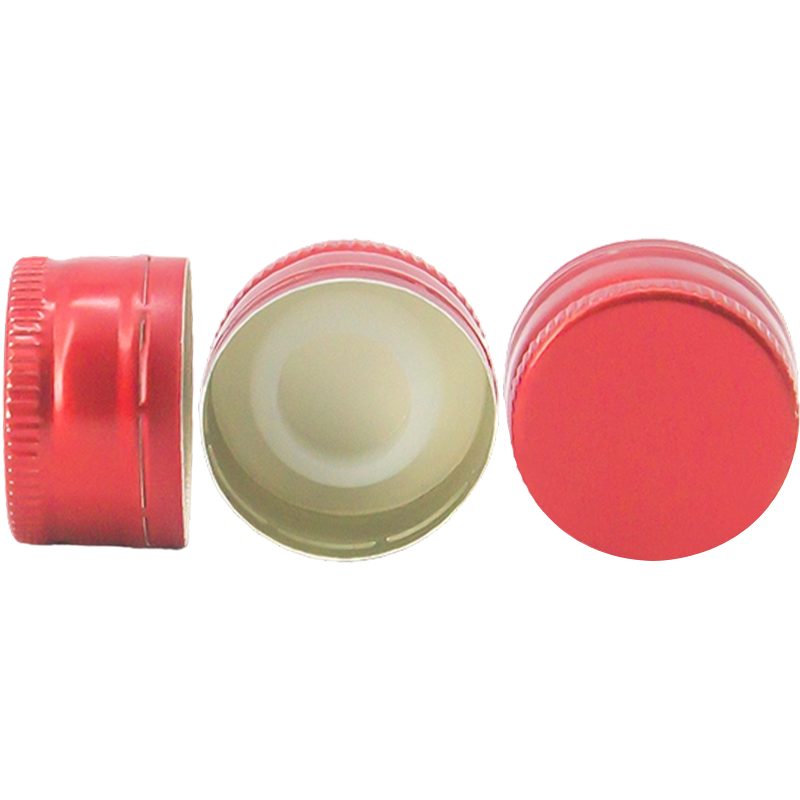 Resealable Aluminum Screw Cap for Multi-Dose Oral LiquidsA one-piece aluminum threaded closure that offers tamper evidence and reliable reclosure for repeated use. Its pre-scored skirt breaks on first opening, and the material withstands high sterilization temperatures while maintaining a leak-resistant seal.View Product →
For customers who require a threaded closure, an aluminum screw cap with a built-in liner offers repeatable resealing and consistent compression. It is a practical option for multi-dose oral liquids where the bottle is opened and closed many times. Suppliers should verify that the cap, liner, and container finish are matched precisely to avoid leakage or cap back-off events.
Cap liners and seals are not an afterthought in pharmaceutical packaging. They are engineered components that decide whether a drug remains stable, sterile, and safe throughout its shelf life. By understanding liner types, comparing material performance, verifying sealing methods, and auditing supplier quality, you can choose a packaging system that meets regulatory expectations and patient needs. Start with clear specifications, request validated data, and test each candidate liner under real transport and storage conditions. A small investment in the correct cap liner and seal returns large dividends in product integrity and brand confidence.
Related products
-
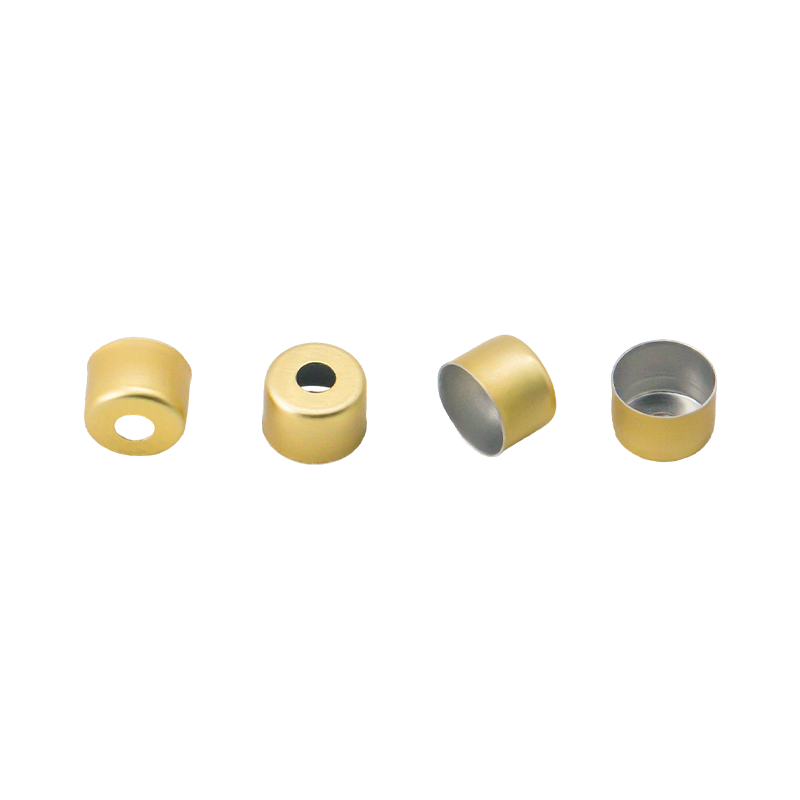
A precision sealing solution designed for cartridge-based drug delivery systems, such as pre-filled syringes and pen injectors. It ensures sterile integrity and safe, reliable needle access for inject...
View More -
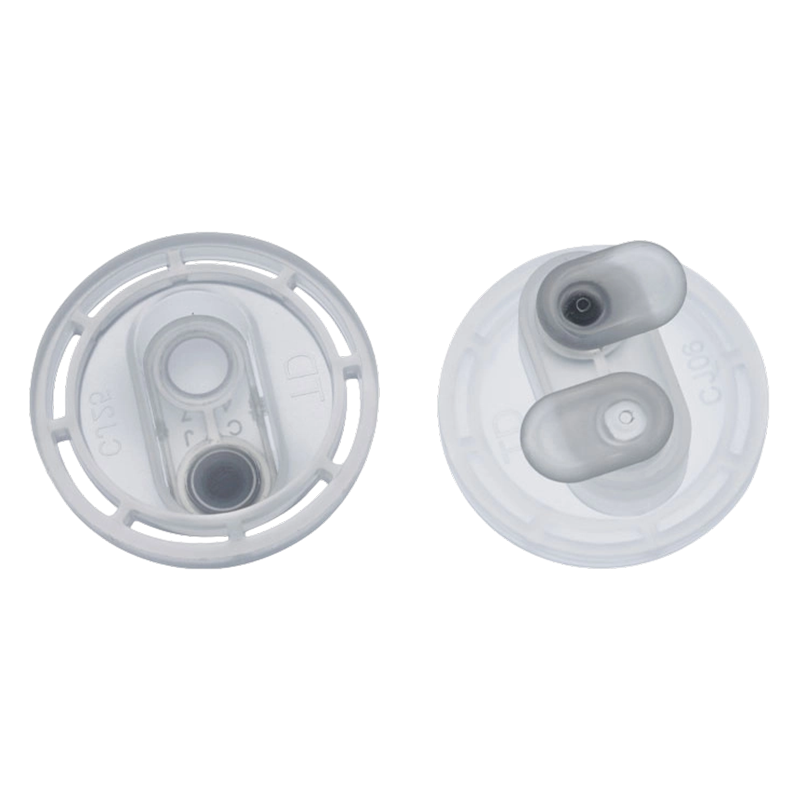
A standardized dual-port polypropylene cap designed for infusion and solution bottles. This integrated solution ensures reliable closure and provides two distinct, self-sealing access points for safe ...
View More -
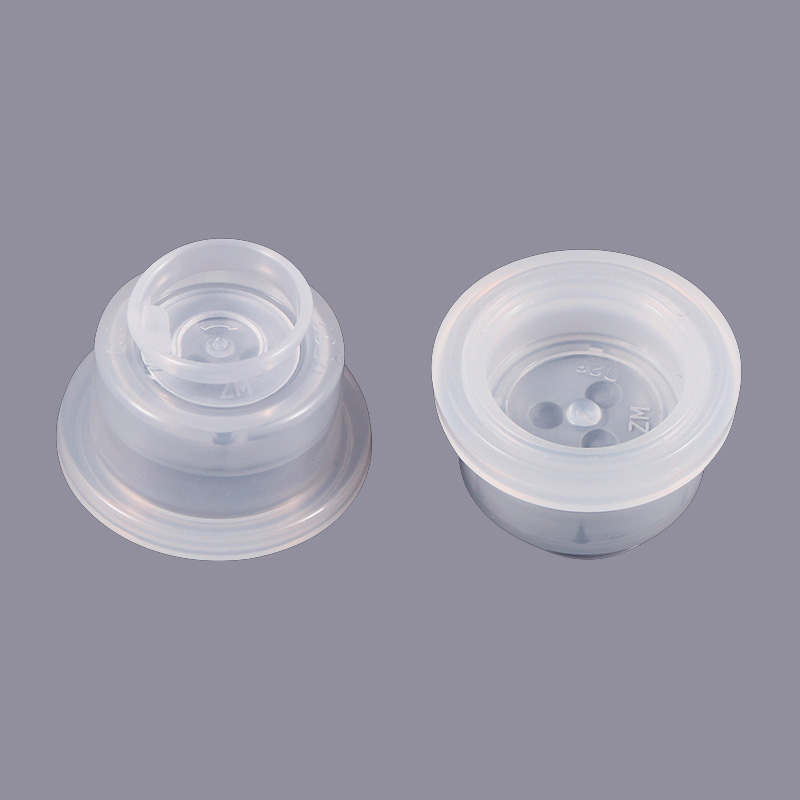
A standardized pull-ring polypropylene cap designed for infusion and solution bottles. This tamper-evident solution ensures reliable closure and provides an integrated pull-ring for safe, tool-free ac...
View More -
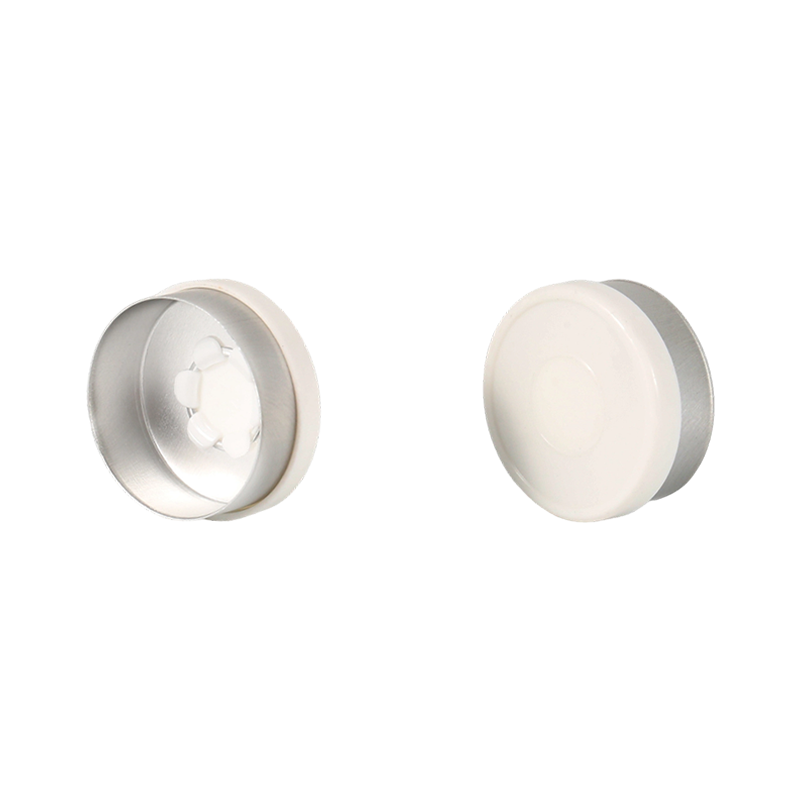
A reliable and tamper-evident sealing solution designed for standard injection vials. It ensures container seal integrity and safe needle access for liquid medications. A professional sealing componen...
View More -
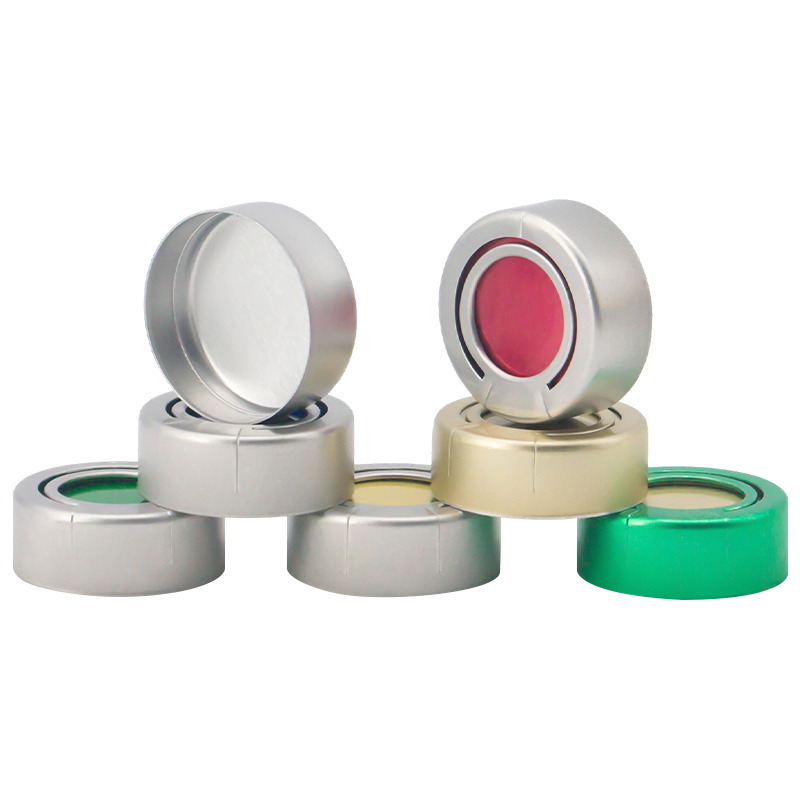
A tamper-evident aluminum seal designed for injection vials. It features an integrated pull-ring that, when pulled, removes the entire aluminum cap cleanly from the vial neck, leaving the rubber stopp...
View More -
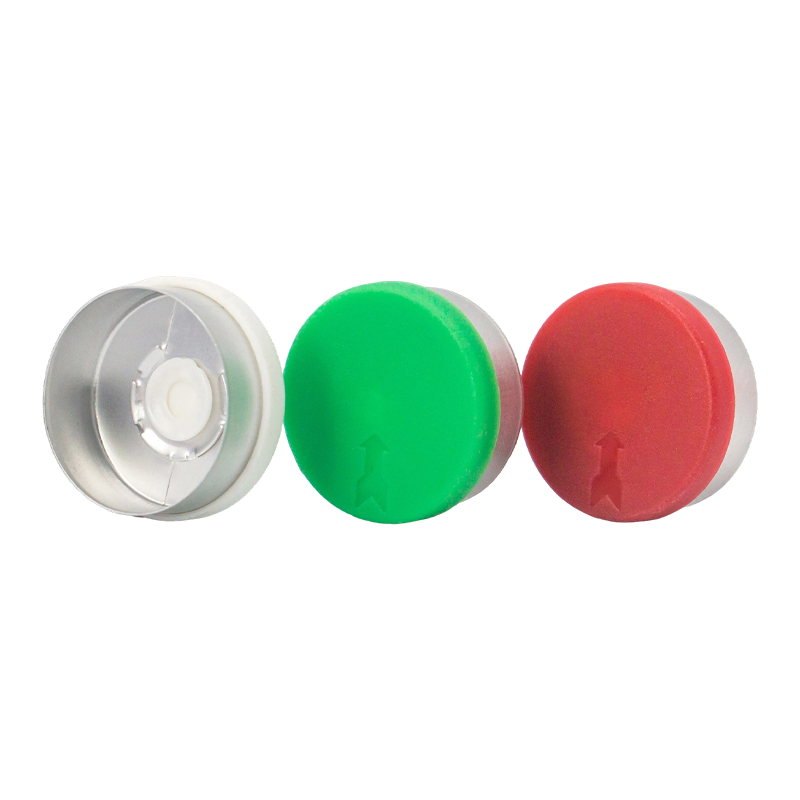
A specialized sealing cap designed for pharmaceutical injection vials. It features an easy-tear design on the aluminum cap, allowing users to open it quickly and reliably, with a near 100% opening suc...
View More
-
Get In Touch
 +86 511 8813 2922
 +86 139 5290 2286
 lilian@changjianglids.com
 No. 1 Mingzhu Road, Youfang Industrial Park, Yangzhong City, Zhenjiang, Jiangsu, China
The information provided on this website is intended for use only in countries and jurisdictions outside of the People's Republic of China.
No. 1 Mingzhu Road, Youfang Industrial Park, Yangzhong City, Zhenjiang, Jiangsu, China
The information provided on this website is intended for use only in countries and jurisdictions outside of the People's Republic of China. -
Product
Aluminum-Plastic Caps Aluminum Caps Euro PP Caps PP Containers for Contact Lens with Foil Seal Plastic Hanger for Infusion Bottle Plastic Jerry Can -
WhatsApp
Chris

-
WeChat
Lilian

Copyright © 2025 Jiangsu Changjiang Lids Co., Ltd. All Rights Reserved.
OEM Pharmaceutical Packaging Manufacturer
Pharmaceutical Cap Supplier
