
 English
 русский
 简体中文
简体中文


Home / News / Industry News / Aluminum Caps for Pharmaceutical Vials: A Complete Guide to Types, Standards, and Selection
Aluminum Caps for Pharmaceutical Vials: A Complete Guide to Types, Standards, and Selection
2026.03.12
Content
- 1 Why Aluminum Caps Remain the Industry Standard for Pharmaceutical Closures
- 2 Aluminium Cap for Cartridge Vials: Precision Closure for Prefilled Drug Delivery Systems
- 3 Aluminum Cap for Oral Liquids: Tamper Evidence and Chemical Compatibility for Non-Sterile Products
- 4 Aluminium Cap for Injection Vials: The Most Demanding Closure Environment in Pharmaceutical Packaging
- 5 Aluminium Cap for Infusion Bottles: Sealing Large-Volume Parenteral Products for IV Therapy
- 6 Side-by-Side Comparison of the Four Aluminum Cap Categories
- 7 Manufacturing Quality Control: What Separates a Good Supplier from a Great One
- 8 Key Trends Shaping the Future of Pharmaceutical Aluminum Caps
- 9 Frequently Asked Questions About Aluminum Caps for Pharmaceutical Containers
- 9.1 Q1: What aluminum alloy grades are used for pharmaceutical caps?
- 9.2 Q2: How are aluminum caps color-coded and what does color coding mean?
- 9.3 Q3: Can aluminum caps be sterilized before use?
- 9.4 Q4: What is the difference between a crimp cap and a screw cap for oral liquid bottles?
- 9.5 Q5: What documentation should I request from an aluminum cap supplier during qualification?
- 9.6 Q6: What is the typical lead time for aluminum cap orders?
- 9.7 Q7: Are there specific cap requirements for multi-dose vials?
- 9.8 Q8: How do I validate a new aluminum cap supplier for a product already in commercial production?
In pharmaceutical manufacturing, the closure system is one of the most consequential decisions a packaging engineer will make. An aluminum cap that fails to seal correctly can compromise sterility, trigger regulatory rejection, or — in the worst case — put patients at risk. Yet despite their critical function, aluminum caps are frequently treated as commodity items, sourced on price alone without adequate attention to material specifications, dimensional tolerances, or regulatory compliance requirements.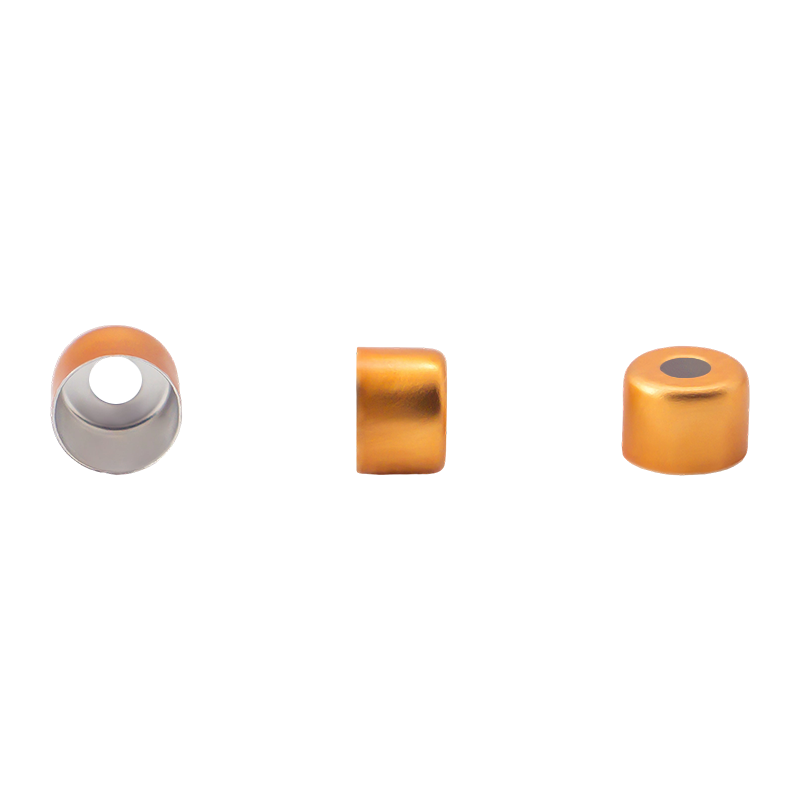
This guide covers the four primary categories of pharmaceutical aluminum caps — caps for cartridge vials, oral liquid bottles, injection vials, and infusion bottles — and provides a detailed look at what differentiates them, what performance standards apply, and how to select the right cap for each application. Whether you are a procurement manager, packaging engineer, quality assurance professional, or pharmaceutical manufacturer entering a new product category, this resource will give you the factual foundation to make informed decisions.
Why Aluminum Caps Remain the Industry Standard for Pharmaceutical Closures
Aluminum has been the dominant material for pharmaceutical closures for decades, and for well-established reasons. It offers a combination of properties that no single alternative material has been able to replicate across such a wide range of applications.
First, aluminum is highly formable. It can be stamped, drawn, and crimped into precise shapes with tight dimensional tolerances — a critical requirement when caps must interface reliably with rubber stoppers, container neck finishes, and high-speed capping machinery operating at speeds of 300 to 600 units per minute or more on modern pharmaceutical filling lines.
Second, aluminum provides a natural barrier against moisture, oxygen, and light — all of which can degrade drug products over time. When combined with a rubber stopper or inner liner, an aluminum cap creates a hermetic closure system capable of maintaining product integrity across a shelf life of two to five years or more.
Third, aluminum is chemically inert in the forms used for pharmaceutical packaging. Pharmaceutical-grade aluminum alloys — primarily 8011-H14 and 1070-H24 designations — do not react with most drug substances and do not leach harmful compounds into the product when properly lacquered or treated.
Fourth, aluminum is infinitely recyclable without loss of material quality, giving it an important sustainability advantage over plastics in an era of increasing environmental accountability within the pharmaceutical industry.
The global pharmaceutical packaging market exceeded $117 billion in 2023 and is projected to reach nearly $180 billion by 2030. Aluminum closures — including crimp caps, combination aluminum-plastic caps, and specialty formats — represent a significant and growing segment of this market, driven by expanding injectable drug pipelines, biologic drug manufacturing, and growing pharmaceutical markets across Asia, Latin America, and Africa.
Aluminium Cap for Cartridge Vials: Precision Closure for Prefilled Drug Delivery Systems
Cartridge vials — also referred to as pharmaceutical cartridges — are cylindrical containers used in pen injectors, autoinjectors, and infusion pumps. They are widely used to package insulin, growth hormone, anticoagulants, and a growing range of biologic self-injection therapies. The aluminium cap for cartridge vials seals one end of the cartridge (typically the top), while a plunger stopper at the opposite end allows drug delivery via mechanical actuation.
Design and Dimensional Requirements
Cartridge caps are produced in a range of standard diameters to match internationally standardized cartridge formats. The most common sizes include 13 mm and 16 mm outer diameter caps, corresponding to 1.5 mL, 3 mL, and 10 mL cartridge formats widely used by insulin pen manufacturers. Dimensional tolerances are extremely tight — typically within ±0.05 mm — because the cap must interface precisely with the cartridge neck and the pen injector mechanism.
Unlike injection vial caps, cartridge caps typically do not incorporate a separate flip-off plastic element. Instead, the aluminum cap is crimped directly over a bromobutyl rubber disc stopper that sits in the cartridge neck. The crimp profile must be carefully engineered to hold the stopper securely under the internal pressure generated during drug delivery actuation without causing the stopper to extrude, deform, or allow gas ingress.
Material Specifications for Cartridge Caps
Cartridge caps are manufactured from pharmaceutical-grade aluminum alloy sheet with a typical thickness range of 0.20 mm to 0.28 mm. The alloy must be free of surface defects such as pinholes, scratches, or oxidation spots, as these can cause cosmetic rejection during 100% visual inspection on automated filling lines.
Interior surfaces are typically uncoated or treated with a food-contact-approved lacquer to prevent direct aluminum-to-rubber contact that could generate particulates. Exterior surfaces may be lacquered in custom colors for product differentiation or printed with batch and product information in compliance with regulatory labeling requirements.
Regulatory Standards and Testing
Cartridge caps must comply with ISO 13926 (pharmaceutical cartridges), USP and EP requirements for closure systems in contact with injectable drug products, and the device manufacturer's proprietary specifications for pen injector compatibility. Container closure integrity testing (CCIT) for cartridge systems typically involves helium leak detection or vacuum decay methods, as the integrity requirements are among the most demanding in the pharmaceutical packaging industry.
Given that cartridge-based drug delivery systems are used by patients at home — many of whom are elderly or have reduced manual dexterity — the cap must also perform reliably within the pen injector mechanism without contributing to device malfunction or dose inaccuracy. This places cartridge caps in a functional zone between pure pharmaceutical packaging and medical device components, with corresponding implications for design control and documentation requirements.
Market Context
The global insulin market alone accounts for several billion cartridges annually, and the broader self-injection drug delivery market — encompassing GLP-1 agonists, biologics, and biosimilars — is growing rapidly. Demand for high-precision cartridge caps is therefore one of the fastest-growing segments within the pharmaceutical aluminum closures market, with particular growth in markets where self-injection therapy adoption is accelerating.
Aluminum Cap for Oral Liquids: Tamper Evidence and Chemical Compatibility for Non-Sterile Products
The aluminum cap for oral liquids serves a fundamentally different purpose from parenteral closures. Rather than maintaining sterility for injection, it provides a secure, tamper-evident seal for non-sterile or low-bioburden liquid pharmaceutical preparations intended for oral administration — including syrups, suspensions, solutions, tinctures, and nutritional supplements packaged in glass or plastic bottles.
Construction and Closure Formats
Oral liquid aluminum caps come in several formats depending on the container type and the required opening mechanism:
- Roll-on pilfer-proof (ROPP) caps: Applied over a threaded bottle neck and rolled onto the thread by the capping machine, creating a tamper-evident seal that shows visible breakage upon first opening.
- Crimp-on aluminum caps: Crimped over a bottle flange without a thread, typically used on glass bottles for traditional medicines and oral liquid drug preparations.
- Child-resistant (CR) aluminum caps: Incorporate a push-and-turn or squeeze-and-turn mechanism that meets the requirements of ISO 8317 for child-resistant packaging, increasingly mandated for certain drug categories.
Common diameter sizes for oral liquid caps include 18 mm, 20 mm, 22 mm, 24 mm, and 28 mm, corresponding to standard glass and plastic bottle neck finishes used across the oral liquid pharmaceutical market.
Inner Liner and Chemical Compatibility
Because oral liquid formulations are often acidic (pH below 5), alcoholic, or contain surfactants and preservatives, direct contact between the aluminum shell and the product must be prevented. Oral liquid aluminum caps therefore incorporate an inner liner — typically made from low-density polyethylene (LDPE), expanded polyethylene foam (EPE), or Surlyn — that provides a chemical barrier between the aluminum and the drug product.
Liner selection must be validated through compatibility testing with the specific formulation. Migration testing — evaluating whether liner components migrate into the drug product at levels that could affect safety or efficacy — is required under EP 3.1 and ChP standards for plastic materials in contact with pharmaceutical products.
Applications and Market Significance
Oral liquid aluminum caps are widely used across several product categories:
- Traditional Chinese Medicine (TCM) oral liquid preparations, which represent a major market segment in China and Southeast Asia
- Pediatric oral drug preparations, including antibiotic suspensions and cough syrups, where child-resistant packaging requirements apply
- Vitamins, minerals, and health supplements in liquid form distributed through pharmacy and retail channels
- Herbal tinctures and plant-based medicinal preparations
- Over-the-counter (OTC) liquid medications including antacids, antihistamines, and analgesic syrups
In China's domestic pharmaceutical market, oral liquid preparations account for a disproportionately large share of total drug consumption compared to global averages, driven by consumer preference for liquid formulations and the prominence of TCM products. This makes China one of the largest single markets for oral liquid aluminum caps globally.
Aluminium Cap for Injection Vials: The Most Demanding Closure Environment in Pharmaceutical Packaging
The aluminium cap for injection vials operates in the most demanding packaging environment in the pharmaceutical industry. Small-volume parenteral (SVP) products — including vaccines, antibiotics, hormones, oncology drugs, and lyophilized biologics — depend on an unbroken closure system to maintain sterility from the moment of filling through the point of patient administration.
How Injection Vial Caps Work
The injection vial closure system consists of three components working in concert: the glass or plastic vial, the rubber stopper (butyl or bromobutyl), and the aluminum cap. The stopper is inserted into the vial neck after filling, and the aluminum cap is then applied by a capping head that crimps the aluminum skirt around the vial flange, locking the stopper in place.
The most widely used design for injection vials is the aluminum-plastic combination cap — also called a flip-off cap — in which a plastic button is integrated into the center of the aluminum shell. This button can be peeled or flipped off to expose the rubber stopper for needle penetration, without requiring any tool or cap remover. The flip-off format has become the global standard for injectable drug packaging due to its convenience in clinical and hospital settings.
Standard Sizes and Compatibility
Injection vial aluminum caps are manufactured in a range of sizes to match international vial neck finish standards:
- 13 mm: Used for small vials, typically 1 mL to 10 mL, for high-potency drugs and unit-dose applications
- 20 mm: The most common size globally, used across vial volumes from 2 mL to 100 mL
- 28 mm: Used for larger vials, including multi-dose presentations and lyophilized powder vials requiring large stopper surface area
- 32 mm: Less common, used for specialized applications requiring extra-large vial formats
Critical Performance Requirements
Injection vial aluminum caps must satisfy a comprehensive set of performance criteria that reflect the life-or-death stakes of sterile injectable drug packaging:
- Seal integrity: The crimped cap must maintain a hermetic seal throughout the product shelf life, which may extend to three years or more for some drug products.
- Autoclave compatibility: Caps must withstand steam sterilization at 121°C for a minimum of 15 minutes without deforming, discoloring, or losing seal performance.
- Crimp force consistency: The crimp must be tight enough to prevent stopper movement but not so tight as to damage the stopper or cause aluminum fragmentation. Crimp force is typically specified within a range of 10 to 50 N depending on vial size.
- Particle cleanliness: The cap interior must be free of metal particles, plastic flash, lubricant residue, and other particulate matter that could contaminate the sterile drug product.
- Flip-off force: The force required to remove the plastic flip-off button must fall within a specified range — typically 15 to 45 N — to ensure clinical usability without being so loose as to raise tamper-evidence concerns.
- Corrosion resistance: Caps must resist corrosion and surface degradation during storage under ambient and refrigerated conditions, including high-humidity environments.
Regulatory Standards
Injection vial aluminum caps must comply with applicable pharmacopoeial standards, including USP <660> (containers — glass), USP <661> (plastic packaging systems), EP 3.6.1 (rubber closures), and the relevant Chinese Pharmacopoeia (ChP) YBB standards for packaging materials. For biologics and other high-value drug products, extractables and leachables (E&L) testing of the complete closure system — including the aluminum cap, plastic flip-off button, and rubber stopper — is increasingly required as part of the regulatory submission package.
The FDA's guidance on container closure systems for packaging human drugs and biologics (issued 1999, updated subsequently) and EMA's guideline on plastic immediate packaging materials provide the regulatory framework for closure system evaluation in the U.S. and European markets respectively.
Scale of the Market
By any measure, injection vials are one of the highest-volume pharmaceutical packaging formats in the world. An estimated 16 billion or more injectable vials were produced globally in 2022, a number that accelerated dramatically during the COVID-19 vaccine rollout and has remained at elevated levels as biologic drug manufacturing capacity has expanded. Each vial requires one aluminum cap — making injection vial caps one of the single largest volume components in the pharmaceutical packaging supply chain.
Aluminium Cap for Infusion Bottles: Sealing Large-Volume Parenteral Products for IV Therapy
Aluminium caps for infusion bottles are designed for large-volume parenteral (LVP) containers used in intravenous therapy. These include normal saline (0.9% NaCl), glucose solutions (5%, 10%), lactated Ringer's solution, amino acid solutions, lipid emulsions, and other IV fluid preparations administered in hospital and clinical settings. Container volumes typically range from 50 mL to 1,000 mL, with the most common formats being 100 mL, 250 mL, 500 mL, and 1,000 mL glass or plastic bottles.
Closure Design Complexity
Infusion bottle closures are inherently more complex than single-port injection vial caps. An infusion bottle typically requires two separate access points: one for connecting the IV administration set spike, and one for adding medication (the additive port). Aluminum caps for infusion bottles therefore often incorporate a dual-port or combination-port design, with two separate rubber membrane sections within a single aluminum shell.
Some designs also include a tear-off or peel-off aluminum section over one or both ports, providing visual tamper evidence while maintaining ease of access for nursing staff. The closure design must accommodate the full range of IV administration set spike sizes used in clinical practice, typically with outer diameters of 4.0 mm to 4.5 mm.
Size Formats and Compatibility
Infusion bottle aluminum caps are produced in larger diameter formats than injection vial caps, reflecting the wider neck finishes of large-volume containers:
- 28 mm: Used for smaller infusion bottles (50 mL to 100 mL) with narrower neck finishes
- 32 mm: Standard format for medium and large infusion bottles (250 mL to 500 mL)
- 38 mm: Used for large-volume formats (500 mL to 1,000 mL) with wide-mouth bottle designs
Dimensional compatibility between the cap, the rubber closure insert, and the bottle neck finish is non-negotiable. Misalignment of even fractions of a millimeter can result in inadequate seal formation, stopper displacement during autoclaving, or failure during spike insertion — all of which have serious consequences in clinical use.
Autoclave Resistance and Seal Integrity Under Thermal Stress
Terminal steam sterilization at 121°C for 15 to 30 minutes is the standard sterilization method for LVP glass bottle infusion products. The aluminum cap must maintain dimensional stability and seal integrity throughout this thermal cycle, including the pressure differentials that occur during heating and cooling phases of the autoclave cycle.
Aluminum thickness for infusion bottle caps is typically 0.25 mm to 0.35 mm — somewhat thicker than injection vial caps — to provide the structural rigidity needed to maintain seal integrity across larger diameters under these thermal conditions. The crimp profile must also be specifically engineered for the larger format, as the forces involved in crimping a 38 mm cap are significantly different from those for a 13 mm vial cap.
Regulatory Standards and Global Market Demand
Infusion bottle aluminum caps must comply with ISO 8536-4 (infusion equipment for medical use), EP 3.1.3 (polyolefins), ChP YBB packaging material standards, and applicable national pharmacopoeial requirements for packaging components in contact with large-volume parenteral solutions.
Global demand for intravenous fluids exceeds 10 billion units annually, with Asia-Pacific — particularly China and India — representing the largest and fastest-growing regional market. Hospital expansion, growing surgical volumes, rising incidence of chronic diseases requiring IV therapy, and increasing healthcare access in emerging markets are all driving sustained demand growth for infusion bottle closures.
Side-by-Side Comparison of the Four Aluminum Cap Categories
| Parameter | Cartridge Vial Cap | Oral Liquid Cap | Injection Vial Cap | Infusion Bottle Cap |
|---|---|---|---|---|
| Typical Diameter | 13 mm, 16 mm | 18–28 mm | 13–32 mm | 28–38 mm |
| Sterility Required | Yes (injectable) | No (oral use) | Yes (injectable) | Yes (IV use) |
| Autoclave Compatible | Yes | Not required | Yes | Yes |
| Closure Design | Crimp over disc stopper | ROPP / crimp + liner | Flip-off / crimp cap | Dual-port combination |
| Al Thickness (mm) | 0.20–0.28 | 0.20–0.28 | 0.20–0.30 | 0.25–0.35 |
| Key Standards | ISO 13926, USP, EP | ChP YBB, EP, ISO 8317 | USP, EP, ChP YBB | ISO 8536-4, EP, ChP YBB |
| Child-Resistant Option | No | Yes | No | No |
Manufacturing Quality Control: What Separates a Good Supplier from a Great One
Across all four aluminum cap categories, the difference between an adequate supplier and a genuinely capable one comes down to the depth and consistency of their quality control systems. Pharmaceutical manufacturers conducting supplier qualification audits should look beyond certifications and examine the actual processes in place.
Raw Material Incoming Inspection
Every batch of aluminum alloy sheet entering the production facility should be tested for alloy composition, mechanical properties (tensile strength, elongation), surface quality, and thickness uniformity before being released for production. Suppliers who accept aluminum sheet from raw material vendors without systematic incoming inspection introduce uncontrolled variability into their finished product.
In-Process Quality Monitoring
During production, critical dimensions should be monitored using statistical process control (SPC) charts, with control limits set tighter than specification limits to provide early warning of process drift. Automated vision inspection systems capable of detecting surface defects, dimensional non-conformances, and color deviations at production speeds are increasingly common among top-tier suppliers.
Finished Goods Testing and AQL Sampling
Finished batches should be released against a formal AQL sampling plan aligned with ISO 2859-1. For critical attributes — seal integrity, particle cleanliness, flip-off force — AQL levels of 0.65 or tighter are appropriate given their direct impact on patient safety. Certificate of Analysis documentation should clearly report test results for each batch, with reference to the applicable specification and test method.
Cleanroom and Environmental Controls
Final assembly and packaging of caps intended for sterile injectable applications should occur in controlled environments — at minimum ISO Class 8 (Class 100,000) cleanrooms — with regular environmental monitoring for particulate levels and microbial contamination. Suppliers producing caps for aseptic filling environments may need to supply washed and packaged product from ISO Class 7 (Class 10,000) or better classified areas.
Key Trends Shaping the Future of Pharmaceutical Aluminum Caps
Biologics and the Push for Cleaner Closures
The continued growth of biologic drug manufacturing is raising the bar for closure system quality across all parenteral formats. Biologic drugs — including monoclonal antibodies, fusion proteins, gene therapies, and mRNA-based vaccines — are exquisitely sensitive to trace metal contamination and subvisible particles. Even a single metallic particle shed from an improperly manufactured cap can trigger product rejection or, in administered products, an immune response in a patient. This is driving a shift toward premium-grade caps with tighter particle cleanliness specifications and more extensive extractables and leachables documentation.
Ready-to-Use (RTU) Formats
Traditional cap supply involves bulk delivery of caps that must be washed, inspected, and dried on-site by the pharmaceutical manufacturer before use. An increasing number of pharmaceutical customers — particularly those operating aseptic filling facilities under Annex 1 GMP requirements — are transitioning to ready-to-use (RTU) cap formats that are pre-washed, pre-inspected, and packaged in double-bagged sterile packaging at the supplier's facility. RTU caps reduce the risk of contamination during on-site preparation and simplify the pharmaceutical manufacturer's internal process.
Sustainability and Environmental Responsibility
Pharmaceutical companies are under increasing pressure from investors, regulators, and the public to reduce the environmental footprint of their packaging. Aluminum's inherent recyclability is an advantage, but composite aluminum-plastic caps present end-of-life challenges at recycling facilities. Some manufacturers are responding by developing designs that minimize plastic content, use recyclable plastic grades, or facilitate easier material separation. Others are investing in supply chain carbon accounting to quantify and reduce the embedded carbon of their closure components.
Digital Integration and Traceability
Serialization requirements and the broader push toward digital traceability in pharmaceutical supply chains are beginning to influence cap design. While serialization occurs at the pack level, color coding and laser printing on aluminum caps are being integrated into quality control workflows and batch traceability systems. Some manufacturers are exploring the use of machine-readable codes directly on cap surfaces for integration with digital quality management platforms.
Frequently Asked Questions About Aluminum Caps for Pharmaceutical Containers
Q1: What aluminum alloy grades are used for pharmaceutical caps?
The most common pharmaceutical-grade aluminum alloys used for cap manufacturing are 8011-H14 and 1070-H24. These grades offer the combination of formability, corrosion resistance, and surface finish quality required for pharmaceutical closures. Raw material suppliers must provide material certifications confirming alloy composition and mechanical properties for each delivery.
Q2: How are aluminum caps color-coded and what does color coding mean?
Aluminum caps are color-coded by applying a lacquer coating to the aluminum sheet before stamping, or by applying a colored lacquer or paint to finished caps. The specific color assigned to each product is determined by the pharmaceutical manufacturer — typically as part of their labeling and visual differentiation system for different drugs, strengths, or presentations. There is no universal industry standard for cap color coding across different companies; each manufacturer maintains their own internal color assignment scheme.
Q3: Can aluminum caps be sterilized before use?
Yes. Aluminum caps can be sterilized by dry heat (at 160–180°C) or by exposure to ethylene oxide (EtO) gas, though dry heat sterilization is more common for aluminum components. Gamma irradiation is also used in some cases. However, the more common practice for aseptic filling environments is to supply caps in a pre-washed, low-bioburden condition rather than as terminally sterilized components, with aseptic handling maintained from supplier packaging through to the filling line.
Q4: What is the difference between a crimp cap and a screw cap for oral liquid bottles?
A crimp cap is applied by a capping machine that deforms the aluminum skirt around the bottle flange, creating a permanent seal that must be torn or punctured to open. A screw cap (or roll-on pilfer-proof cap, ROPP) is applied over a threaded bottle neck and rolled onto the thread by the capping machine. The ROPP cap can be unscrewed for repeated opening and closing, making it more convenient for multi-dose oral liquid products. Both formats provide tamper evidence through visible deformation of the aluminum upon first opening.
Q5: What documentation should I request from an aluminum cap supplier during qualification?
A comprehensive supplier qualification package should include: GMP certification (ISO 15378, ISO 9001, or equivalent), raw material specifications and supplier certifications, finished product specifications and test methods, batch Certificate of Analysis samples, extractables and leachables data (for parenteral applications), container closure integrity testing data, customer audit reports or reference customer list, Drug Master File (DMF) reference number for regulated markets, and quality agreement template for review and execution.
Q6: What is the typical lead time for aluminum cap orders?
For standard catalog sizes, lead times typically range from 4 to 8 weeks from order confirmation, depending on the supplier's inventory position and production schedule. For custom sizes, colors, or formats requiring new tooling, lead times of 10 to 16 weeks or more should be expected. Pharmaceutical manufacturers are strongly advised to maintain safety stock levels of critical closure components to buffer against supply disruptions — a lesson reinforced by the supply chain challenges experienced across the industry during 2020–2022.
Q7: Are there specific cap requirements for multi-dose vials?
Multi-dose vials present additional closure system challenges because the rubber stopper must reseal effectively after each needle puncture throughout the product's in-use period — which may extend up to 28 days after first opening for some products. While the aluminum cap itself does not directly contribute to resealability (that is a function of the stopper), the cap must apply consistent clamping force on the stopper to support its long-term sealing performance. The choice of cap size, crimp profile, and aluminum thickness should be validated as part of the complete multi-dose container closure system evaluation.
Q8: How do I validate a new aluminum cap supplier for a product already in commercial production?
Changing a closure supplier for a commercially approved product typically requires a formal change control process and, in many cases, a regulatory variation or supplement filing. The validation process should include dimensional equivalence testing (confirming the new cap matches the approved specification), functional testing on representative capping equipment (confirming crimp performance and flip-off force), container closure integrity testing with the complete system (vial + stopper + new cap), and accelerated or real-time stability studies with the new cap to confirm equivalent long-term performance. The specific regulatory pathway depends on the market, the product type, and the magnitude of the change.
Related products
-
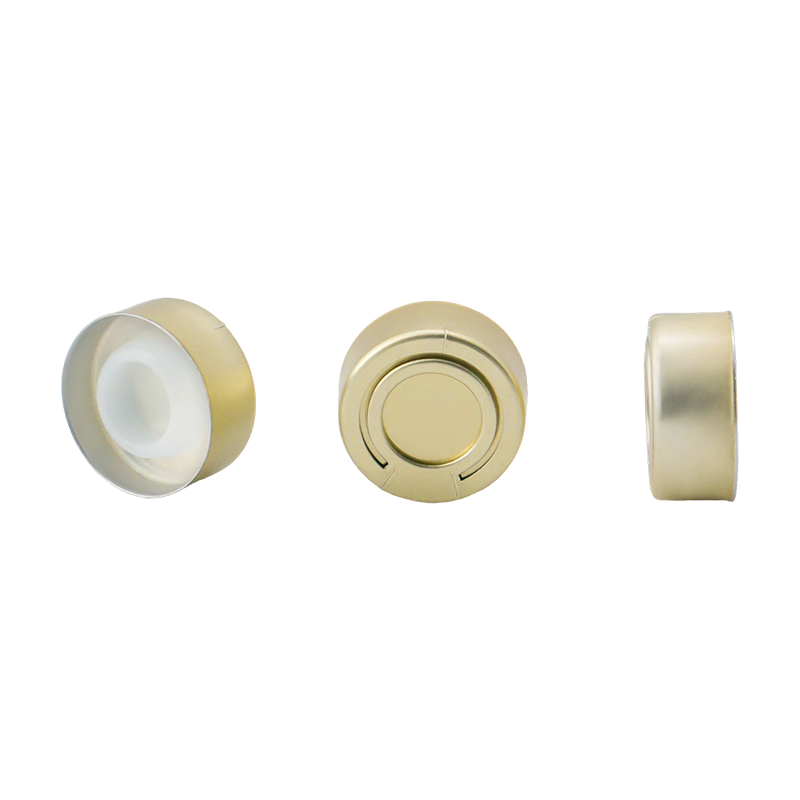
A secure and user-friendly sealing solution for oral liquid bottles. Made from a single piece of aluminum with an integral pull-ring, it is designed for easy, one-step opening by completely removing t...
View More -
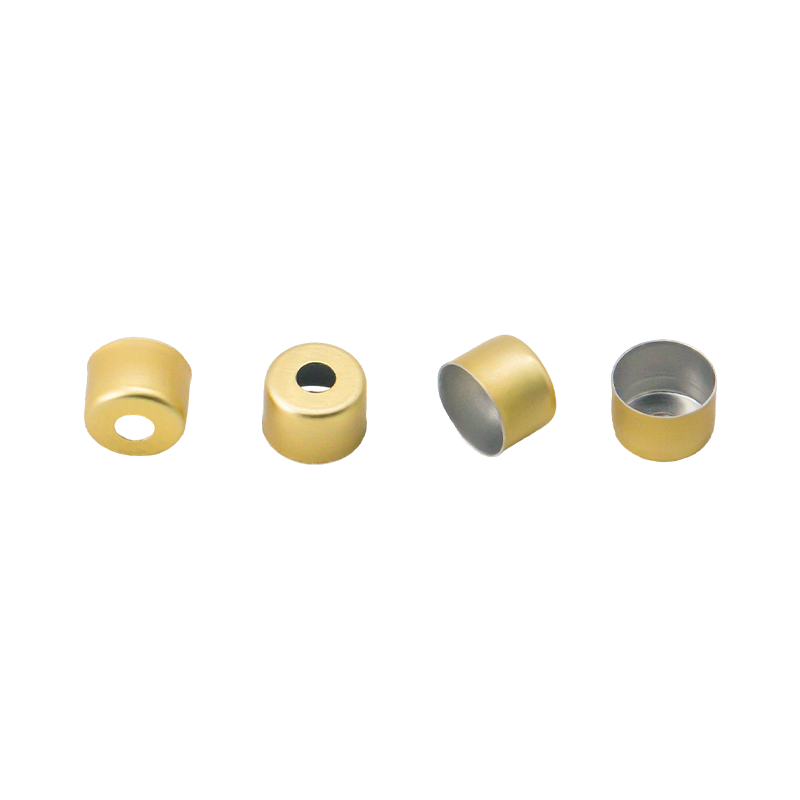
A precision sealing solution designed for cartridge-based drug delivery systems, such as pre-filled syringes and pen injectors. It ensures sterile integrity and safe, reliable needle access for inject...
View More -
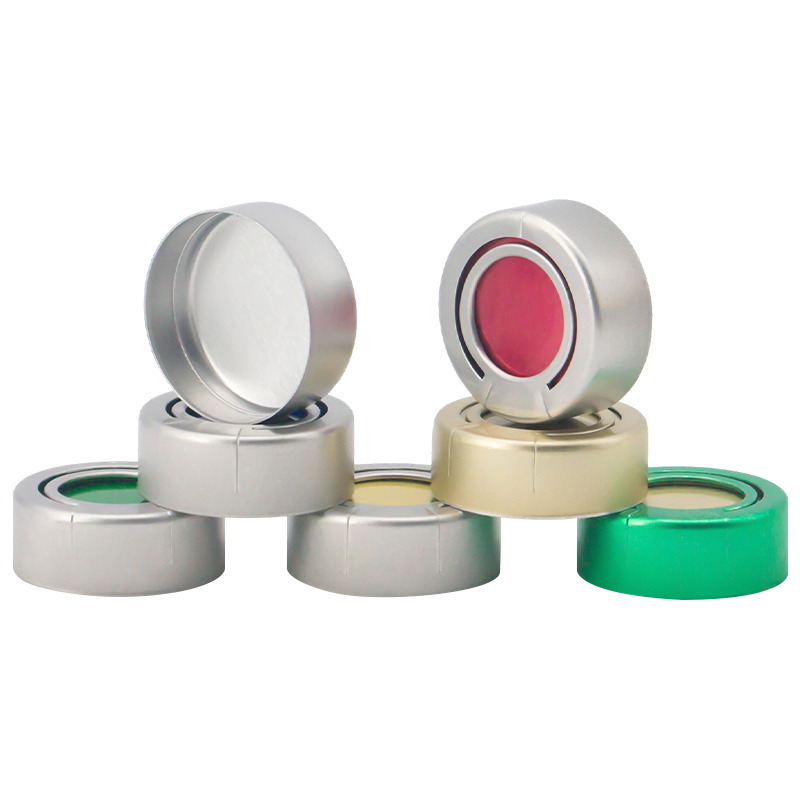
A tamper-evident aluminum seal designed for injection vials. It features an integrated pull-ring that, when pulled, removes the entire aluminum cap cleanly from the vial neck, leaving the rubber stopp...
View More -
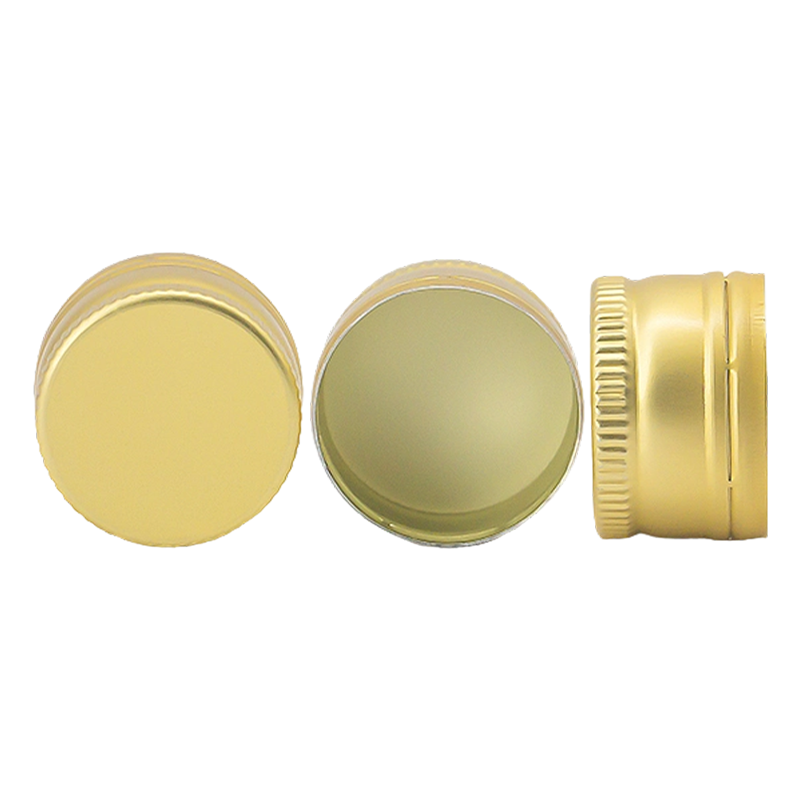
A cost-effective and durable sealing solution designed for oral liquid bottles. Made from a single piece of aluminum, it forms a secure thread by crimping onto the bottle neck, providing reliable tamp...
View More -
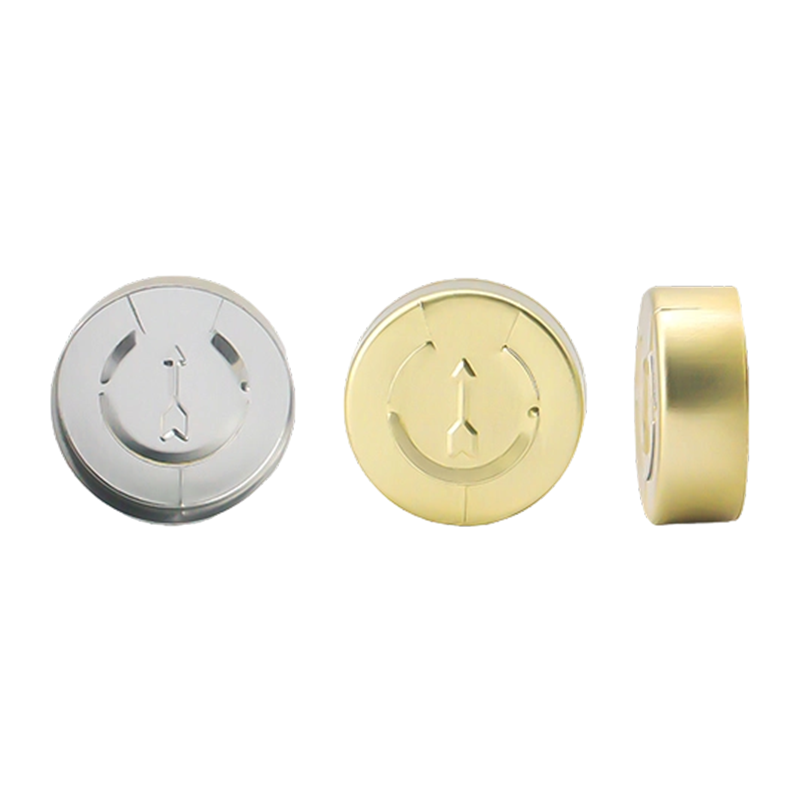
A tamper-evident aluminum seal for complete removal. It features a pre-scored tear-off line for easy opening: simply pull the tab to tear the entire cap off cleanly along the scored line, allowing for...
View More -
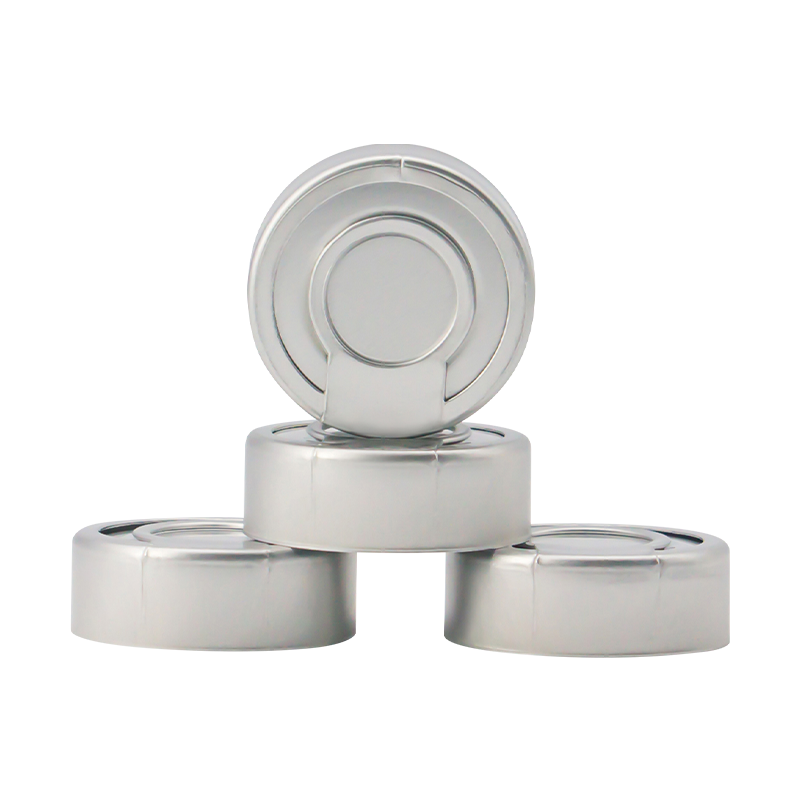
A practical aluminum seal for large-volume infusion bottles. It features an integrated pull-ring that allows the entire aluminum cap to be removed quickly and completely, providing full, unobstructed ...
View More
-
Get In Touch
 +86 511 8813 2922
 +86 139 5290 2286
 lilian@changjianglids.com
 No. 1 Mingzhu Road, Youfang Industrial Park, Yangzhong City, Zhenjiang, Jiangsu, China
The information provided on this website is intended for use only in countries and jurisdictions outside of the People's Republic of China.
No. 1 Mingzhu Road, Youfang Industrial Park, Yangzhong City, Zhenjiang, Jiangsu, China
The information provided on this website is intended for use only in countries and jurisdictions outside of the People's Republic of China. -
Product
Aluminum-Plastic Caps Aluminum Caps Euro PP Caps PP Containers for Contact Lens with Foil Seal Plastic Hanger for Infusion Bottle Plastic Jerry Can -
WhatsApp
Chris

-
WeChat
Lilian

Copyright © 2025 Jiangsu Changjiang Lids Co., Ltd. All Rights Reserved.
OEM Pharmaceutical Packaging Manufacturer
Pharmaceutical Cap Supplier
