
 English
 русский
 简体中文
简体中文


Home / News / Industry News / Child Resistant Packaging: Standards, Testing, and Smart Cap Design Choices
Child Resistant Packaging: Standards, Testing, and Smart Cap Design Choices
2026.09.24
Content
- 1 Standards Turn Safety Into a Number
- 2 How the Pass Thresholds Compare
- 3 Where Child Resistance Actually Matters in a Pharma Line
- 4 Relative Exposure by Dosage Form
- 5 Opening Mechanisms and What They Allow
- 6 Balancing Protection Against Everyday Usability
- 7 Time to Open, Panel by Panel
- 8 Material, Tolerance, and Cleanroom Reality
- 9 Procurement Risks Worth Writing Into the Specification
- 10 Next Steps
Start with the conclusion. Child resistant packaging is not about making a bottle harder to open. It is a performance claim that has to be proven twice over: most young children must fail to open the package within the first few minutes, and adults must still open and reclose it without instructions, including users aged 50 to 70 whose grip strength has already declined.
Most sourcing problems begin when a buyer treats child resistance as a separate part. It is not. It is the combined result of closure geometry, liner material, bottle tolerance, and a test protocol that is repeated on every production variant. For oral liquids, syrups, and chewable tablets the requirement is routine. For injection vials and infusion containers the exposure risk is lower, but the opening action and seal structure still shape how a nurse or a caregiver handles the product.
The sections below explain how the thresholds are set, which product lines actually carry the risk, and what a cap specification has to give up in order to pass.
Standards Turn Safety Into a Number
The international reference is ISO 8317. In the United States, the Consumer Product Safety Commission enforces 16 CFR 1700.20, and the two follow the same logic: hand the package to two panels of children of different ages, record how many get it open, then hand it to adults aged 50 to 70 and record whether they can open it, how long it takes, and whether they can close it again.
The important detail is that the two directions pull against each other. The child panels are pass ceilings. The adult panel is a pass floor. A package that stops children but also stops a 68 year old user is a failed design, not an extra-safe one.
If you are evaluating closure geometry for a vial, our industry note on aluminum plastic caps for vials breaks down the differences between tear-off, bridge type, and flower type constructions.
How the Pass Thresholds Compare
This chart places the ISO 8317 and 16 CFR 1700.20 thresholds on one scale so the asymmetry becomes obvious. The child panels are ceilings, which means a higher opening rate is worse, while the adult panel is a floor, which means a lower rate is worse. Panel 1 covers children aged 42 to 51 months and caps the opening rate at 15 percent. Panel 2 covers children aged 50 to 59 months who have been shown how the package works, and their ceiling is 20 percent. The adult panel of 50 subjects aged 50 to 70 must reach at least 90 percent on opening and at least 90 percent on reclosing within five minutes. A product that lands between those limits usually needs a closure redesign rather than an extra warning line on the carton.
Where Child Resistance Actually Matters in a Pharma Line
Not every pharmaceutical package needs to run the full child resistance protocol. The real exposure sits with dosage forms that travel home and end up on a nightstand or a kitchen counter. Oral liquids rank first because a pediatric dose, a sweetened base, and household storage land in the same bottle. Chewable tablets follow closely, since children can mistake them for candy.
Relative Exposure by Dosage Form
This bar chart compares dosage forms on a relative exposure score from zero to ten, and the scores are illustrative rather than measured incident data. Oral liquid bottles sit at the top because pediatric dosing, a palatable base, and home storage combine in a single pack. Chewable tablets and tablets come next, since a child can read them as candy and the container is often left open. Eye drop bottles land in the middle, because the use frequency is lower but the bottle is small and easy to pick up. Injection vials and infusion containers score lowest, since both are handled mainly by clinicians in a controlled setting. The spread explains why a single child resistance strategy rarely fits every line, and why the decision should follow the dosage form rather than the brand.
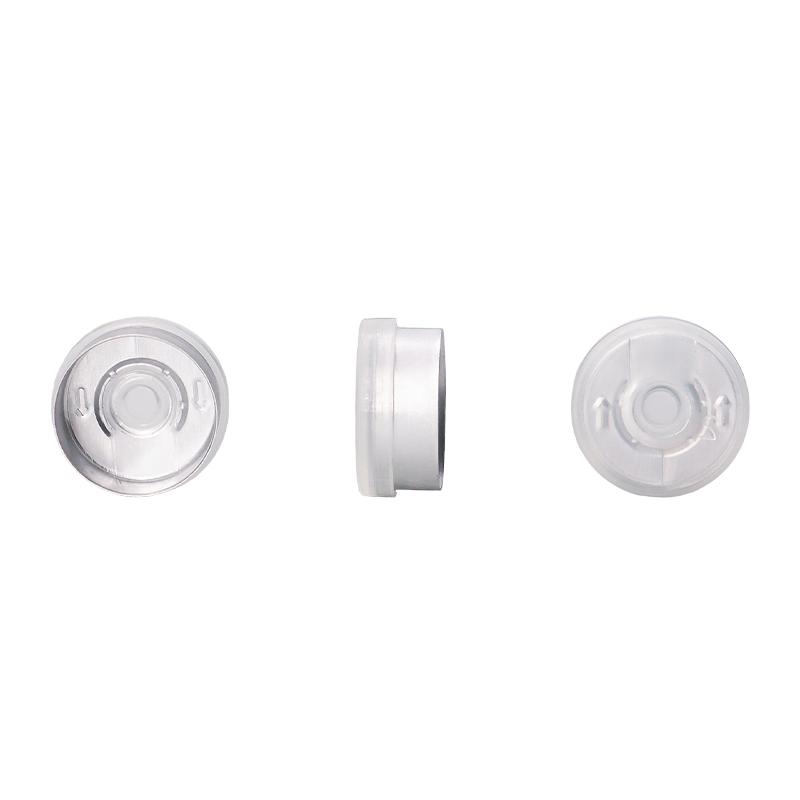 Tear Off Aluminum-Plastic CapA specialized sealing cap designed for oral liquids. It features an easy-tear design on the aluminum cap, allowing users to open it quickly and reliably, with a near 1...View Product →
For oral liquids, the practical answer is usually a closure that adds one deliberate step between the child and the contents. A tear-off aluminum plastic cap does exactly that: the aluminum shell stays in place while the foil beneath the plastic overcap has to be torn before the bottle opens.
Opening Mechanisms and What They Allow
Once child resistance becomes a design constraint, the opening structure stops being a cosmetic choice. It decides how many actions an adult performs, how long a child needs to reach the liquid, and whether the change can be applied to an existing bottle without retooling the line.
- Aluminum pull ring caps open in one pull with one hand, which suits clinical use but leaves the neck fully open afterwards.
- Tear-off aluminum plastic caps keep an outer shell and require the foil to be torn, adding a step that delays access.
- Bridge type caps hold the plastic center through thin aluminum bridges, which have to be separated before removal.
- Middle hole caps retain a center opening for a rubber stopper and are built for injection use rather than oral dosing.
- Screw and twist-off caps open and close by rotation, which is the geometry that push-and-turn child resistant mechanisms are built around.
Pull ring closures are common on injection vials, and the limitation is easy to see. Once the ring is pulled, nothing stands between the neck and whatever is nearby, which is one reason pull ring designs are rarely specified for oral liquids.
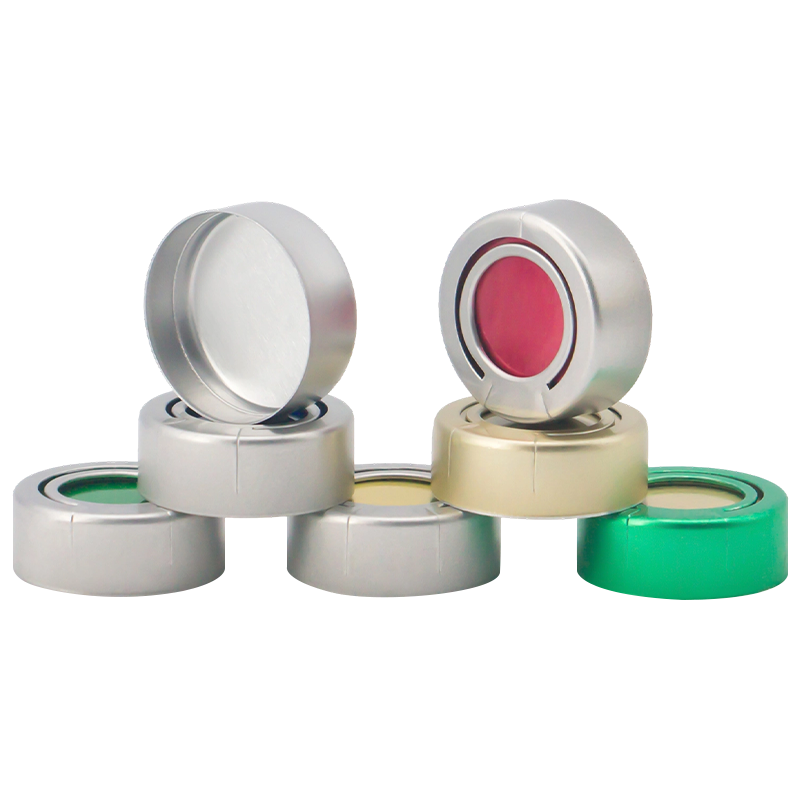 Aluminum Pull-Ring CapA tamper-evident aluminum seal designed for injection vials. It features an integrated pull-ring that, when pulled, removes the entire aluminum cap cleanly from the vi...View Product →
Balancing Protection Against Everyday Usability
A push-and-turn mechanism is not a new cap sitting on top of an old one. It needs a thread profile that resists rotation unless downward force is applied, and that profile has to work across the full tolerance range of the molded bottle. Screw cap geometry is therefore the natural starting point for any child resistant conversion, and it is also where most of the engineering time goes.
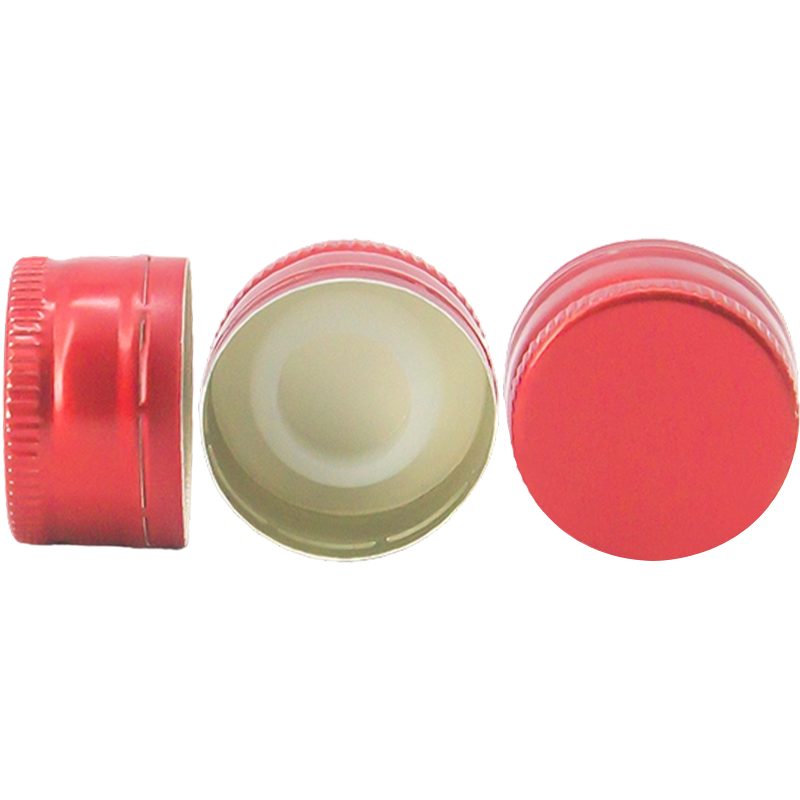 Aluminum Screw CapA cost-effective and durable sealing solution designed for oral liquid bottles. Made from a single piece of aluminum, it forms a secure thread by crimping onto the bot...View Product →
This radar comparison sets a standard tear-off aluminum plastic cap against a closure that has been optimized for child resistance. The standard version scores low on child resistance because once the overcap is removed, only the foil stands between a child and the bottle. The optimized version lifts child resistance and reclosing reliability, but it pays for that with a higher unit cost and one extra action for the adult user. Seal integrity and cleanroom fit stay almost identical across both, because those two attributes follow material choice and workshop conditions rather than opening geometry. The gap in cost efficiency is the reminder that child resistance is never free, and the added tooling and testing cost lands on the piece price. The useful procurement question is therefore not which option is safer, but how much weight the product should give to protection, ease of use, and cost.
Time to Open, Panel by Panel
This line chart traces the cumulative share of each panel that has opened the package, minute by minute across a five minute window. The adult line climbs fastest and flattens early, which means most adults finish within the first two minutes and additional time adds very little. Both child lines rise slowly and stay close together, which shows that a single demonstration moves the result by only a few points. The two child curves also have to stay beneath their ceilings of 15 percent and 20 percent respectively, while the adult curve has to stay above 90 percent. A package that passes with the child panels pressed right against the ceiling has almost no margin left, so a normal batch-to-batch variation in liner or aluminum thickness can push a later production run out of compliance.
Material, Tolerance, and Cleanroom Reality
Aluminum thickness, liner compression, and the torque tolerance of the molded neck all feed into the same opening force. A 0.02 mm change in aluminum wall thickness can shift the pull force enough to matter on a small bottle, and that shift has to be caught before the finished cap leaves the workshop. This is why qualification at 2000 units per shift looks simple on paper and complicated in practice.
Manufacturing conditions matter for the same reason. A supplier running C and A grade cleanrooms under GMP and ISO 9001 controls can hold a documented process window and re-test after each tooling change. Output volume helps as well: annual capacity in the range of three billion aluminum and aluminum plastic caps plus eight hundred million polypropylene caps gives room to dedicate a line to a child resistant variant instead of sharing one with a fast-moving standard product.
Procurement Risks Worth Writing Into the Specification
Most compliance failures trace back to gaps in the written specification rather than to the cap itself. These are the items worth naming explicitly before the first sample is molded.
| Specification item | Why it matters | What to confirm before ordering |
|---|---|---|
| Child panel test report | Without an accredited report the claim cannot be used on the label | Which test house, which protocol version, and which production variant was tested |
| Bottle neck tolerance | The same cap can pass on one bottle mould and fail on another | Neck drawing with thread root and finish diameter limits |
| Liner material grade | Liner compression sets the pull or turn force | Liner grade, thickness, and shelf life under the intended storage condition |
| Reclose requirement | The adult panel tests reclosing, not just opening | Whether the closure can be re-seated at least as many times as the pack is used |
| Line changeover | A child resistant variant often needs a different closing head | Whether the filling line needs a tooling change and how long it takes |
- Confirm the dosage form and the storage location, because that decides whether child resistance applies at all.
- Ask for the test protocol version, not only the pass result.
- Request samples moulded from the same tool that will run commercial production.
- Re-test after any change to aluminum thickness, liner supplier, or neck mould.
- Keep the adult reclosing step in the acceptance criteria rather than treating it as optional.
Next Steps
The practical takeaway is straightforward. Decide early whether the product carries a real household exposure risk, because that decision drives the closure geometry, the test budget, and the filling line setup all at once. Then hold the specification to the protocol rather than to a visual impression of tightness.
If you are weighing a tear-off aluminum plastic cap against a screw or pull ring design for a specific bottle, our team can review the neck drawing, the intended dosage form, and the storage condition, then send samples from a matched production run. You can talk to our engineering team with the bottle drawing and the target market attached, and we will come back with the closure options that fit both the pack and the compliance route.
Related products
-
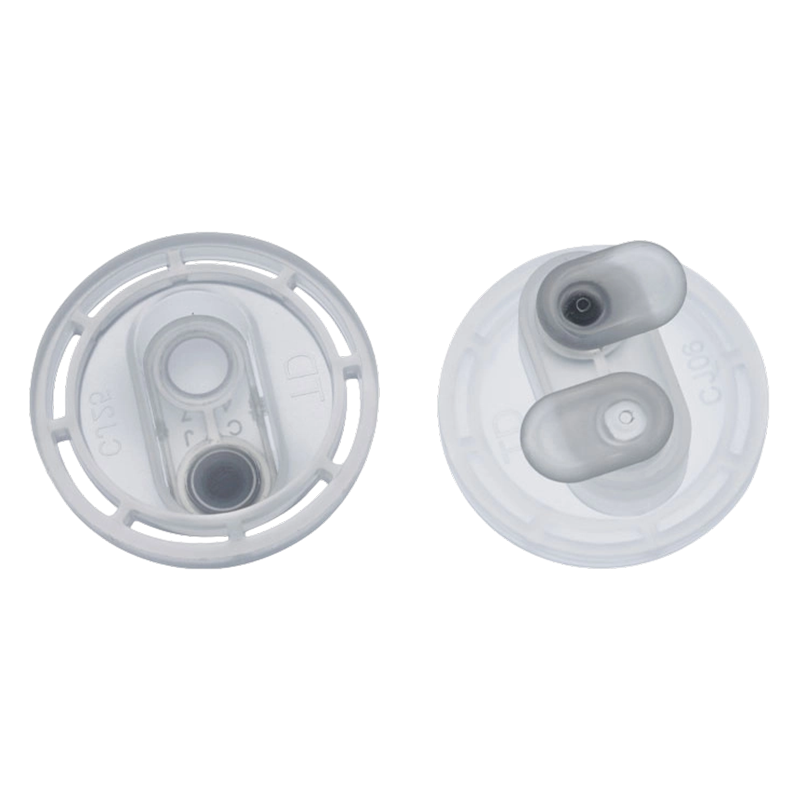
A standardized dual-port polypropylene cap designed for infusion and solution bottles. This integrated solution ensures reliable closure and provides two distinct, self-sealing access points for safe ...
View More -
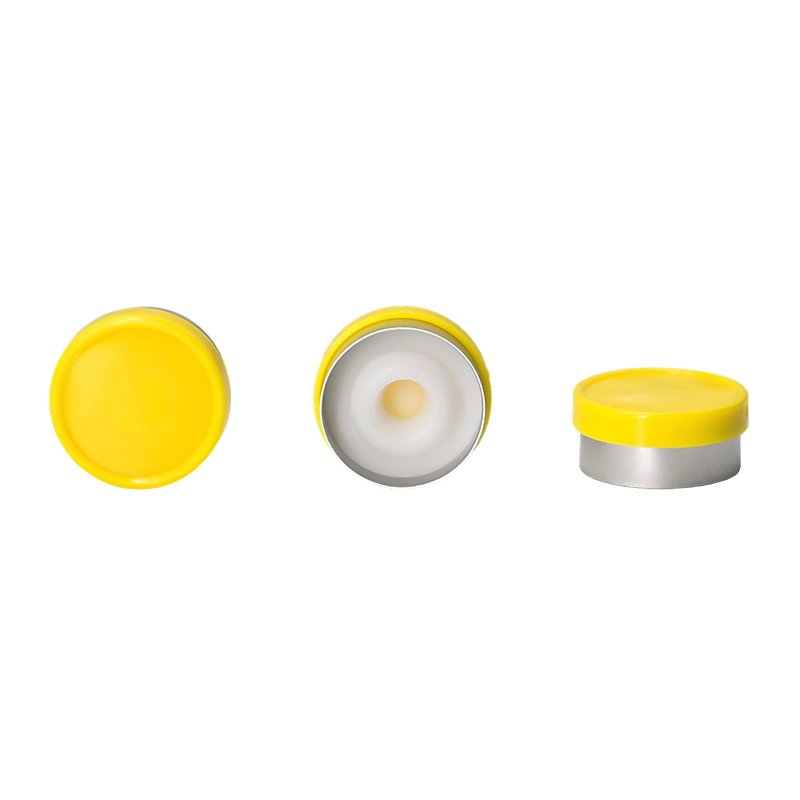
A secure and user-friendly sealing solution designed specifically for oral liquids. It ensures reliable product integrity, leak-proof performance, and compliance with safety standards. Featuring a flo...
View More -
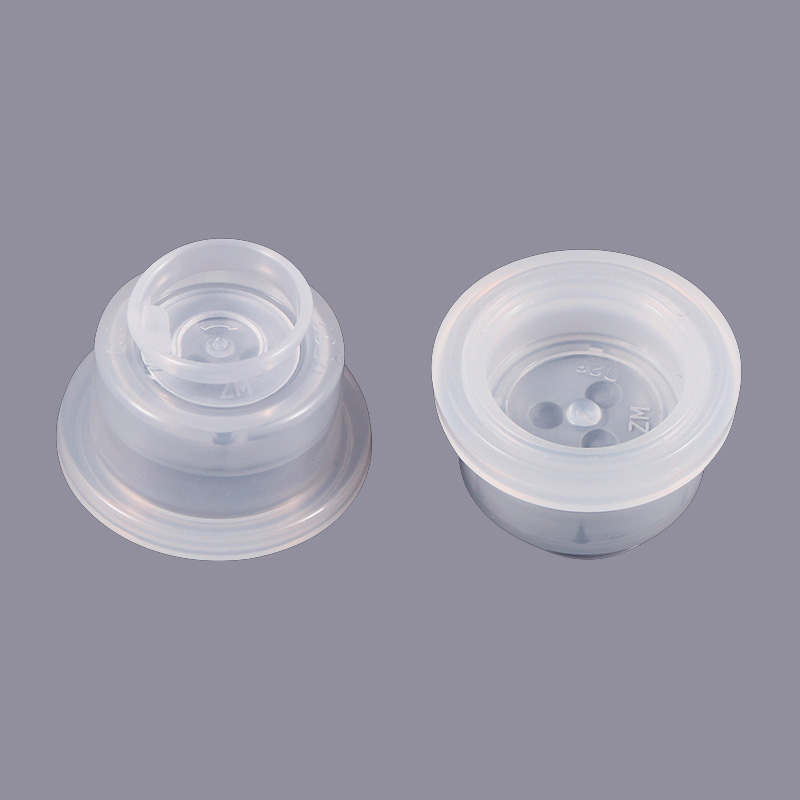
A standardized pull-ring polypropylene cap designed for infusion and solution bottles. This tamper-evident solution ensures reliable closure and provides an integrated pull-ring for safe, tool-free ac...
View More -
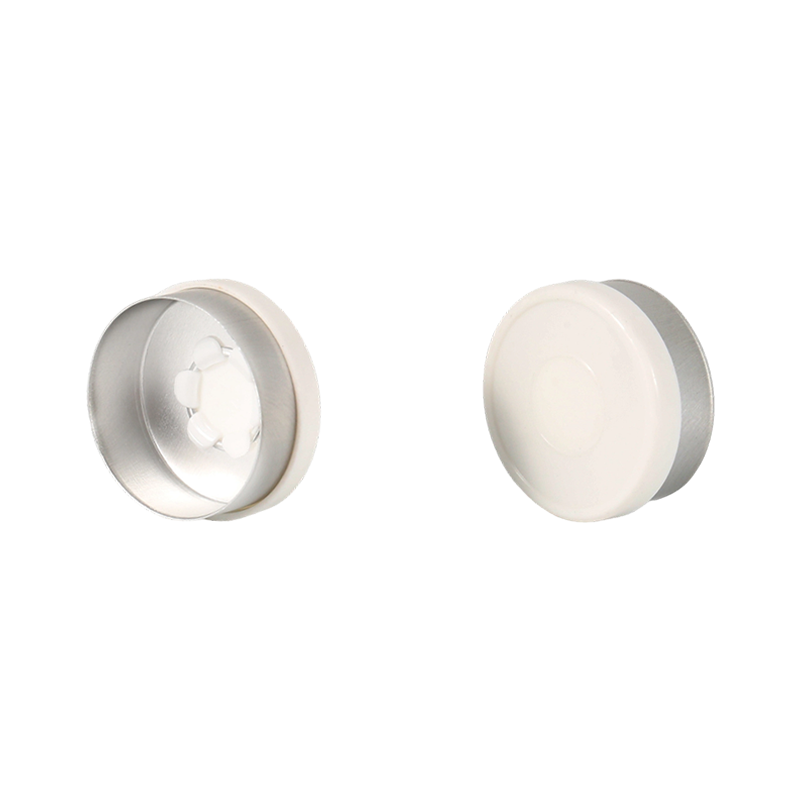
A reliable and tamper-evident sealing solution designed for standard injection vials. It ensures container seal integrity and safe needle access for liquid medications. A professional sealing componen...
View More -
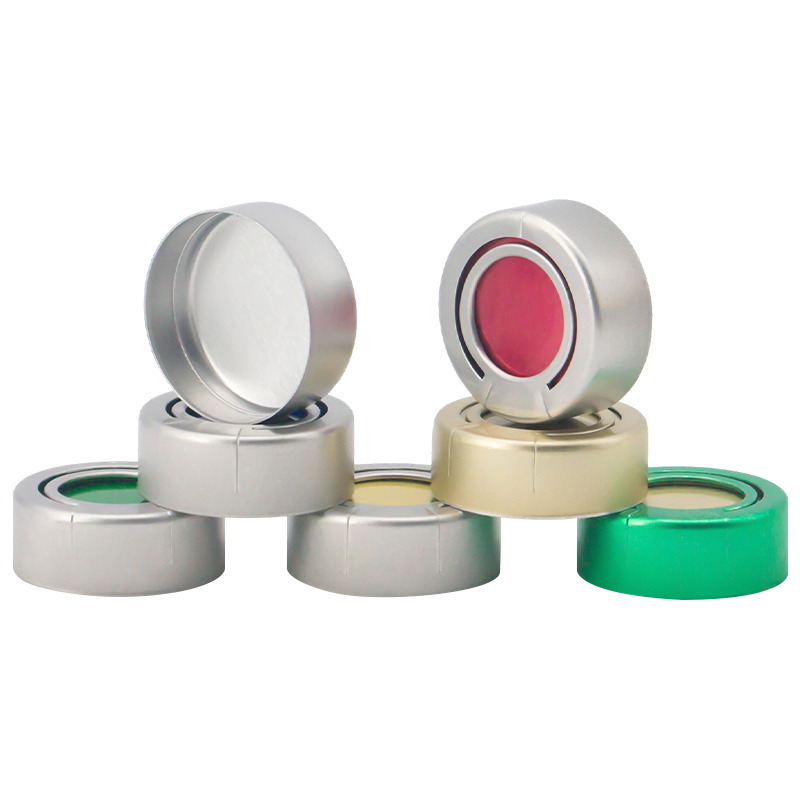
A tamper-evident aluminum seal designed for injection vials. It features an integrated pull-ring that, when pulled, removes the entire aluminum cap cleanly from the vial neck, leaving the rubber stopp...
View More -
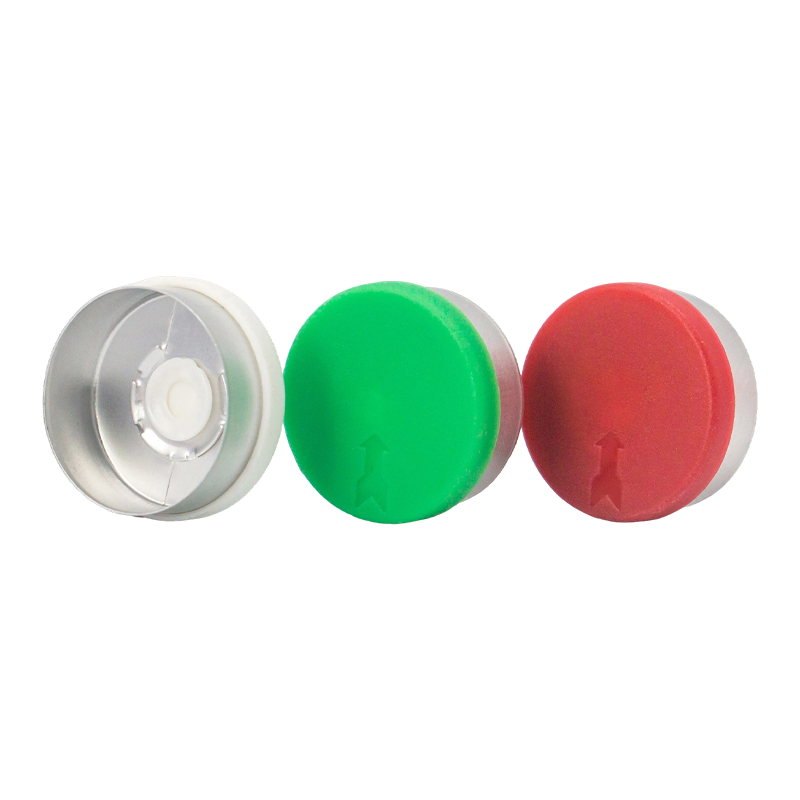
A specialized sealing cap designed for pharmaceutical injection vials. It features an easy-tear design on the aluminum cap, allowing users to open it quickly and reliably, with a near 100% opening suc...
View More
-
Get In Touch
 +86 511 8813 2922
 +86 139 5290 2286
 lilian@changjianglids.com
 No. 1 Mingzhu Road, Youfang Industrial Park, Yangzhong City, Zhenjiang, Jiangsu, China
The information provided on this website is intended for use only in countries and jurisdictions outside of the People's Republic of China.
No. 1 Mingzhu Road, Youfang Industrial Park, Yangzhong City, Zhenjiang, Jiangsu, China
The information provided on this website is intended for use only in countries and jurisdictions outside of the People's Republic of China. -
Product
Aluminum-Plastic Caps Aluminum Caps Euro PP Caps PP Containers for Contact Lens with Foil Seal Plastic Hanger for Infusion Bottle Plastic Jerry Can -
WhatsApp
Chris

-
WeChat
Lilian

Copyright © 2025 Jiangsu Changjiang Lids Co., Ltd. All Rights Reserved.
OEM Pharmaceutical Packaging Manufacturer
Pharmaceutical Cap Supplier
