
 English
 русский
 简体中文
简体中文


Home / News / Industry News / Child Proof Caps: A Buyer's Guide to Safety Closures, Standards, and Testing
Child Proof Caps: A Buyer's Guide to Safety Closures, Standards, and Testing
2026.09.18
Content
Imagine a production manager at a pharmaceutical plant receiving a quality alert two days after a batch is shipped. An independent re-test of the oral liquid bottle caps shows that 40 percent of children aged 42 to 51 months could open the closure within five minutes, well above the acceptable limit. The root cause is not an obvious defect; the cap simply was never designed with a true child-resistant mechanism. This scenario illustrates why child proof caps are more than a marketing label. They are a regulatory requirement, a safety metric, and a technical decision that affects every stage of packaging development.
In this guide, we explain what child proof caps are, how child-resistant packaging is tested, which standards govern the closures, and what procurement teams should look for when sourcing them.
Why Child Proof Caps Matter: The Prevention Record
Before choosing a closure, it helps to understand the public health problem it solves. In the early 1960s, thousands of American children were treated in emergency rooms after opening aspirin bottles and household cleaners. After the Poison Prevention Packaging Act took effect in 1970, the trend changed sharply. Unintentional poisoning deaths among children under five fell from an estimated hundreds per year in the 1960s to fewer than 50 by the 1990s and to the low 20s more recently.
The line chart above shows a simplified historical curve based on reported public health data: approximately 380 annual deaths in 1960, 310 in 1970, 150 in 1980, 80 in 1990, 35 in 2000, 22 in 2010, and 15 in 2020. The downward direction is not caused by child proof caps alone; safer storage, better emergency care, and parent education also play a role. But packaging industrial hygiene has been the most consistent variable, because it does not depend on daily human attention. A well-designed closure can prevent access for the few critical minutes a caregiver needs. That is why compliance with child-resistant standards is now a baseline expectation for most household and pharmaceutical packaging.
How Child Proof Caps Work
Child proof caps rely on a two-step opening action that is unusually hard for a small child to perform. A press-and-turn cap requires the user to push down firmly while rotating, which needs coordination and strength that most children under five have not developed. A squeeze-and-turn cap requires squeezing two opposite sides while turning, another action that is not intuitive to a toddler. Some blister packs use a peel-push method, and a few metal closures use a tear tab that demands a strong sustained pull.
The horizontal bar chart presents an illustrative comparison of how often a panel of children could not open a package within five minutes during a simulated internal test. The simple screw cap allowed most children to open it, while the two CR designs stopped more than 95 percent of the children in the same panel. An aluminum tear-off cap also scored high, but it is not designed or certified as a child-resistant closure under a standard protocol. The practical takeaway is that a child resistant outcome is a measurable performance, not a visual feature. If a closure looks complex but has no tested dual-action mechanism, it should not be marketed as child proof.
Testing and Standards: What Compliance Really Requires
Regulatory testing for child proof caps is designed to measure actual human performance, not just mechanical strength. In the United States, the Consumer Product Safety Commission enforces a protocol under the Poison Prevention Packaging Act, often using a panel of children aged 42 to 51 months to verify that the closure is difficult for them to open. Similar requirements appear in standards such as ASTM D3475, ISO 8317, and the European EN ISO 8317 for pharmaceutical packaging. A final decision about which standard applies depends on your product category, target market, and whether the pack is sold as a single unit or as part of a secondary carton.
The grouped column chart compares hypothetical test outcomes for a compliant press-and-turn CR cap and a standard screw cap. In the chart, 96 percent of the child test panel could not open the CR cap within five minutes, and 92 percent still could not open it after ten minutes. The standard screw cap, by contrast, was successfully opened by most children in the same test. Adults using the CR cap were able to open it within five minutes in about 90 percent of trials, which is a typical acceptance band for regulatory approval. These numbers are not global pass-fail values; they are an example of the evidence a manufacturer must generate when submitting a new closure for certification. The same data also matters in routine production quality audits, because resin batches and injection molding conditions can change how much force is needed.
Selecting the Right Closure for Your Bottle
Choosing a child proof cap begins with bottle geometry. The neck finish, inner diameter, and liner requirements limit which closure designs can be used. You also need to balance the needs of children, older adults, and production lines. A cap that is extremely difficult for a child can be frustrating for an elderly patient with reduced grip strength, which may cause them to remove the cap and leave it loose. The best choice is a closure that passes child-resistant testing while remaining comfortable for the intended adult population.
The radar chart gives a qualitative comparison of three closure concepts across five selection criteria: child resistance, adult ease of use, seal integrity, material recyclability, and production speed. The custom CR cap scores highest on child resistance because it is designed and tested for that purpose, but it may be less recyclable when it contains multiple plastics and springs. An aluminum tear-off cap offers good child resistance in practice because a young child rarely has the finger strength to lift the tab, yet it is not certified as a CR closure under most regulations. An aluminum-plastic cap performs well in seal integrity and production speed, making it a strong choice when the bottle also needs a tamper-evident outer seal. The chart should be used as a starting point for discussions with your cap supplier, not as a substitute for full verification testing.
Common Sourcing Mistakes
Pharmaceutical buyers often focus on the cavity price and visual appearance of a cap, then discover later that the closure does not meet the required child-resistant standard. One common mistake is assuming that any metal cap is automatically safe because it is hard to remove. Some aluminum caps require only a simple twist and can be opened by a determined child; our guide on aluminum caps for pharmaceutical vials explains the visual differences between those designs. Another mistake is ignoring the adult population: an elderly patient may break the cap if they struggle with it, creating a different safety problem. A third issue is changing the cap design without re-testing, even if the neck finish remains the same, because subtle changes in tolerances can change the force profile.
- Verify that the closure is certified under the specific standard relevant to your market, not just similar.
- Ask for the full test report, including data for child panels and adult panels, not a summary table.
- Run annual production audits to confirm that dimensional shifts and resin changes do not degrade performance.
- Involve the packaging manufacturer early in the design review so that the cap and bottle are developed together.
- Test the final assembly, because a bottle change, liner change, or labeling operation can influence the opening action.
How a Packaging Manufacturer Can Support Your CR Program
Even when a cap has passed child-resistant testing, the total package must still work with your filling line, sterilization process, and labeling system. A manufacturer that understands pharmaceutical packaging can help you avoid mismatched dimensions, assembly failures, and documentation gaps. At Jiangsu Changjiang Lids, we produce a range of aluminum and aluminum-plastic caps for vials, infusion bottles, and oral liquid bottles, and we use the same cleanroom and GMP framework to ensure traceability.
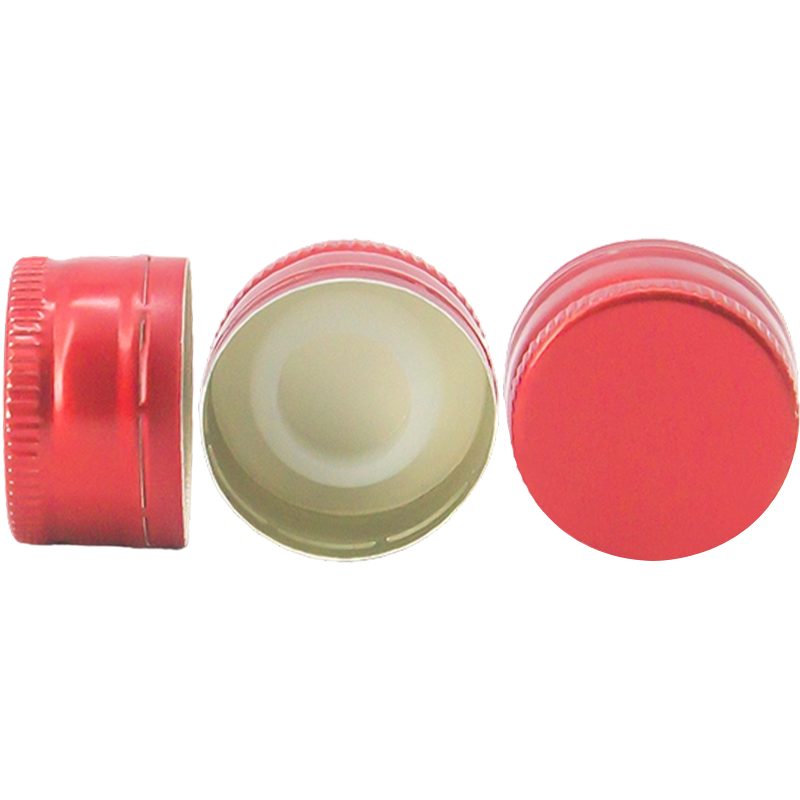 Aluminum Screw Cap for Oral Liquid BottlesThis single-piece aluminum closure offers tamper evidence and resealability for oral liquid bottles. Its pre-scored skirt and thread-forming design suit pharmaceutical syrups, supplements, and liquid formulations requiring reliable sealing and sterilization tolerance.View Product →
For oral liquid bottles that already have a CR polypropylene cap underneath, an outer aluminum screw cap can provide tamper evidence and brand presentation. Our aluminum screw cap is produced with tight rim tolerances and can be applied over existing screw finishes. If you prefer a one-piece metal closure, our aluminum tear-off cap for injection vials is often used in hospital settings where quick access is essential, but it is not a substitute for a tested CR closure on a medicine bottle destined for home use.
When the formulation is sensitive to moisture or oxygen, an aluminum-plastic cap with a soft gasket can improve the seal. The bridge-type and flower-type designs give you options for a prominent ring break that is easy to inspect. To understand how these metal and plastic combinations are constructed, you can read our overview of what is an aluminum-plastic cap for vials. This knowledge is useful when you compare an existing conventional cap with a candidate CR cap, because the two closures need to cooperate with the same vial neck.
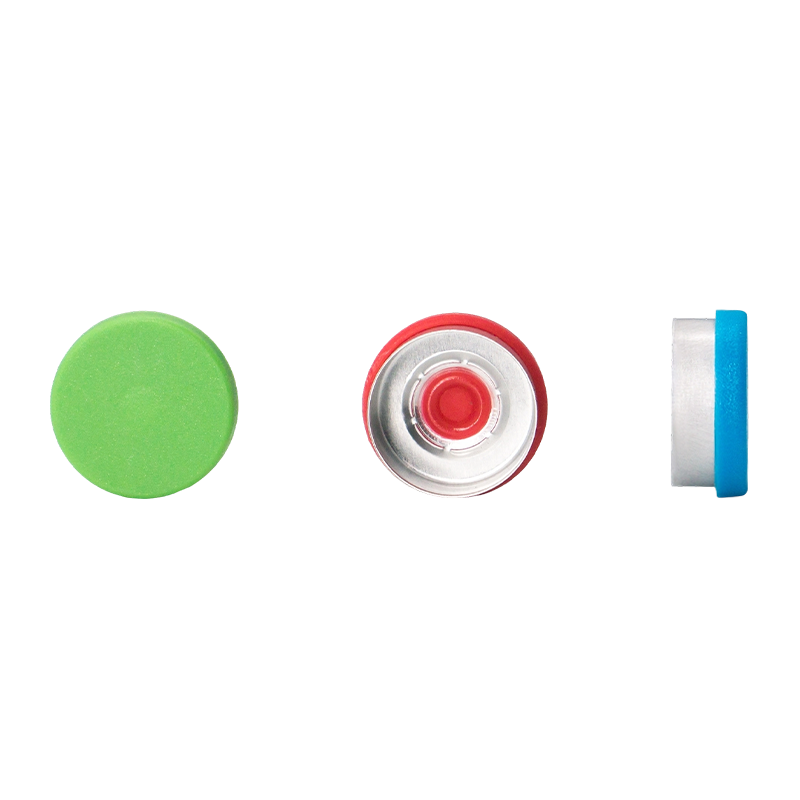 Bridge Type Aluminum-Plastic Cap for Oral LiquidsDesigned for pediatric syrups and suspensions, this bridge-type aluminum-plastic cap features low opening force and clean bridge breakage. It provides a secure seal with a visible ring break, supporting both ready-to-use and ready-to-sterilize packaging needs.View Product →
As a next step, send us your bottle drawings and target standards. We can evaluate whether an existing product range can be adapted, or whether an OEM project is needed to build a custom closure around your child-resistant insert. The final result should be a cap that performs in the test protocol, works on high-speed capping lines, and protects patients from accidental exposure.
Related products
-
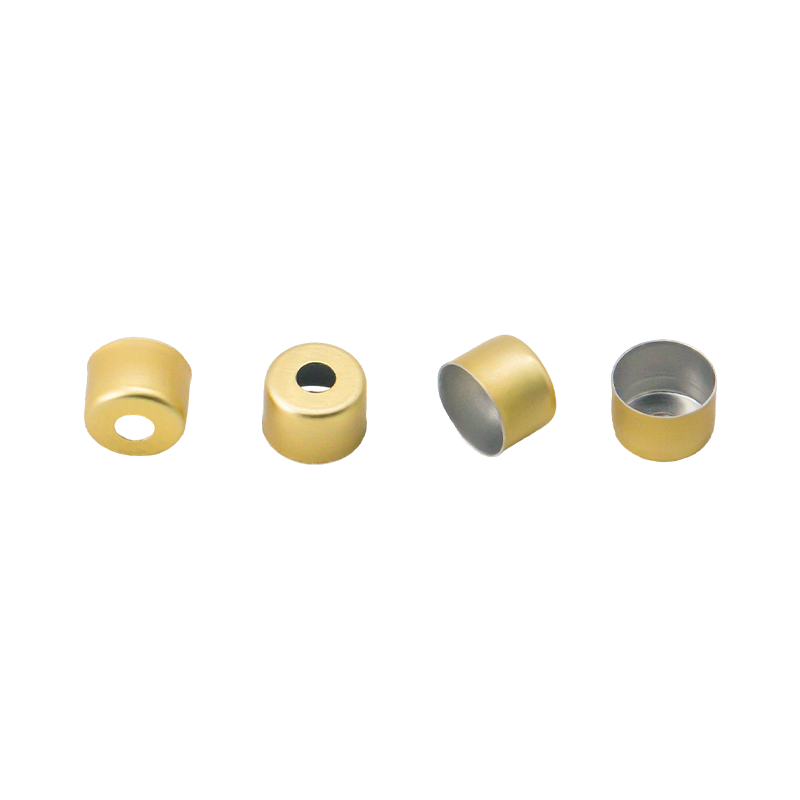
A precision sealing solution designed for cartridge-based drug delivery systems, such as pre-filled syringes and pen injectors. It ensures sterile integrity and safe, reliable needle access for inject...
View More -
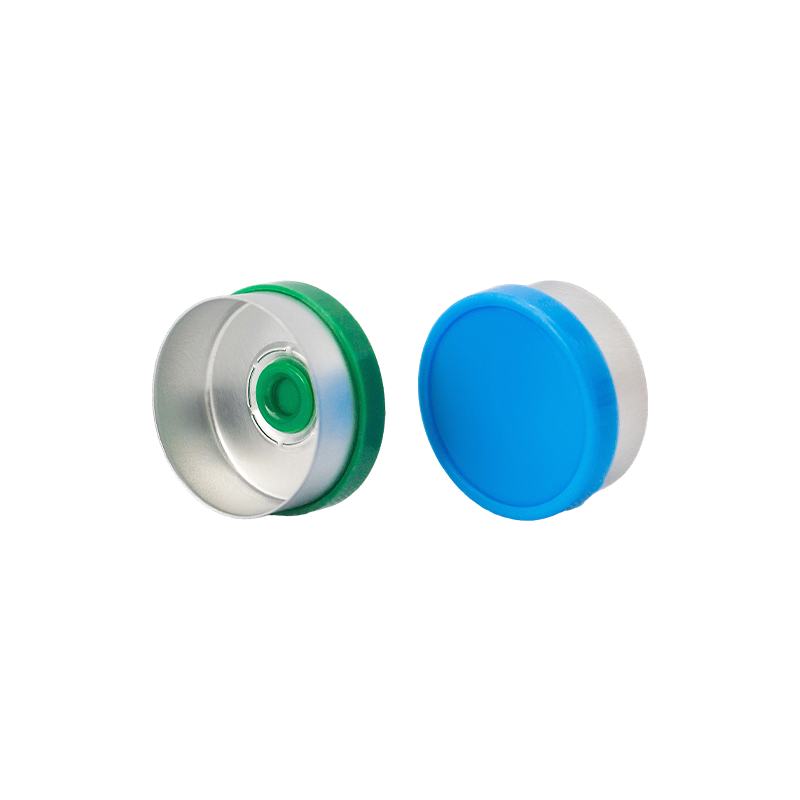
A reliable and tamper-evident sealing solution designed for standard injection vials. It ensures container seal integrity and safe needle access for liquid medications. ZB structural design offers the...
View More -
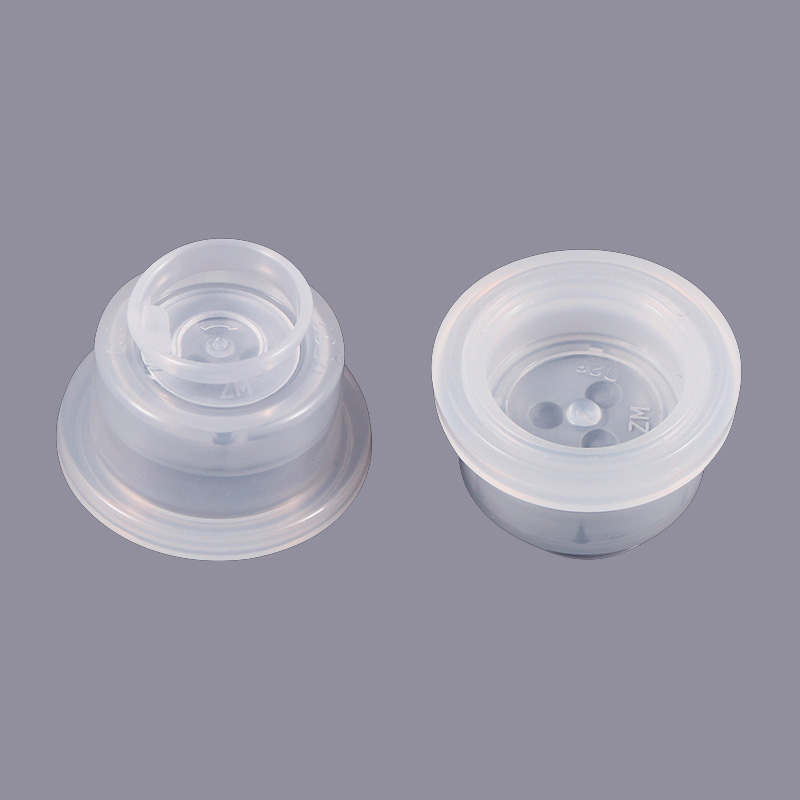
A standardized pull-ring polypropylene cap designed for infusion and solution bottles. This tamper-evident solution ensures reliable closure and provides an integrated pull-ring for safe, tool-free ac...
View More -
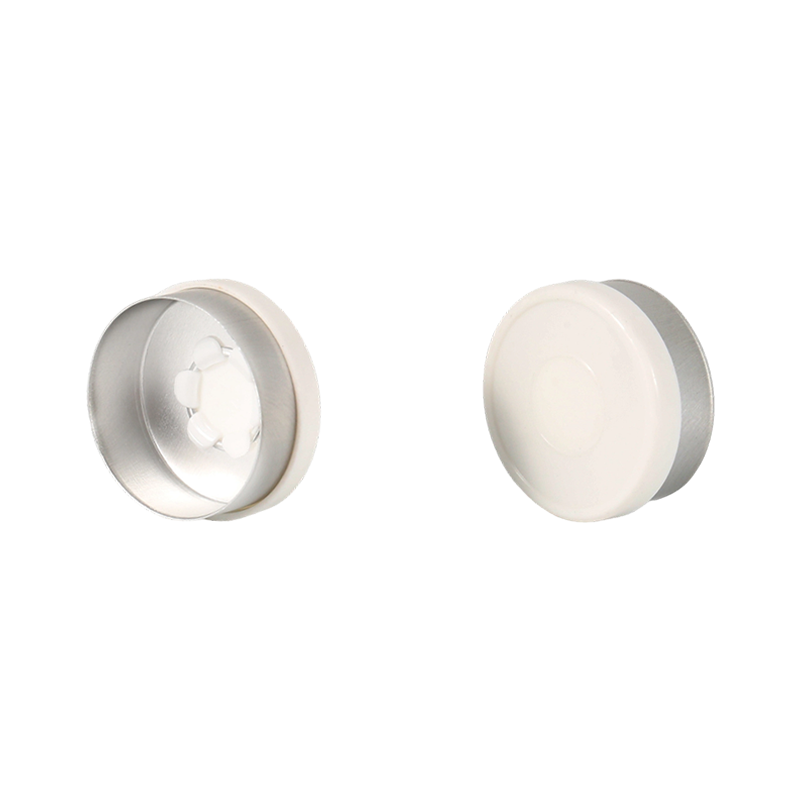
A reliable and tamper-evident sealing solution designed for standard injection vials. It ensures container seal integrity and safe needle access for liquid medications. A professional sealing componen...
View More -
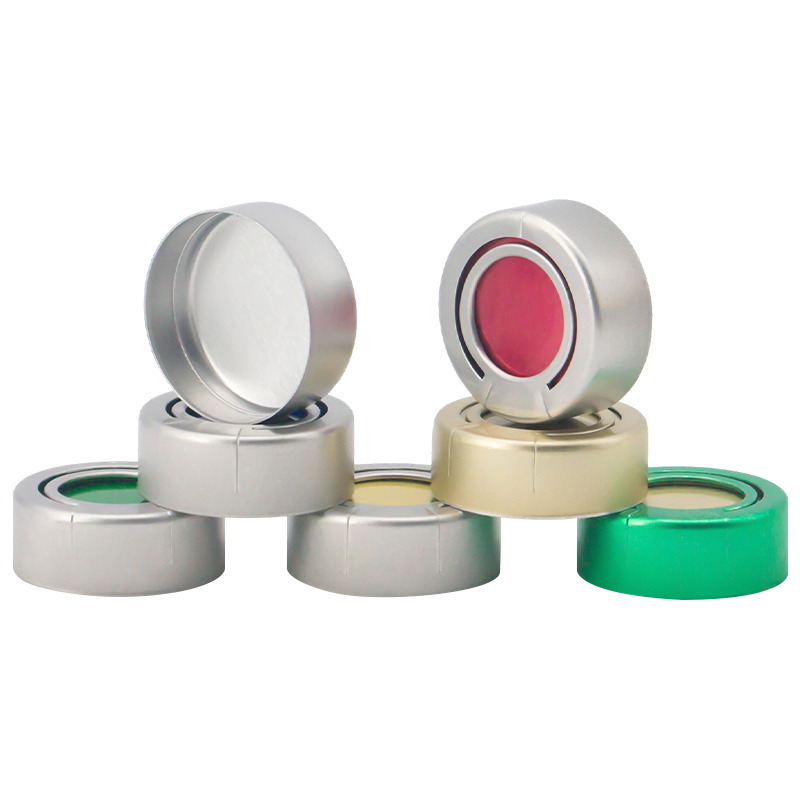
A tamper-evident aluminum seal designed for injection vials. It features an integrated pull-ring that, when pulled, removes the entire aluminum cap cleanly from the vial neck, leaving the rubber stopp...
View More -
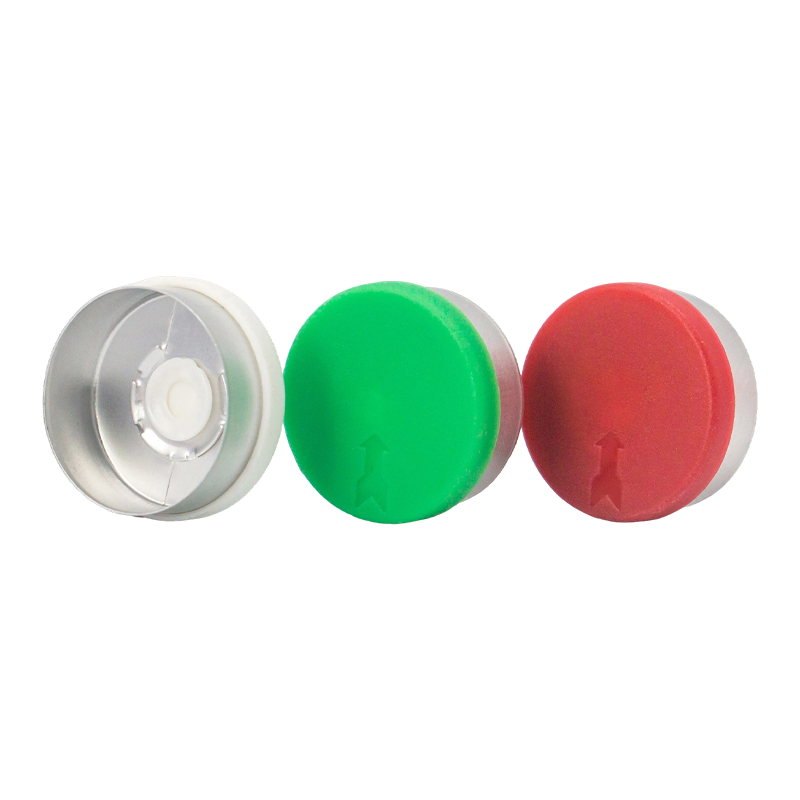
A specialized sealing cap designed for pharmaceutical injection vials. It features an easy-tear design on the aluminum cap, allowing users to open it quickly and reliably, with a near 100% opening suc...
View More
-
Get In Touch
 +86 511 8813 2922
 +86 139 5290 2286
 lilian@changjianglids.com
 No. 1 Mingzhu Road, Youfang Industrial Park, Yangzhong City, Zhenjiang, Jiangsu, China
The information provided on this website is intended for use only in countries and jurisdictions outside of the People's Republic of China.
No. 1 Mingzhu Road, Youfang Industrial Park, Yangzhong City, Zhenjiang, Jiangsu, China
The information provided on this website is intended for use only in countries and jurisdictions outside of the People's Republic of China. -
Product
Aluminum-Plastic Caps Aluminum Caps Euro PP Caps PP Containers for Contact Lens with Foil Seal Plastic Hanger for Infusion Bottle Plastic Jerry Can -
WhatsApp
Chris

-
WeChat
Lilian

Copyright © 2025 Jiangsu Changjiang Lids Co., Ltd. All Rights Reserved.
OEM Pharmaceutical Packaging Manufacturer
Pharmaceutical Cap Supplier
