
 English
 русский
 简体中文
简体中文


Home / News / Industry News / How to Choose a GMP Pharmaceutical Closure Supplier for Your Vials and Bottles
How to Choose a GMP Pharmaceutical Closure Supplier for Your Vials and Bottles
2026.08.28
Content
- 1 What Does a Closure Supplier Really Need to Control?
- 2 Core Qualification Criteria for a Closure Supplier
- 3 Seal Integrity Trends You Should Track
- 4 Closure Format Comparison: Choosing the Right Cap Family
- 5 Does the Supplier Have the Production Capacity to Support You?
- 6 How to Turn a Qualification into an Ongoing Relationship
Filling lines rarely fail for a single reason. When a capping station jams on every tenth vial, the first suspect is the machine, but the real cause is often a closure supplier that allowed the cap skirt dimension to drift outside the agreed range. A closure supplier is responsible for far more than delivering caps: it controls raw materials, surface finish, liner position, cleanliness, and dimensional stability across every batch. This article provides a practical framework for choosing a closure supplier for pharmaceutical and regulated packaging, using measurable evidence instead of marketing language.
What Does a Closure Supplier Really Need to Control?
A closure is a functional component, not a passive piece of packaging. A cap with a burr can crack the vial neck. An off-center liner can fail a dye penetration test. When the cap height changes slightly, the tamper band may not break cleanly. A disciplined closure supplier controls these factors the same way a drug manufacturer controls the active ingredient. The chart below shows the typical defect distribution found during closure supplier audits.
Common closure defects found during supplier audits
Dimensional mismatch is the largest category because even a 0.1 mm change in the cap skirt can affect capping force. Coating defects are the second most common problem when anodizing baths are changed without validation. Burrs matter because they scratch gloves and can generate particles in a cleanroom. Contamination under the cap usually comes from poor washing or storage conditions. A reliable closure supplier should be able to show defect data from its own production lines and explain how each defect is controlled.
Core Qualification Criteria for a Closure Supplier
Before requesting a quote, define which criteria will decide the relationship. Price is important, but a cap that is two cents cheaper can cost thousands in rejected batches. The table below is a starting point for a procurement checklist.
| Criterion | Typical acceptance | Why it matters |
|---|---|---|
| Cap diameter tolerance | Within 0.2 mm of the approved drawing | Controls capping force and seal uniformity |
| Liner concentricity | At least 95 percent within specified offset | Prevents micro-leak paths |
| Cleanroom class | Grade C or better during closure processing | Reduces particle and bioburden risk |
| Batch traceability | Complete records for each production lot | Supports investigation and recall decisions |
| Sample submission | 30 caps per lot with AQL sampling | Verifies visual and dimensional quality |
| Change notification | Written notice before any process change | Avoids silent material or geometry changes |
For injection vials, many quality plans also demand a tear-off liner that can be inspected before use. A tear-off aluminum-plastic cap for injection vials lets the filling line verify the rubber stopper position while maintaining high tamper evidence. Ask the closure supplier for a dimensional report from the same production lot as your validation samples.
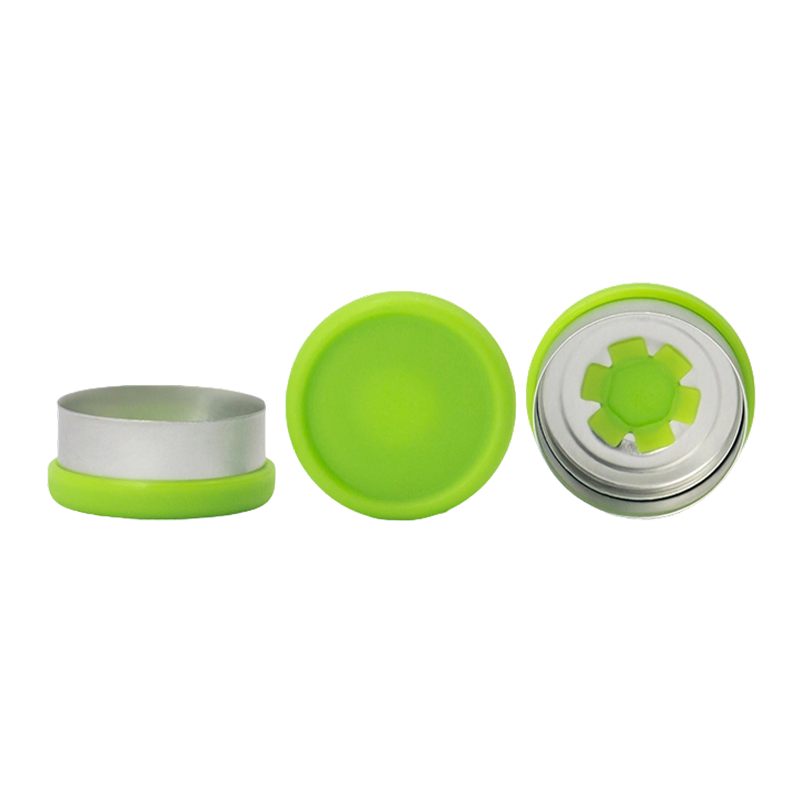 Custom Tear Off Aluminum-Plastic Cap Supplier, OEM Company - Changjiang LidsChangjiang Lids is a China custom Tear Off Aluminum-Plastic Cap supplier and OEM Tear Off Aluminum-Plastic Cap company, our caps suit var...View Product →
Seal Integrity Trends You Should Track
Once the supplier is approved, keep tracking performance. Process capability, expressed as Cpk, is a useful indicator of cap diameter consistency. A Cpk above 1.33 is often considered acceptable, but the best suppliers keep the value moving upward after automation upgrades. The line chart below shows a twelve-month improvement trend for a supplier that invested in a new inspection system. This trend is more informative than a single certificate because it shows continuity and improvement.
Cpk trend of cap outer diameter over twelve months
The line chart tracks Cpk values month by month. It starts at 1.2, below the 1.33 threshold that many auditors require. After month four the value climbs to 1.6 and then continues upward. The upward trend correlates with automated vision sorting and tighter anodizing control. A stable chart above 1.6 gives you more confidence in capacity planning.
Closure Format Comparison: Choosing the Right Cap Family
Different containers require different cap families. Single-piece aluminum caps are strong, cost-efficient, and compatible with most sterilization methods. Aluminum-plastic caps add an easy-opening plastic band or top, which is convenient for hospital staff. Euro PP caps are common for large-volume infusion containers because they can be manufactured without metal and assembled with a separate liner. The radar chart below compares three common closure families across five practical criteria.
Closure family comparison across five criteria
The radar chart compares aluminum caps, aluminum-plastic caps, and Euro PP caps. Aluminum caps score highest in seal strength and sterilization compatibility. Aluminum-plastic caps balance tamper evidence and ease of opening for vials and oral liquids. Euro PP caps score lower in seal strength because the plastic wall needs a different liner design, but they score well in cost efficiency for large-volume infusion products. Choose the closure family together with your vial supplier because the glass finish is designed to match a specific cap contour.
Does the Supplier Have the Production Capacity to Support You?
Capacity planning is not only about the number of caps a supplier can produce each day. It is about the ability to hold stable quality during peak demand. If you plan to launch a new product and need 50 million caps within six months, the supplier should show you actual production lines, not just a factory nameplate. The vertical bar chart below shows an example of annual capacity data from a pharmaceutical closure manufacturer. Compare this with your annual requirement and leave buffer for line trials, rejects, and new-product samples.
Annual production capacity by closure type
The vertical bar chart presents annual capacity in millions of pieces. The first bar is aluminum and aluminum-plastic caps with a capacity of 3,000 million pieces. The second bar is polypropylene caps with a capacity of 800 million pieces. A manufacturer at this capacity level usually operates multiple press lines and automated inspection stations. Capacity numbers also indicate stronger material purchasing power and more consistent aluminum coil supply.
How to Turn a Qualification into an Ongoing Relationship
Supplier qualification should be reviewed at least once a year and whenever a new container is introduced. Ask the closure supplier to provide a quality agreement that covers liner material, lubricant, storage conditions, and defect action levels. If you source infusion closures, you may need a closure that withstands multiple needle punctures in the port. An aluminum pull-ring cap for infusion bottles is a common choice because the ring gives a clear visual signal that the bottle has not been opened. Use your audit findings as the basis for a performance improvement plan, and assign a responsible person from your quality team to monitor supplier statistics monthly.
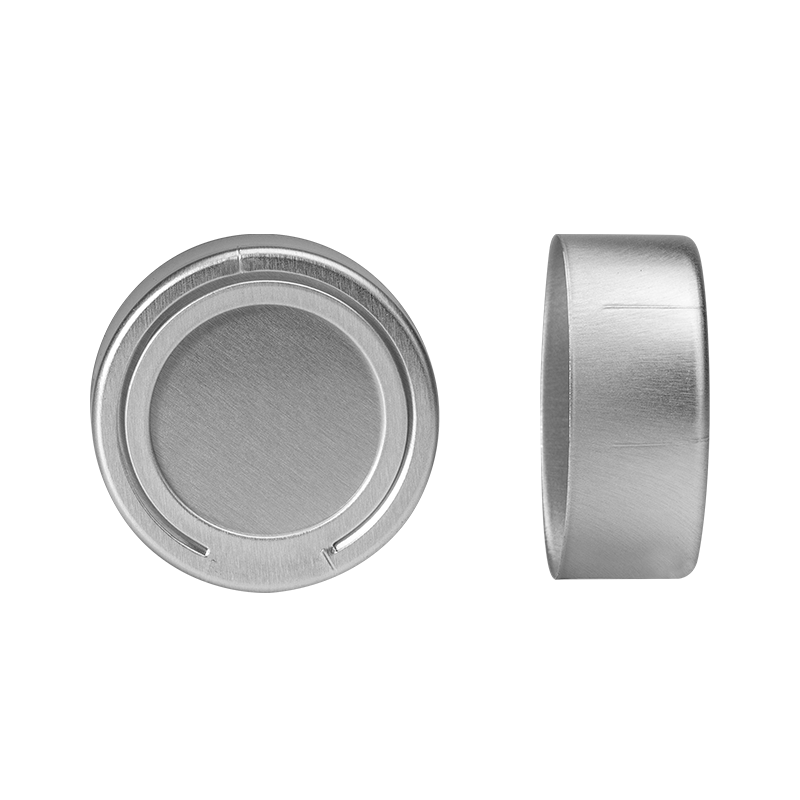 Custom Aluminum Pull-Ring Cap Supplier, OEM Company - Changjiang LidsChangjiang Lids is a China custom Aluminum Pull-Ring Cap supplier and OEM Aluminum Pull-Ring Cap company, our caps suit various pharmaceu...View Product →
Choosing a closure supplier is a cross-functional decision that involves procurement, quality, packaging engineering, and production. Start with measurable criteria, compare visual data, and insist on evidence from the actual manufacturing site. The goal is not to find the cheapest cap, but to find a partner that can protect the patient, the product, and your brand.
Related products
-
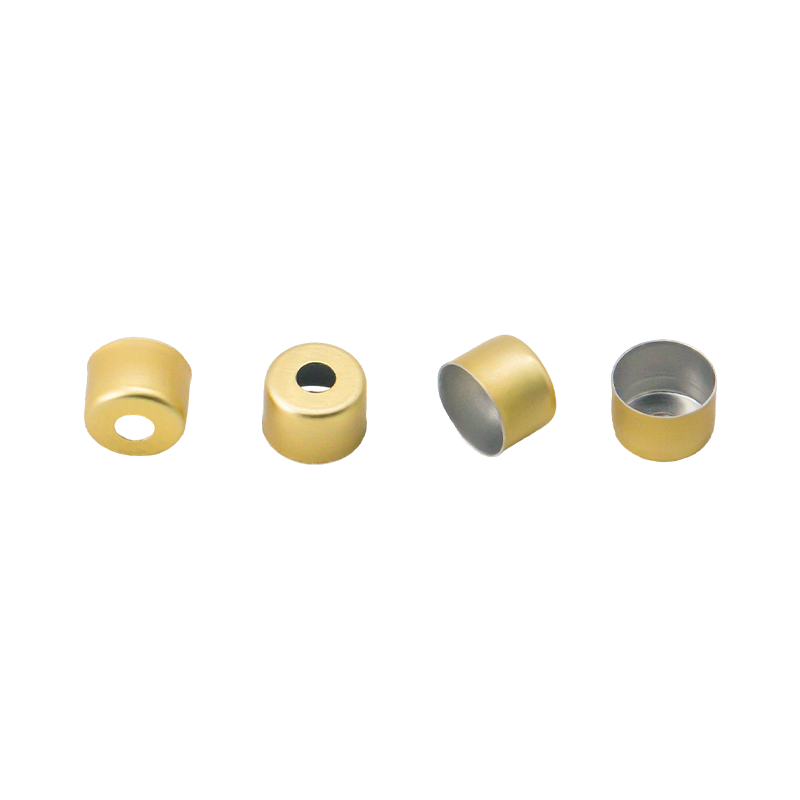
A precision sealing solution designed for cartridge-based drug delivery systems, such as pre-filled syringes and pen injectors. It ensures sterile integrity and safe, reliable needle access for inject...
View More -
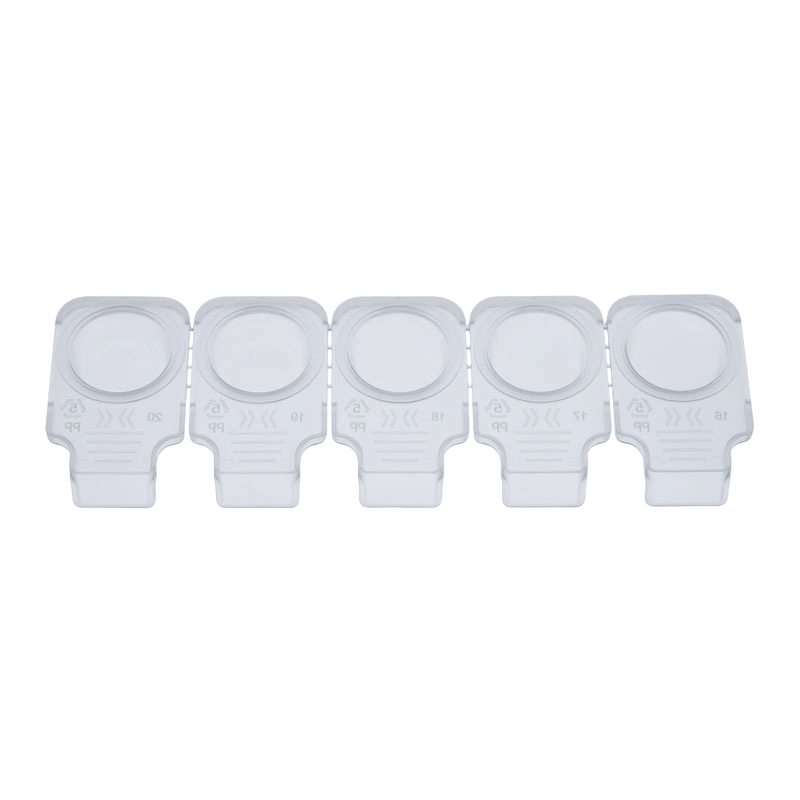
A protective and sterile packaging solution designed for contact lens storage. The polypropylene (PP) container with an integrated foil seal ensures product integrity, moisture retention, and contamin...
View More -
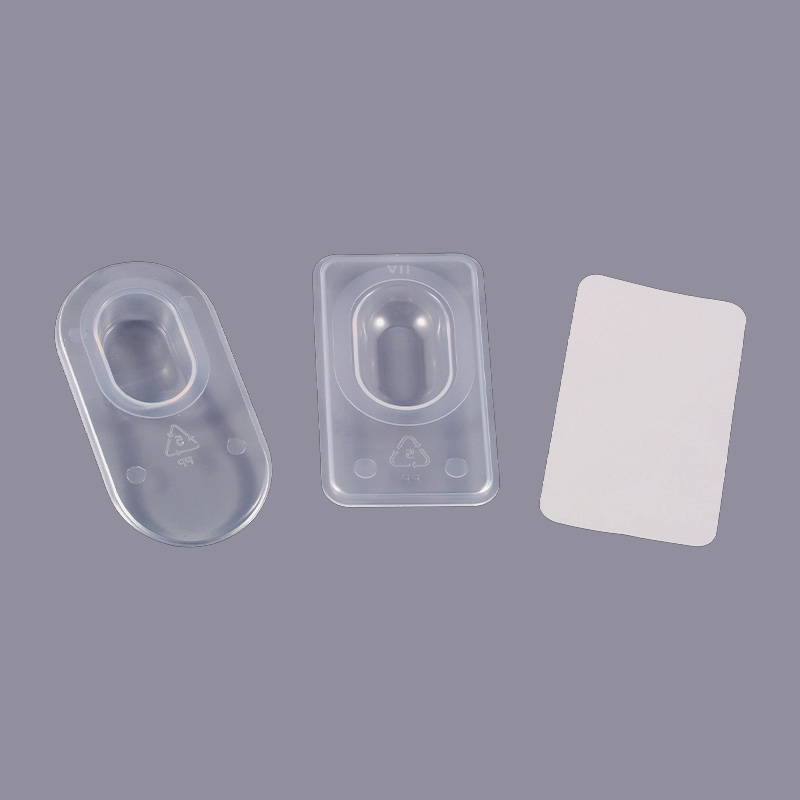
A protective and sterile packaging solution designed for contact lens storage. The polypropylene (PP) container with an integrated foil seal ensures product integrity, moisture retention, and contamin...
View More -

A secure and low-profile support solution designed to safely hold infusion containers in clinical and care settings. Its flat design ensures stable wall-mounted suspension and easy access for intraven...
View More -

A secure and ergonomic support solution designed to safely hold infusion containers in clinical and care settings. Its racket design with an integrated handle ensures stable, portable suspension and e...
View More -
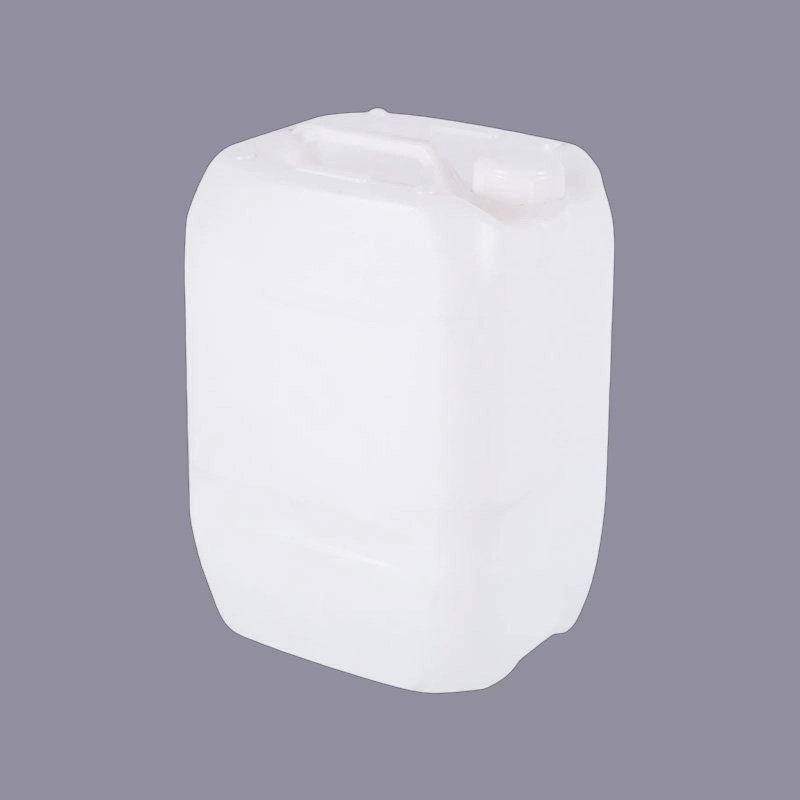
A durable and portable liquid storage solution designed for safe transportation and handling of non-hazardous to semi-hazardous fluids. It ensures secure containment, easy pouring, and reliable perfor...
View More
-
Get In Touch
 +86 511 8813 2922
 +86 139 5290 2286
 lilian@changjianglids.com
 No. 1 Mingzhu Road, Youfang Industrial Park, Yangzhong City, Zhenjiang, Jiangsu, China
The information provided on this website is intended for use only in countries and jurisdictions outside of the People's Republic of China.
No. 1 Mingzhu Road, Youfang Industrial Park, Yangzhong City, Zhenjiang, Jiangsu, China
The information provided on this website is intended for use only in countries and jurisdictions outside of the People's Republic of China. -
Product
Aluminum-Plastic Caps Aluminum Caps Euro PP Caps PP Containers for Contact Lens with Foil Seal Plastic Hanger for Infusion Bottle Plastic Jerry Can -
WhatsApp
Chris

-
WeChat
Lilian

Copyright © 2025 Jiangsu Changjiang Lids Co., Ltd. All Rights Reserved.
OEM Pharmaceutical Packaging Manufacturer
Pharmaceutical Cap Supplier
