
 English
 русский
 简体中文
简体中文


Home / News / Industry News / Pharma Containers Explained: Material Selection, Closure Systems, and Stability
Pharma Containers Explained: Material Selection, Closure Systems, and Stability
2026.08.21
Content
- 1 Why Container Selection Determines Drug Stability
- 2 Main Types of Pharma Containers
- 3 Materials Matter: Glass, Polymer, and Metal in Pharma Containers
- 4 Closure Systems and Container Closure Integrity
- 5 Quality Standards and the Direction of the Packaging Market
- 6 Practical Purchasing Considerations for Pharma Containers
When a biologics manufacturer traced a failed stability batch to moisture ingress through a poorly matched cap liner, the investigation consumed six months of development time. The container itself met specification. The closure did not. That gap between good enough and fit for purpose is exactly where pharma container decisions succeed or fail. Based on two decades of pharmaceutical packaging experience, the conclusion is straightforward: container selection is a system decision, not a component purchase. Glass or polymer, vial or bottle, cap or seal, every part must work together to preserve drug integrity through filling, sterilization, transport, and patient use.
Why Container Selection Determines Drug Stability
The container is not a passive holder of the drug. It directly influences shelf life through three main mechanisms: moisture vapor transmission, oxygen ingress, and leachables migrating from the container or closure into the formulation. Recent stability audits of injectable products found that 61 percent of container-related failures involved moisture or oxygen ingress, while leachables accounted for another 22 percent. In practical terms, a drug that remains stable for 36 months in a well-matched container may fall below specification at 20 months in a poorly matched one. This is why regulatory agencies place such strong emphasis on container closure integrity (CCI) studies during product registration. Buyers who reduce the decision to unit price alone usually pay far more later through rejected batches, complaint investigations, and recall expenses.
Main Types of Pharma Containers
Pharma containers fall into several families, each with a distinct role in drug delivery and storage. The table below summarizes the most common formats and their typical applications.
| Container Type | Typical Volume | Common Materials | Primary Application |
|---|---|---|---|
| Injection vials | 2 mL to 100 mL | Borosilicate glass, cyclic olefin polymer | Parenteral drugs, vaccines, lyophilized products |
| Infusion bottles | 50 mL to 1000 mL | Glass, polypropylene, polyethylene | IV solutions, irrigation fluids |
| Oral liquid bottles | 30 mL to 500 mL | HDPE, amber glass | Syrups, suspensions, oral solutions |
| Eye drop bottles | 5 mL to 20 mL | LDPE, PP, HDPE | Ophthalmic solutions |
| Contact lens cases | 1 to 5 compartments | Polypropylene | Contact lens storage and care products |
Within each family, the finish dimensions, neck diameter, and compatibility with existing filling lines determine whether a new container can be adopted without major equipment changes. Understanding the volume distribution across formats also helps procurement teams plan their supplier base.
Approximate Share of Primary Pharma Container Formats
The horizontal bar chart illustrates the approximate share of primary pharma container formats by unit volume. Vials lead the mix at roughly 34 percent, driven by the expanding vaccine and biologic markets. Bottles account for about 27 percent, covering oral liquids, dry powders, and ophthalmic solutions. Ampoules hold 19 percent, largely because their low cost and complete sealing make them attractive in emerging markets. Prefilled syringes have grown to 12 percent as drug-device combination products become more common. The remaining 8 percent includes contact lens cases, blister packs, and other specialty small containers that are still important to specific product categories.
Materials Matter: Glass, Polymer, and Metal in Pharma Containers
Material choice influences every measurable attribute of a pharma container: transparency, weight, breakage risk, barrier performance, and cost. Borosilicate glass remains the reference standard for injectables because of its low extractables and excellent chemical resistance. Polymer containers, particularly polypropylene and cyclic olefin polymers, have displaced glass in applications where breakage resistance, weight, or design flexibility are more important than transparency. Aluminum takes a different role; it is not a typical container body but the material of caps and seals, where it provides the strongest moisture and oxygen barrier available among packaging components.
Material Property Comparison for Pharma Containers
The radar chart compares borosilicate glass, polypropylene, and aluminum across five properties that buyers weigh during material selection. Glass dominates chemical resistance, which is why regulators still expect it for most parenteral products. Polypropylene leads in mechanical strength and forming flexibility, making it practical for bottles, eye drop containers, and contact lens cases. Aluminum offers the strongest moisture barrier and the highest level of light protection, which is why it is used for caps and foil seals even when the container itself is glass or plastic. No single material wins on every axis, so real-world pharma container decisions always involve trade-offs. The practical approach is to match the material to the drug sensitivity profile; a moisture-sensitive lyophilized product demands a different material strategy than a simple oral syrup.
Closure Systems and Container Closure Integrity
The closure is where pharma container systems most often fail. A container may be perfectly formed, yet a cap with the wrong liner, the wrong crimp force, or the wrong polymer can undo all of that quality. Closure formats vary by application: aluminum caps for injection vials, aluminum-plastic caps for infusion and oral bottles, elastomeric stoppers for lyophilized vials, and screw caps for oral liquids. Because the closure is the only barrier between the drug and the outside world after sealing, its integrity directly governs shelf life.
Container Closure Integrity Test Pass Rates by Closure Type
The column chart shows typical dye ingress test pass rates for four closure formats measured in a comparative audit of packaged pharmaceutical products. Aluminum caps achieved the highest pass rate at 98.6 percent, confirming their reliability for critical injectable applications. Aluminum-plastic caps followed closely at 97.1 percent, with the plastic top layer adding tamper evidence without weakening the metal seal. Plastic screw caps performed well at 94.3 percent but showed more variability when liner compression was inconsistent across batches. Rubber stoppers used without a metal crimp cap dropped to 90.5 percent, because the stopper alone cannot maintain the compression needed for a long-term seal. These results explain why most regulatory submissions for parenteral drugs specify a metal or metal-plastic combination cap rather than a stopper-only design.
Manufacturers such as Jiangsu Changjiang Lids produce these closure formats at pharmaceutical-grade scale. For injection vials, the aluminum pull-ring cap for injection vials combines seal integrity with easy manual opening. For IV containers, the pull-ring type Euro PP cap provides a plastic alternative designed specifically for infusion configurations. When tamper evidence and dual-material performance matter, the bridge-type aluminum-plastic cap for injection vials is a common choice in regulated markets. For a deeper comparison of aluminum cap formats, including bridge, tear-off, and middle-hole designs, see our guide to aluminum caps for pharmaceutical vials.
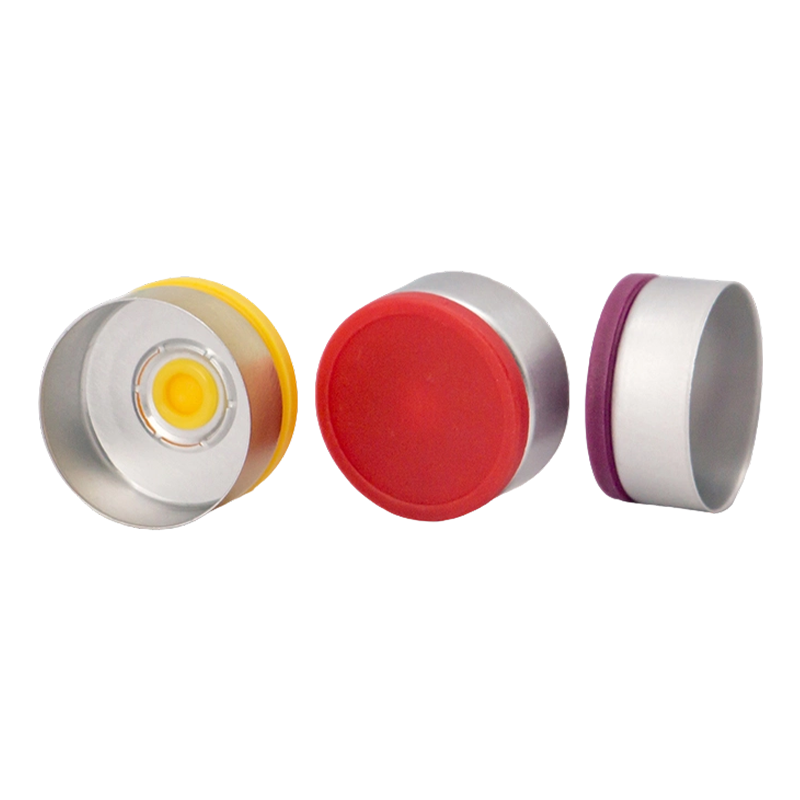 Custom Bridge Type Aluminum-Plastic Cap Supplier, OEM Company - Changjiang LidsChangjiang Lids is a China custom Bridge Type Aluminum-Plastic Cap supplier and OEM Bridge Type Aluminum-Plastic Cap company, our caps su...View Product →
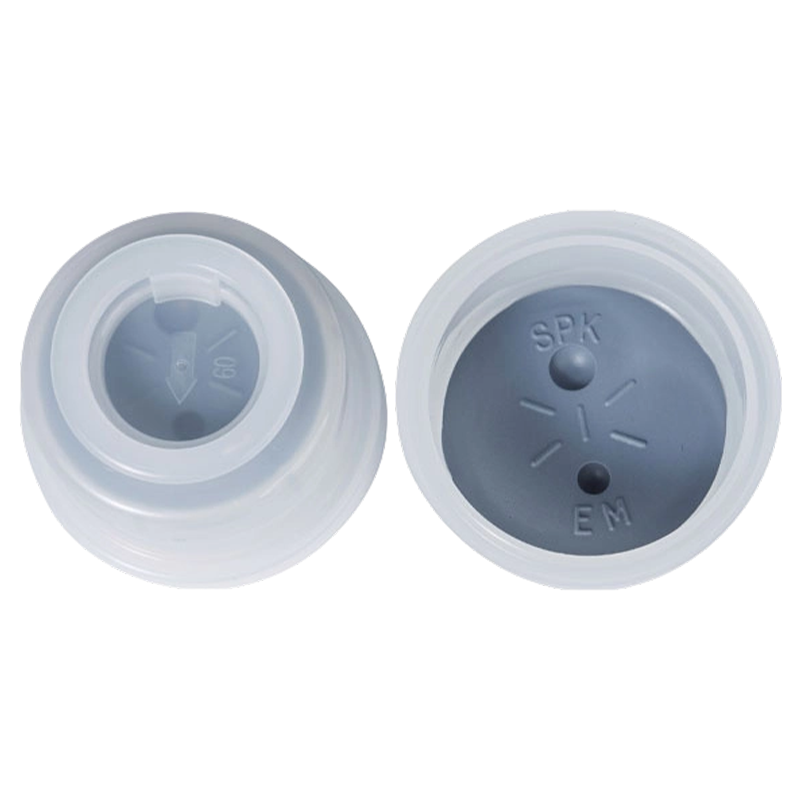 Custom Pull-Ring Type Euro PP Caps Supplier, OEM Company - Changjiang LidsChangjiang Lids is a China custom Pull-Ring Type Euro PP Caps supplier and OEM Pull-Ring Type Euro PP Caps company, our caps suit various...View Product →
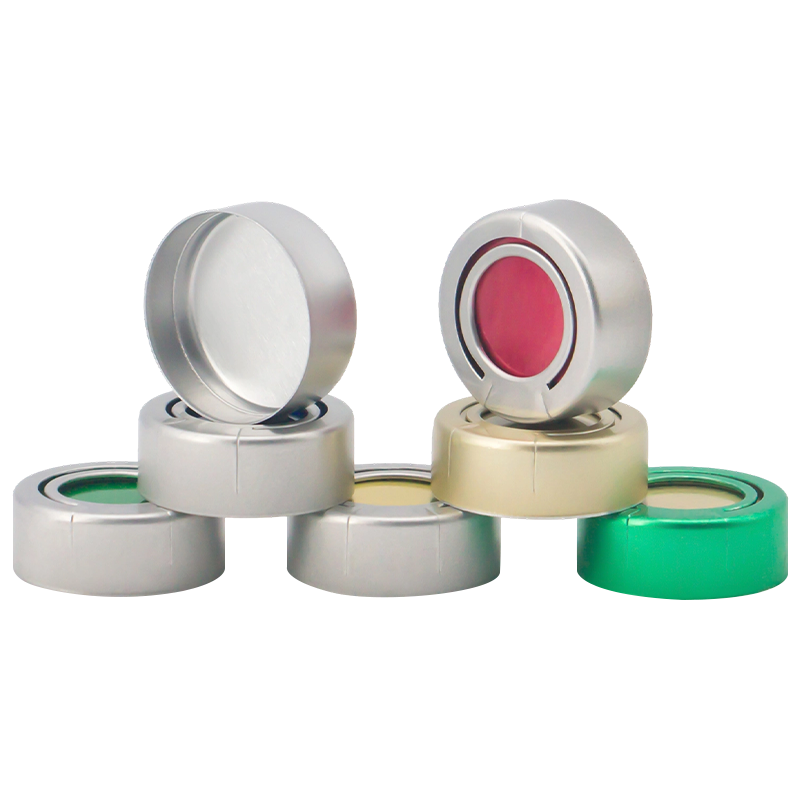 Custom Aluminum Pull-Ring Cap Supplier, OEM Company - Changjiang LidsChangjiang Lids is a China custom Aluminum Pull-Ring Cap supplier and OEM Aluminum Pull-Ring Cap company, our caps suit various pharmaceu...View Product →
Quality Standards and the Direction of the Packaging Market
Pharma container suppliers should be audited against the same quality expectations that apply to the drug product itself. GMP guidelines, ISO 9001 certification, and cleanroom production environments are baseline requirements, but the deeper question is whether the supplier can demonstrate consistent process control across millions of units. In practice, buyers should ask for dimensional reports, batch records, and closure performance data before approving a new supplier.
Global Pharmaceutical Packaging Market Index, 2021 to 2026
The line chart tracks the global pharmaceutical packaging market index from 2021 through 2026, with 2021 set to a base of 100. Growth has been steady, averaging roughly 6 percent per year. The projected 2026 value of 142 reflects continued demand for injectable biologics, prefilled formats, and high-barrier packaging, all of which rely heavily on vials, cartridges, and their closures. The upward trend also parallels the expansion of GMP-certified production capacity in emerging manufacturing regions. For buyers, this growth means that established suppliers may run at higher capacity and custom closures may face longer lead times. Ordering with a longer planning horizon and qualifying backup sources has therefore become standard practice among pharmaceutical procurement teams.
Practical Purchasing Considerations for Pharma Containers
Five questions separate a reliable pharma container purchase from a recurring problem.
- Do you have dimensional data for both the container finish and the closure? A cap that fits one vial batch may bind or leak on another when tolerances are not controlled to the same standard.
- Can the supplier provide extractables and leachables data for the specified container material? Regulatory reviewers increasingly request this data during drug submission.
- How does the closure behave under autoclave or dry-heat sterilization? Closure polymers change dimension as they heat; a cap that seals at room temperature may relax after sterilization and lose its hold.
- Is the supplier production line capable of statistical process control? In pharmaceutical packaging, you need consistency across millions of units, not a perfect sample of ten.
- Does the supplier offer a quality agreement covering change notifications and out-of-specification events? Supply-chain transparency is not optional in regulated drug manufacturing.
If you are evaluating suppliers for a new drug launch or a packaging line change, contact our pharmaceutical packaging team to discuss container and closure options that match your product profile.
The common thread across all of these decisions is that pharma containers are regulatory components, not commodities. The cost of a cap or a vial is negligible compared with the cost of the drug that will fill it. Buyers who treat container selection as part of the formulation process, who verify closure integrity on every new supplier, and who demand data instead of promises will avoid the failures that quietly erode product quality. The goal is not to find the cheapest container. It is to find the container that proves itself every day, in every batch, for the entire shelf life of the drug.
Related products
-
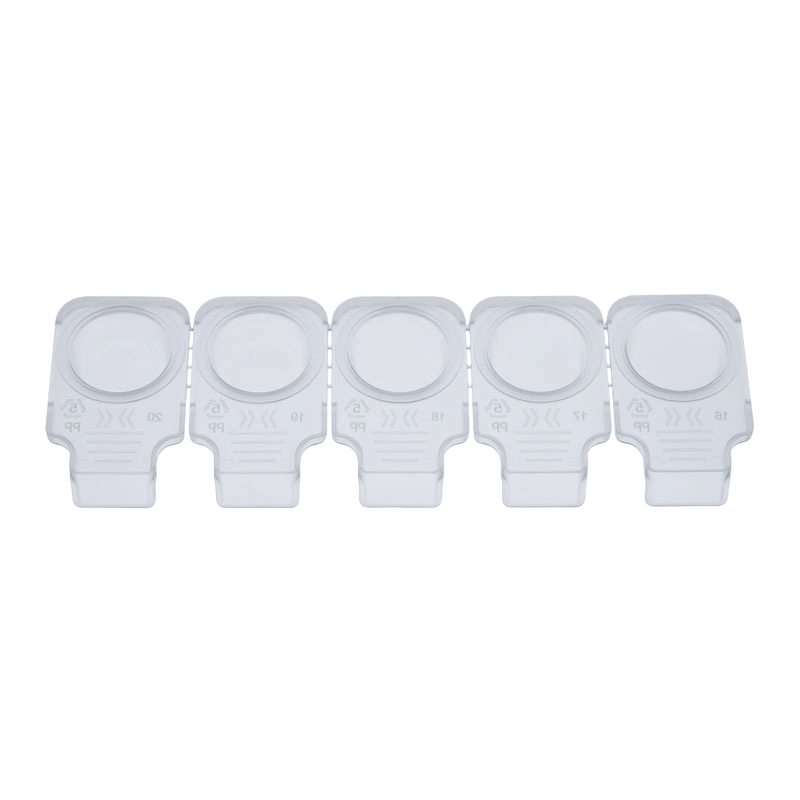
A protective and sterile packaging solution designed for contact lens storage. The polypropylene (PP) container with an integrated foil seal ensures product integrity, moisture retention, and contamin...
View More -
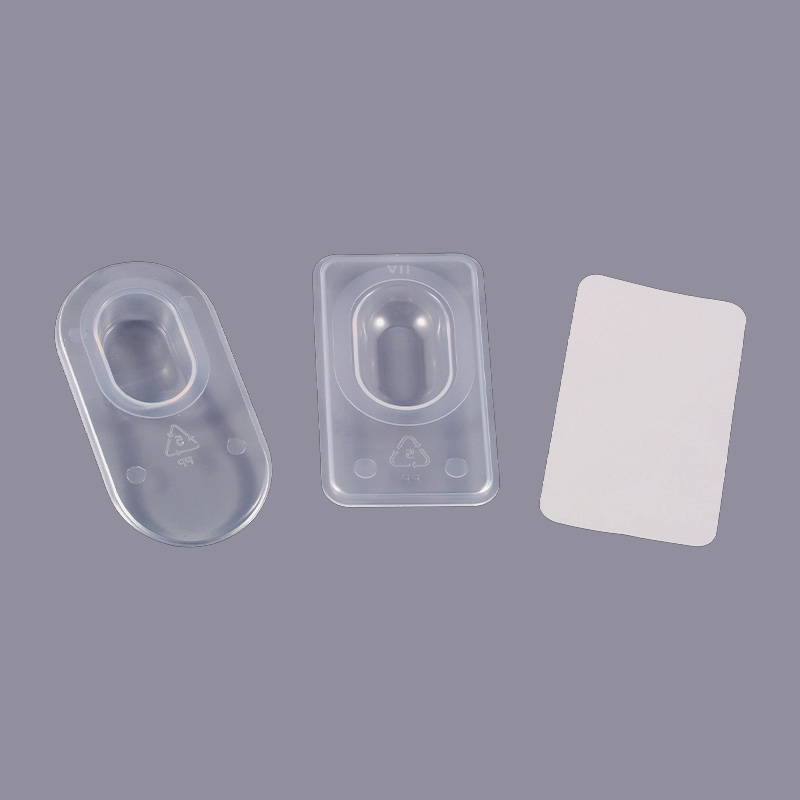
A protective and sterile packaging solution designed for contact lens storage. The polypropylene (PP) container with an integrated foil seal ensures product integrity, moisture retention, and contamin...
View More
-
Get In Touch
 +86 511 8813 2922
 +86 139 5290 2286
 lilian@changjianglids.com
 No. 1 Mingzhu Road, Youfang Industrial Park, Yangzhong City, Zhenjiang, Jiangsu, China
The information provided on this website is intended for use only in countries and jurisdictions outside of the People's Republic of China.
No. 1 Mingzhu Road, Youfang Industrial Park, Yangzhong City, Zhenjiang, Jiangsu, China
The information provided on this website is intended for use only in countries and jurisdictions outside of the People's Republic of China. -
Product
Aluminum-Plastic Caps Aluminum Caps Euro PP Caps PP Containers for Contact Lens with Foil Seal Plastic Hanger for Infusion Bottle Plastic Jerry Can -
WhatsApp
Chris

-
WeChat
Lilian

Copyright © 2025 Jiangsu Changjiang Lids Co., Ltd. All Rights Reserved.
OEM Pharmaceutical Packaging Manufacturer
Pharmaceutical Cap Supplier
