
 English
 русский
 简体中文



Home / News / Industry News / plastic bottle for medicine: Applications, Selection Criteria, and Practical Guidance
plastic bottle for medicine: Applications, Selection Criteria, and Practical Guidance
2026.10.22
Content
- 1 Which Plastic Actually Belongs in a Medicine Bottle
- 2 Neck Finish and Closure Fit Decide Whether the Bottle Leaks
- 3 Compatibility, Barrier and Stability Testing
- 4 Cleanroom, GMP and the Paperwork Behind the Bottle
- 5 Procurement Risks That Appear After the First Million Units
- 6 A Practical Sourcing Checklist
A contract manufacturer fills 100 ml of cough syrup into a clear PET bottle with a 24 mm neck finish. Six months into an accelerated stability study, two of forty units show a thin ring of moisture under the cap. The bottle passes every dimensional check, and the filling line has not changed. The cause turns out to be a liner swap, from a two piece induction seal to a one piece foam liner, made by the closure supplier without a change control notice.
That is the short version of what usually goes wrong. When you buy a plastic bottle for medicine, you are not buying a single molded part. You are buying a system made of resin, neck finish, closure and the documentation that proves the three work together. Choose the resin well and the closure badly, and the batch still fails. Choose both well but skip compatibility work, and the product can release clean and still fail on the shelf.
Which Plastic Actually Belongs in a Medicine Bottle
Resin choice follows the dose form, the shelf life and the sterilization route, in that order. Four materials cover most of the market, and each one trades something away.
| Resin | Typical medicine bottle use | Strengths | Watch outs |
|---|---|---|---|
| HDPE | Tablet and capsule containers, some oral liquids | Strong moisture barrier, tough walls, low cost, easy to mold | Opaque, limited heat resistance, not the first choice where steam sterilization is needed |
| PET | Syrups and oral liquids, dropper bottles | Clarity that lets the patient see the dose, balanced oxygen and moisture barrier | Softens at moderate temperatures, needs review with high pH formulations |
| PP | Infusion bottles, sterile containers, closures | Steam sterilizable, good chemical resistance, good rigidity | Lower clarity than PET, narrower molding window |
| LDPE | Squeeze dropper and eye drop bottles | Flexible walls, easy dispensing, controllable drop size | Lower barrier, wall thickness carries most of the drop control |
One caution that repeats in every audit: for primary packaging in direct contact with a drug product, most regulators expect virgin resin unless a specific recycled grade has been qualified with extractables data. If a quotation comes in well below the others on the strength of a resin substitution, ask for the resin certificate and the extractables file before anything else.
Neck Finish and Closure Fit Decide Whether the Bottle Leaks
The neck finish is the most engineered part of a medicine bottle, and the easiest place to save money badly. A finish written as 18 415 or 24 410 is not a decorative label. The first number is the neck diameter in millimetres and the second describes the thread profile, which is why an 18 mm cap will never seal a 20 mm bottle, however close the two look on a bench.
Two dimensions drive production behaviour. The T dimension controls thread depth and therefore how far the cap travels before it seats. The E dimension controls the outer wall the cap grips. A drift of 0.2 mm in the T dimension is enough to shift the torque needed for a reliable seal. That is the argument for buying bottle and closure as a validated pair rather than from two suppliers who have never exchanged a drawing.
Application torque is the second blind spot. A 24 mm screw cap may be specified somewhere between 12 and 20 inch pounds depending on liner material and bottle wall stiffness, but the number that matters is what your capping head delivers at the end of a shift. Pull twenty finished units at the start, middle and end of a run and record removal torque against the closure supplier's window.
For oral liquid bottles, a 24 mm aluminum screw cap with a suitable liner gives a firm, reusable seal on both HDPE and PET, and it holds up to the repeated opening a seven day course demands. Add a dropper insert or a dosing cup and the capping torque window shifts, so the leak test has to be re run with the final configuration rather than the bare bottle neck.
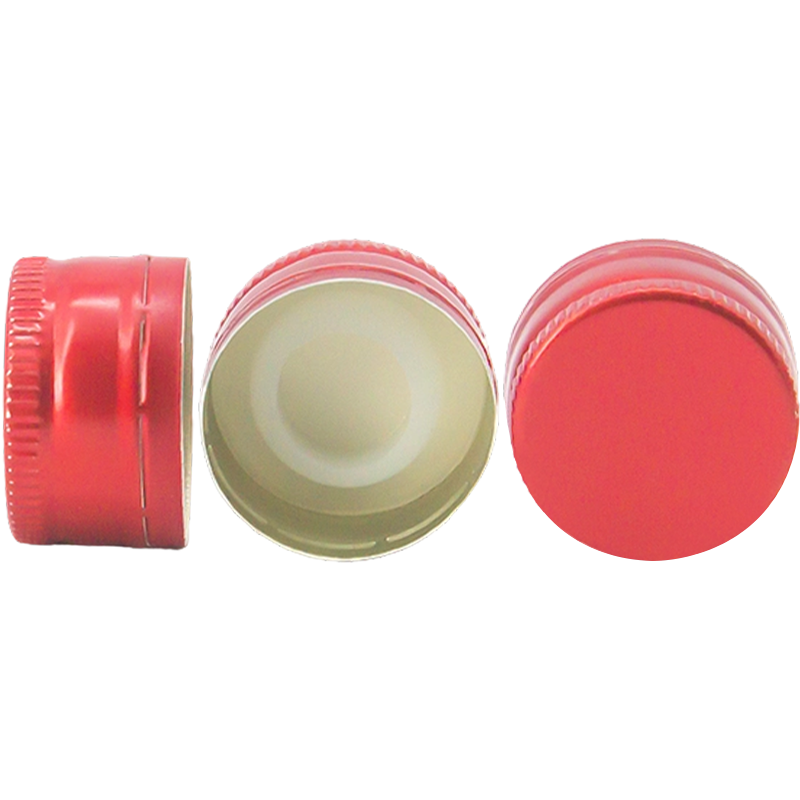 Aluminum Screw Caps for Oral Liquid BottlesSingle-piece aluminum screw cap for oral liquid bottles, offering tamper evidence, resealability, and leak resistance in 15 mm, 25 mm, and 28 mm diameters.View Product →
Aluminum plastic caps combine a metal shell with a plastic insert and are widely used on oral liquid bottles where tamper evidence matters. The insert carries the seal, the shell carries the shape, and the opening style changes both the fill line speed and the patient's first impression of the product. A short primer on what an aluminum plastic cap is and where each style is used is worth reading before you freeze a specification.
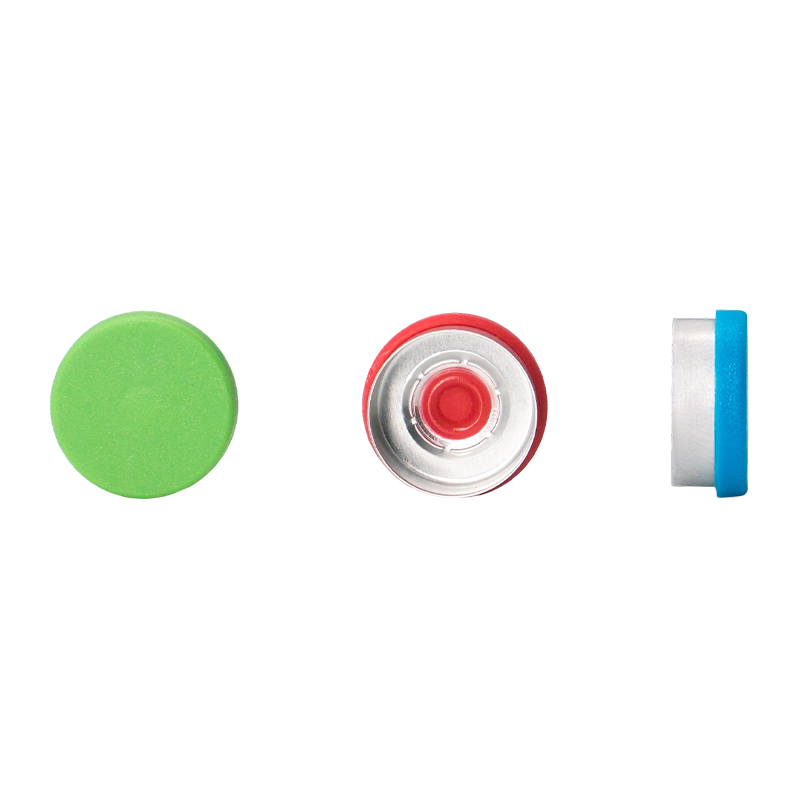 Bridge Type Aluminum-Plastic Caps for Oral LiquidsBridge-type aluminum cap with plastic cap for oral liquid bottles, designed for clean bridge breakage, low opening force, and pediatric or prescription liquid applications.View Product →
Larger plastic containers follow a different logic. Polypropylene infusion bottles are sterilized with the product already inside, so the closure has to tolerate steam and still open cleanly at the bedside. Euro PP pull ring caps are built for exactly that duty, sealing the container during transport and providing the port the spike enters.
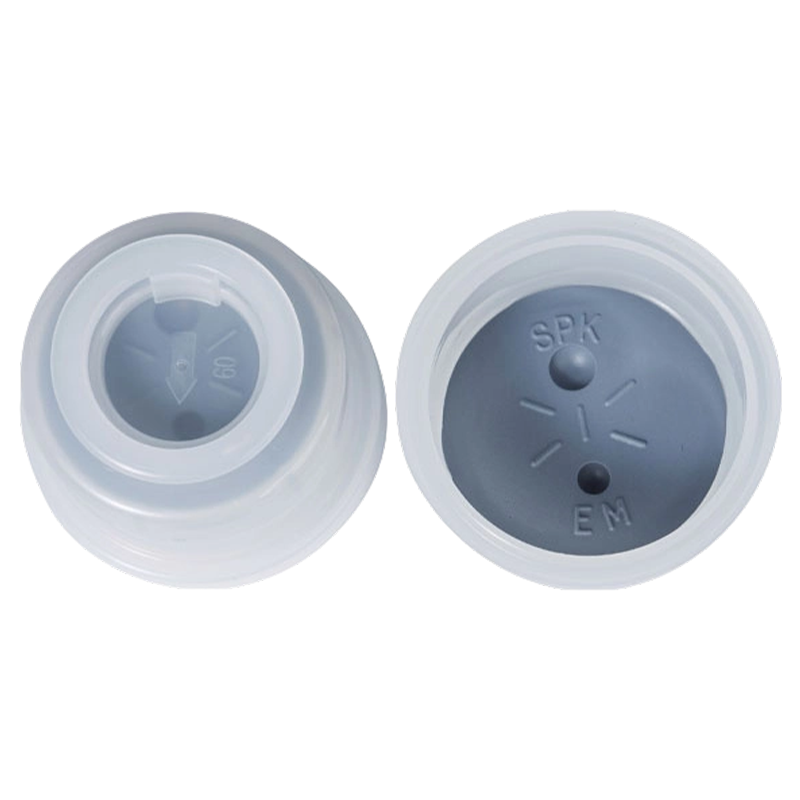 Pull-Ring Type Euro PP Caps for Infusion BottlesTamper-evident polypropylene caps with integrated pull-ring for infusion and solution bottles, providing reliable closure and safe, tool-free access for spike ports.View Product →
Compatibility, Barrier and Stability Testing
A bottle can pass every incoming inspection and still be wrong for the product inside it. Three test families catch that before a recall does.
- Extractables and leachables. USP 661.1 and 661.2, together with the European Pharmacopoeia monographs for polyolefins and polypropylene, set a baseline. The study still has to be designed around your formulation, your pH and your storage temperature. Acidic syrups and products with higher alcohol content are the usual triggers for deeper work.
- Barrier performance. Moisture vapor transmission decides whether a hygroscopic powder turns sticky, and oxygen transmission decides whether an oxidation sensitive liquid discolours. Both are affected by wall thickness, so a lightweighting project is a stability project, not only a cost project.
- Mechanical and distribution testing. Drop tests on filled bottles, vacuum decay leak tests, dye penetration and a distribution simulation under ASTM D4169 or an ISTA protocol tell you whether the pack survives a pallet, a truck and a warehouse forklift.
Cleanroom, GMP and the Paperwork Behind the Bottle
Primary packaging for medicines is regulated as a component of the drug product, not as a commodity. ISO 15378, the GMP standard written specifically for primary packaging materials, is the framework most suppliers work to, layered on top of ISO 9001. Where bottles will touch a sterile or ophthalmic product, molding and handling need a controlled environment, and the bioburden and particulate data from that area belong in the qualification file.
A C plus A grade cleanroom is a useful example of how to read a supplier claim. The classification is not marketing language. It is defined by particle counts and air change rates, and an auditor will ask to see the monitoring records behind it.
Expect the following documents with every shipment, and treat missing paperwork as a warning sign rather than an administrative delay.
- Certificate of analysis with lot and cavity traceability
- Resin grade, supplier and certificate of origin
- Extractables and leachables summary covering the actual resin and colorant
- Written change control commitment with notification lead time
- Statements of compliance for the relevant pharmacopoeial and food contact references
Procurement Risks That Appear After the First Million Units
Most packaging failures are not new science. They are small, unannounced changes that nobody documented.
- Silent resin substitution, including the addition of regrind above the agreed limit
- Mold transfer to a second machine or site without requalification of the neck finish
- Dimensional drift over long production runs as tooling wears
- Liner or elastomer changes made by the closure supplier without notice
- Single sourced closures, which turn a two week delay into a production stop
- Colourant or masterbatch changes that alter extractables without retesting
Each of these is cheap to prevent and expensive to discover. A supplier that shares tooling drawings, cavity numbers and change control procedures is usually selling a process, not just a part.
A Practical Sourcing Checklist
- Define the dose form, fill volume, shelf life and sterilization route before any drawing is made.
- Specify the resin grade by name, with virgin content and any regrind limit stated in writing.
- Lock the neck finish to a published standard and confirm the closure is tested against it.
- Qualify bottle and closure together, including application and removal torque on your own line.
- Run compatibility, barrier and distribution testing on the final pack, not on a prototype.
- Agree the document pack, the sampling plan and the change notification window in the contract.
None of this is exotic. It comes down to treating a plastic bottle for medicine as a system with three moving parts and a paper trail. The bottle has to hold the drug, the closure has to hold the bottle, and the documentation has to hold up when an inspector asks a question five years later.
If you are specifying a new liquid presentation, or replacing a closure that has started to seep, the fastest route is a technical conversation with the people who mold the caps. You can contact the team for samples, drawings and dimensional data before your next line trial.
Related products
-
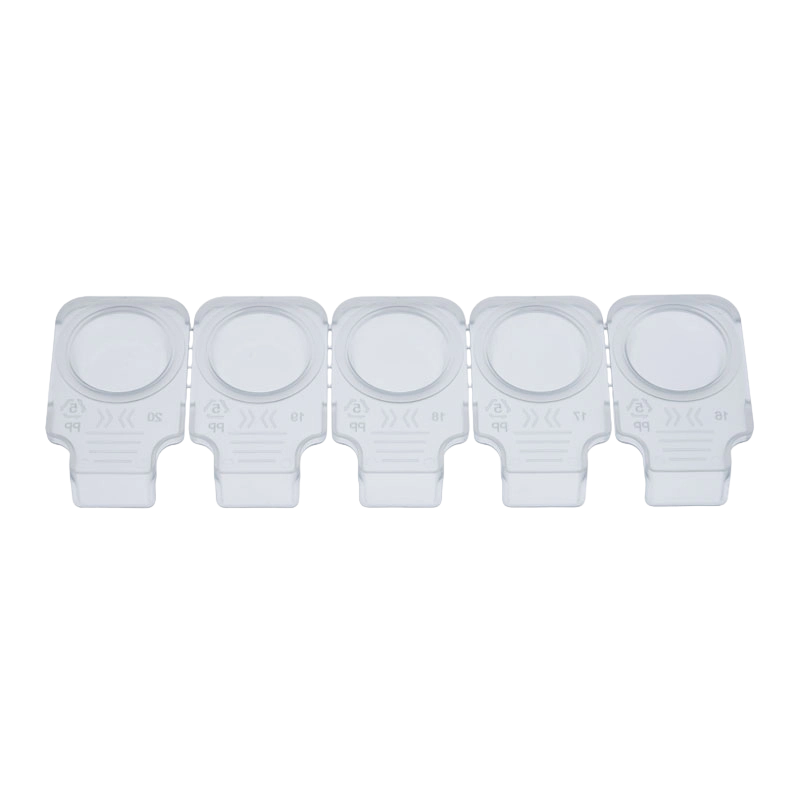
A protective and sterile packaging solution designed for contact lens storage. The polypropylene (PP) container with an integrated foil seal ensures product integrity, moisture retention, and contamin...
View More -
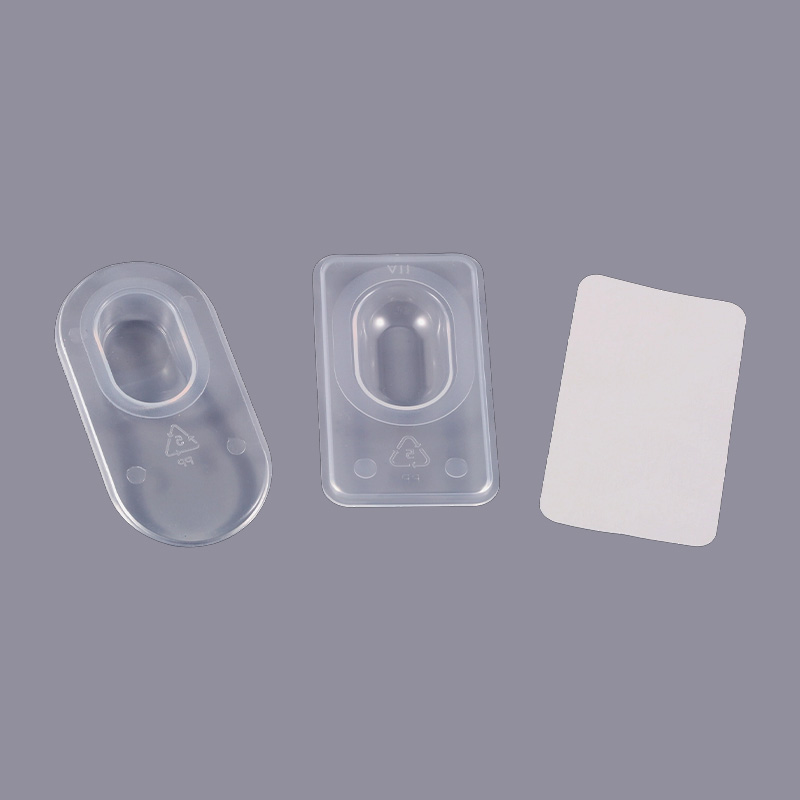
A protective and sterile packaging solution designed for contact lens storage. The polypropylene (PP) container with an integrated foil seal ensures product integrity, moisture retention, and contamin...
View More -

A secure and low-profile support solution designed to safely hold infusion containers in clinical and care settings. Its flat design ensures stable wall-mounted suspension and easy access for intraven...
View More -

A secure and ergonomic support solution designed to safely hold infusion containers in clinical and care settings. Its racket design with an integrated handle ensures stable, portable suspension and e...
View More -
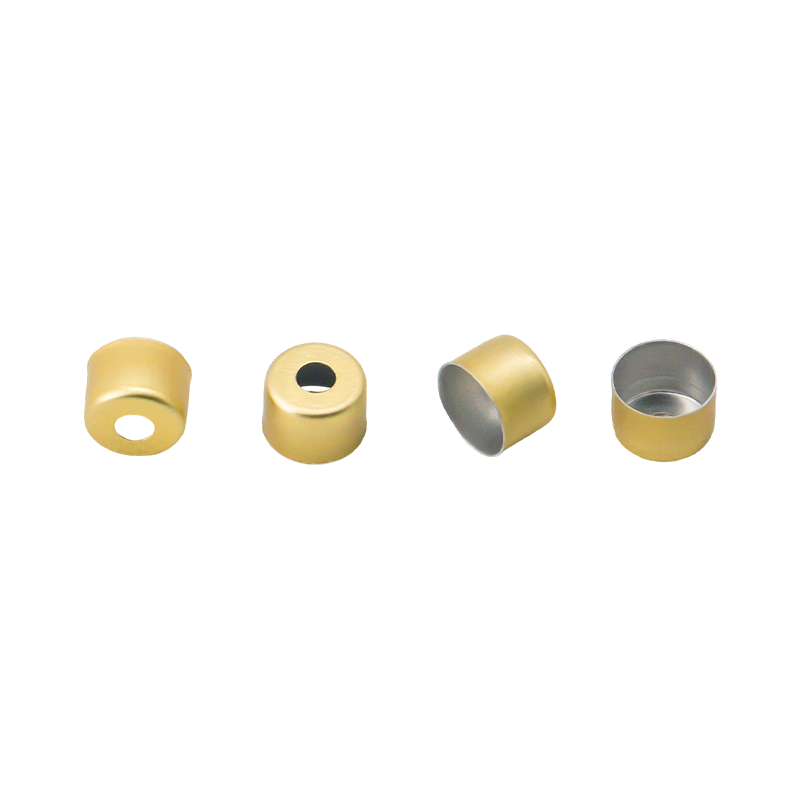
A precision sealing solution designed for cartridge-based drug delivery systems, such as pre-filled syringes and pen injectors. It ensures sterile integrity and safe, reliable needle access for inject...
View More -
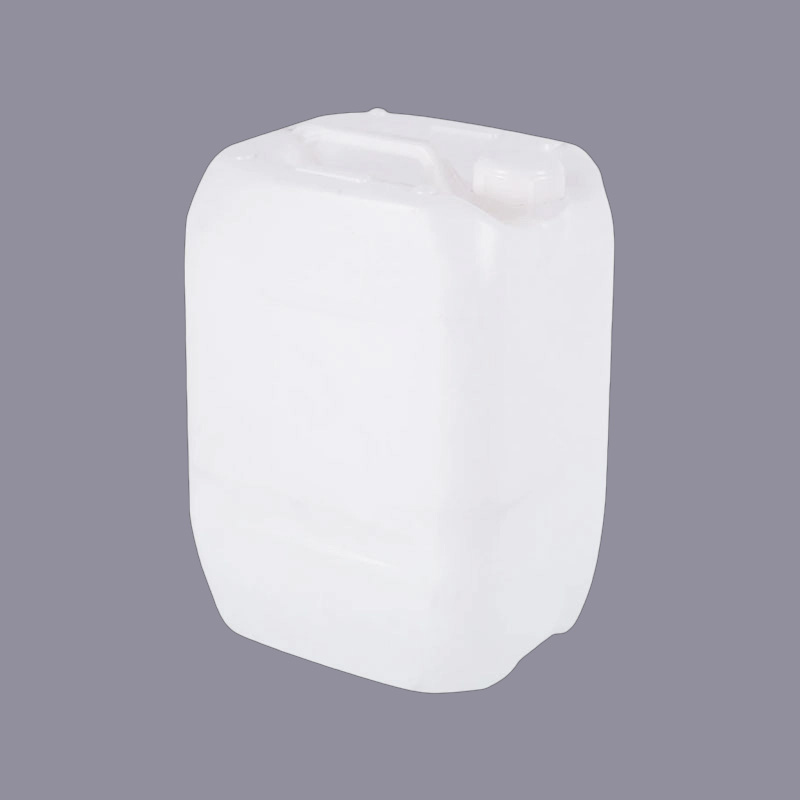
A durable and portable liquid storage solution designed for safe transportation and handling of non-hazardous to semi-hazardous fluids. It ensures secure containment, easy pouring, and reliable perfor...
View More
-
Get In Touch
 +86 511 8813 2922
 +86 139 5290 2286
 lilian@changjianglids.com
 No. 1 Mingzhu Road, Youfang Industrial Park, Yangzhong City, Zhenjiang, Jiangsu, China
The information provided on this website is intended for use only in countries and jurisdictions outside of the People's Republic of China.
-
Product
Aluminum-Plastic Caps Aluminum Caps Euro PP Caps PP Containers for Contact Lens with Foil Seal Plastic Hanger for Infusion Bottle Plastic Jerry Can -
WhatsApp
Chris

-
WeChat
Lilian

Copyright © 2025 Jiangsu Changjiang Lids Co., Ltd. All Rights Reserved.
OEM Pharmaceutical Packaging Manufacturer
Pharmaceutical Cap Supplier
