
 English
 русский
 简体中文
简体中文


Home / News / Industry News / What are the uses of aluminum-plastic caps?
What are the uses of aluminum-plastic caps?
2026.03.20
Content
- 1 Use 1: Sealing Injection Vials for Injectable Drug Products
- 2 Use 2: Sealing Infusion Bottles for Large-Volume Parenterals
- 3 Use 3: Sealing Oral Liquid Bottles for Non-Sterile Drug Products
- 4 Structure of an Aluminum-Plastic Cap: How the Two Materials Work Together
- 5 Comparison of Aluminum-Plastic Cap Types by Application
- 6 Quality and Regulatory Requirements for Pharmaceutical Aluminum-Plastic Caps
Aluminum-plastic caps are used primarily in pharmaceutical packaging to seal and secure containers including injection vials, large-volume infusion bottles, and oral liquid bottles — protecting the drug product from contamination, maintaining sterility, preventing leakage, and providing tamper evidence throughout the product's shelf life and distribution chain. The combination of an outer aluminum shell and an inner plastic component in a single cap delivers both the mechanical crimping strength needed to hold a rubber stopper in place and the chemical inertness required for direct or indirect contact with pharmaceutical products. They are one of the most widely used primary packaging components in the global pharmaceutical and biopharmaceutical industries.
Use 1: Sealing Injection Vials for Injectable Drug Products
The most technically demanding application of aluminum-plastic caps is sealing injection vials — small glass or plastic containers holding sterile injectable drug formulations including powders for reconstitution, lyophilized (freeze-dried) products, concentrated solutions, and ready-to-use liquids.
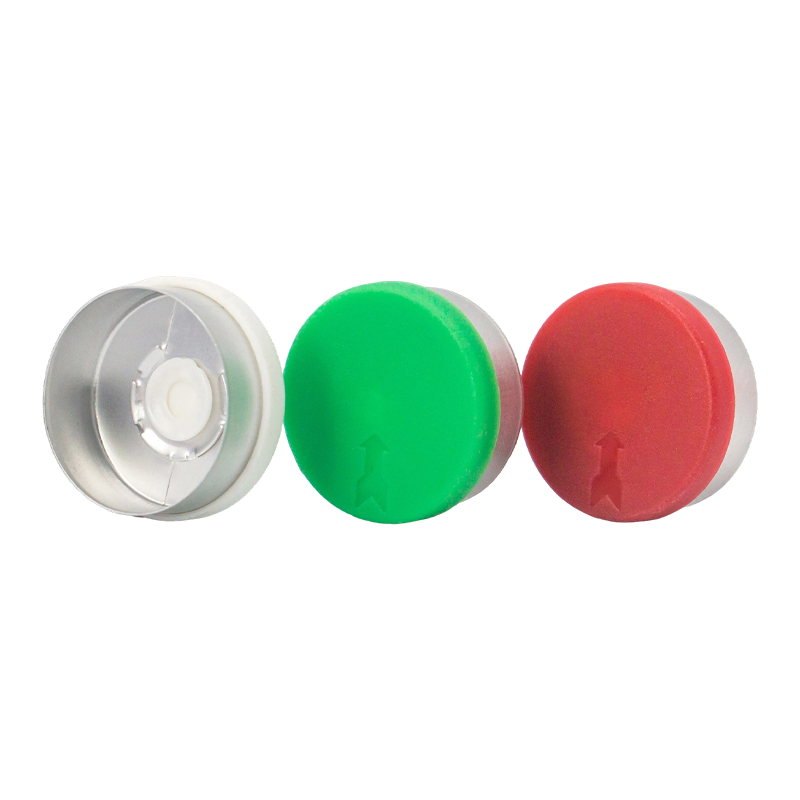
In this application, the cap works in conjunction with a rubber stopper that is seated into the vial neck before the aluminum-plastic cap is applied and crimped over the top. The aluminum shell is mechanically crimped around the vial neck rim, pressing the rubber stopper firmly into the neck with consistent, controlled force that creates an airtight, microbial barrier seal. The plastic disc component in the center of the cap — often colored for product identification — protects the rubber stopper from contamination and provides a clean surface area for needle penetration during drug withdrawal.
Critical Functions in Injection Vial Applications
- Sterility maintenance: The crimped aluminum seal prevents any pathway for microbial ingress into the vial after terminal sterilization or aseptic filling — a non-negotiable requirement for all parenteral (injectable) drug products
- Container closure integrity (CCI): The combination of the rubber stopper and crimped aluminum cap must maintain a hermetic seal throughout the vial's shelf life — typically 18 months to 5 years — preventing any exchange of gases, moisture, or contaminants between the internal drug product environment and the outside atmosphere
- Tamper evidence: The crimped aluminum flange that wraps under the vial neck ring cannot be removed without visibly deforming — providing clear physical evidence of any attempt to access the vial contents without authorized needle penetration through the septum
- Compatibility with needle penetration: The central plastic disc is removed or flipped back before the rubber stopper is penetrated by a needle for drug withdrawal — the cap design must allow this step without contaminating the stopper surface or generating particulate matter
Standard aluminum-plastic caps for injection vials are available in crimp diameters of 13mm, 20mm, 28mm, and 32mm to fit the neck dimensions of standard vial sizes used globally. The color of the plastic insert — which can be customized — is commonly used to differentiate products, strengths, or formulations within a manufacturer's product range, reducing dispensing errors in clinical settings.
Use 2: Sealing Infusion Bottles for Large-Volume Parenterals
Aluminum-plastic caps for infusion bottles seal large-volume parenteral (LVP) containers — glass or rigid plastic bottles containing 100mL to 1,000mL or more of sterile intravenous solutions such as saline, glucose, electrolyte solutions, and parenteral nutrition formulations that are administered directly into the bloodstream over extended periods.
Infusion bottle caps must handle the unique functional requirements of LVP administration — the bottle is inverted during use and connected to an infusion set through the stopper, meaning the seal must maintain integrity under the continuous hydrostatic pressure of the liquid column above it throughout the infusion period. The aluminum-plastic cap crimped over the infusion bottle neck holds the rubber stopper in position with sufficient force to resist the pulling force of the infusion set spike without the stopper being displaced or the seal being compromised.
Additional Requirements Specific to Infusion Bottle Caps
- Resistance to sterilization processes: Many infusion bottles undergo terminal sterilization by steam autoclave at 121°C for 15–20 minutes after filling and sealing — the aluminum-plastic cap must maintain its crimp integrity and sealing force throughout this high-temperature, high-humidity sterilization cycle without loosening or deforming
- Dual-port design compatibility: Modern infusion bottle caps often incorporate a two-port design — one port for the infusion set spike and a second port for drug addition with a needle or add-on device. The aluminum-plastic cap must provide secure, leak-free sealing over both ports simultaneously
- Visual inspection compatibility: The cap design must allow 100% visual inspection of the filled bottle for particulate contamination and solution clarity — a regulatory requirement for all parenteral products — without obstructing the critical inspection zones of the bottle
Use 3: Sealing Oral Liquid Bottles for Non-Sterile Drug Products
Aluminum-plastic caps are also widely used to seal oral liquid drug products — syrups, suspensions, solutions, and tinctures in glass bottles ranging from 30mL to 500mL in volume. Unlike injection and infusion applications, oral liquid caps do not need to maintain sterility, but they must prevent leakage, protect the formulation from oxidation and moisture ingress, and provide robust tamper evidence visible to both pharmacists and patients.
In oral liquid bottle applications, the aluminum-plastic cap typically seals over a rubber or synthetic liner insert in the bottle neck, which provides the primary liquid seal. The aluminum shell is crimped onto the bottle neck's roll-on or crown finish, and the plastic outer component provides a clean, printable, or colorable surface for product identification. The cap design may incorporate a fold-back or tear-off aluminum tear tab that must be removed before first opening, providing tamper evidence that is immediately visible to the consumer.
Child-Resistant Versions for Oral Liquid Products
Certain oral liquid formulations — particularly those containing controlled substances, high-concentration analgesics, or other medications at risk of accidental pediatric ingestion — require child-resistant closures (CRC) as mandated by pharmaceutical regulatory authorities. Aluminum-plastic caps for these applications incorporate a plastic outer shell with a push-and-turn or squeeze-and-turn mechanism that provides the child-resistant function, while the aluminum component provides the tamper evidence and sealing integrity. These combination caps meet both the child-resistance performance requirements of ISO 8317 and the pharmaceutical sealing requirements of the applicable pharmacopoeia.
Structure of an Aluminum-Plastic Cap: How the Two Materials Work Together
The functional effectiveness of an aluminum-plastic cap comes from the complementary properties of its two constituent materials — each contributing capabilities that the other cannot provide alone.
| Component | Material | Primary Function | Key Properties |
|---|---|---|---|
| Outer aluminum shell | Pharmaceutical-grade aluminum alloy | Mechanical crimping and retention of stopper; tamper evidence | Malleable for crimping; strong after forming; corrosion-resistant; visibly deforms if tampered |
| Inner plastic disc / insert | Polypropylene (PP) or polyethylene (PE) | Stopper protection; clean surface for needle access; color coding | Chemically inert; non-shedding; can be injection-molded in any color; smooth clean surface |
| Liner (where applicable) | Low-density polyethylene (LDPE) foam or film | Supplementary sealing against liquid leakage | Conforms to minor surface irregularities of bottle neck; absorbs vibration |
Comparison of Aluminum-Plastic Cap Types by Application
| Cap Type | Container Type | Standard Sizes | Sterility Required | Key Regulatory Standard |
|---|---|---|---|---|
| Injection vial cap | Glass or plastic vials (2–100mL) | 13mm, 20mm, 28mm, 32mm | Yes — parenteral product | USP, EP, ISO 8362-6 |
| Infusion bottle cap | Glass or PP infusion bottles (100–1000mL) | 28mm, 32mm, 38mm | Yes — large-volume parenteral | USP, EP, ISO 15223 |
| Oral liquid cap | Glass bottles (30–500mL) | 18mm, 20mm, 24mm, 28mm | No — but tamper-evidence required | USP, EP, national pharmacopoeias |
Quality and Regulatory Requirements for Pharmaceutical Aluminum-Plastic Caps
Because aluminum-plastic caps are classified as primary pharmaceutical packaging components — materials that come into direct contact with or directly close a drug product — they are subject to stringent quality and regulatory requirements that govern their manufacture, testing, and documentation.
- Material compliance: All plastic components must comply with applicable pharmacopoeial standards for plastic containers — including extractables and leachables testing to demonstrate that no harmful substances migrate from the plastic into the drug product under normal storage and use conditions
- Dimensional consistency: Cap dimensions must be controlled within tight tolerances to ensure consistent crimp performance across automated high-speed capping lines — typically operating at 200 to 600 vials per minute. Dimensional variability causes capping machine jams, inconsistent crimp force, and compromised container closure integrity
- Particulate cleanliness: Caps used for parenteral products must meet strict limits on particulate contamination — both visible particles and sub-visible particles (≥10μm and ≥25μm as defined in USP <788> and EP 2.9.19) — as particulates in injectable products pose direct patient safety risks
- Crimp force and pull-off resistance: The crimped cap must resist a minimum pull-off force — typically specified at 50 N or greater for standard vial caps — to ensure the seal cannot be inadvertently broken during handling, transport, or storage
- Drug Master File (DMF) registration: Manufacturers of pharmaceutical primary packaging components including aluminum-plastic caps are required to file a Drug Master File with regulatory authorities (FDA, EMA) documenting the manufacturing process, quality controls, and material specifications — a prerequisite for the cap to be used in a registered drug product
Related products
-
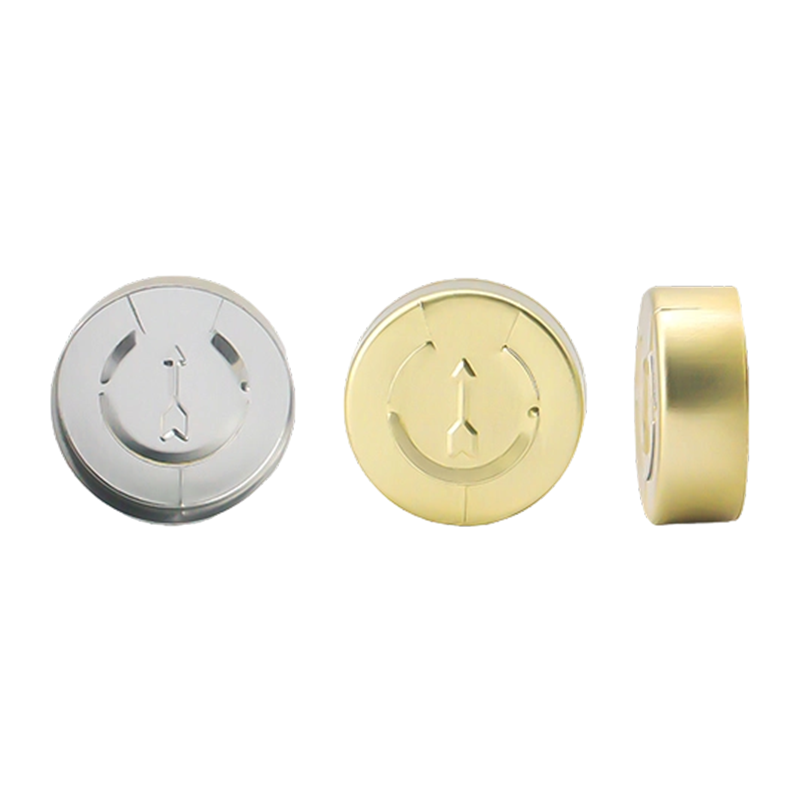
A tamper-evident aluminum seal for complete removal. It features a pre-scored tear-off line for easy opening: simply pull the tab to tear the entire cap off cleanly along the scored line, allowing for...
View More -
A durable and portable liquid storage solution designed for safe transportation and handling of non-hazardous to semi-hazardous fluids. It ensures secure containment, easy pouring, and reliable perfor...
View More -
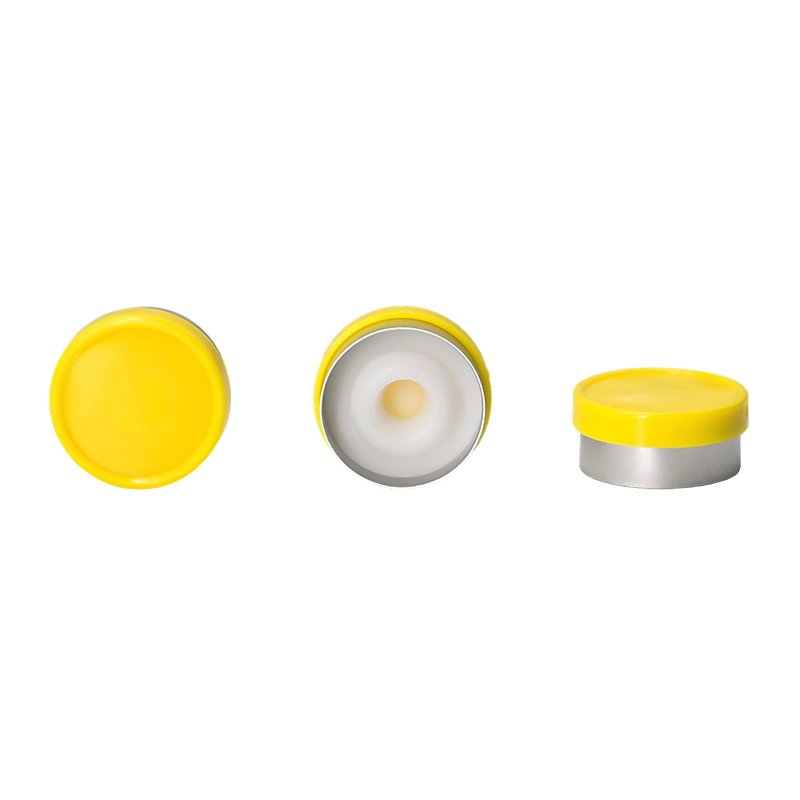
A secure and user-friendly sealing solution designed specifically for oral liquids. It ensures reliable product integrity, leak-proof performance, and compliance with safety standards. Featuring a flo...
View More -
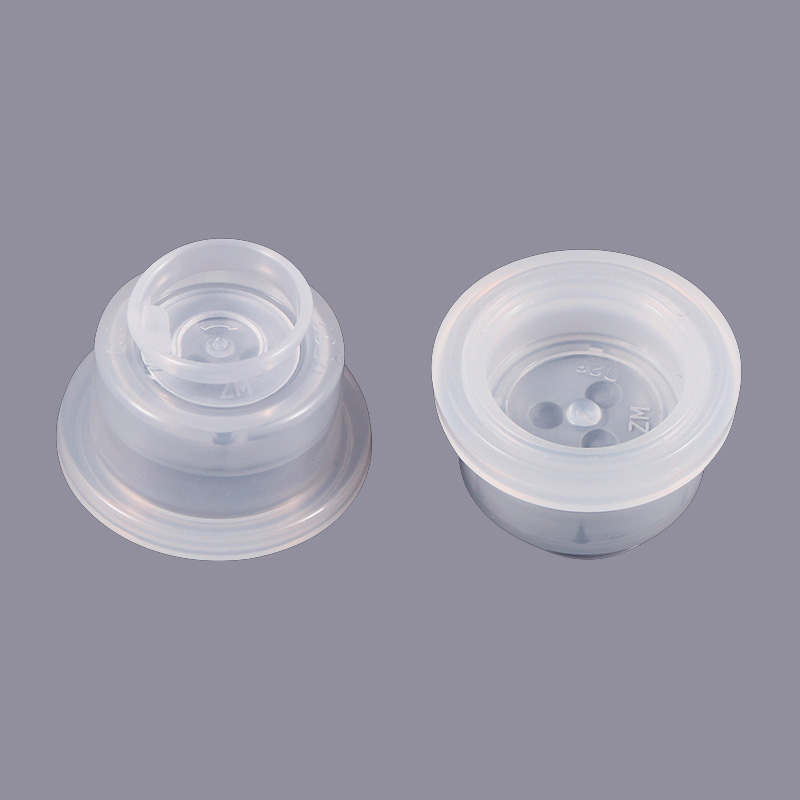
A standardized pull-ring polypropylene cap designed for infusion and solution bottles. This tamper-evident solution ensures reliable closure and provides an integrated pull-ring for safe, tool-free ac...
View More -
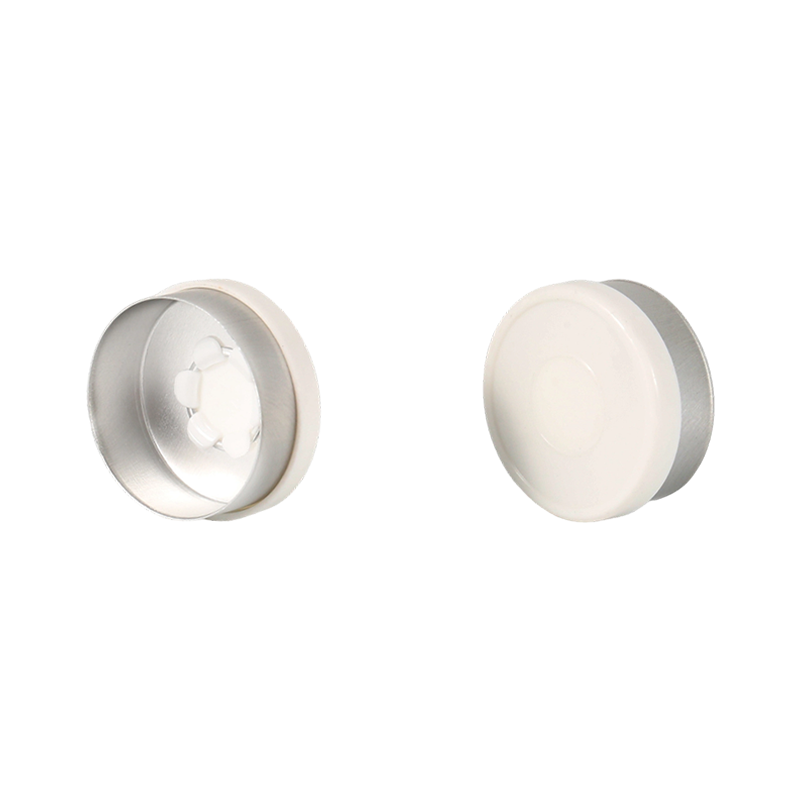
A reliable and tamper-evident sealing solution designed for standard injection vials. It ensures container seal integrity and safe needle access for liquid medications. A professional sealing componen...
View More -
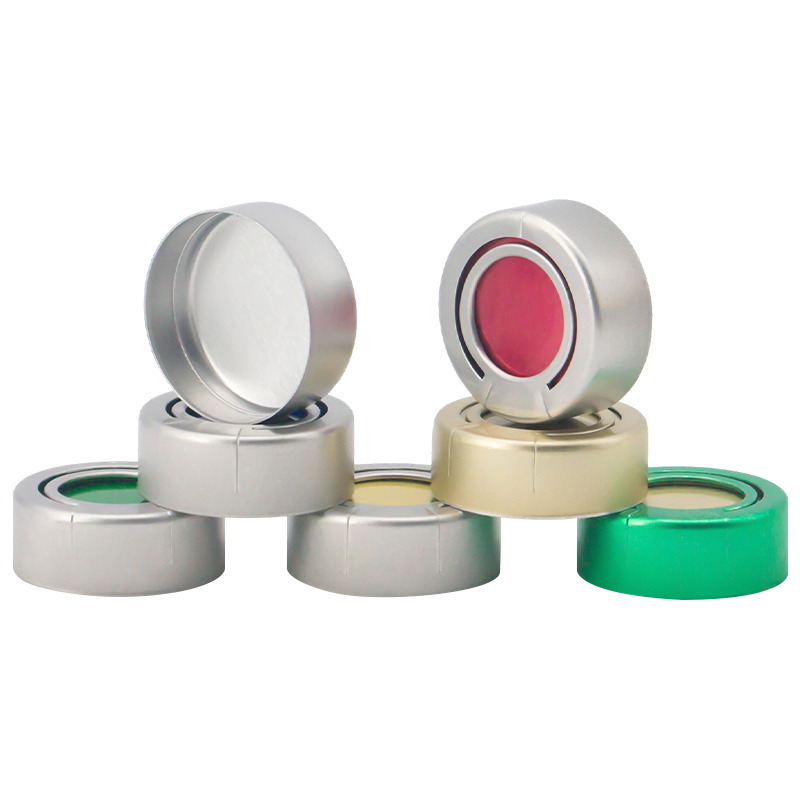
A tamper-evident aluminum seal designed for injection vials. It features an integrated pull-ring that, when pulled, removes the entire aluminum cap cleanly from the vial neck, leaving the rubber stopp...
View More
-
Get In Touch
 +86 511 8813 2922
 +86 139 5290 2286
 lilian@changjianglids.com
 No. 1 Mingzhu Road, Youfang Industrial Park, Yangzhong City, Zhenjiang, Jiangsu, China
The information provided on this website is intended for use only in countries and jurisdictions outside of the People's Republic of China.
No. 1 Mingzhu Road, Youfang Industrial Park, Yangzhong City, Zhenjiang, Jiangsu, China
The information provided on this website is intended for use only in countries and jurisdictions outside of the People's Republic of China. -
Product
Aluminum-Plastic Caps Aluminum Caps Euro PP Caps PP Containers for Contact Lens with Foil Seal Plastic Hanger for Infusion Bottle Plastic Jerry Can -
WhatsApp
Chris

-
WeChat
Lilian

Copyright © 2025 Jiangsu Changjiang Lids Co., Ltd. All Rights Reserved.
OEM Pharmaceutical Packaging Manufacturer
Pharmaceutical Cap Supplier
