
 English
 русский
 简体中文
简体中文


Home / News / Industry News / What are the advantages of using Plastic Hanger For Infusion Bottle?
What are the advantages of using Plastic Hanger For Infusion Bottle?
2026.04.30
Content
- 1 Lightweight Design Reduces Staff Fatigue
- 2 Corrosion-Free and Highly Durable
- 3 Cost Efficiency Across the Supply Chain
- 4 Enhanced Infection Control with Disposable Models
- 5 Versatile Compatibility with Standard IV Equipment
- 6 Safe for Patients During Mobility and Transport
- 7 Chemical Resistance Ensures Compatibility with IV Solutions
- 8 Ease of Manufacture Supports Consistent Quality Control
- 9 Environmental Considerations and Recyclability
- 10 Key Selection Criteria for Plastic Infusion Bottle Hangers
The plastic hanger for infusion bottle offers a lightweight, cost-effective, and hygienic solution for intravenous (IV) therapy administration. Compared to traditional metal or stainless steel hangers, plastic IV bottle hangers deliver superior corrosion resistance, ease of disposal, and adaptability across clinical settings — making them the preferred choice in modern healthcare facilities worldwide.
Lightweight Design Reduces Staff Fatigue
One of the most immediate advantages of plastic hangers is their significantly lower weight compared to metal alternatives. A standard plastic infusion bottle hanger weighs approximately 15–30 grams, while a metal equivalent can weigh 80–150 grams or more. This reduction matters greatly in high-volume wards where nurses handle dozens of IV setups per shift.
The lighter load reduces cumulative physical strain on clinical staff and speeds up IV preparation time, which directly supports patient throughput in busy hospital environments.

Corrosion-Free and Highly Durable
Hospital environments frequently involve exposure to moisture, disinfectants, and saline solutions. Metal hangers are prone to rust and oxidation under such conditions, which can compromise sterility and shorten the product's lifespan. Plastic hangers, typically manufactured from polypropylene (PP) or high-density polyethylene (HDPE), are completely immune to corrosion.
This makes plastic hangers especially suitable for:
- Intensive care units (ICU) with high sterilization demands
- Oncology wards using corrosive chemotherapy agents
- Neonatal units requiring pristine, contamination-free equipment
- Field hospitals or temporary care setups in humid climates
Cost Efficiency Across the Supply Chain
Plastic infusion bottle hangers are considerably more economical to produce, transport, and stock. Their lower raw material cost and the ease of mass production via injection molding result in unit costs that can be 40–60% lower than equivalent metal hangers.
Additionally, plastic hangers are available in both single-use disposable and multi-use reusable formats, giving procurement teams flexibility based on budget constraints and infection control protocols.
| Feature | Plastic Hanger | Metal Hanger |
|---|---|---|
| Weight | 15–30 g | 80–150 g |
| Corrosion Resistance | Excellent | Poor to Moderate |
| Relative Unit Cost | Low | High |
| Single-Use Option | Yes | Rarely |
| Sterilization Compatibility | Chemical & UV | Autoclave & Chemical |
Enhanced Infection Control with Disposable Models
Infection prevention is central to inpatient care. Disposable plastic infusion bottle hangers eliminate the risk of cross-contamination between patients — a critical concern in wards managing immunocompromised individuals or infectious diseases.
Since each hanger is discarded after a single use, healthcare facilities avoid the labor-intensive sterilization process required for reusable metal alternatives. Studies on hospital-acquired infection (HAI) reduction suggest that switching to single-use consumables in high-risk environments can reduce surface contamination events by a measurable margin, streamlining nursing workflows and minimizing sterilization overhead.
Versatile Compatibility with Standard IV Equipment
Modern plastic infusion bottle hangers are engineered to be universally compatible with a wide range of infusion bottle sizes and IV pole types. Most designs feature:
- Adjustable hooks that accommodate 250 mL, 500 mL, and 1000 mL infusion bottles
- Dual or triple-bottle configurations for complex medication regimens
- Secure clip mechanisms that prevent accidental disengagement during patient transport
- Smooth, rounded edges that reduce the risk of tube kinking or line snagging
This versatility makes them practical across departments — from emergency rooms to long-term care facilities — without requiring separate inventory for different bottle formats.
Safe for Patients During Mobility and Transport
When patients need to move between departments — such as from a ward to imaging or surgery — the IV setup must travel with them. Lightweight plastic hangers reduce the total weight of mobile IV poles, making them easier for patients and staff to maneuver. Critically, in the event of accidental contact or a fall, plastic hangers present a far lower injury risk than rigid metal alternatives.
This is particularly important in pediatric and geriatric settings where patients may have limited physical strength or reduced spatial awareness.
Chemical Resistance Ensures Compatibility with IV Solutions
Certain IV solutions — including those used in chemotherapy, total parenteral nutrition (TPN), and electrolyte replacement — can be chemically aggressive. Plastic hangers made from medical-grade polymers such as polypropylene or ABS plastic are engineered to resist degradation from exposure to these substances.
This chemical inertness means no leaching of metal ions or surface degradation that could compromise the sterile field around the infusion line — a concern that has been documented with lower-grade metal components in prolonged clinical use.
Ease of Manufacture Supports Consistent Quality Control
Plastic injection molding allows for highly precise, repeatable manufacturing of infusion bottle hangers. Each unit can be produced to exact dimensional tolerances with integrated quality checks, reducing variability in hook strength, load capacity, and dimensional fit.
Leading manufacturers test plastic IV hangers to support static loads of 5 kg or more, well exceeding the typical weight of a full 1000 mL glass infusion bottle (approximately 1.2–1.5 kg). This load margin ensures reliable performance and minimizes the risk of breakage during use.
Environmental Considerations and Recyclability
While single-use plastics in healthcare have raised sustainability discussions, several manufacturers now produce plastic infusion bottle hangers using recyclable or biodegradable materials, including recycled PP and plant-based bioplastics. Some facilities have implemented closed-loop collection programs to divert used hangers from landfill.
For facilities prioritizing sustainability without sacrificing hygiene, reusable multi-cycle plastic hangers offer a middle ground: they withstand repeated chemical disinfection cycles while remaining lighter and cheaper than metal — making them a practical choice for environmentally conscious procurement strategies.
Key Selection Criteria for Plastic Infusion Bottle Hangers
When evaluating plastic hangers for your facility, consider the following factors:
- Load capacity: Verify the rated static load meets your heaviest infusion bottle requirements.
- Material grade: Confirm the hanger uses medical-grade, non-toxic polymers compliant with ISO 10993 or equivalent standards.
- Bottle compatibility: Ensure the hook geometry fits your most common infusion bottle neck profiles.
- Sterilization method: Match the hanger's material to your facility's preferred disinfection protocol (chemical, UV, or EO gas).
- Reusability needs: Decide between single-use disposable and multi-cycle reusable formats based on infection risk and budget.
Related products
-

A secure and low-profile support solution designed to safely hold infusion containers in clinical and care settings. Its flat design ensures stable wall-mounted suspension and easy access for intraven...
View More -

A secure and ergonomic support solution designed to safely hold infusion containers in clinical and care settings. Its racket design with an integrated handle ensures stable, portable suspension and e...
View More -
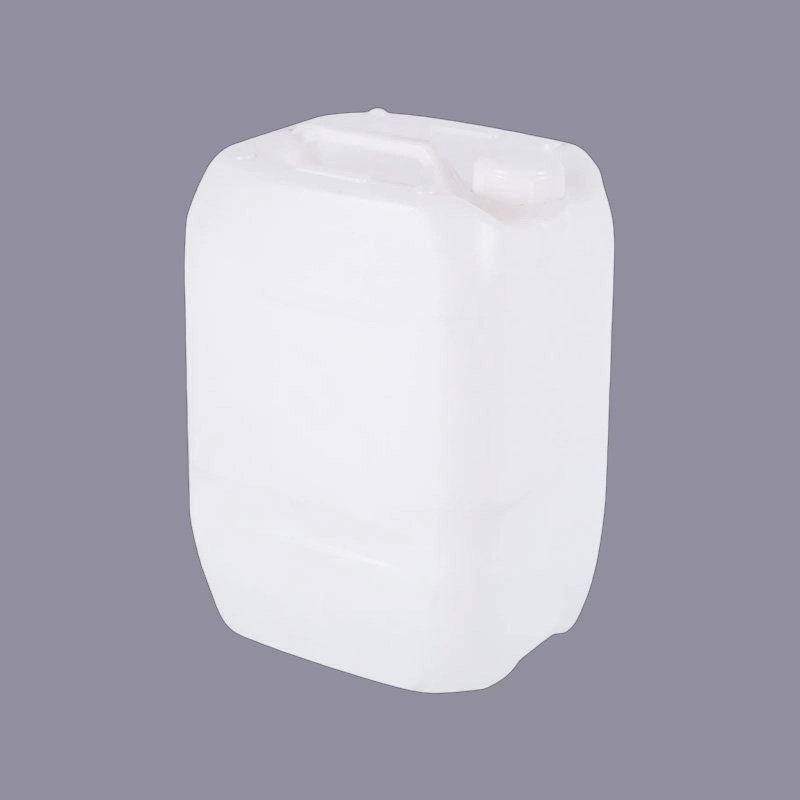
A durable and portable liquid storage solution designed for safe transportation and handling of non-hazardous to semi-hazardous fluids. It ensures secure containment, easy pouring, and reliable perfor...
View More -
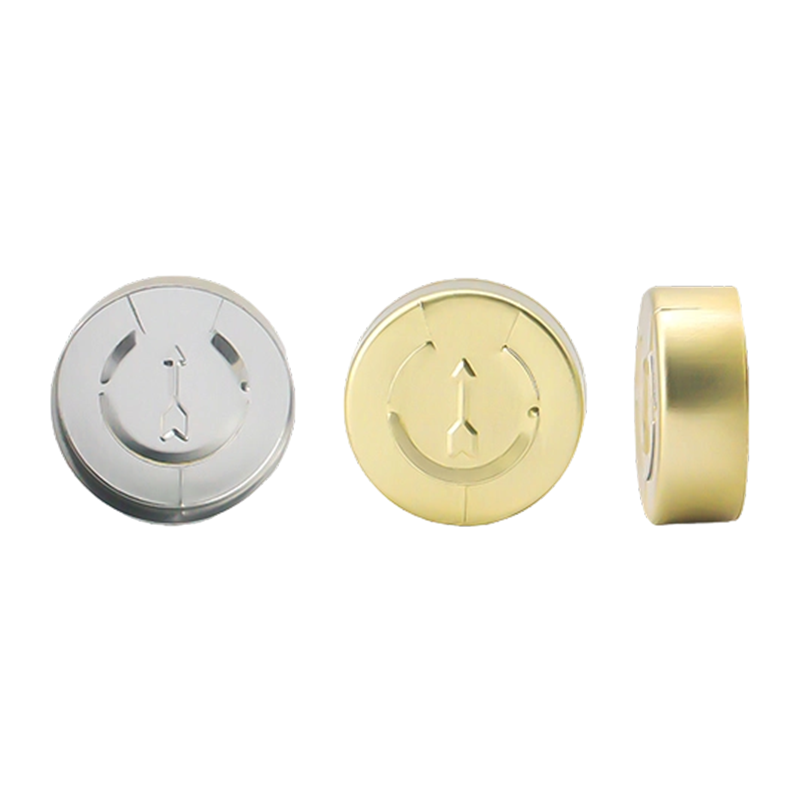
A tamper-evident aluminum seal for complete removal. It features a pre-scored tear-off line for easy opening: simply pull the tab to tear the entire cap off cleanly along the scored line, allowing for...
View More -
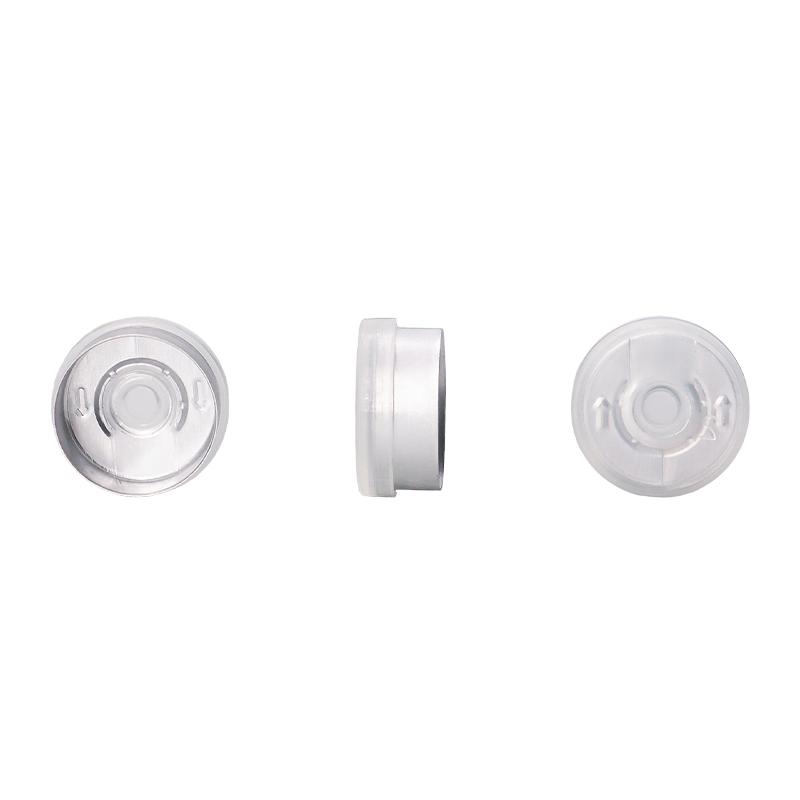
A specialized sealing cap designed for oral liquids. It features an easy-tear design on the aluminum cap, allowing users to open it quickly and reliably, with a near 100% opening success rate. Key App...
View More -
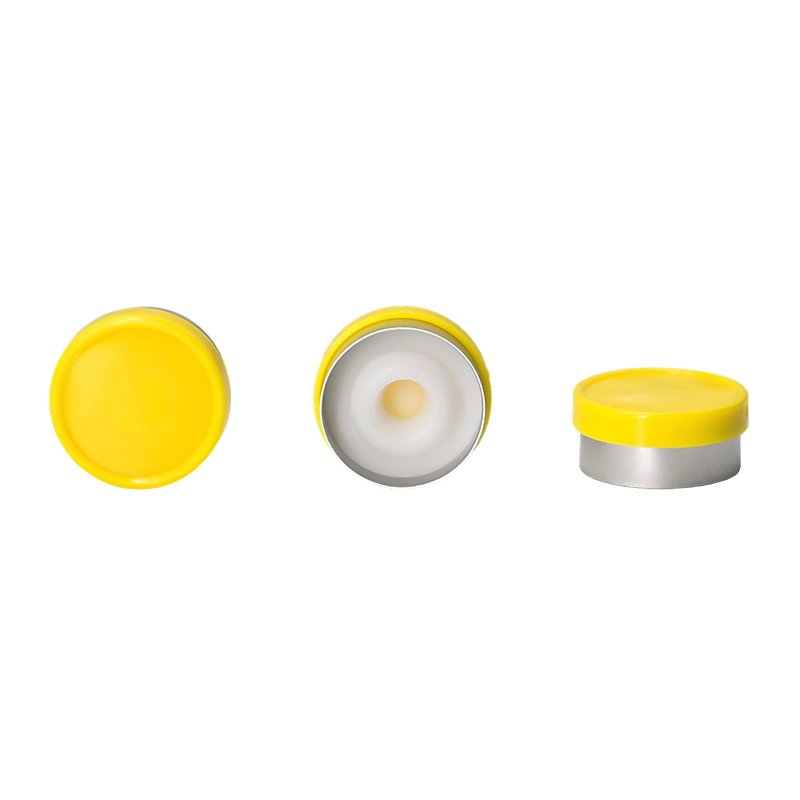
A secure and user-friendly sealing solution designed specifically for oral liquids. It ensures reliable product integrity, leak-proof performance, and compliance with safety standards. Featuring a flo...
View More
-
Get In Touch
 +86 511 8813 2922
 +86 139 5290 2286
 lilian@changjianglids.com
 No. 1 Mingzhu Road, Youfang Industrial Park, Yangzhong City, Zhenjiang, Jiangsu, China
The information provided on this website is intended for use only in countries and jurisdictions outside of the People's Republic of China.
No. 1 Mingzhu Road, Youfang Industrial Park, Yangzhong City, Zhenjiang, Jiangsu, China
The information provided on this website is intended for use only in countries and jurisdictions outside of the People's Republic of China. -
Product
Aluminum-Plastic Caps Aluminum Caps Euro PP Caps PP Containers for Contact Lens with Foil Seal Plastic Hanger for Infusion Bottle Plastic Jerry Can -
WhatsApp
Chris

-
WeChat
Lilian

Copyright © 2025 Jiangsu Changjiang Lids Co., Ltd. All Rights Reserved.
OEM Pharmaceutical Packaging Manufacturer
Pharmaceutical Cap Supplier
