 English
 русский
 简体中文



Home / Products / Aluminum-Plastic Caps / Aluminum-Plastic Cap for Infusion Bottles / Bridge Type Aluminum-Plastic Cap
-
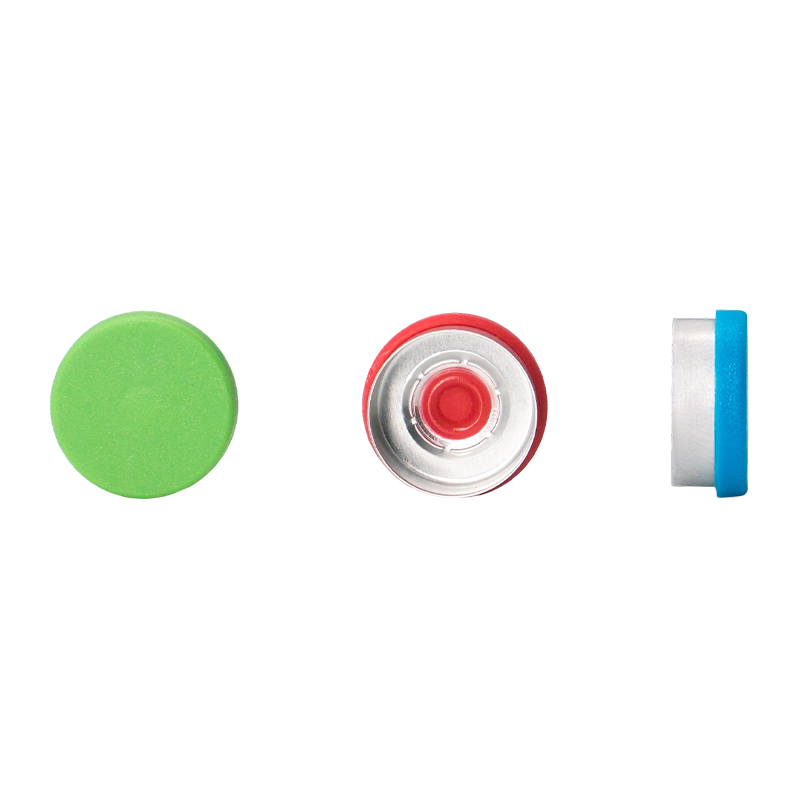
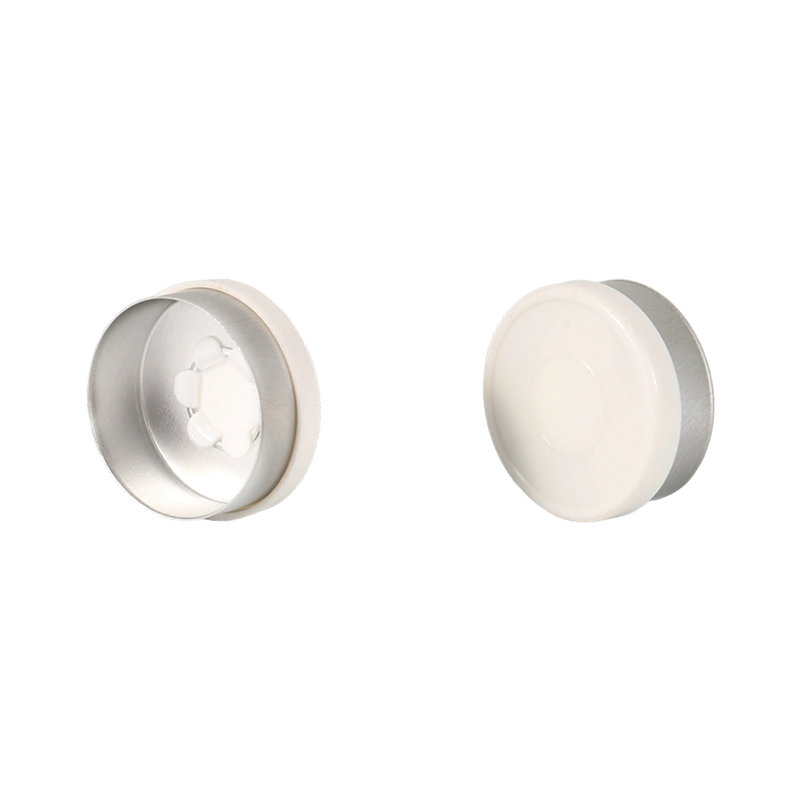
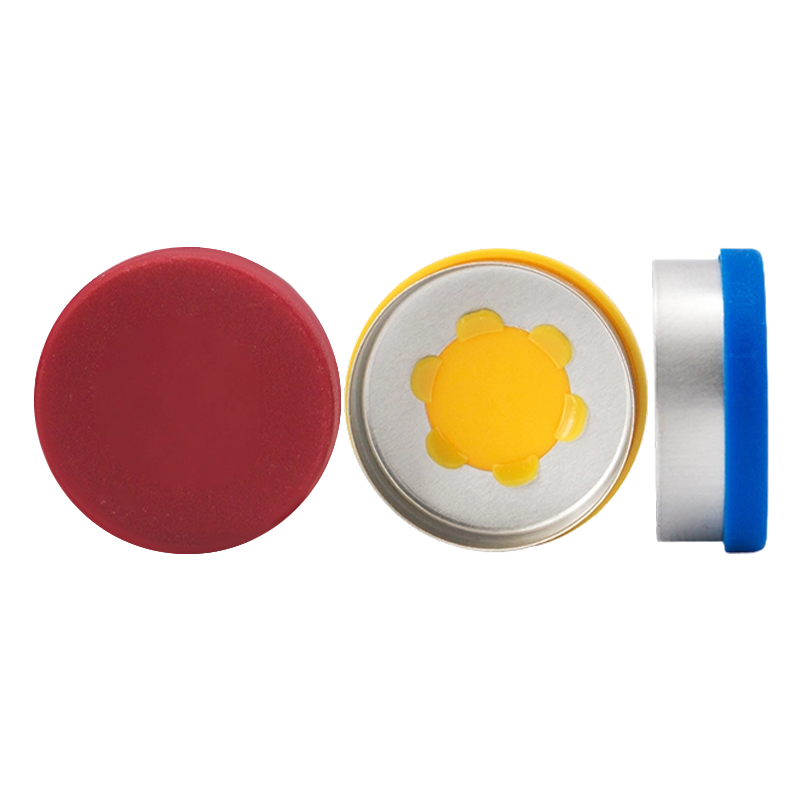
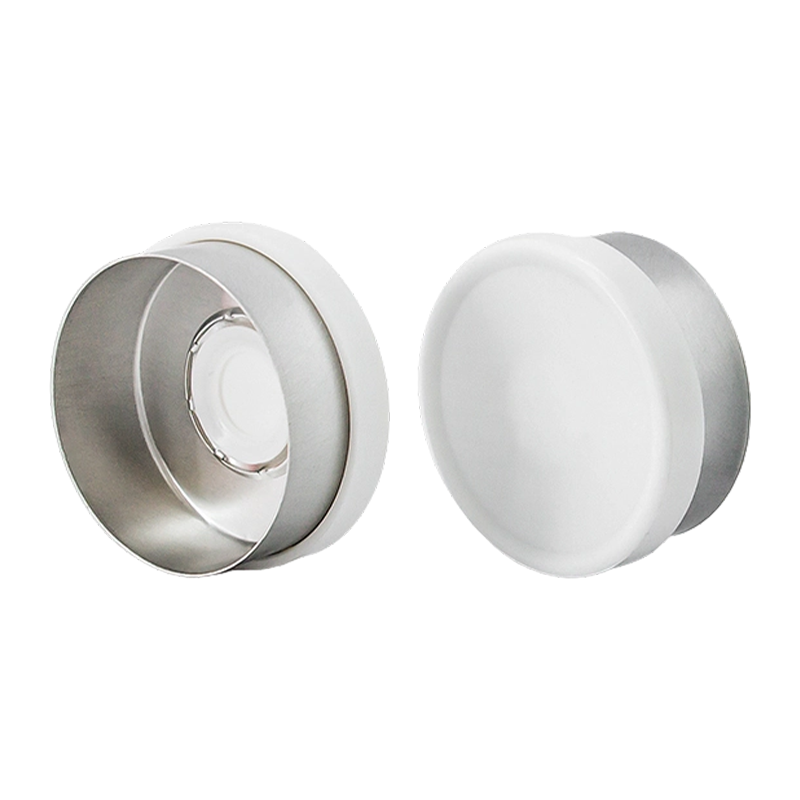
Bridge Type Aluminum-Plastic CapZB:32mm
A specialized sealing cap designed for infusion bottles, consisting of a bridge-type aluminum cap and a plastic cap.
ZB structural design offers the advantage of low opening force, and upon removal of the plastic part, the bridges of the aluminum cap break cleanly without leaving burrs, ensuring user-friendly and preventing contamination.
Key Applications:
- Large-volume parenteral solutions (e.g., saline, dextrose)
- Nutrition fluids (TPN, enteral formulas)
- Chemotherapy and antibiotic infusions
Note: Available to support both Ready-to-Use (RTU) and Ready-to-Sterilize (RTS).
-
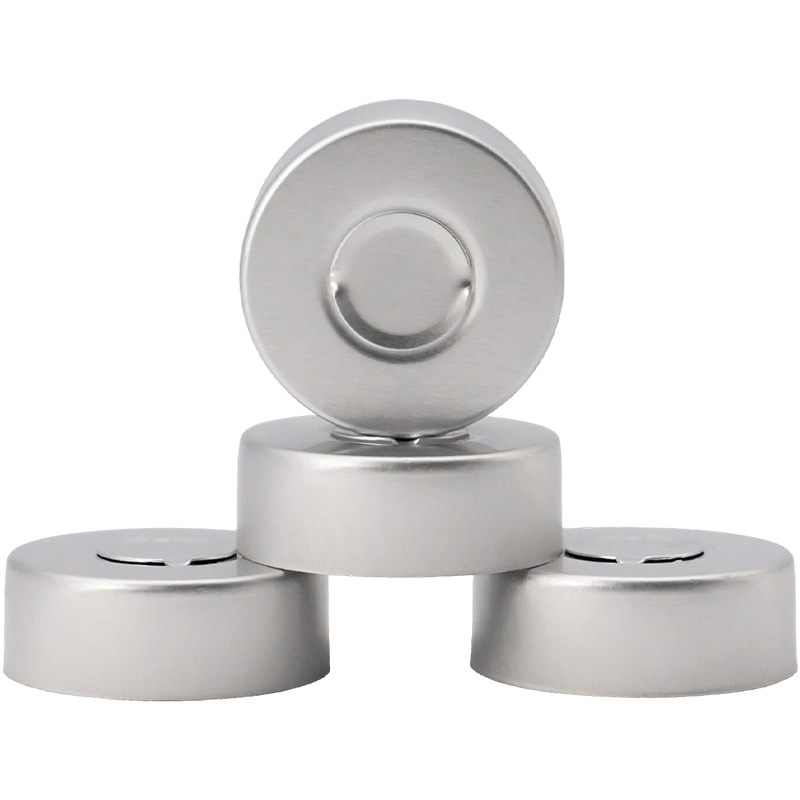
Bridge Type Aluminum-Plastic CapZB:32mm
A specialized sealing cap designed for infusion bottles, consisting of a bridge-type aluminum cap and a plastic cap.
ZB structural design offers the advantage of low opening force, and upon removal of the plastic part, the bridges of the aluminum cap break cleanly without leaving burrs, ensuring user-friendly and preventing contamination.
Key Applications:
- Large-volume parenteral solutions (e.g., saline, dextrose)
- Nutrition fluids (TPN, enteral formulas)
- Chemotherapy and antibiotic infusions
Note: Available to support both Ready-to-Use (RTU) and Ready-to-Sterilize (RTS).

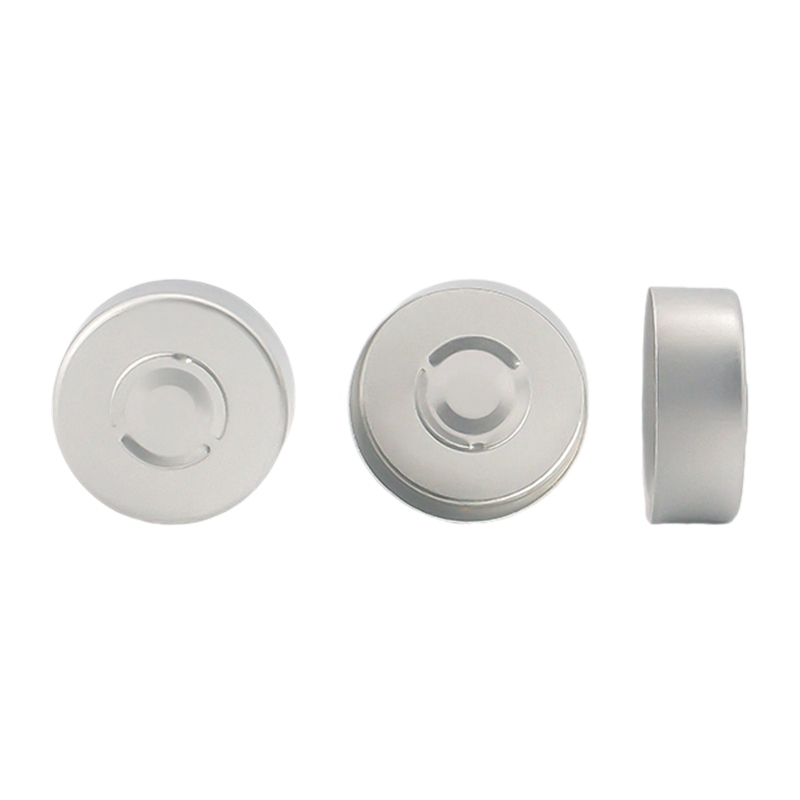
Bridge Type Aluminum-Plastic Cap
Diameter
Diameter
ZD:32mm
A specialized sealing cap designed for infusion bottles, consisting of a bridge-type aluminum cap and a plastic cap.
ZB structural design offers the advantage of low opening force, and upon removal of the plastic part, the bridges of the aluminum cap break cleanly without leaving burrs, ensuring user-friendly and preventing contamination.
Key Applications:
- Large-volume parenteral solutions (e.g., saline, dextrose)
- Nutrition fluids (TPN, enteral formulas)
- Chemotherapy and antibiotic infusions
Note: Available to support both Ready-to-Use (RTU) and Ready-to-Sterilize (RTS).