
 English
 русский
 简体中文



Home / News / Industry News / Tamper Evident Packaging in Pharmaceuticals: How Closure Design Proves First Opening
Tamper Evident Packaging in Pharmaceuticals: How Closure Design Proves First Opening
2026.11.05
Content
- 1 What Regulators Actually Require
- 2 Where the Evidence Physically Lives on a Vial
- 3 Comparing the Common Closure Styles
- 4 Infusion Containers: When the Closure Carries All the Evidence
- 5 What Belongs in a Closure Specification
- 6 Failure Modes That Show Up in Audits and Complaints
- 7 Where the Closure Stops and Secondary Packaging Starts
- 8 Questions Worth Asking Before You Approve a Supplier
A fill-finish operator lifts a vial off the conveyor, presses a thumbnail under the aluminum skirt, and the whole cap comes away cleanly in one piece, plastic button still attached. The vial was never opened. That batch now needs a deviation report, and the same closure will fail the same test in a patient's hand.
That is why tamper evident packaging in pharmaceuticals is a closure engineering problem first and a labelling problem second. The conclusion, stated plainly: a vial closure is tamper evident only when opening it causes a permanent, visible change in the closure itself, and when that change cannot be quietly reversed by hand. A cap that can be removed and re-seated without a trace is not tamper evident, whatever the specification sheet calls it.
The notes below cover what regulators actually require, which closure geometries deliver real first-opening evidence, what belongs in a purchase specification, and where closures fail once they reach a filling line.
What Regulators Actually Require
In the United States, the working definition sits in 21 CFR 211.132: a tamper evident package has one or more indicators or barriers to entry which, if breached or missing, can reasonably be expected to provide visible or audible evidence to consumers that tampering has occurred. The rule grew out of the 1982 capsule poisoning cases, applies to over-the-counter human drug products, and requires both an appropriate packaging system and a statement on the label. It does not name a closure type. Manufacturers and packagers may use any system that meets the standard.
Prescription injectables sit in a different legal frame, built from sterile manufacturing requirements, container closure integrity testing and pharmacopoeial expectations for elastomeric and metal components. The practical outcome is nearly identical: hospital pharmacy, nursing practice and procurement teams all expect a visible break at first opening. A vial that cannot show one will be rejected in an audit even where no rule names it.
It helps to keep two terms apart. Tamper resistant means entry is harder. Tamper evident means entry cannot be hidden. A heavy crimp can be genuinely resistant and still leave nothing behind when someone lifts the cap.
Where the Evidence Physically Lives on a Vial
A standard vial closure is a small mechanical system with four working parts: the aluminum shell crimped under the bottle finish, the scored or sheared bridge, the tear tab or pull ring, and the plastic button or flip-off disc. Each opening method damages a different part of that system.
- Tear-off aluminum caps: the tab is torn away around the skirt. After tearing, the skirt is discontinuous and cannot sit flush again.
- Pull-ring aluminum caps: the ring is pulled to shear the bridge and expose the rubber stopper. The sheared bridge leaves a visible gap that cannot be closed.
- Bridge-type caps: an aluminum bridge spans the centre and must be broken before the stopper can be reached.
- Middle-hole caps: the centre is punched open, so access is direct and the first-opening signal depends on the plastic disc or ring supplied with the shell.
The geometry matters more than the alloy alone. A bridge that is too thin shears during transport and produces a false opened signal. A bridge that is too thick survives the journey but is opened with scissors in the ward, which destroys the evidence entirely.
 Aluminum Tear-Off Caps for Injection VialsPre-scored aluminum seals in 13 mm and 20 mm sizes offer clean full removal, irreversible tamper evidence, and unobstructed stopper access for vial trials.View Product →
Comparing the Common Closure Styles
The table below is the short version used when a packaging engineer and a QA lead need to agree on a closure before a trial run.
| Closure style | First-opening evidence | Typical container | What to watch on the line |
|---|---|---|---|
| Aluminum tear-off cap | Tab torn away, skirt broken and impossible to re-seat | Injection vials, oral liquid bottles | Tear force window and tab stiffness; soft temper tears halfway |
| Aluminum pull-ring cap | Ring separates, bridge sheared with a visible gap | Infusion bottles, injection vials | Bridge depth after crimping; ring must not lift without breaking |
| Bridge-type aluminum cap | Bridge broken before stopper access | Injection vials | Capping pressure; bridge must survive transport without shearing |
| Middle-hole aluminum cap | Centre open, evidence carried by the plastic disc or ring | Vials needing direct stopper access | Disc retention and hole alignment over the stopper |
| Aluminum-plastic cap, tear-off or flower type | Plastic button removed first, aluminum then torn | Injection vials, infusion bottles, oral liquids | Fit between button and shell; colour coding accuracy |
| All-plastic pull-ring and twin-port cap | Ring torn from the polypropylene body, port membranes pierced | Infusion containers, PP bottles | Ring thickness and port seal integrity after sterilisation |
Infusion Containers: When the Closure Carries All the Evidence
A 500 mL polypropylene infusion bottle usually reaches the ward without a carton, so the closure is the only first-opening signal the nurse will ever see. Pull-ring designs work by shearing a ring of material away from the body; twin-port designs go further, giving a spike port and an injection port, each with its own frangible membrane that cannot be pushed back into place.
Two details decide whether that works in practice. The first is ring wall thickness: thin enough to tear by hand, thick enough to survive palletising. The second is the interface with the container neck, because a closure that seats loosely may pass a visual check and still fail a leak test after drop simulation.
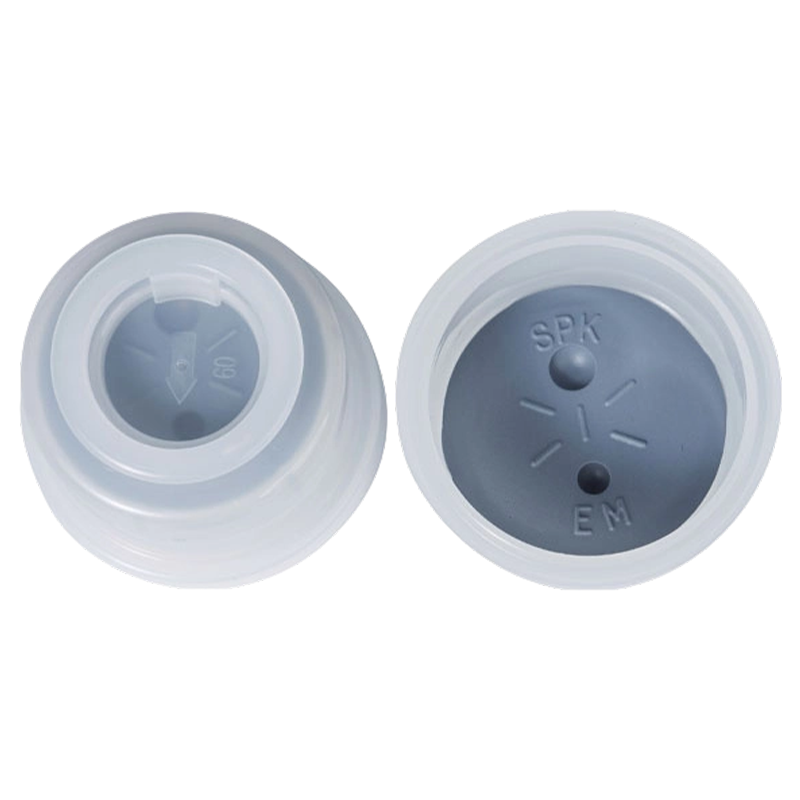 Pull-Ring Euro PP Caps for Infusion BottlesFor specifications where ring wall thickness and neck fit matter, these integrated pull-ring closures support tool-free access and tamper evidence on infusion bottles.View Product →
What Belongs in a Closure Specification
Most tamper evidence complaints trace back to a specification that described appearance and skipped mechanics. A workable set of requirements covers six areas.
- Shell dimensions and tolerances against the specific vial finish, with the crimping tooling named in the drawing.
- Aluminum temper or hardness range, tied to a measured tear force window rather than the words easy to open.
- Seal integrity data from dye ingress or container closure integrity testing after crimping at defined settings.
- Sterilisation compatibility, steam or ethylene oxide, plus the washing process and cleanroom class the closures see before bagging.
- Colour control for plastic buttons, since the button colour is often the fastest visual check an operator has, together with lot traceability.
- An AQL sampling plan that separates cosmetic defects from functional ones, because a scratched skirt and a re-seatable skirt are not the same risk.
The ISO 8362 series for injection containers and their closures is a useful reference frame for dimensions, but the tear force and the crimping window remain product specific. They should be established with your own vials, your own capper and your own sterilisation cycle.
Failure Modes That Show Up in Audits and Complaints
- The tab tears but the ring stays attached, usually from aluminum that is too soft or scoring that is too deep. The operator finishes the job with a blade and the evidence is gone.
- The cap can be lifted and pressed back on, which points to an elastic skirt or a crimp that is too loose. A pocket test finds this in seconds and belongs in incoming inspection.
- The bridge stays intact when the ring is pulled, so a partly opened vial looks untouched to the next person who handles it.
- The plastic button drops off during transport, producing a false already opened signal and a rejected batch that was never at risk.
- Dye creeps in at the crimp, almost always a cap height mismatched to the vial finish rather than a defect in the closure itself.
- Two button colours in one carton, which is a segregation failure rather than a cap failure, but it triggers the same recall decision.
Where the Closure Stops and Secondary Packaging Starts
Not every risk is answered by the cap. Carton seals, shrink bands, induction foil and serialised labels all add layers, and for non-sterile goods the seal often sits elsewhere entirely. A foil seal on a polypropylene contact lens container is doing exactly the same job as a pull ring on an infusion bottle: it cannot be reapplied once lifted, so the patient knows the state of the product before use.
If the closure range itself is still being mapped, this overview of aluminum caps for pharmaceutical vials covers the tear-off, pull-ring, bridge and middle-hole families side by side.
Questions Worth Asking Before You Approve a Supplier
- Can you show a tear force or removal torque distribution across a production lot, not a single passing value?
- Which crimping tooling and settings produced the seal integrity data you are sharing?
- What cleanroom class and washing process apply before the closures are double-bagged?
- How are colour and lot segregation controlled between adjacent production runs?
- Which attributes are classed as functional defects, and what AQL applies to each class?
- Will the same closure run on our existing capping machine without tooling changes?
Tamper evident packaging in pharmaceuticals ultimately rests on a simple test that anyone can repeat: open the pack, look at it, and try to make it look new again. If that is possible, the design needs work. If it is not, the closure is doing its job, and the label statement on the carton finally means something. Specifications, drawings and samples can be discussed with our team on the contact page.
Related products
-
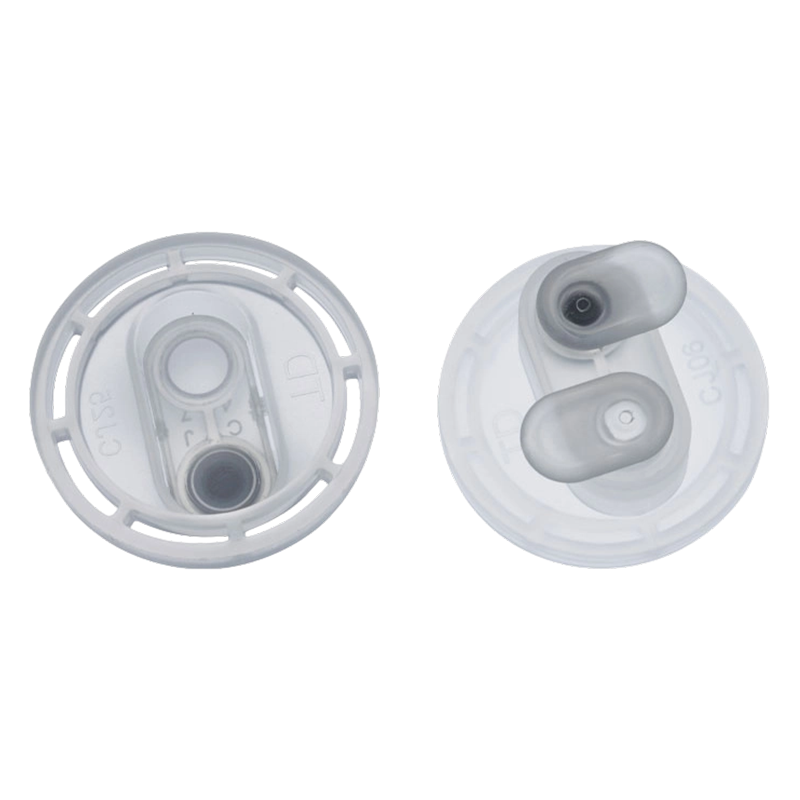
A standardized dual-port polypropylene cap designed for infusion and solution bottles. This integrated solution ensures reliable closure and provides two distinct, self-sealing access points for safe ...
View More -
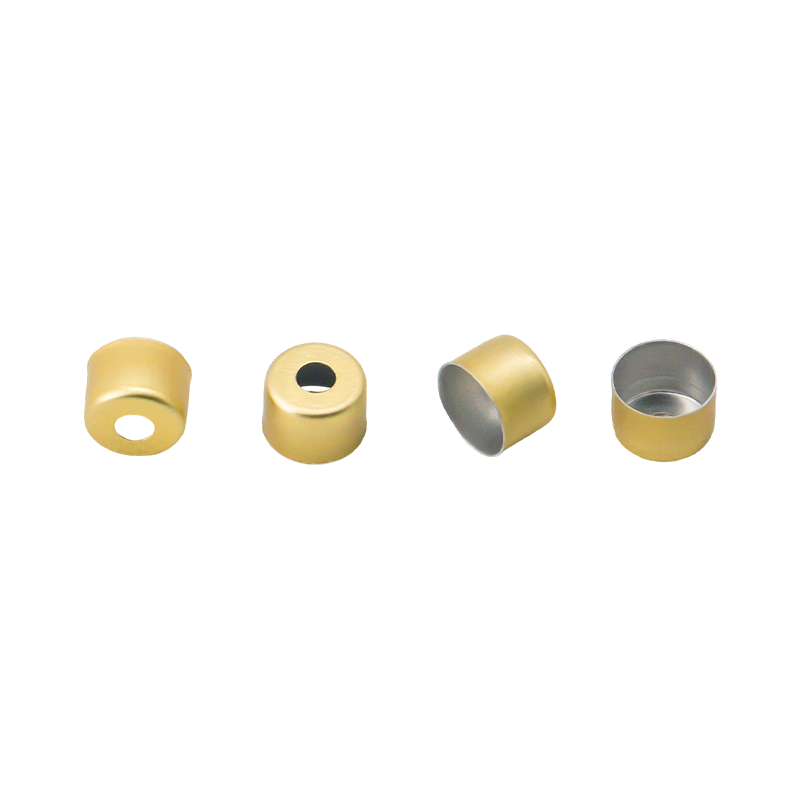
A precision sealing solution designed for cartridge-based drug delivery systems, such as pre-filled syringes and pen injectors. It ensures sterile integrity and safe, reliable needle access for inject...
View More -
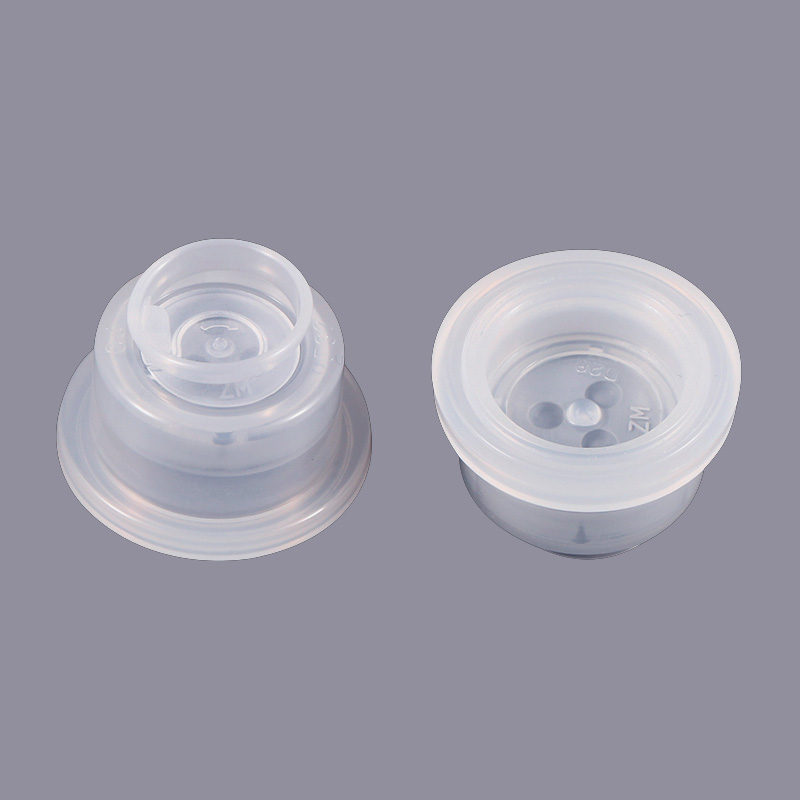
A standardized pull-ring polypropylene cap designed for infusion and solution bottles. This tamper-evident solution ensures reliable closure and provides an integrated pull-ring for safe, tool-free ac...
View More -
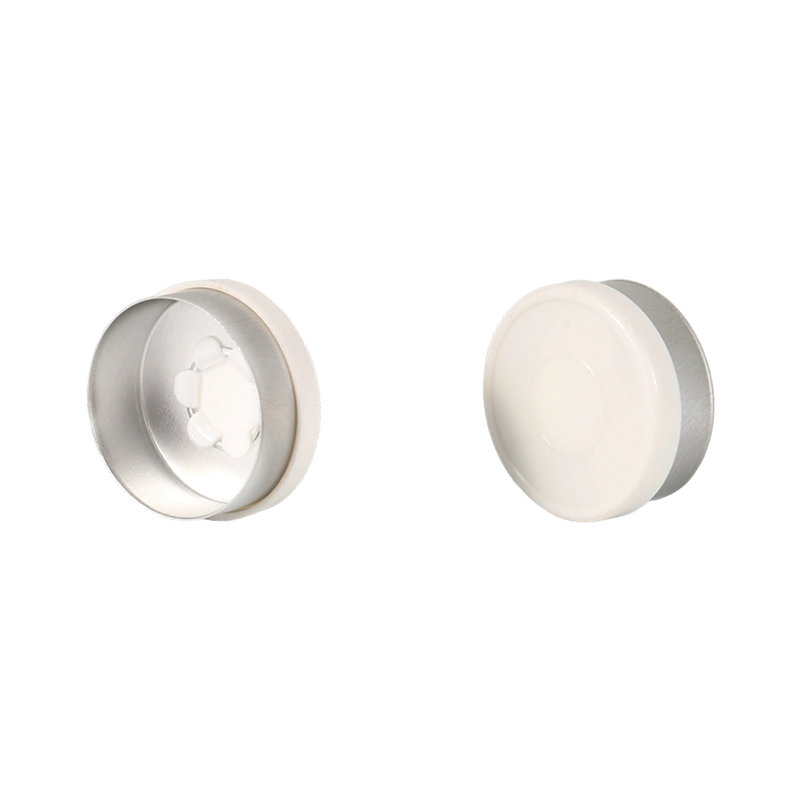
A reliable and tamper-evident sealing solution designed for standard injection vials. It ensures container seal integrity and safe needle access for liquid medications. A professional sealing componen...
View More -
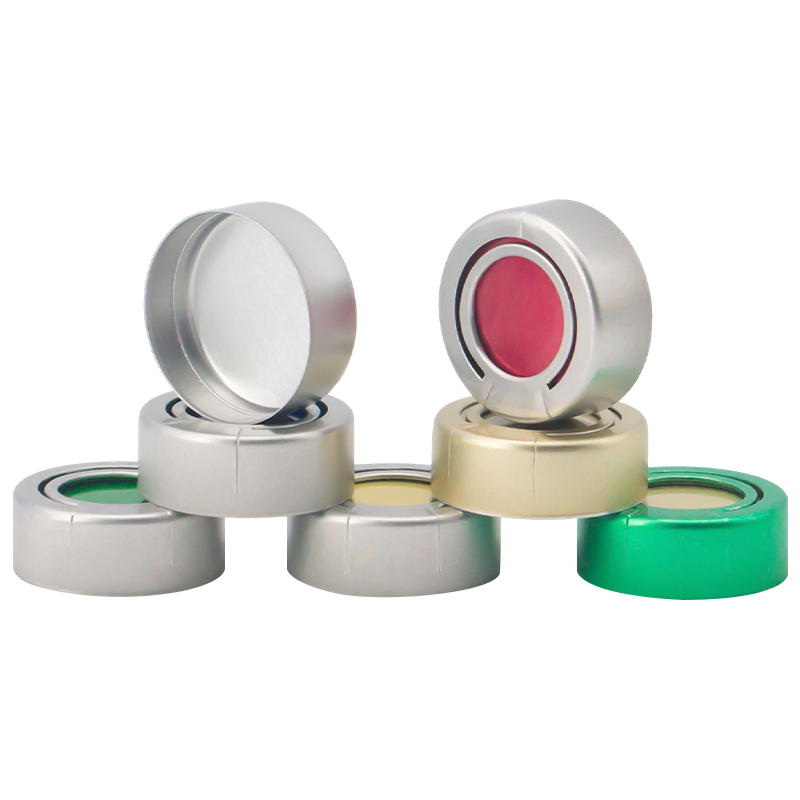
A tamper-evident aluminum seal designed for injection vials. It features an integrated pull-ring that, when pulled, removes the entire aluminum cap cleanly from the vial neck, leaving the rubber stopp...
View More -
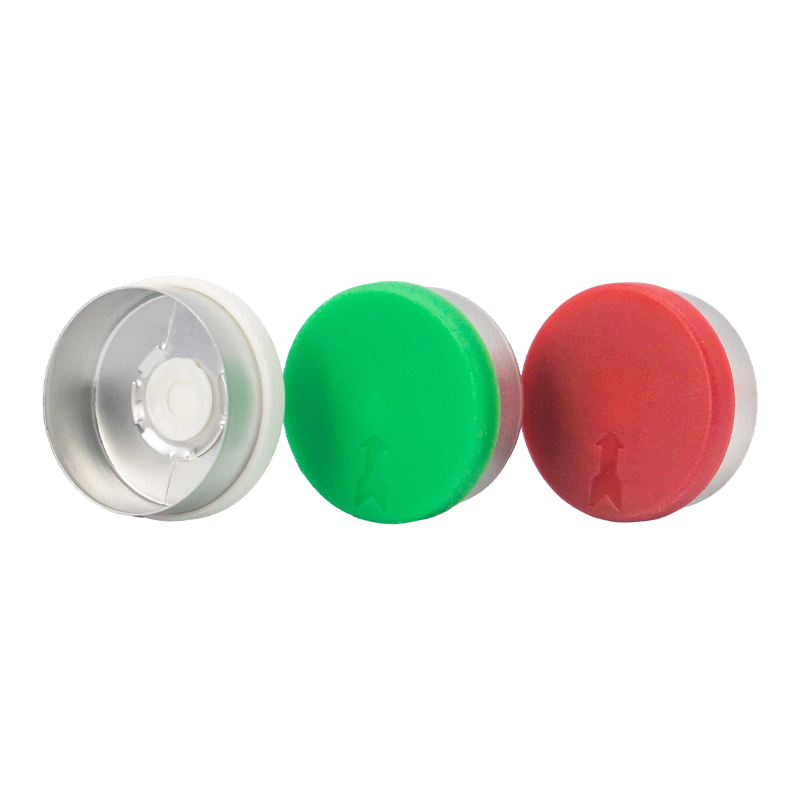
A specialized sealing cap designed for pharmaceutical injection vials. It features an easy-tear design on the aluminum cap, allowing users to open it quickly and reliably, with a near 100% opening suc...
View More
-
Get In Touch
 +86 511 8813 2922
 +86 139 5290 2286
 lilian@changjianglids.com
 No. 1 Mingzhu Road, Youfang Industrial Park, Yangzhong City, Zhenjiang, Jiangsu, China
The information provided on this website is intended for use only in countries and jurisdictions outside of the People's Republic of China.
-
Product
Aluminum-Plastic Caps Aluminum Caps Euro PP Caps PP Containers for Contact Lens with Foil Seal Plastic Hanger for Infusion Bottle Plastic Jerry Can -
WhatsApp
Chris

-
WeChat
Lilian

Copyright © 2025 Jiangsu Changjiang Lids Co., Ltd. All Rights Reserved.
OEM Pharmaceutical Packaging Manufacturer
Pharmaceutical Cap Supplier
