
 English
 русский
 简体中文



Home / News / Industry News / Why Do They Put Cotton in Pill Bottles? Cushioning, Moisture, and History
Why Do They Put Cotton in Pill Bottles? Cushioning, Moisture, and History
2026.11.13
Content
- 1 The Short Answer: Cushioning, Moisture, and Habit
- 2 Why a Tablet Breaks So Easily in Transit
- 3 Moisture Is the Bigger Long Term Risk, and Cotton Is a Weak Answer
- 4 Cotton, Desiccant, or Nothing at All
- 5 The White Plug Is Rarely Cotton Today
- 6 Should You Remove It? Yes, Right After Opening
- 7 Why So Many Bottles No Longer Use It
- 8 The Closure Is What Actually Protects the Product
- 9 A Practical Checklist When You Specify a Bottle
Flip open a fresh bottle of aspirin and the first thing you meet is a loose white plug of fibre sitting on top of the tablets. It is not a seal, it is not a desiccant, and it does nothing useful once the cap has been turned for the first time. In most products, its work is finished before the bottle reaches the pharmacy shelf.
That plug is a packing material, and it answers the question in one line. It stops tablets from rattling and chipping during shipping, it holds a small reserve of dry air inside the sealed container, and for decades it doubled as a rough visual hint that nobody had been inside the bottle. Only the first of those is still a full time job, which is why pharmacists routinely tell patients to pull the wad out as soon as the bottle is opened and never put it back.
The Short Answer: Cushioning, Moisture, and Habit
- Cushioning. A loose coil fills the empty headspace between the tablets and the throat of the bottle, so the contents cannot build up speed and strike each other when the carton is dropped or a pallet is shunted in a warehouse.
- Moisture buffering. Pharmaceutical grade fibre is dried before insertion and absorbs a small amount of water vapour inside the sealed bottle, giving a weak second line of defence behind the closure.
- Tamper signal, loosely speaking. Bottles packed by hand in the early 1900s often had a wad pressed into the neck, and a disturbed wad hinted that someone had been inside. It was never a genuine tamper evident system and is not accepted as one today.
The practice goes back to an era when aspirin and similar tablets were packed by hand, when tablets were softer and often uncoated, and when freight offered far less control than it does now. A pressed wad kept fragile contents still, and because it sat above the tablets it also made quiet repacking harder to hide.
Why a Tablet Breaks So Easily in Transit
A tablet is a compact of powder held together by compression and a binder, not a solid crystal, and its edges are the weakest part. Crowns chip when tablets collide, and the dust that results makes a sealed bottle look old before it is sold. Appearance is the smaller issue. A chip on a sugar coated tablet is cosmetic, but a chip on an enteric coated tablet exposes the core and can shift where the dose releases.
Compendial testing makes the same point from the other direction. A standard friability drum, described in USP general chapter 1216, turns tablets at 25 revolutions per minute for 100 rotations and generally allows no more than 1 percent weight loss. If that level of abrasion is treated as normal, a loose bottle on a pallet is a real risk. A 100 count high density polyethylene bottle holding 60 tablets is roughly 40 percent air, and fibre takes up that space.
Moisture Is the Bigger Long Term Risk, and Cotton Is a Weak Answer
Water vapour crosses the bottle wall slowly and the closure liner much faster. It hydrolyses susceptible actives, softens gelatine capsules and ruins effervescent products. Dry fibre inserted at packing does absorb a little moisture inside the sealed bottle, and that part of the job is genuine.
The capacity is small and the effect is one way. After a bottle has been opened a few times, the wad has equilibrated with room air and can start releasing moisture back into the headspace. A silica gel canister is engineered for a stated capacity and a defined shelf life; a plug of fibre is not.
Cotton, Desiccant, or Nothing at All
| Job | Cotton or rayon coil | Silica gel desiccant | No insert, sealed pack |
|---|---|---|---|
| Cushioning tablets | Good, fills headspace and limits movement | Partial, the canister is rigid and occupies less volume | None needed, each tablet sits in its own cavity |
| Moisture inside the sealed bottle | Absorbs small amounts, limited capacity | Strong, holds a defined quantity of water vapour | Depends on closure, liner and foil |
| Behaviour after first opening | Becomes a moisture source, remove it | Keeps working until saturated | Not applicable, the pack is single dose |
| Tamper evidence | Visible disturbance only | Visible disturbance only | Induction seal, blister or shrink band |
The White Plug Is Rarely Cotton Today
Most of the material in modern bottles is rayon or a crimped polyester coil rather than raw cotton. It must be clean, low lint, free of optical brighteners and loose fibre, and compliant with the food and drug contact rules of the destination market. It is dried before insertion and stored in sealed bags so it does not arrive at the filling line already saturated. It is also not sterile and not edible, so keep it away from children and pets.
Should You Remove It? Yes, Right After Opening
The reasons are practical rather than regulatory. The fibre wicks moisture from the air and from fingers, small tablets stick to it and get thrown out with it, and a loose plug is a choking hazard in a household with young children. Removing it also makes the count easier to see and the cap easier to seat again.
There is one exception. If the item in the neck is a rigid canister printed with a warning such as do not remove, it is a desiccant and it should stay for the life of the product. Never open a canister to look inside.
Why So Many Bottles No Longer Use It
- Blister packs seal each tablet in its own cavity, so there is no headspace to fill and nothing to rattle against.
- Desiccant liners built into the cap do the moisture job with tighter control and no loose material.
- Coatings are tougher and friability specifications are tighter than they were fifty years ago.
- A cotton inserter is an extra station that has to be bought, validated and cleaned.
The Closure Is What Actually Protects the Product
Look past the wad and the real story is headspace plus seal integrity. No insert keeps moisture out of a bottle; the closure and its liner do. That is why packaging engineers spend far more time on the cap, the liner and the sealing surface than on the insert, and why a change of cap can trigger a fresh stability study.
For liquids, injectables and infusion containers, the answer is usually an aluminum or aluminum plastic closure. The choice between pull ring, tear off, bridge and middle hole variants comes down to how a nurse or a patient opens the container and whether a needle has to pass through the closure.
 Aluminum Pull-Ring Caps for Oral Liquid BottlesSingle-piece 15 mm and 16 mm aluminum closures with an integral pull-ring for one-step full-cap removal and clear tamper evidence on oral liquid bottles.View Product →
Jiangsu Changjiang Lids has been producing closures in Yangzhong since 2000, working to GMP and ISO9001 with a C+A grade cleanroom and capacity for roughly 3 billion aluminum and aluminum plastic caps plus 800 million polypropylene caps a year. If you want the taxonomy before the specification, there is a complete guide to aluminum cap types for pharmaceutical vials on the same site.
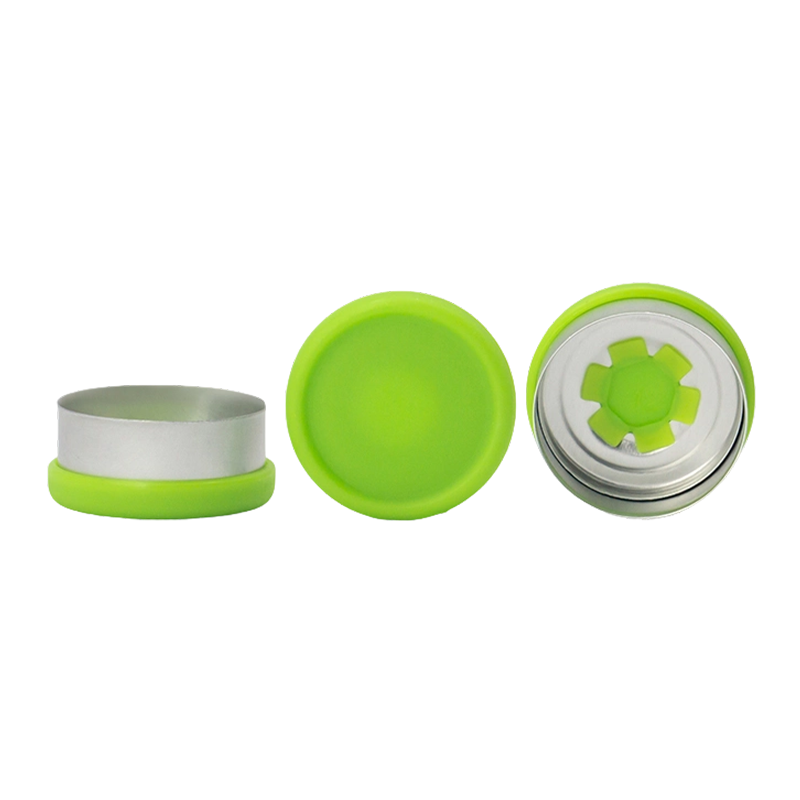 Tear-Off Aluminum-Plastic Caps for Injection Vials20 mm aluminum-plastic closures with an easy-tear design for quick opening of antibiotic, vaccine and lyophilized powder vials, available in RTU and RTS formats.View Product →
A Practical Checklist When You Specify a Bottle
- Calculate headspace from fill count and bottle size before deciding whether an insert is needed at all.
- Match the insert to the formulation. A chewable vitamin and an effervescent tablet do not deserve the same answer.
- Ask for water vapour transmission data on the cap and liner combination, not only on the bottle.
- Check line speed and footprint, because an inserter adds a station that must be validated and cleaned.
- Confirm stability with the insert in place, under accelerated conditions such as 40 degrees Celsius and 75 percent relative humidity, since the wad is part of the pack that was tested.
- Match the opening style to the user. A pull ring a nurse can open while wearing gloves is worth more than a cheaper cap that needs a tool.
The last point is where packaging decisions are usually won or lost. A bottle that arrives intact but cannot be opened cleanly at the bedside has solved one problem and created another, and the same logic applies on a retail shelf. You can review the aluminum cap range to see how opening style, liner and neck finish are matched to each container type.
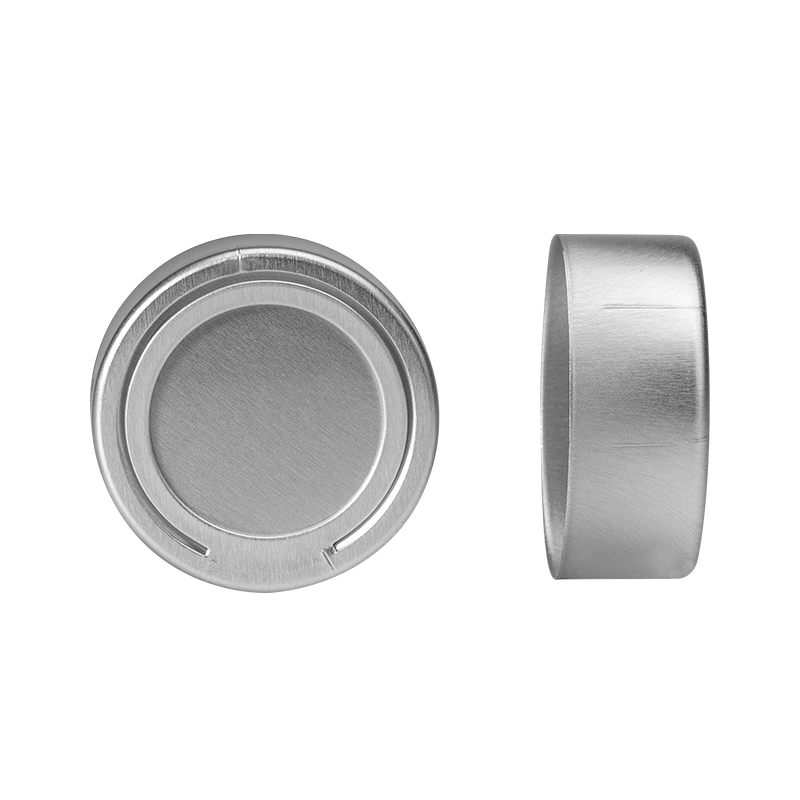 Aluminum Pull-Ring Caps for Large-Volume Infusion Bottles26 mm and 32 mm aluminum seals with an integrated pull-ring for complete tool-free removal and clear tamper evidence on saline or glucose infusion bottles.View Product →
Cotton in a pill bottle is a small, cheap, old solution to a physical problem: tablets need to arrive unbroken. It was never a preservative, it was never a seal, and it is not there to help you after opening. Decide what the pack genuinely needs, whether that is an insert, a desiccant or a better closure, and let the wad go the moment the cap comes off.
Related products
-
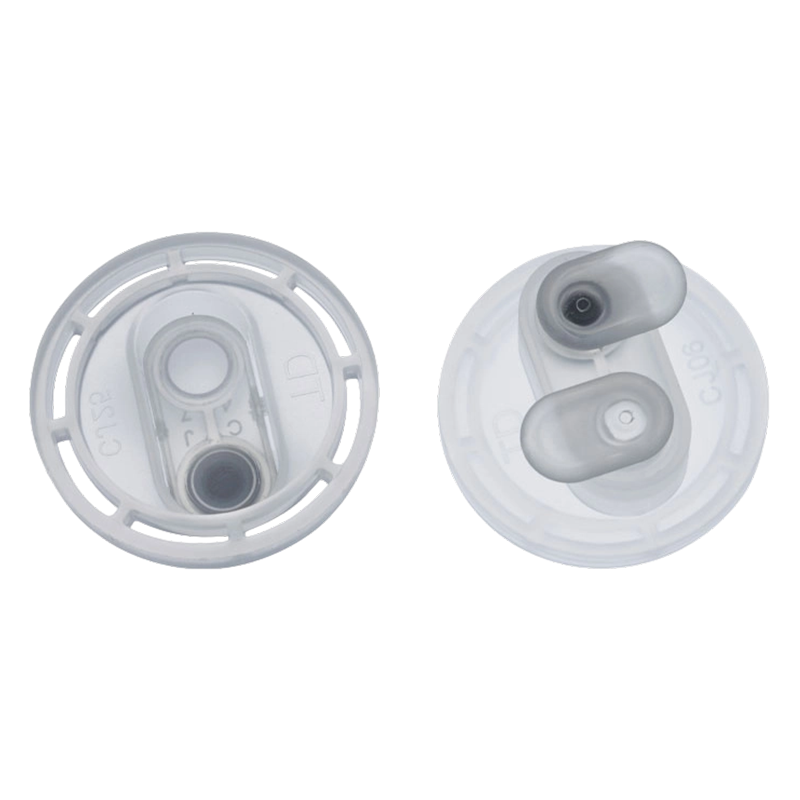
A standardized dual-port polypropylene cap designed for infusion and solution bottles. This integrated solution ensures reliable closure and provides two distinct, self-sealing access points for safe ...
View More -
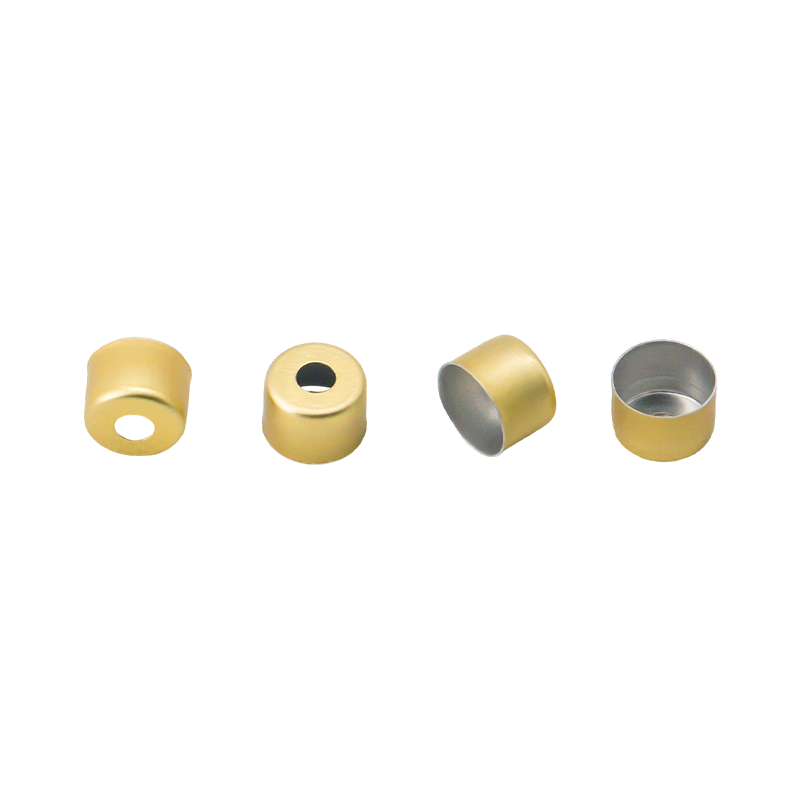
A precision sealing solution designed for cartridge-based drug delivery systems, such as pre-filled syringes and pen injectors. It ensures sterile integrity and safe, reliable needle access for inject...
View More -
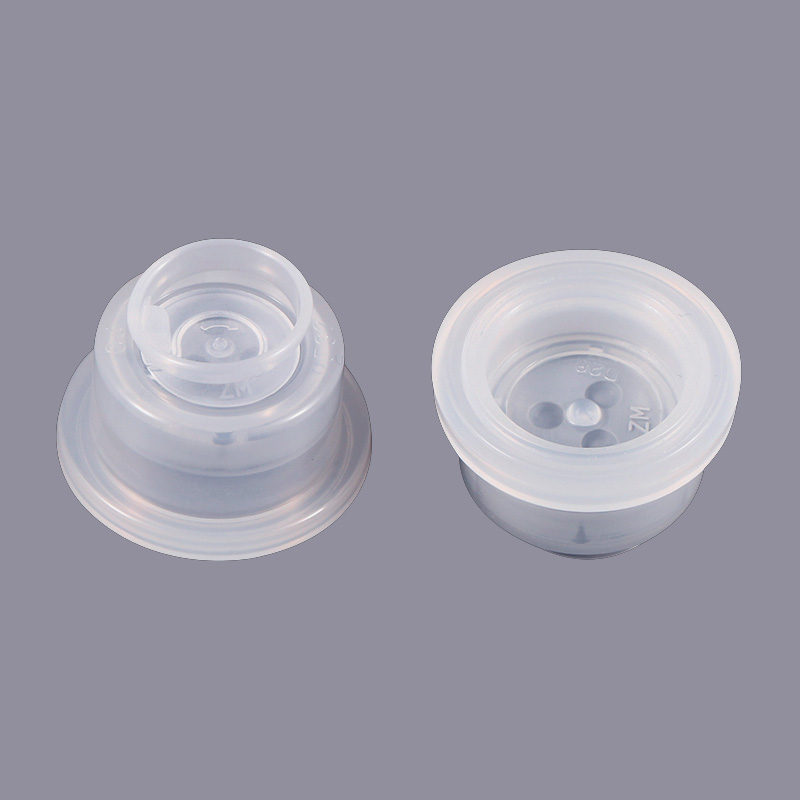
A standardized pull-ring polypropylene cap designed for infusion and solution bottles. This tamper-evident solution ensures reliable closure and provides an integrated pull-ring for safe, tool-free ac...
View More -
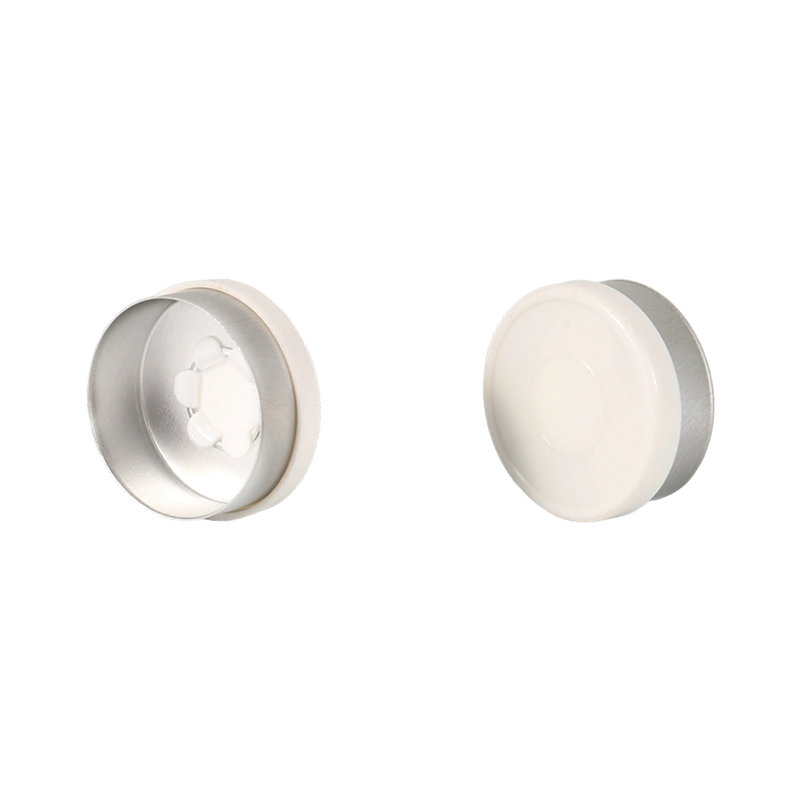
A reliable and tamper-evident sealing solution designed for standard injection vials. It ensures container seal integrity and safe needle access for liquid medications. A professional sealing componen...
View More -
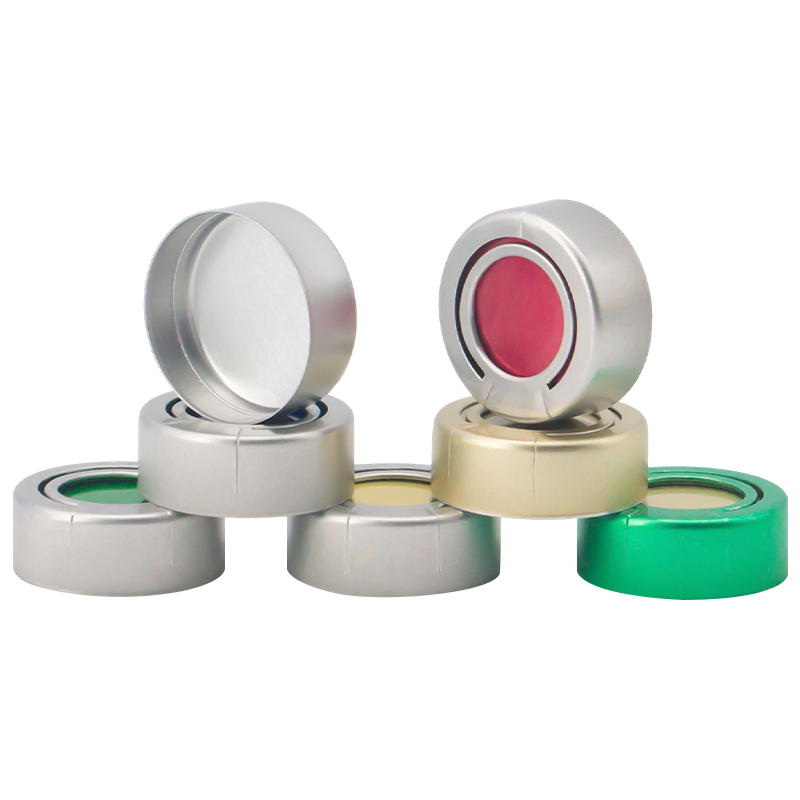
A tamper-evident aluminum seal designed for injection vials. It features an integrated pull-ring that, when pulled, removes the entire aluminum cap cleanly from the vial neck, leaving the rubber stopp...
View More -
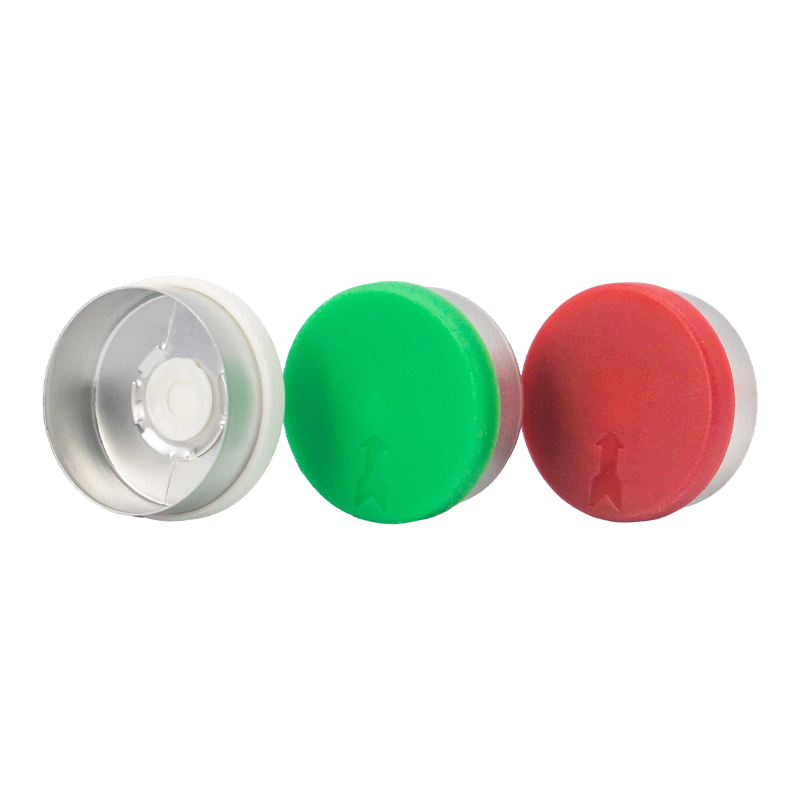
A specialized sealing cap designed for pharmaceutical injection vials. It features an easy-tear design on the aluminum cap, allowing users to open it quickly and reliably, with a near 100% opening suc...
View More
-
Get In Touch
 +86 511 8813 2922
 +86 139 5290 2286
 lilian@changjianglids.com
 No. 1 Mingzhu Road, Youfang Industrial Park, Yangzhong City, Zhenjiang, Jiangsu, China
The information provided on this website is intended for use only in countries and jurisdictions outside of the People's Republic of China.
-
Product
Aluminum-Plastic Caps Aluminum Caps Euro PP Caps PP Containers for Contact Lens with Foil Seal Plastic Hanger for Infusion Bottle Plastic Jerry Can -
WhatsApp
Chris

-
WeChat
Lilian

Copyright © 2025 Jiangsu Changjiang Lids Co., Ltd. All Rights Reserved.
OEM Pharmaceutical Packaging Manufacturer
Pharmaceutical Cap Supplier
