
 English
 русский


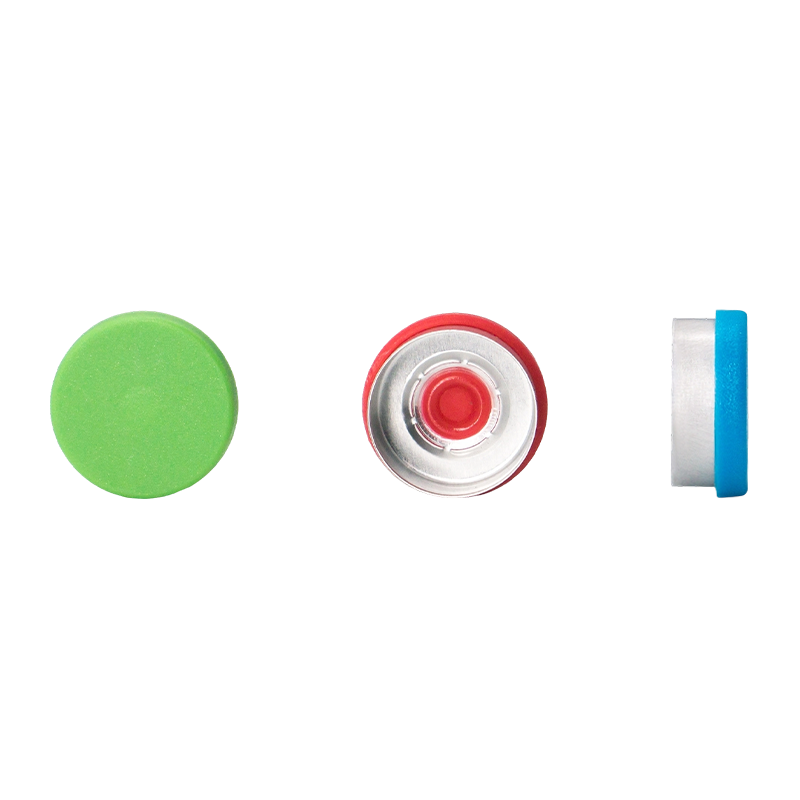
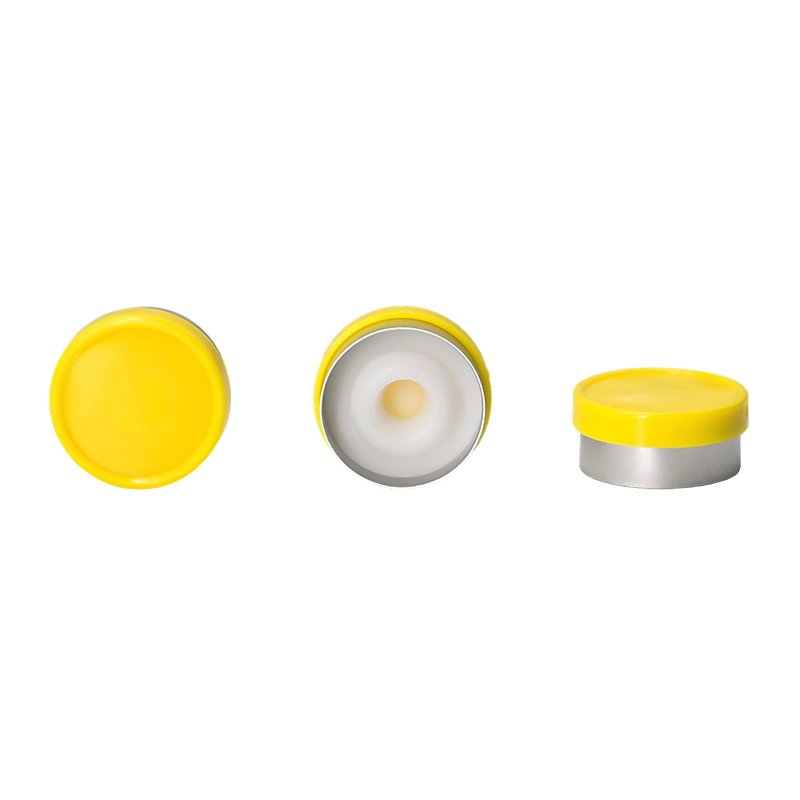
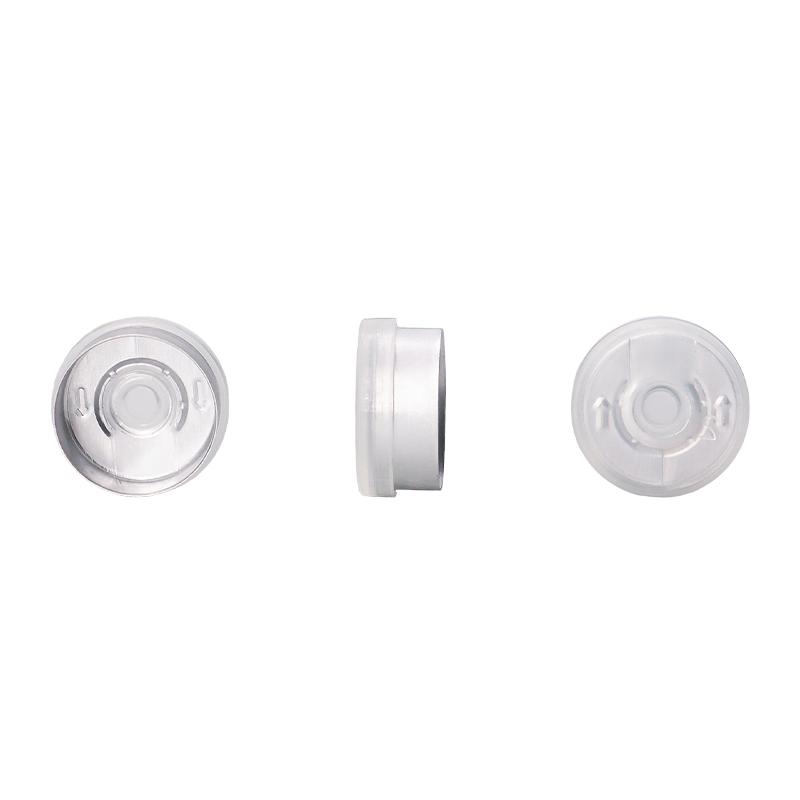
An aluminum-plastic cap for oral liquids is a composite pharmaceutical closure that combines an outer aluminum shell with an inner plastic (typically polyethylene or polypropylene) component. Designed specifically for oral liquid preparations — including syrups, suspensions, tonics, and pediatric formulations — these caps provide a secure, tamper-evident seal that preserves the integrity, sterility, and stability of liquid medications throughout their shelf life.
The aluminum-plastic cap for oral liquids functions through a dual-material structure: the aluminum shell delivers mechanical rigidity, crimping capability, and a professional pharmaceutical appearance, while the inner plastic liner creates a chemically inert, food-contact-safe barrier between the closure and the liquid formulation. This combination addresses the two primary packaging requirements in oral liquid pharmaceuticals — physical tamper evidence and chemical compatibility.
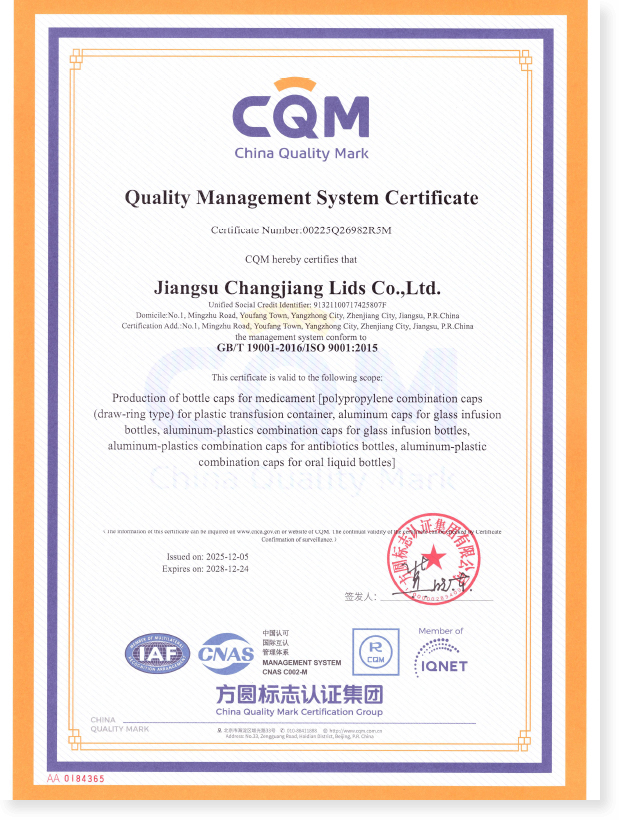
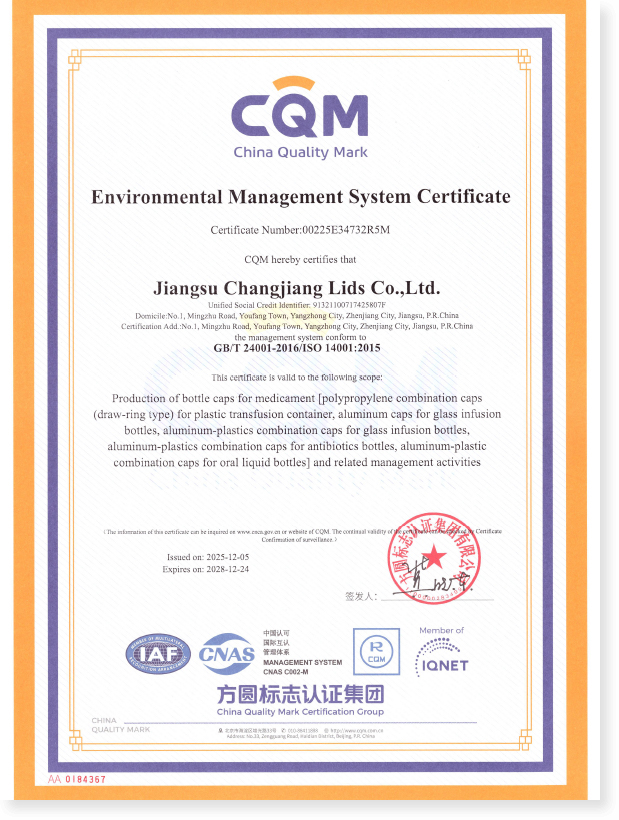
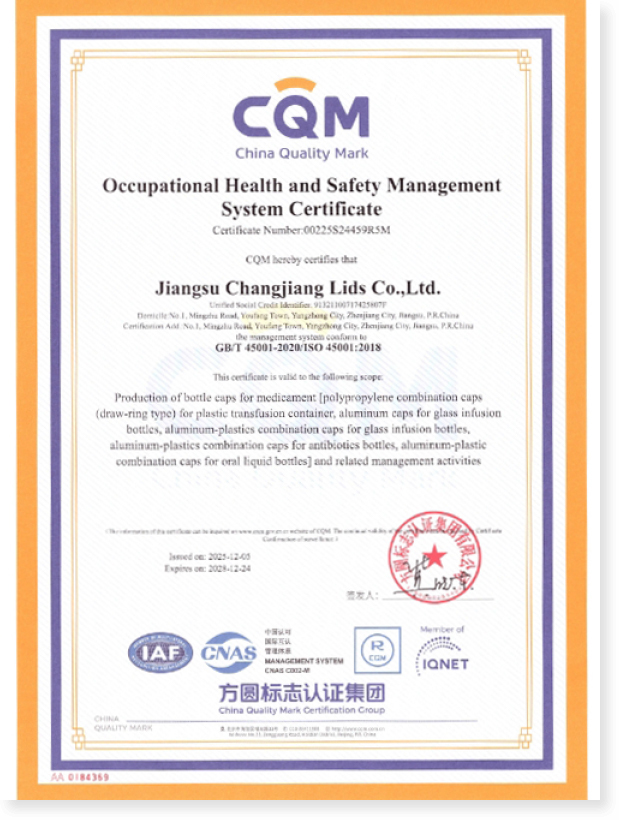
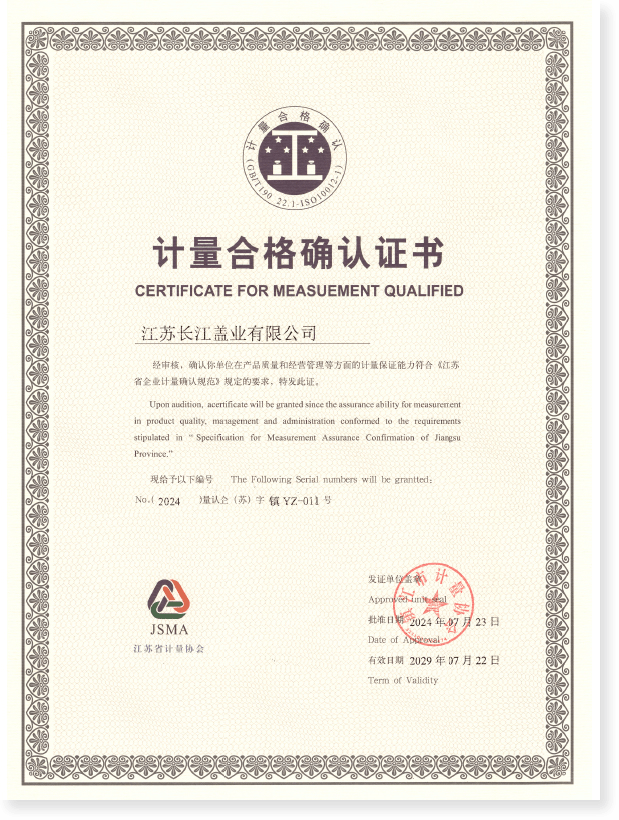
At Jiangsu Changjiang Lids Co., Ltd. — a GMP-certified manufacturer with over two decades of pharmaceutical packaging experience — aluminum-plastic caps for oral liquids are produced in a C+A level cleanroom environment, ensuring contamination-free output at an annual capacity of up to 3 billion aluminum and aluminum-plastic caps. Every cap is engineered to meet the demands of regulated pharmaceutical markets worldwide.
Core Structure & Working Principle
Understanding the internal construction of an aluminum-plastic cap for oral liquids helps buyers select the right specification for their formulation and bottling line.
Layer-by-Layer Composition
- Outer Aluminum Shell: Formed from pharmaceutical-grade aluminum alloy (typically 8011 or 1060 series), the shell provides structural strength, precise crimping geometry, and a printable surface for branding or dosage information.
- Inner Plastic Insert (PE/PP): A molded polyethylene or polypropylene insert sits inside the aluminum shell. This plastic component contacts the bottle neck directly, providing the primary liquid seal, chemical resistance, and compliance with pharmaceutical contact-material standards.
- Sealing Gasket (optional): Some configurations incorporate an additional LDPE or EPE foam liner for enhanced liquid-tightness, particularly suited for products sensitive to oxygen ingress or evaporation.
- Tamper-Evident Band: A scored aluminum breakaway ring or tear-off band provides visual evidence of first opening, a regulatory requirement in many markets.
Sealing Mechanism
During the capping process on a pharmaceutical filling line, the aluminum-plastic cap is placed over the bottle mouth and compressed by a capping head at precisely controlled torque. The aluminum shell crimps around the bottle's thread or neck flange, while the plastic insert deforms slightly to conform to the sealing surface — creating a hermetic barrier. Once crimped, the tamper-evident band locks into position and cannot be re-sealed after removal, providing both tamper evidence and child-resistance when designed accordingly.
Key Performance Parameters
The following table summarizes the critical performance indicators evaluated during quality control of aluminum-plastic caps for oral liquids, along with typical accepted ranges in pharmaceutical manufacturing.
| Parameter | Test Method | Typical Standard | Significance |
|---|---|---|---|
| Leak-tightness | Vacuum / pressure immersion test | 0 leaks in 100% sampling | Prevents product loss and contamination |
| Removal torque | Torque meter | Within ±10% of specified value | Ensures consistent consumer opening force |
| Dimensional tolerance | Caliper / vision system | ±0.1 mm on critical dimensions | Compatibility with filling line capping heads |
| Heavy metals (plastic insert) | ICP-MS / X-ray fluorescence | ≤1 ppm per regulated element | Patient safety and regulatory compliance |
| Extractables / leachables | HPLC / GC-MS migration test | Within pharmacopeial limits | Avoids chemical interaction with formulation |
| Tamper-evidence integrity | Visual + functional scoring test | Visible break on first opening | Regulatory requirement in most markets |
| Appearance / surface finish | Visual inspection (AQL 1.0) | No scratches, dents, or color defects | Brand image and patient confidence |
Product Variants & Specifications
Aluminum-plastic caps for oral liquids are available in multiple configurations to match different bottle neck finishes, formulation types, and market requirements. The table below outlines the most common variants.
| Variant | Typical Diameter | Inner Liner Material | Primary Application | Tamper Feature |
|---|---|---|---|---|
| Standard screw cap | 18 mm, 20 mm, 28 mm | PE / PP | Syrups, tonics, oral solutions | Tear-off aluminum band |
| Child-resistant cap | 28 mm, 30 mm | PP with safety mechanism | Pediatric formulations, controlled substances | Push-and-turn mechanism + band |
| Dropper-integrated cap | 18 mm, 20 mm | PE dropper insert | Oral drops, pediatric dosing | Tear-off band |
| Flip-top cap | 20 mm, 24 mm | PP hinge + PE seal | Multidose liquid preparations | First-open indicator ring |
| Induction-seal cap | 20 mm – 38 mm | Aluminum foil + PE foam liner | High-value liquids, export packaging | Foil induction seal + tear tab |
Aluminum-Plastic Cap vs. Pure Aluminum Cap vs. Pure Plastic Cap
Pharmaceutical buyers frequently compare closure options when specifying packaging for oral liquid products. The following comparison clarifies the practical differences between the three most common cap types.
| Feature | Aluminum-Plastic Cap | Pure Aluminum Cap | Pure Plastic Cap |
|---|---|---|---|
| Chemical inertness to liquid | High (plastic inner contact) | Moderate (requires lacquer coating) | High |
| Tamper evidence | Excellent | Good | Moderate |
| Seal tightness | Excellent | Good (depends on gasket) | Good |
| Printability / appearance | Excellent (metallic finish) | Excellent | Good (limited metallic effect) |
| Weight | Light | Light | Lightest |
| Recyclability | Moderate (mixed material) | Excellent | Good (mono-material) |
| Compatibility with filling line | Universal | Requires crimping head | Requires screw capper |
| Typical application | Oral liquids, syrups, drops | Injectable vials, infusion bottles | OTC liquids, nutritional supplements |
For most regulated oral liquid pharmaceutical products, the aluminum-plastic cap for oral liquids represents the optimal balance of sealing performance, tamper evidence, chemical safety, and manufacturing compatibility. Changjiang Lids manufactures all three closure types, enabling customers to source and compare from a single qualified supplier.
Application Cases
Aluminum-plastic caps for oral liquids serve a broad range of pharmaceutical and nutraceutical applications. The following cases illustrate how product selection and specification decisions are made in practice.
Case 1 — Pediatric Antibiotic Syrup (28 mm Child-Resistant Cap)
A pharmaceutical manufacturer producing amoxicillin suspension for the pediatric market required a closure that satisfied both EU child-resistance standards (EN ISO 8317) and tamper evidence requirements. A 28 mm aluminum-plastic cap with a push-and-turn polypropylene mechanism and an aluminum tear-off outer band was specified. The inner PE liner provided chemical compatibility with the amoxicillin formulation, preventing migration or adsorption. The metallic outer appearance reinforced the prescription-grade product image at pharmacy level.
Case 2 — Traditional Chinese Medicine (TCM) Oral Liquid (20 mm Standard Cap)
TCM oral liquid manufacturers processing high volumes of 10 mL unit-dose vials selected a 20 mm standard aluminum-plastic cap for its speed compatibility with high-speed rotary capping lines (up to 600 bottles/min). The cap's tight dimensional tolerance ensured zero-defect performance across automated inspection systems. Custom color-coding on the aluminum shell enabled product differentiation across product lines without changing bottle geometry.
Case 3 — Export Oral Liquid (Induction-Seal Cap, 28 mm)
An exporter supplying oral liquid products to Southeast Asian markets where high humidity and extended supply chains are concerns specified an induction-seal aluminum-plastic cap. The foil membrane heat-bonded to the bottle's neck finish provided a hermetic secondary seal, extending shelf-life under tropical storage conditions and delivering unambiguous tamper evidence at point-of-sale. Changjiang Lids' ability to supply caps tested to ICH Q1A accelerated stability conditions was a key qualification factor.
Regulatory & Quality Standards
Pharmaceutical packaging components are subject to rigorous regulatory oversight. Aluminum-plastic caps for oral liquids must comply with applicable standards from the markets in which the finished drug product is sold.
- China: YBB (Pharmaceutical Packaging Standards) issued by the National Medical Products Administration (NMPA); GMP Annex requirements for packaging materials.
- EU: EU Directive 2002/72/EC and Regulation (EU) 10/2011 for plastic food/drug contact materials; Ph. Eur. Chapter 3 on packaging materials.
- USA: FDA 21 CFR §211.94 (drug product containers and closures); USP ‹661› containers and ‹671› containers — performance testing.
- International: ISO 9001:2015 quality management systems; ICH Q1 stability testing guidelines relevant to container-closure system integrity.
Jiangsu Changjiang Lids Co., Ltd. operates under GMP regulations and ISO 9001 certification, with a C+A level cleanroom that aligns production conditions with the sterility and particulate requirements demanded by regulated market submissions. Customers receive full documentation support including material certifications, extractables/leachables data, and batch traceability records.
Selection Guide: Choosing the Right Cap Specification
Selecting the correct aluminum-plastic cap for oral liquids depends on several product- and market-specific factors. Use the following decision guide when specifying a closure.
- Define bottle neck finish: Match cap diameter and thread profile (GPI/GCMI designation, or DIN standard) to the bottle. Standard oral liquid bottles typically use 18 mm, 20 mm, or 28 mm finishes.
- Assess formulation compatibility: For acidic, alcoholic, or API-rich formulations, specify a cap with a tested, inert inner liner material. Request extractables data from the supplier.
- Determine child-resistance requirements: Products targeting pediatric patients or classified as potentially hazardous require child-resistant closures compliant with relevant ISO or CFR standards.
- Evaluate tamper-evidence needs: All prescription and most OTC oral liquid products require visible tamper evidence. Confirm the cap design provides a non-resealable indicator.
- Consider shelf-life and storage conditions: For export or tropical market products, induction-seal caps provide additional moisture and oxygen barriers beyond the standard aluminum-plastic design.
- Confirm filling line compatibility: Verify capping head specifications, torque settings, and conveyor speeds with the cap supplier prior to validation. Changjiang Lids provides dimensional drawings and application data sheets for this purpose.
Storage, Handling & Maintenance Guidelines
Proper storage and handling of aluminum-plastic caps for oral liquids before use is essential to maintain their physical and microbiological integrity.
Storage Conditions
- Store caps in sealed original packaging in a clean, dry environment at 15–30°C and relative humidity below 60%.
- Avoid direct sunlight, sources of UV radiation, and proximity to chemicals that may off-gas and contaminate the inner liner.
- Do not stack bags or cartons in a manner that causes deformation of caps at the bottom of the pile.
- Respect the shelf life indicated on packaging; typically 24 months from the date of manufacture when stored as directed.
Handling on the Filling Line
- Introduce caps into the cleanroom environment according to your facility's SOP for component transfer and sanitization.
- Verify capping head torque settings against the validated torque range before each production batch.
- Perform in-process leak testing at defined intervals using vacuum decay or dye immersion methods.
- Inspect capping heads for wear periodically; worn tooling is a primary cause of inconsistent seal torque and cap deformation.
Incoming Quality Control (IQC) Checklist
- Verify Certificate of Analysis (CoA) against purchase specification for each lot.
- Conduct dimensional sampling per AQL 1.0 or per your internal specification.
- Perform visual inspection for surface defects, contamination, or deformation.
- Retain retain samples for each lot for the duration of the finished product shelf life plus one year.
Frequently Asked Questions (FAQ)
Q1: What is the difference between an aluminum-plastic cap for oral liquids and an antibiotic vial cap?
Antibiotic vial caps (also called flip-off caps) are used with rubber stoppers on injectable vials and rely on the stopper, not the cap, for the primary seal. Aluminum-plastic caps for oral liquids are screw-on closures that themselves form the primary seal directly against the bottle finish. The two are not interchangeable — they serve different drug delivery routes and packaging systems.
Q2: Can aluminum-plastic caps be used with glass and PET bottles?
Yes. Aluminum-plastic caps for oral liquids are designed for use with both glass and PET (polyethylene terephthalate) oral liquid bottles, provided the bottle neck finish (diameter, thread profile, and surface finish) is matched to the cap specification. Changjiang Lids can supply dimensional drawings and application data to facilitate compatibility verification.
Q3: Are the inner plastic liners of aluminum-plastic caps chemically tested for drug compatibility?
Yes. Reputable manufacturers including Changjiang Lids conduct extractables testing on inner liner materials per pharmacopeial and ICH Q3E guidelines. Customers are advised to also conduct leachables studies as part of their drug product stability program, particularly for liquid formulations with extended shelf lives or complex excipient profiles.
Q4: What is the minimum order quantity (MOQ) for custom-colored aluminum-plastic caps?
MOQs for custom colors or embossed lettering depend on the cap diameter and production line configuration. Given Changjiang Lids' annual production capacity of 3 billion aluminum and aluminum-plastic caps, the company is equipped to serve both large-scale commercial orders and smaller development batches. Specific MOQs should be confirmed directly with the sales team.
Q5: Do aluminum-plastic caps meet child-resistant packaging requirements?
Child-resistant (CR) versions of aluminum-plastic caps for oral liquids are available and can be designed to comply with ISO 8317, 16 CFR Part 1700 (US PPPA), or other applicable standards. Standard aluminum-plastic caps without a CR mechanism do not meet child-resistance standards. Buyers should specify CR capability when sourcing for pediatric or hazardous liquid products.
Q6: How should I handle aluminum-plastic caps before introducing them to the cleanroom?
Standard practice involves transferring caps from their outer carton packaging in the outer cleanroom anteroom, wiping the inner bag with a validated disinfectant, and introducing the bag into the filling environment. Caps are typically used directly from the bag into the capping hopper without further washing unless the manufacturer's specification or your validated process requires washing. Always refer to the cap supplier's technical data sheet and your facility's validated cleaning SOP.
Q7: What documentation does Changjiang Lids provide to support regulatory submissions?
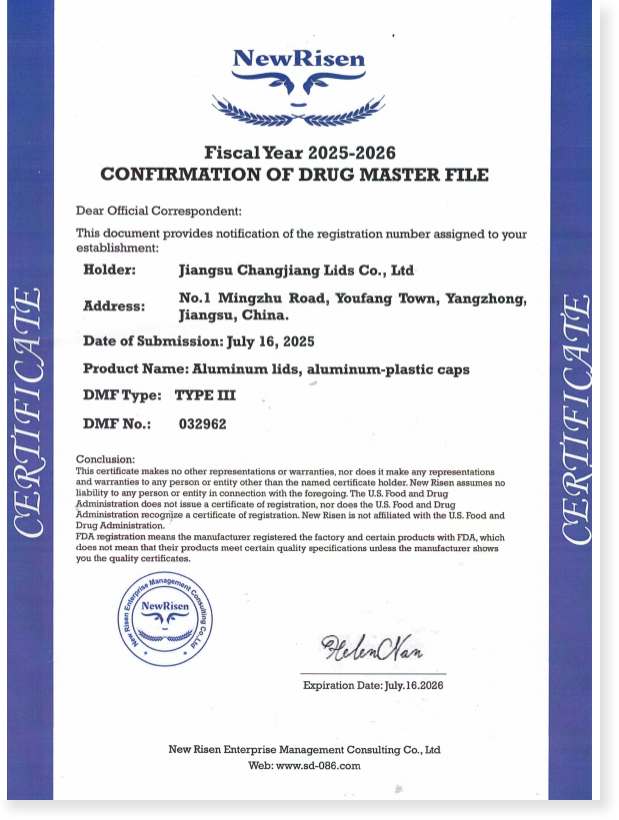
Jiangsu Changjiang Lids Co., Ltd. provides Certificate of Analysis (CoA), material safety data, raw material certifications, dimensional drawings, GMP compliance certificates, and ISO 9001 certification documentation. Specific documentation packages for drug master file (DMF) or Type III DMF (container closure system) submissions can be discussed with the technical team.