
 English
 русский
 简体中文



Home / News / Industry News / Heat Induction Seal in Pharmaceutical Packaging: Process, Caps, and Quality Control
Heat Induction Seal in Pharmaceutical Packaging: Process, Caps, and Quality Control
2026.10.02
Content
A filling line running 200 vials per minute stops suddenly. Every cap in the last batch has a loose foil liner, and the leak test fails. The culprit is rarely the cap itself. Nine times out of ten, the heat induction seal process is out of tune. Heat induction sealing is not a simple heat application. It uses an electromagnetic field to generate heat inside the cap, melting a polymer layer and bonding an aluminum foil liner to the container rim. When the field strength, dwell time, or cap torque drifts, the seal fails silently. This article explains how induction sealing works, where it goes wrong, and how to select caps and liners that match your filling line.
How Heat Induction Sealing Works
An induction sealing head contains a coil that carries high-frequency alternating current. This creates a magnetic field. When a capped container passes under the head, the field induces eddy currents in the aluminum foil liner inside the cap. The foil heats up in milliseconds. A polymer coating on the foil melts and bonds to the container lip. After the container leaves the field, the polymer cools under the pressure of the cap, forming a hermetic seal.
This process differs from conduction heat sealing. Conduction sealing uses heated platens or rollers that touch the cap or container. It transfers heat from the outside in. Induction sealing heats only the foil, so the cap and the product stay cooler. For heat-sensitive biologics, vaccines, and antibiotics, that difference protects the drug. It also reduces the risk of cap deformation and product spoilage.
Typical induction sealing parameters for pharmaceutical lines include a frequency of 20 to 100 kHz, power output of 1 to 6 kW, and dwell time of 0.5 to 3 seconds. Cap torque usually falls between 15 and 25 inch-pounds for 20 mm vials and 20 to 35 inch-pounds for 28 mm or larger closures. A tolerance of plus or minus 2 inch-pounds is common. Liner foil thickness ranges from 0.5 to 1.5 mm. Every container, cap, and liner combination needs its own validation.
Critical Parameters and Failure Points
Induction sealing fails when one or more parameters move outside the validated window. The table below lists common parameters, typical ranges, and the defects that appear when they drift.
| Parameter | Typical Range | Failure Mode if Out of Range |
|---|---|---|
| Power output | 1 to 6 kW | Low power causes weak or incomplete seals; high power chars the liner or warps the cap. |
| Dwell time | 0.5 to 3 seconds | Short dwell leaves the polymer unmelted; long dwell overheats the foil and damages the product. |
| Cap torque | 15 to 35 inch-pounds | Low torque allows the cap to lift during heating; high torque deforms the cap and crushes the liner. |
| Liner foil thickness | 0.5 to 1.5 mm | Thin foil heats too fast; thick foil needs more power and may not bond evenly. |
| Cooling time | 1 to 5 seconds | Short cooling lets the seal shift before it sets; long cooling slows the line without benefit. |
Other defects include foil stuck inside the cap, seal leakage, and loose caps after sealing. Foil stuck in the cap usually means the liner wax or adhesive is incompatible with the process temperature. Leakage often comes from a contaminated container lip or a misaligned liner. Loose caps can result from low application torque or from the cap backing off during cooling.
Test every batch with at least three methods. A dye penetration test reveals channel leaks. A vacuum decay test measures container closure integrity. A peel test checks the bond strength between the foil and the container. For sterile products, burst pressure testing adds another layer of confidence. Document the results and keep them with the batch record.
Matching Caps and Liners to Your Container
The cap and liner must match the container finish, the filling line speed, and the drug formulation. Injection vials usually use 20 mm or 13 mm aluminum caps with pullring or tear-off openings. A pullring cap lets nurses open the vial without tools, which matters in emergency rooms and intensive care units. The foil liner inside must be positioned flat against the vial lip. Any tilt creates a leak path.
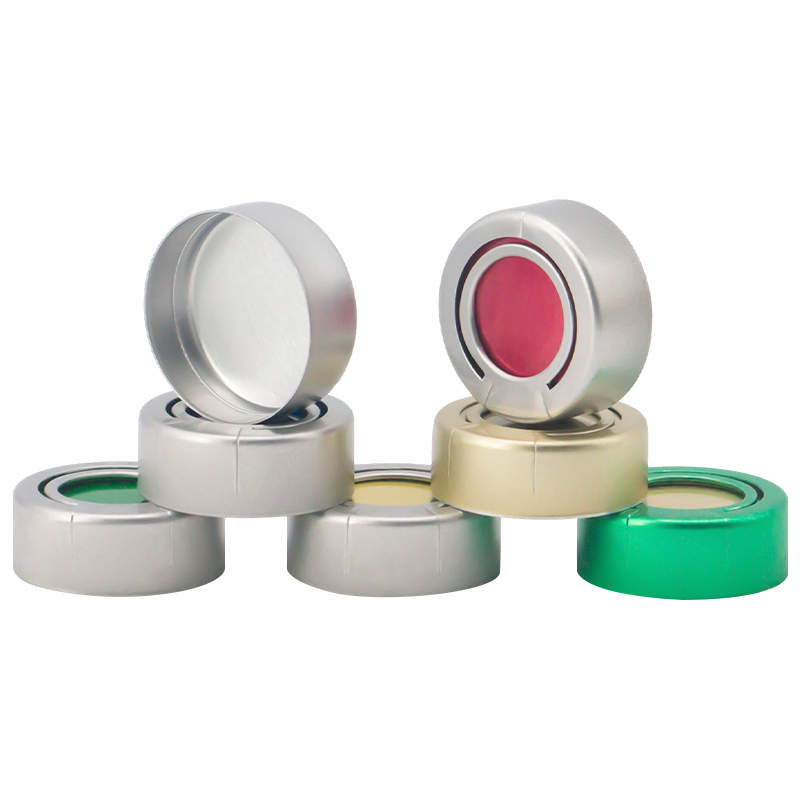 Aluminum Pull-Ring CapA tamper-evident aluminum seal designed for injection vials. It features an integrated pull-ring that, when pulled, removes the entire aluminum cap cleanly from the vi...View Product →
Infusion bottles are larger and heavier. They need caps that stay secure during autoclaving and transport. Bridge-type aluminum-plastic caps combine an aluminum shell with a plastic top. The bridge structure gives a strong grip and a clean opening. These caps work well with induction sealing because the plastic top does not interfere with the magnetic field. The liner bonds to the glass or plastic bottle finish.
 Bridge Type Aluminum-Plastic CapA specialized sealing cap designed for infusion bottles, consisting of a bridge-type aluminum cap and a plastic cap.View Product →
Oral liquid bottles often use screw caps. A screw cap provides a resealable closure after the induction seal is broken. The liner must bond to the bottle neck without leaving residue. For pediatric syrups and cough preparations, a tight seal prevents evaporation and contamination. The cap torque must be high enough to hold the liner in place but low enough for a patient to open.
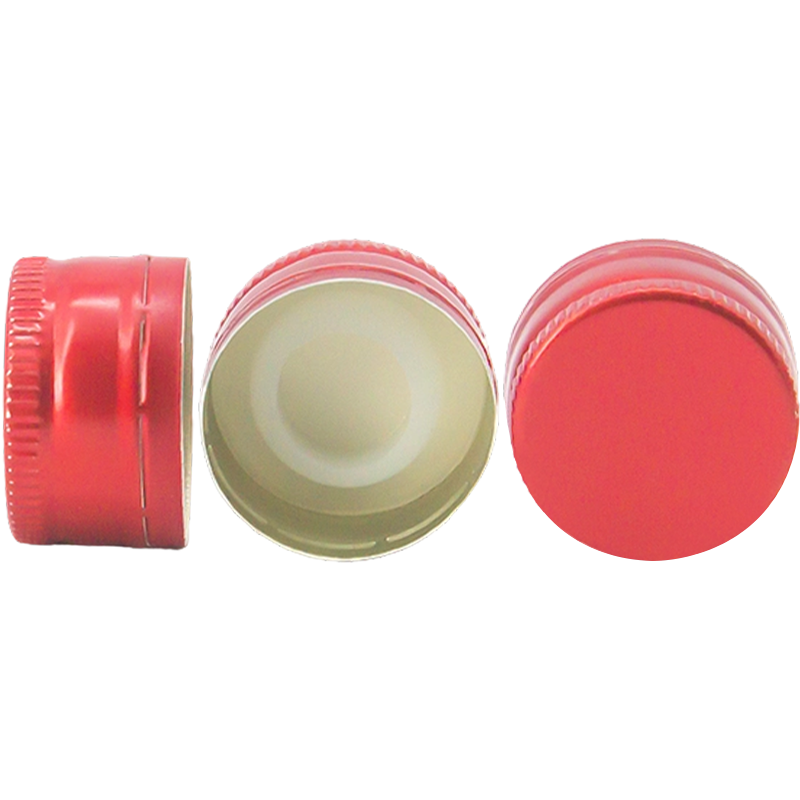 Aluminum Screw CapA cost-effective and durable sealing solution designed for oral liquid bottles. Made from a single piece of aluminum, it forms a secure thread by crimping onto the bot...View Product →
Euro PP caps and other plastic closures also support induction sealing when they include a foil liner. Confirm that the cap material can withstand the heat generated in the foil. Some plastics soften or deform at sealing temperatures. Always request liner samples and run a trial with your actual product.
For a detailed breakdown of cap types, see our complete guide to aluminum caps for pharmaceutical vials.
Quality Control and Regulatory Expectations
Pharmaceutical packaging falls under strict regulations. In the United States, the Food and Drug Administration expects container closure integrity for sterile products. In Europe, Annex 1 of the Good Manufacturing Practice guidelines covers sterile manufacturing. Both frameworks require documented validation of the sealing process. That means written procedures for setup, operation, and monitoring of the induction sealer.
The cap supplier also plays a role. Caps should be produced in a controlled environment. Jiangsu Changjiang Lids Co., Ltd. operates C plus A grade cleanrooms and follows GMP and ISO 9001 requirements. The company produces aluminum caps, aluminum-plastic caps, and Euro PP caps with an annual capacity of 3 billion aluminum caps and 800 million polypropylene caps. These capabilities support the level of cleanliness and traceability that pharmaceutical buyers need.
When you audit a cap supplier, ask for certificates of analysis for each lot. Confirm the liner material meets USP Class VI or equivalent biocompatibility standards. Check that the supplier validates the induction seal with your specific container. A generic seal validation is not enough. The container finish, the cap torque, and the line speed all change the outcome.
Procurement Considerations and Risk Reduction
Buying caps for induction sealing is not a simple price comparison. A lower-cost cap may save a fraction of a cent per unit, but a failed seal can cost thousands in rejected batches. Consider these factors before you place an order.
- Request liner samples and run a line trial at three different torque settings.
- Ask for the recommended induction sealing window for your container finish.
- Confirm the minimum order quantity and lead time for both caps and liners.
- Check whether the supplier offers OEM customization for cap color, logo, or liner type.
- Review the supplier's cleanroom classification and quality certificates.
- Test the seal after simulated transport and accelerated aging.
Storage also matters. Caps and liners should stay in sealed bags until use. Humidity can affect the wax and polymer layers. Dust on the liner prevents a uniform bond. Set up a controlled staging area near the filling line and train operators to handle caps with clean gloves.
Contact our team to discuss your sealing requirements and request samples. We can help you match the right cap and liner to your filling line and product.
Heat induction sealing is a system, not a single component. The sealing head, the cap, the liner, the container, and the filling line all interact. A perfect cap with the wrong torque will leak. A perfect torque with the wrong liner will char or fail to bond. Start with a validated parameter window, test every batch, and choose caps from a supplier who understands pharmaceutical requirements. That approach protects your product, your patients, and your production schedule.
Related products
-
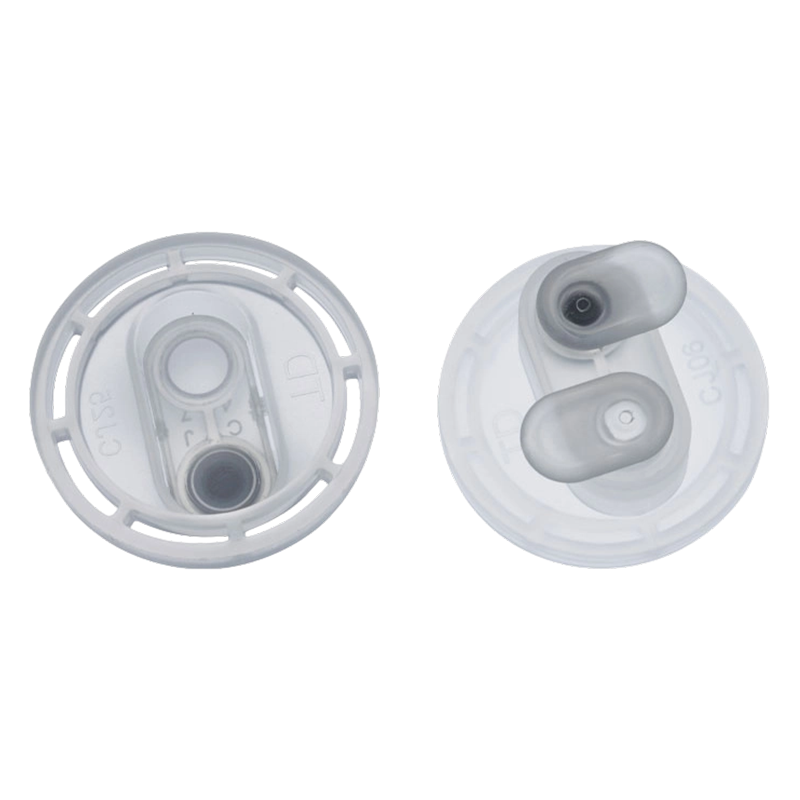
A standardized dual-port polypropylene cap designed for infusion and solution bottles. This integrated solution ensures reliable closure and provides two distinct, self-sealing access points for safe ...
View More -
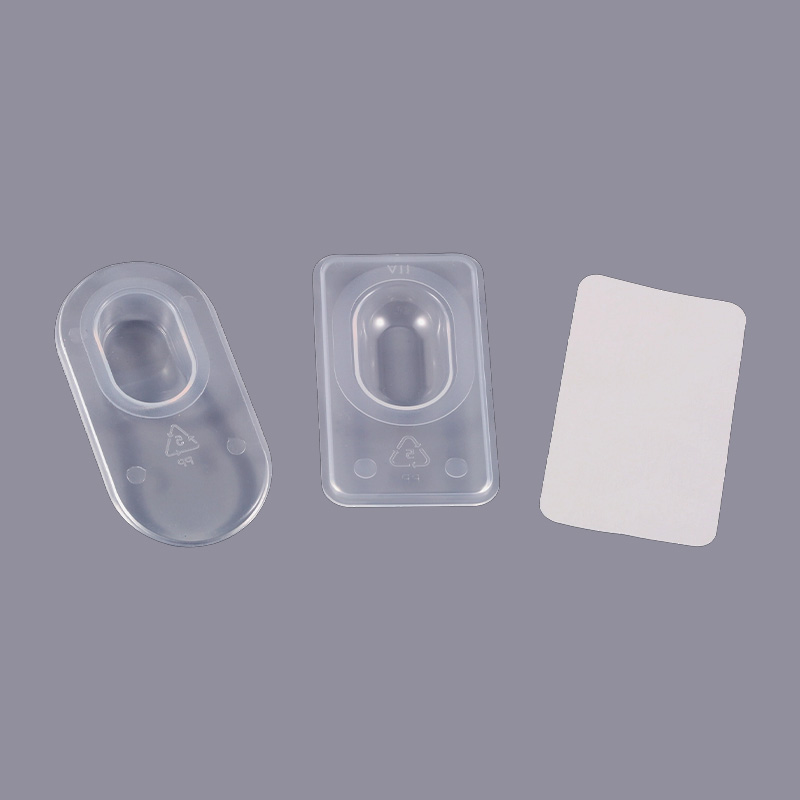
A protective and sterile packaging solution designed for contact lens storage. The polypropylene (PP) container with an integrated foil seal ensures product integrity, moisture retention, and contamin...
View More -
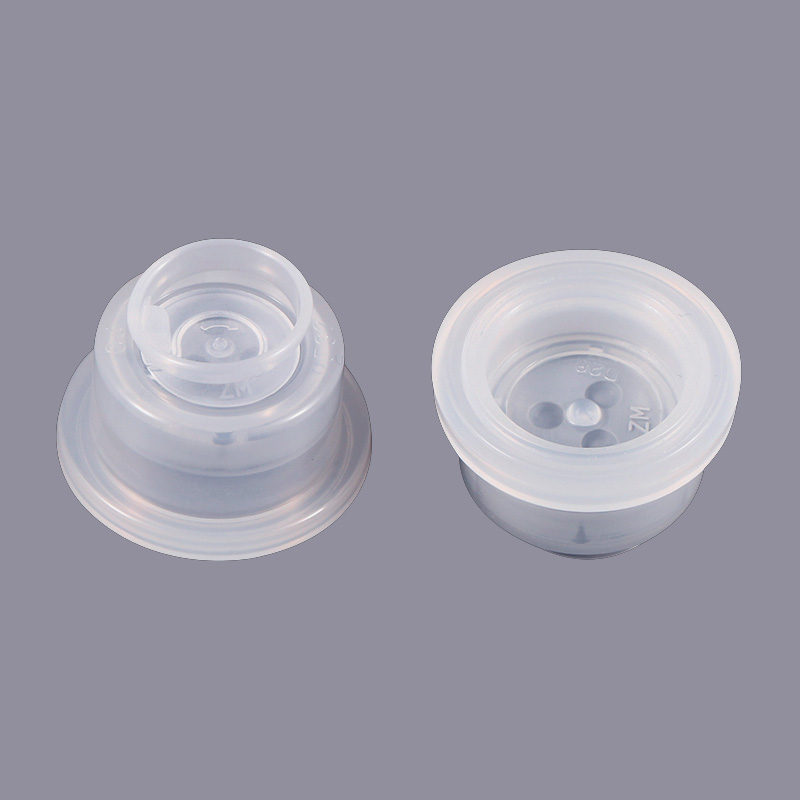
A standardized pull-ring polypropylene cap designed for infusion and solution bottles. This tamper-evident solution ensures reliable closure and provides an integrated pull-ring for safe, tool-free ac...
View More -
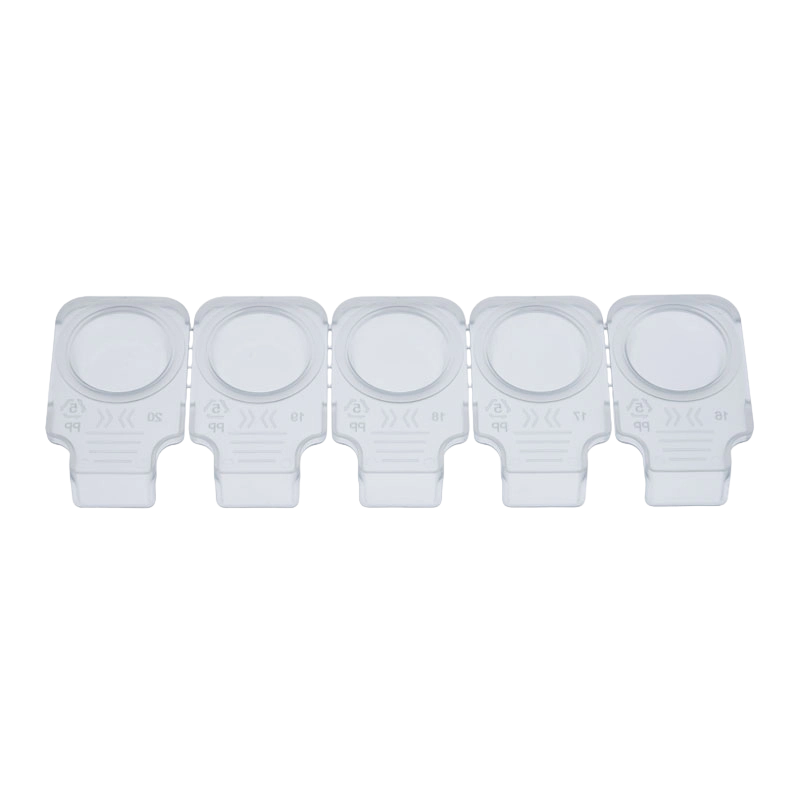
A protective and sterile packaging solution designed for contact lens storage. The polypropylene (PP) container with an integrated foil seal ensures product integrity, moisture retention, and contamin...
View More -
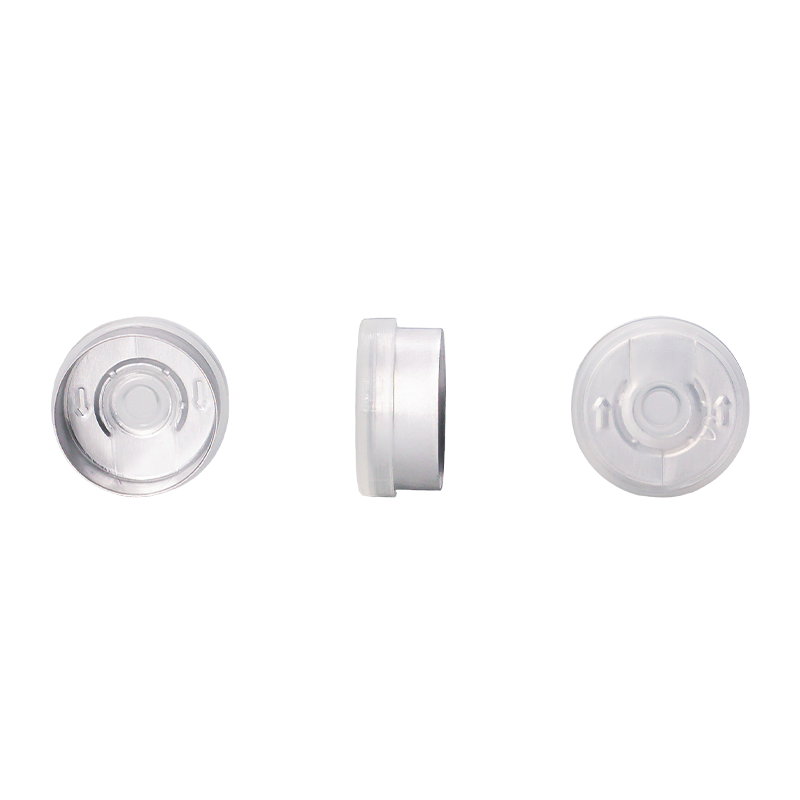
A specialized sealing cap designed for oral liquids. It features an easy-tear design on the aluminum cap, allowing users to open it quickly and reliably, with a near 100% opening success rate. Key App...
View More -
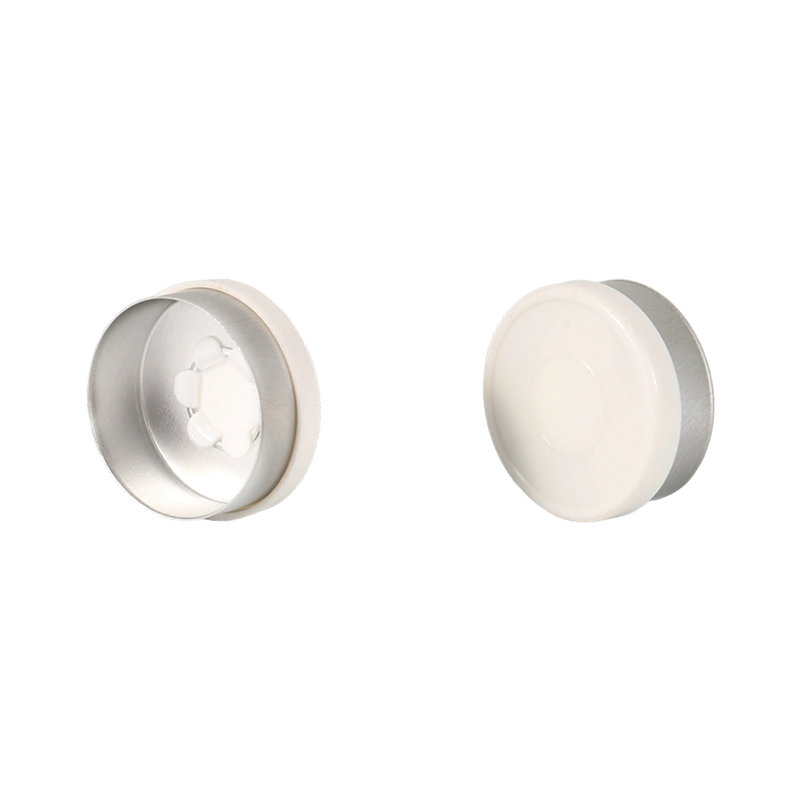
A reliable and tamper-evident sealing solution designed for standard injection vials. It ensures container seal integrity and safe needle access for liquid medications. A professional sealing componen...
View More
-
Get In Touch
 +86 511 8813 2922
 +86 139 5290 2286
 lilian@changjianglids.com
 No. 1 Mingzhu Road, Youfang Industrial Park, Yangzhong City, Zhenjiang, Jiangsu, China
The information provided on this website is intended for use only in countries and jurisdictions outside of the People's Republic of China.
-
Product
Aluminum-Plastic Caps Aluminum Caps Euro PP Caps PP Containers for Contact Lens with Foil Seal Plastic Hanger for Infusion Bottle Plastic Jerry Can -
WhatsApp
Chris

-
WeChat
Lilian

Copyright © 2025 Jiangsu Changjiang Lids Co., Ltd. All Rights Reserved.
OEM Pharmaceutical Packaging Manufacturer
Pharmaceutical Cap Supplier
