
 English
 русский


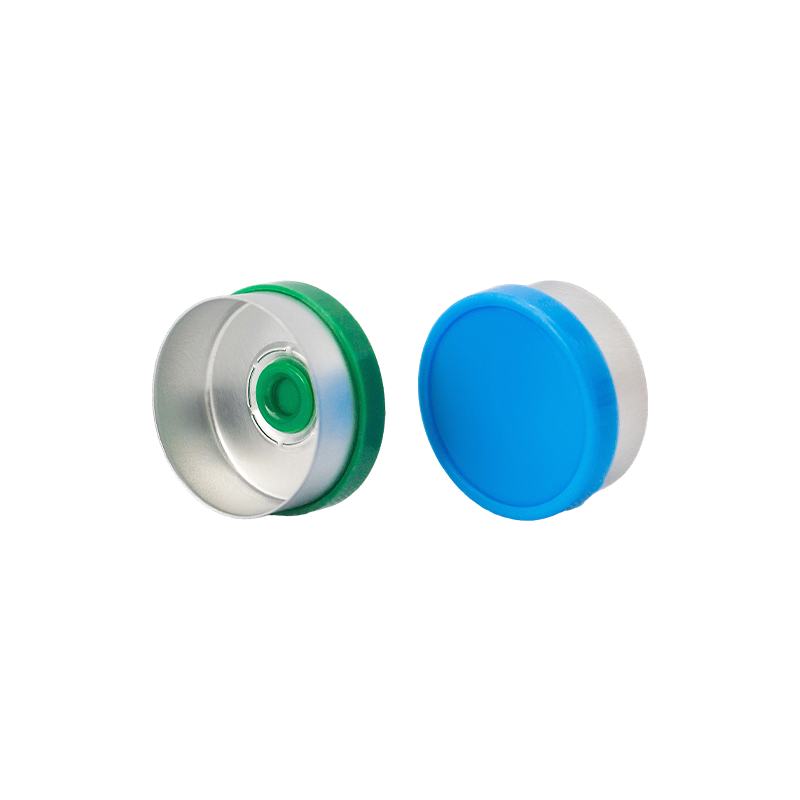
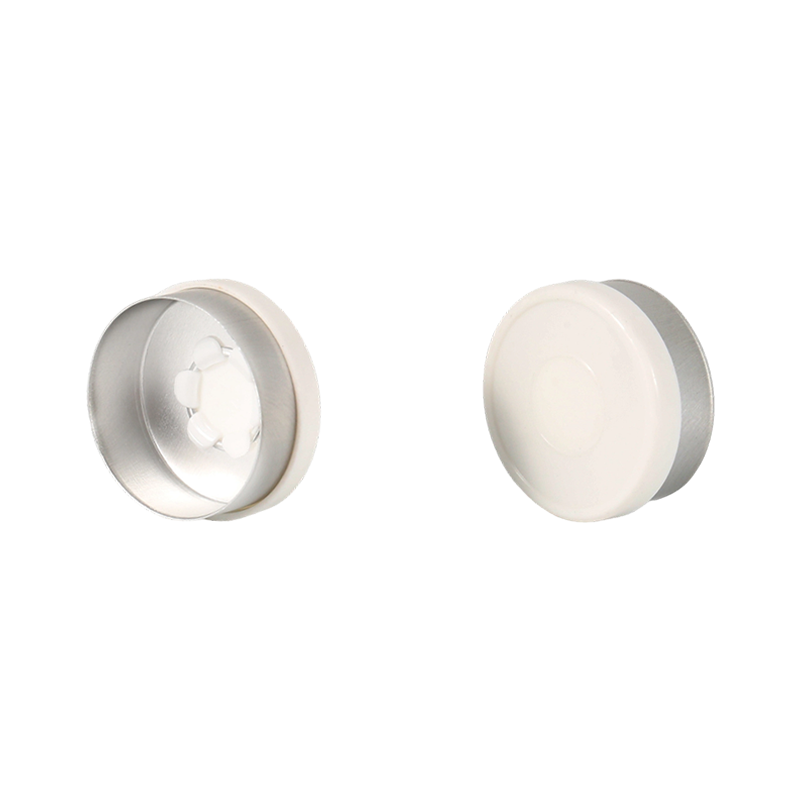
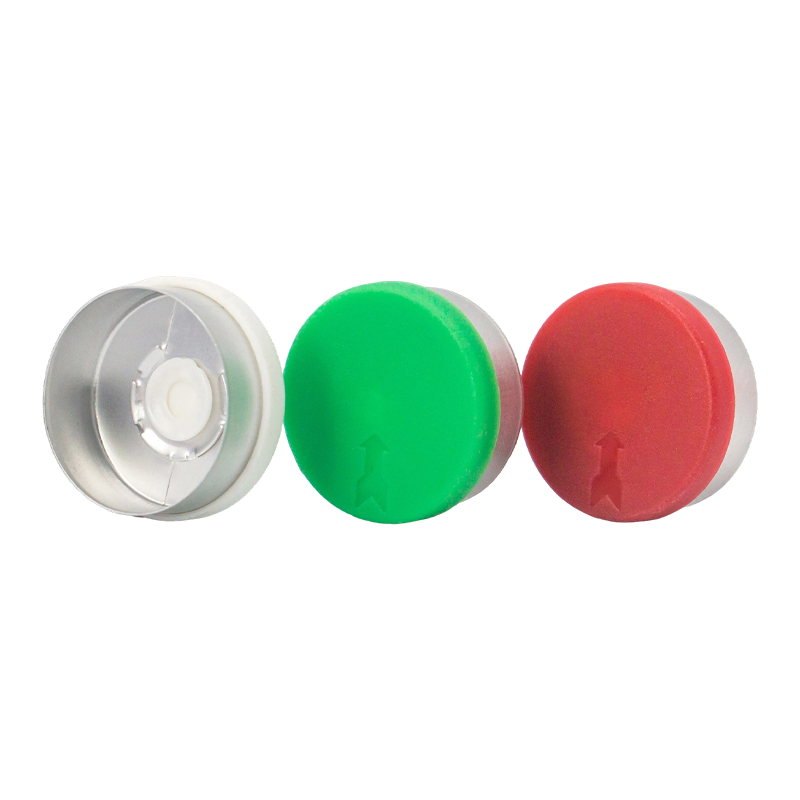
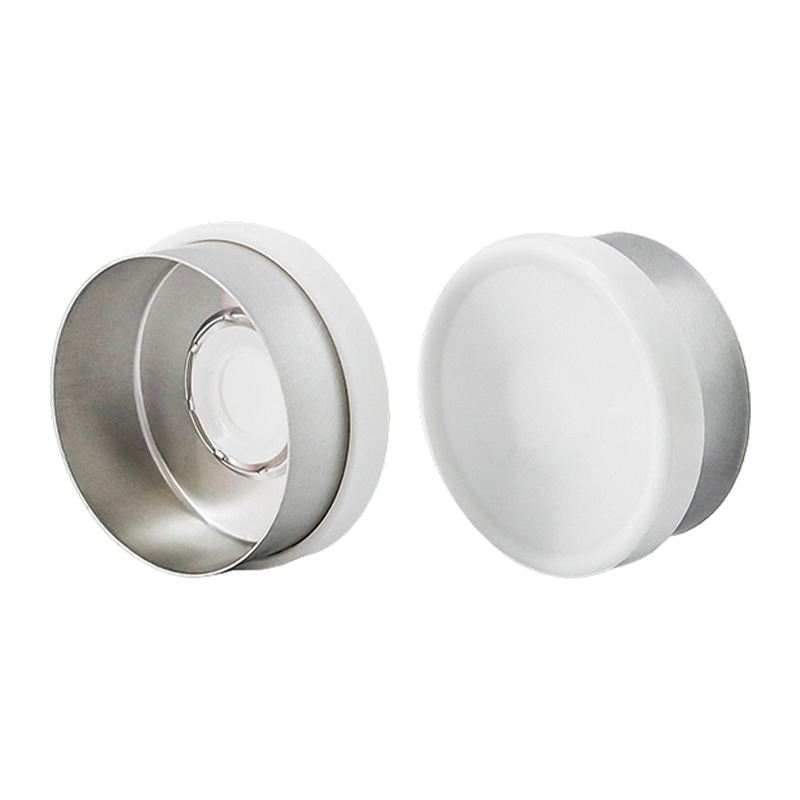
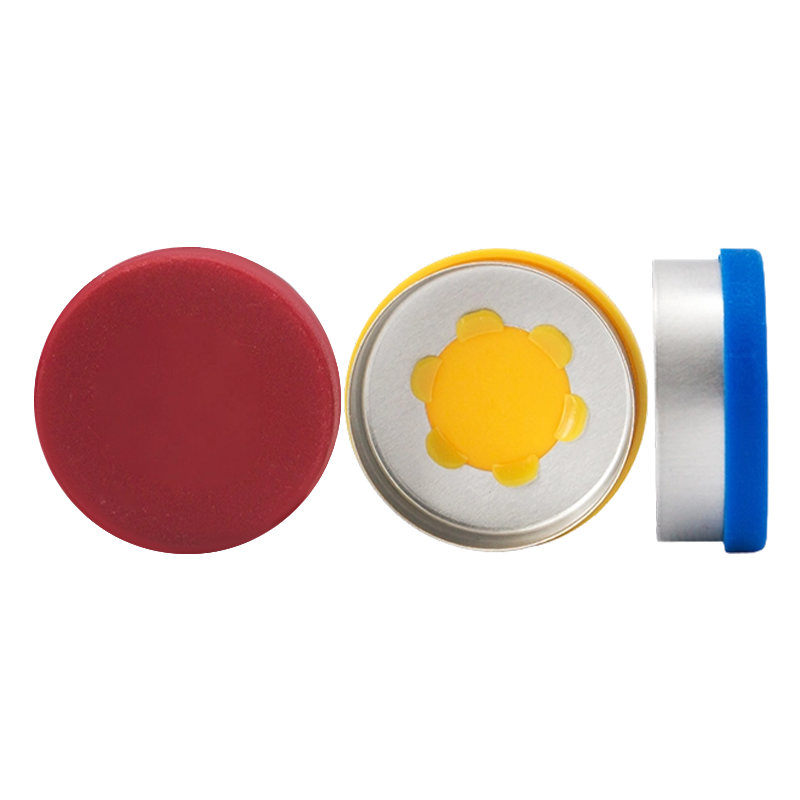
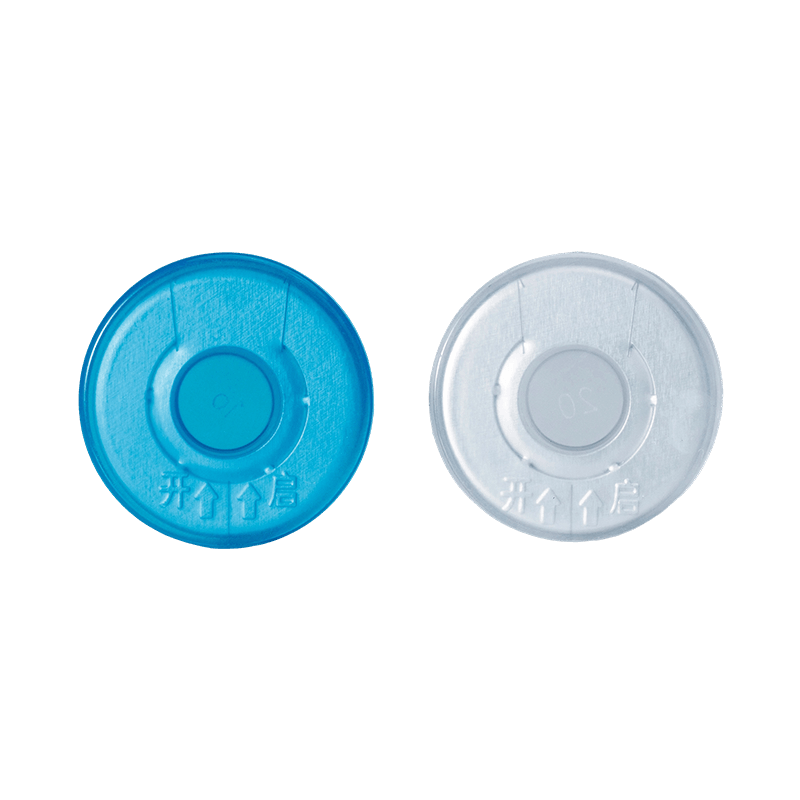
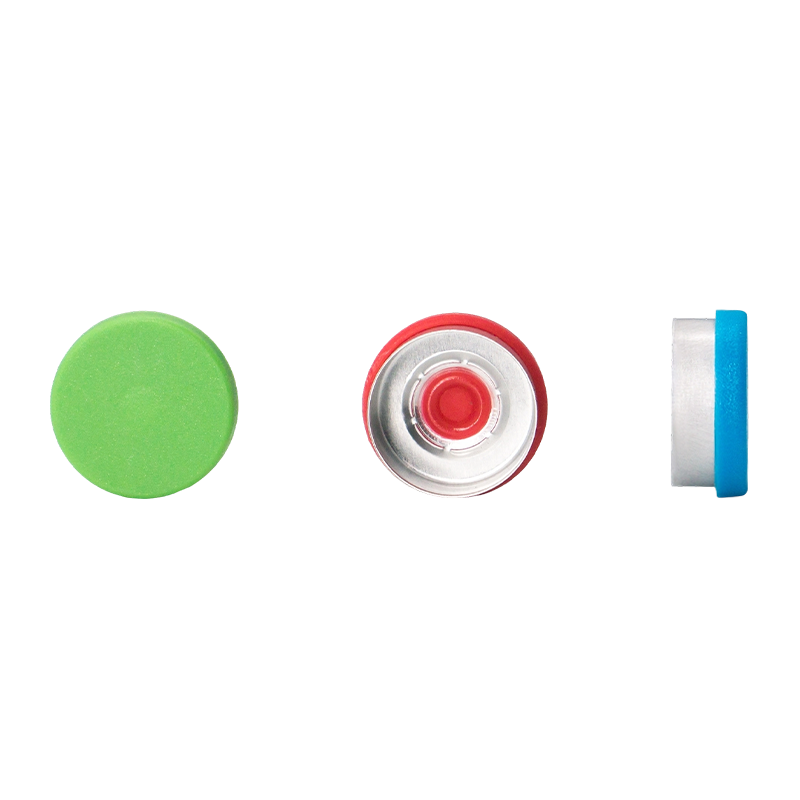
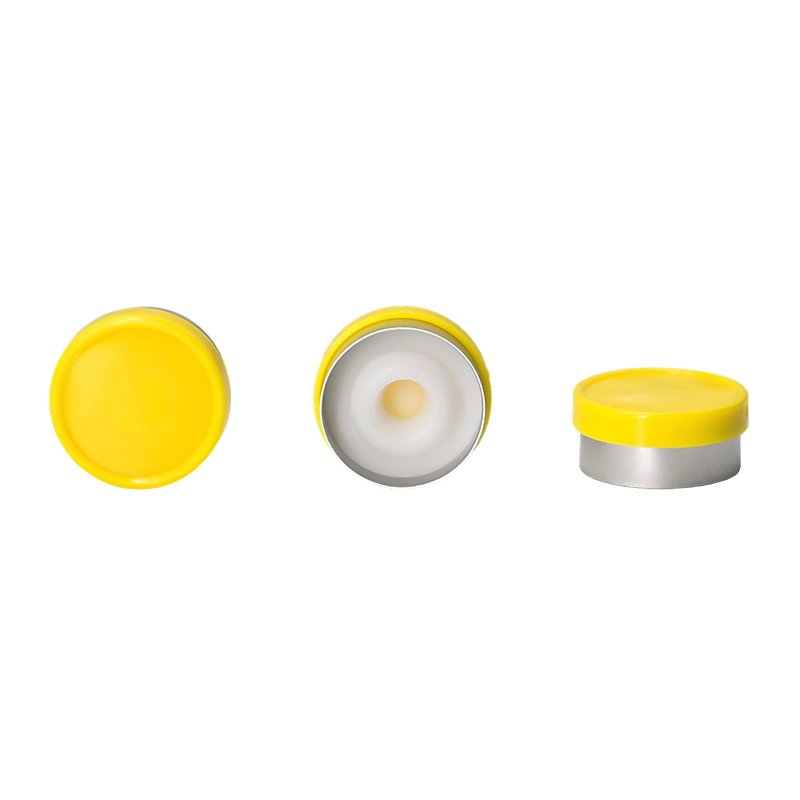
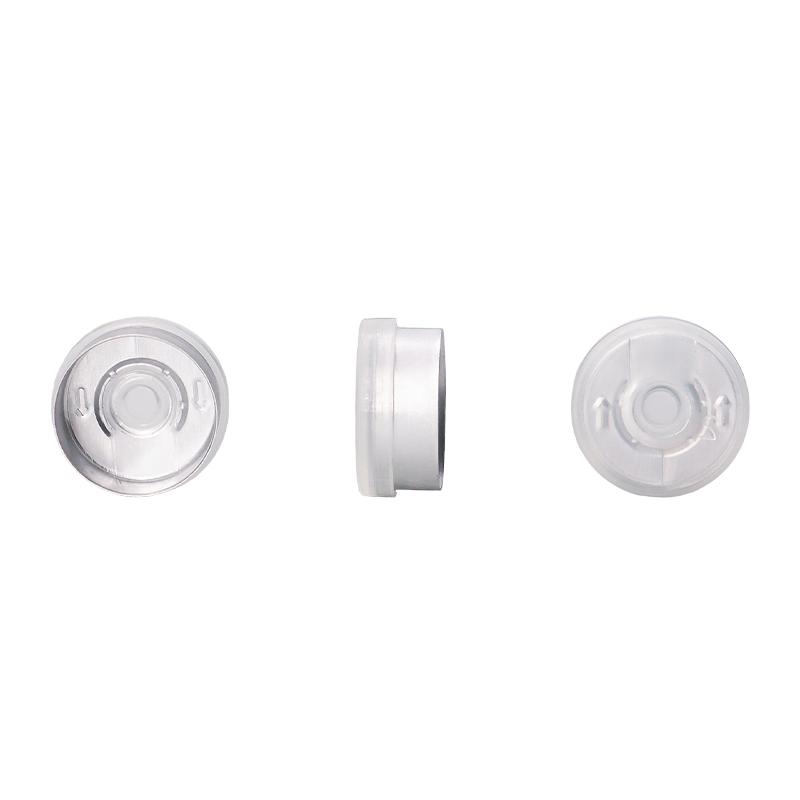
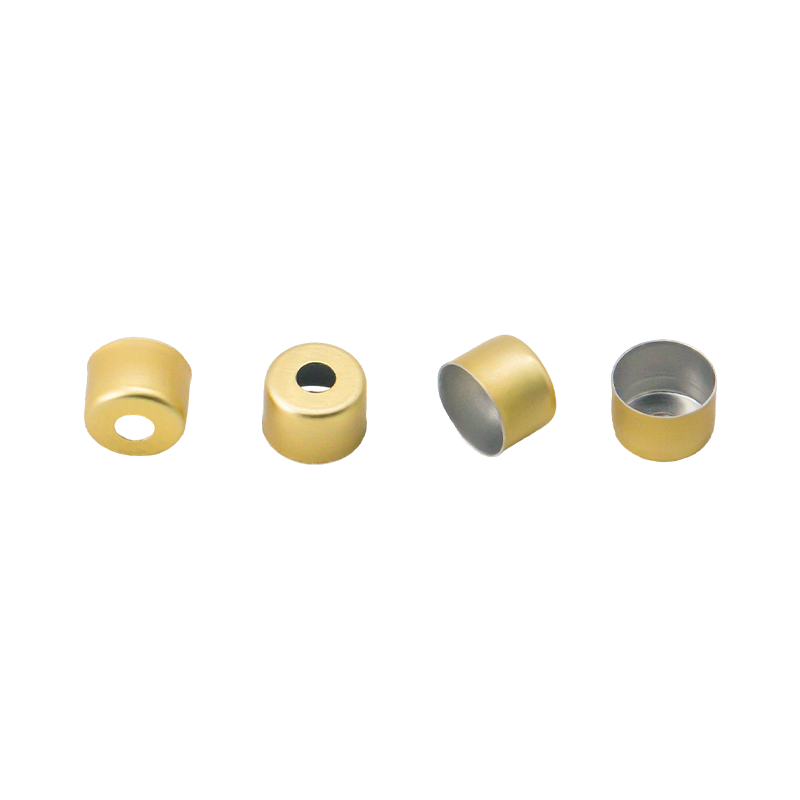
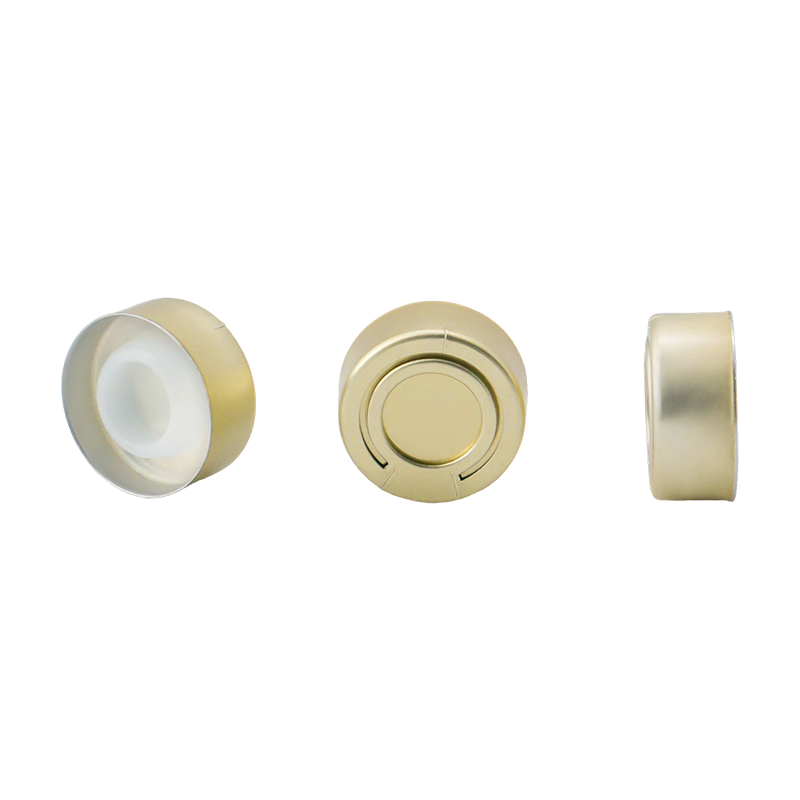
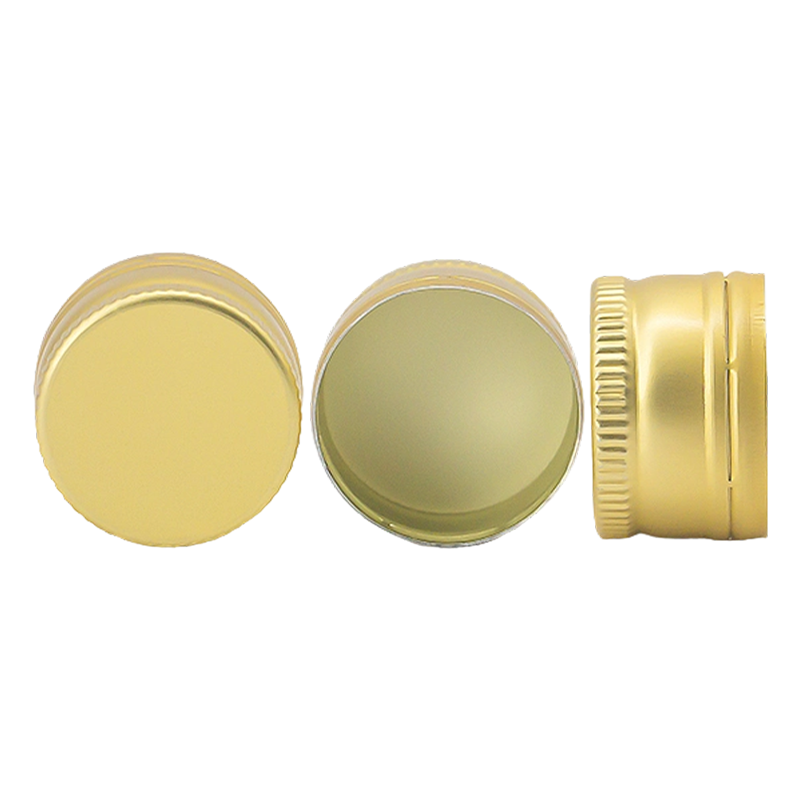
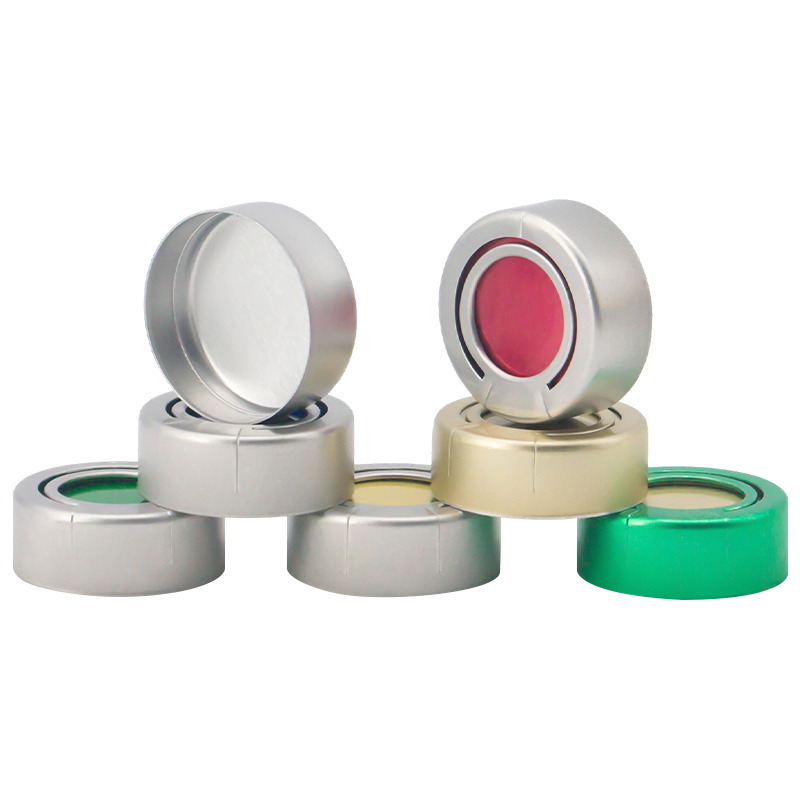
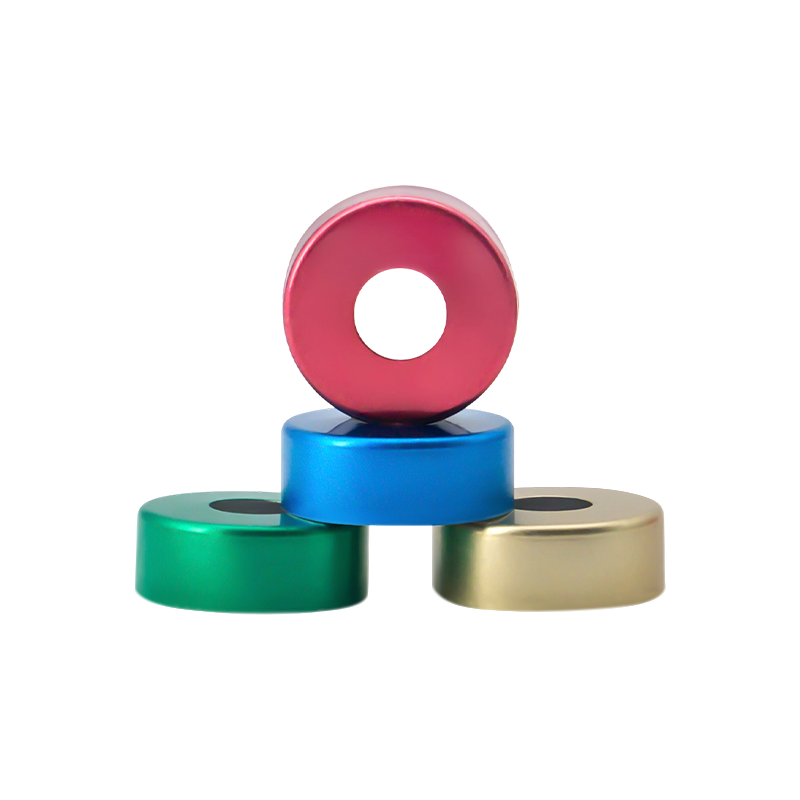
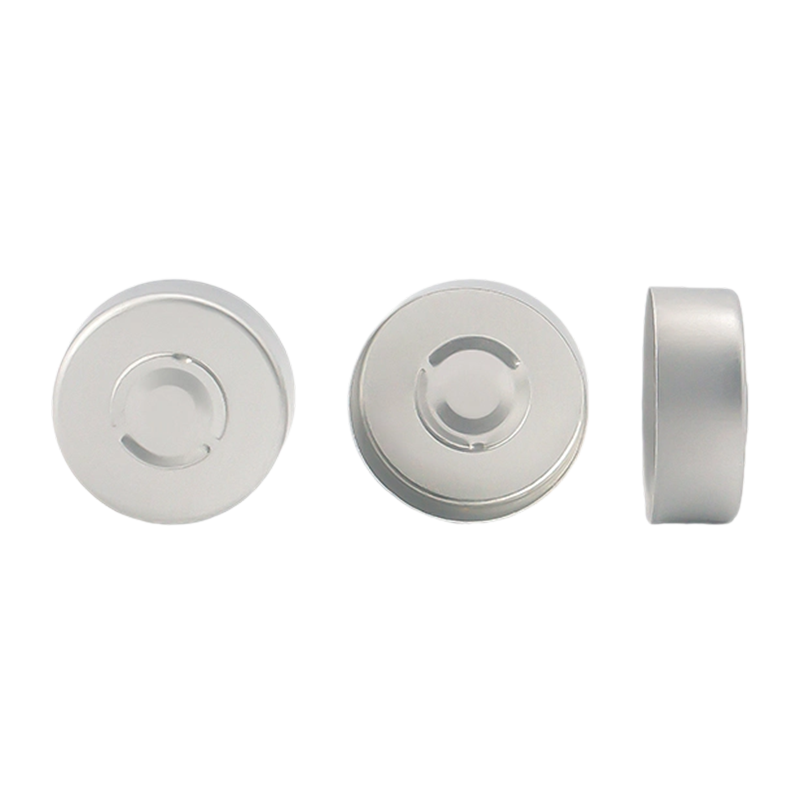
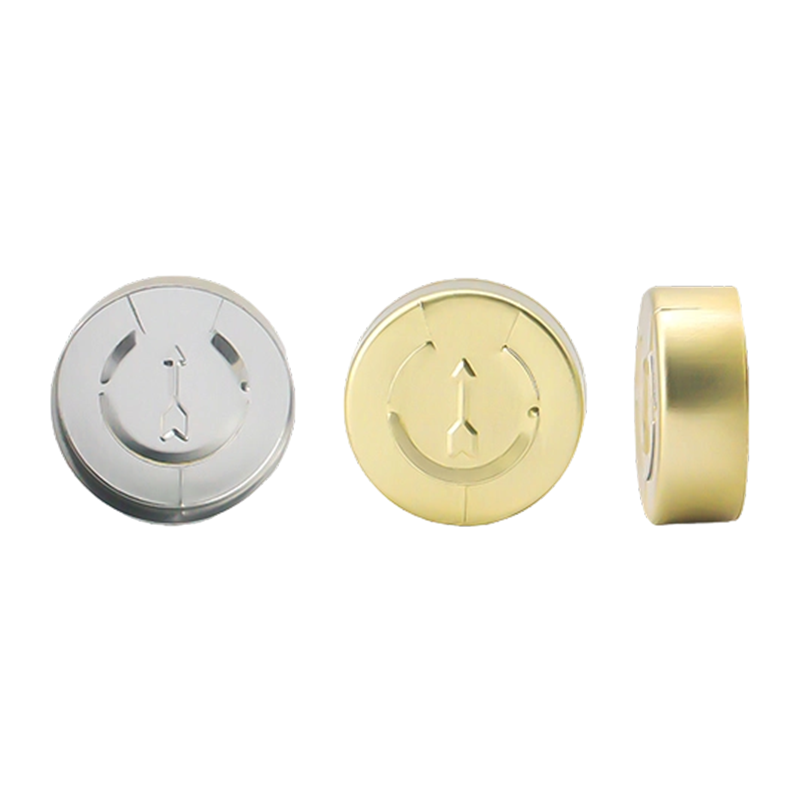
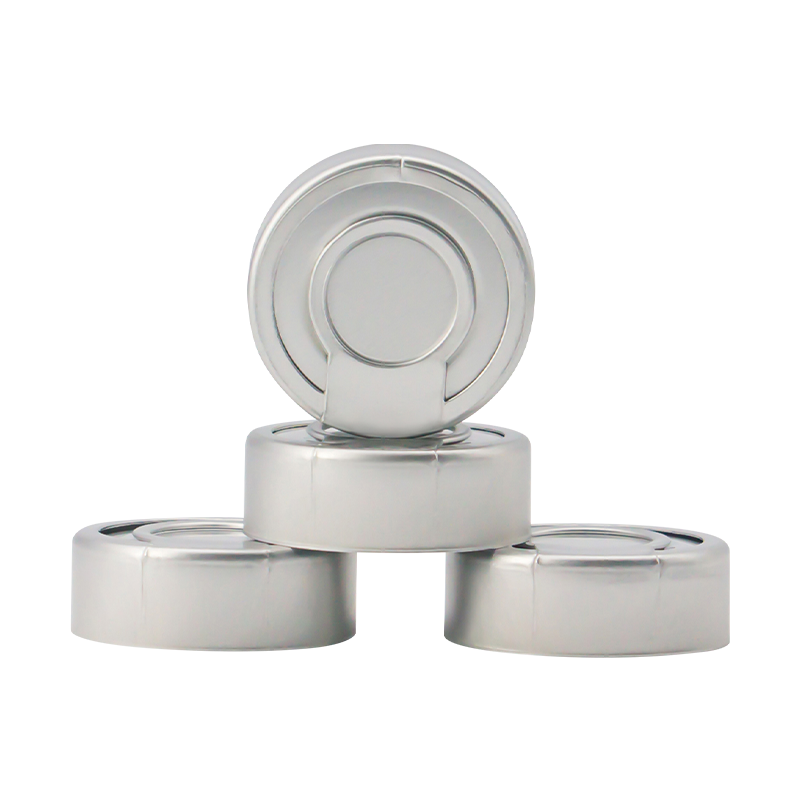
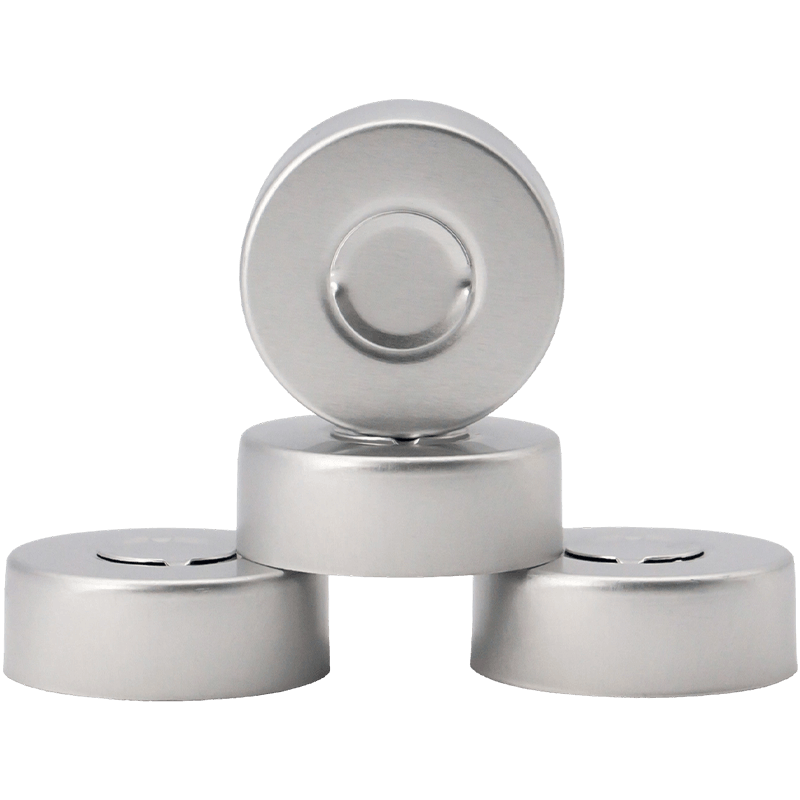
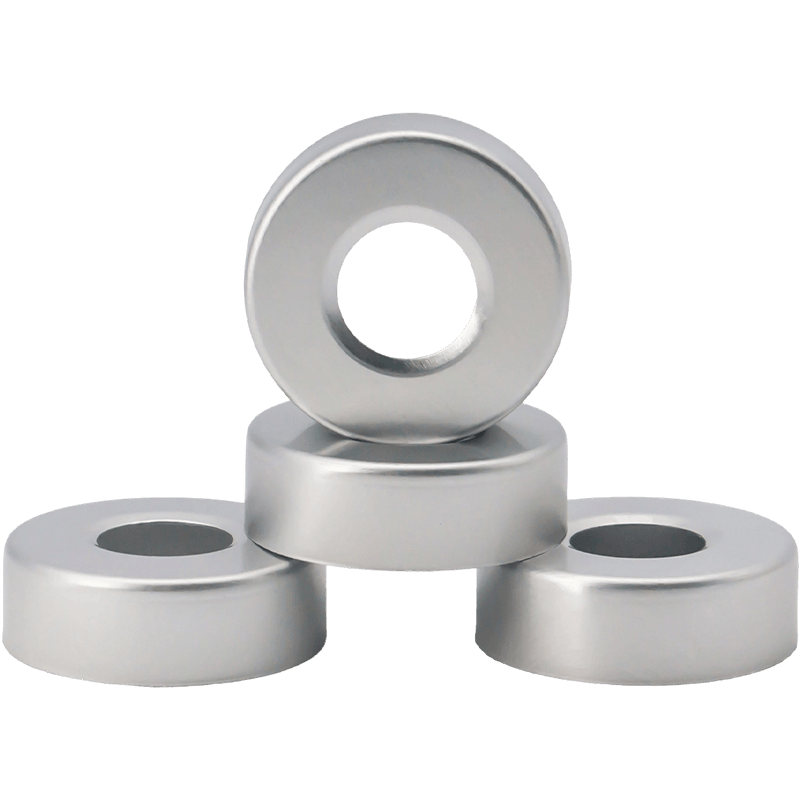
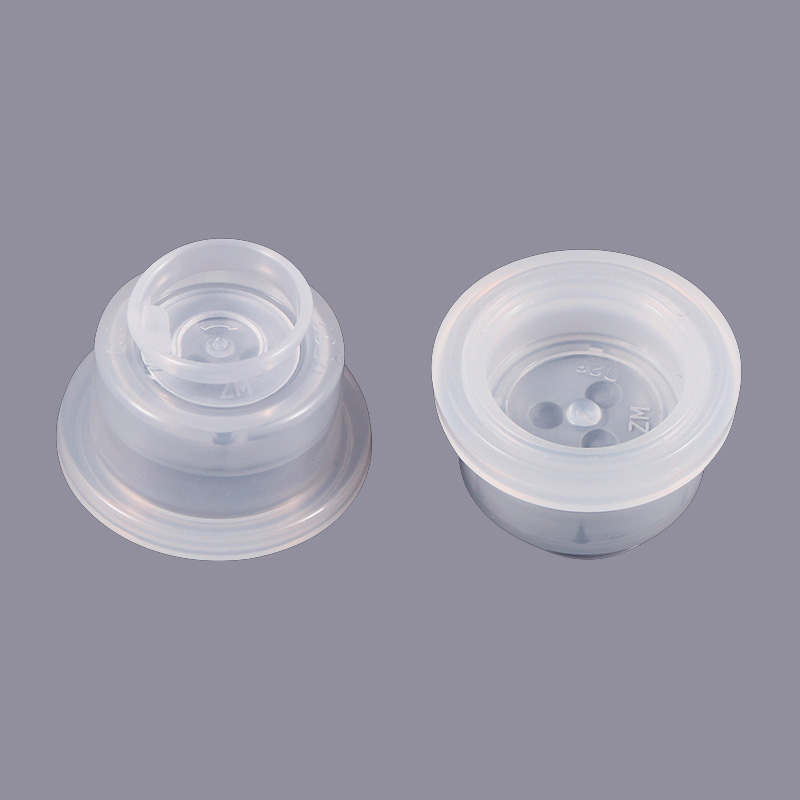
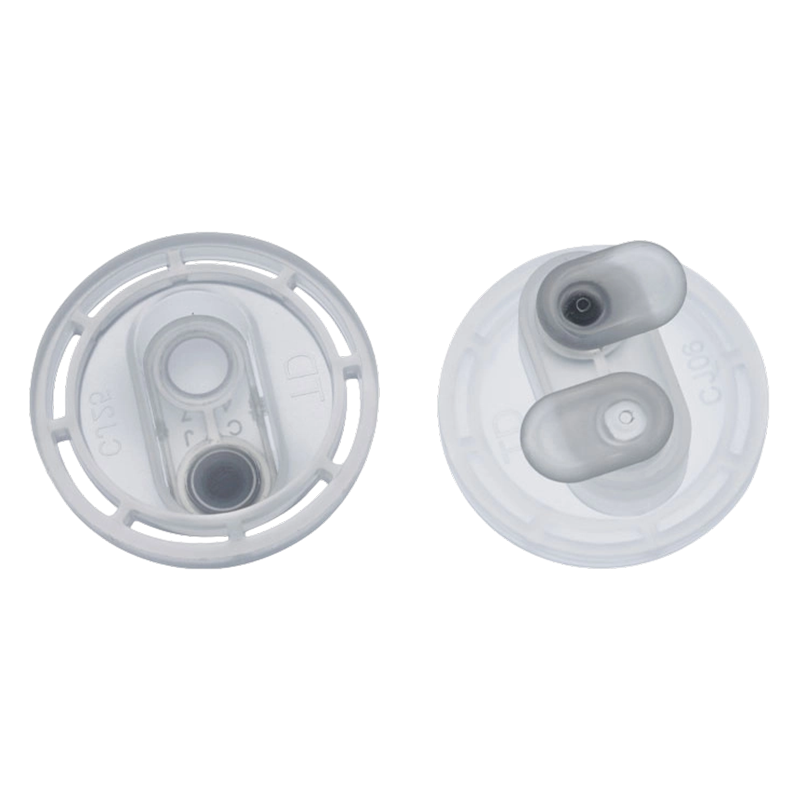
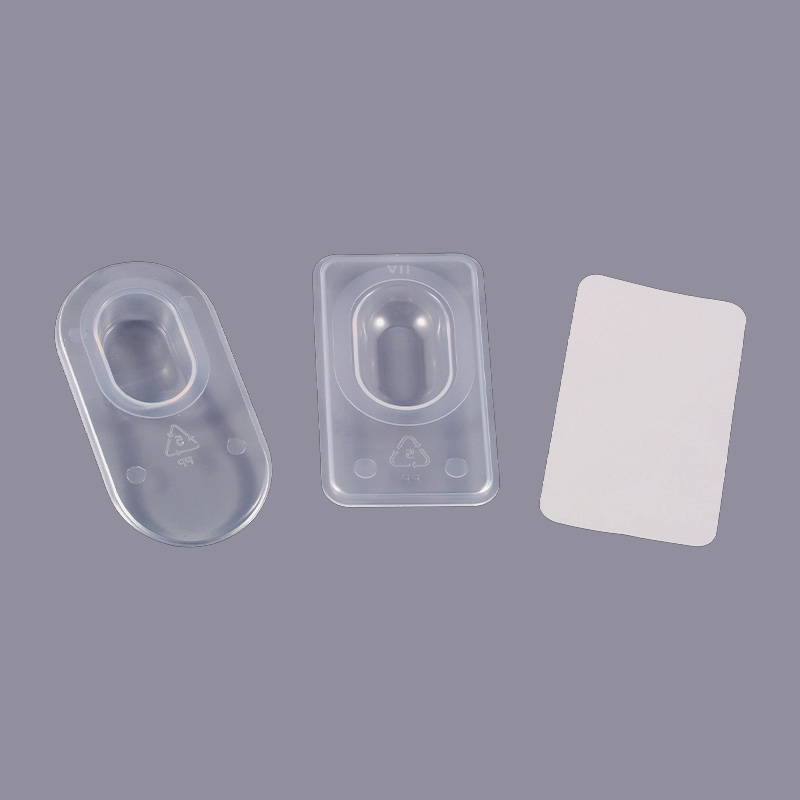
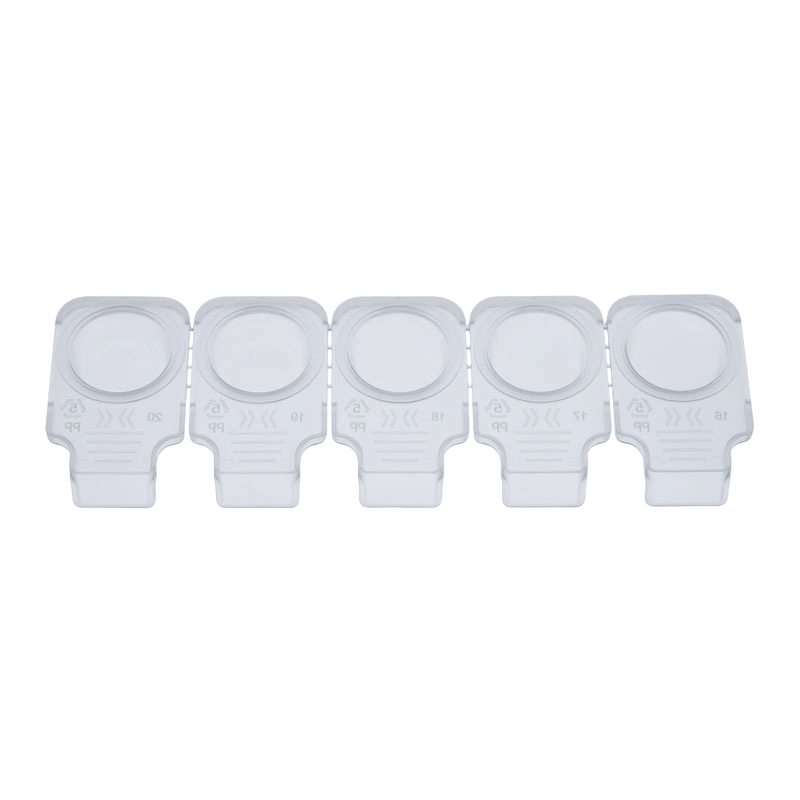


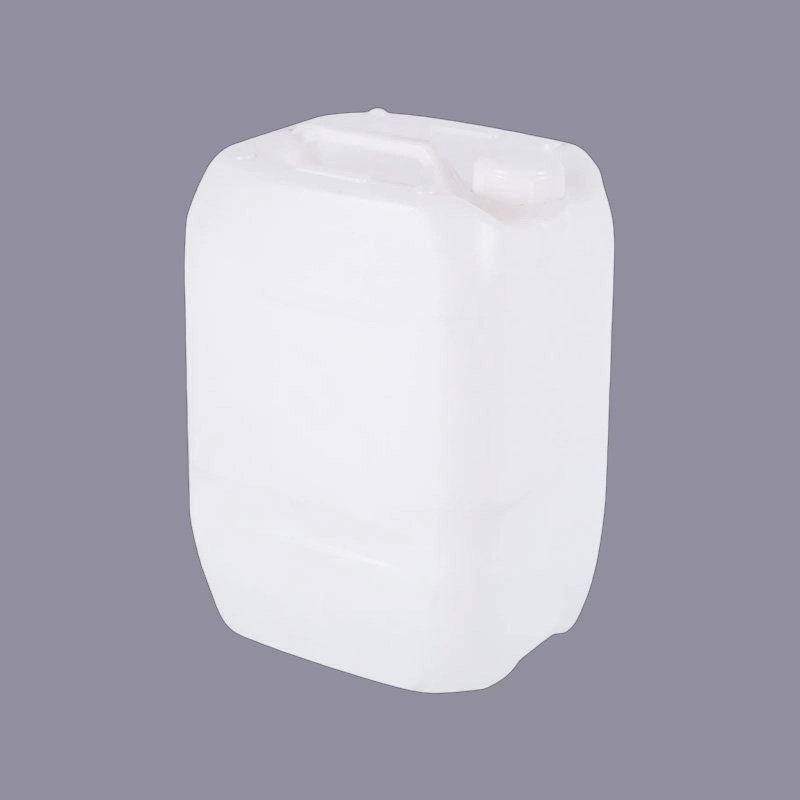
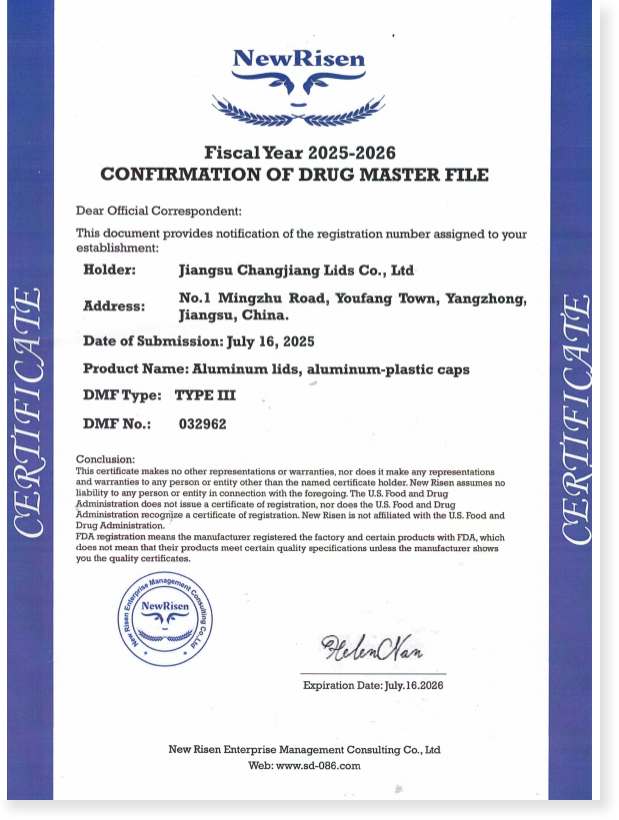
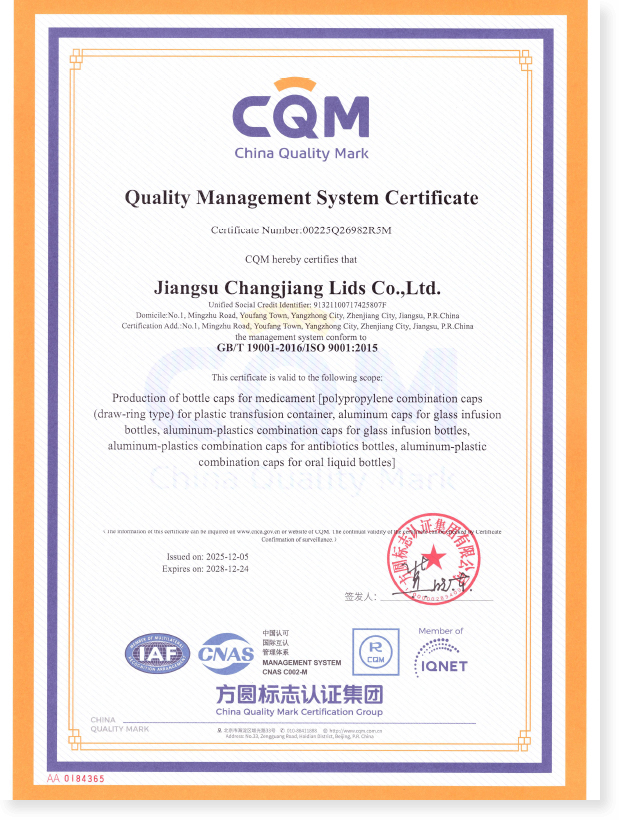
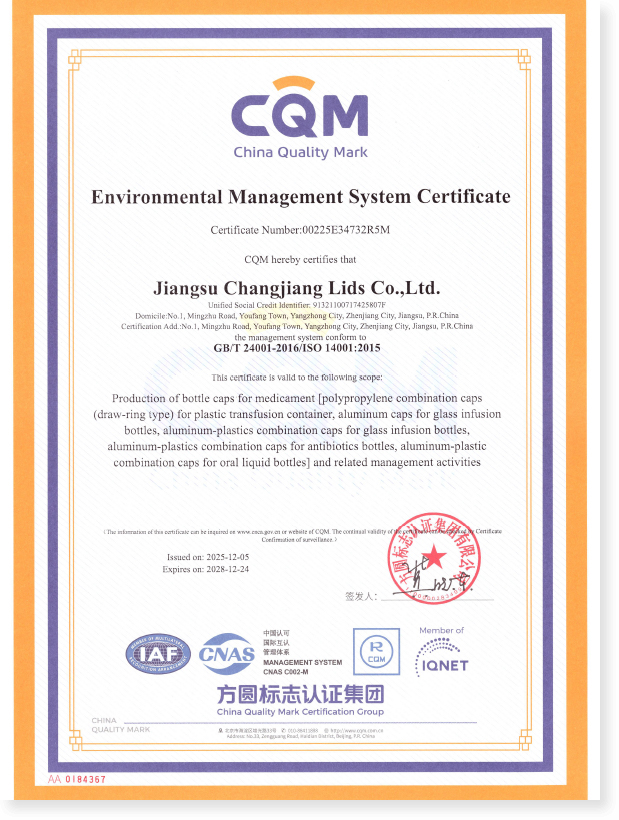
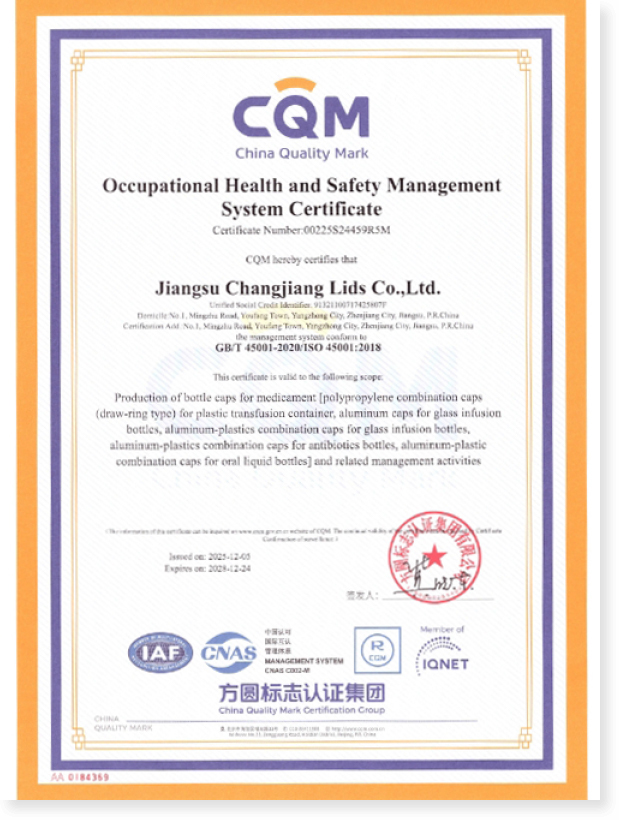
Pharmaceutical Primary Packaging refers to the materials and components that come into direct contact with a drug product or its immediate containment environment. As the first line of protection between a medicinal formulation and the external world, these components must meet exacting standards for chemical inertness, mechanical integrity, microbial barrier performance, and regulatory compliance.
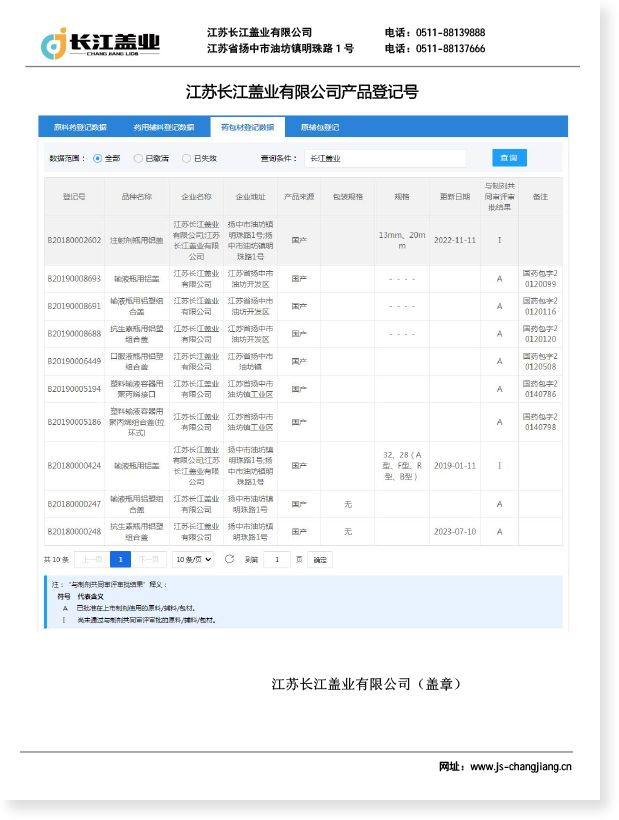
The Pharmaceutical Primary Packaging products covered in this category — including vaccine vial caps, antibiotic vial caps, injection vial caps, oral liquid bottle caps, infusion bottle caps, polypropylene caps for infusion containers, plastic hangers for infusion bottles, and contact lens cases — share a set of defining functional requirements: they must maintain a hermetic seal throughout storage and distribution, resist chemical interaction with the enclosed formulation, and withstand the full range of sterilization and processing conditions used in modern pharmaceutical manufacturing.
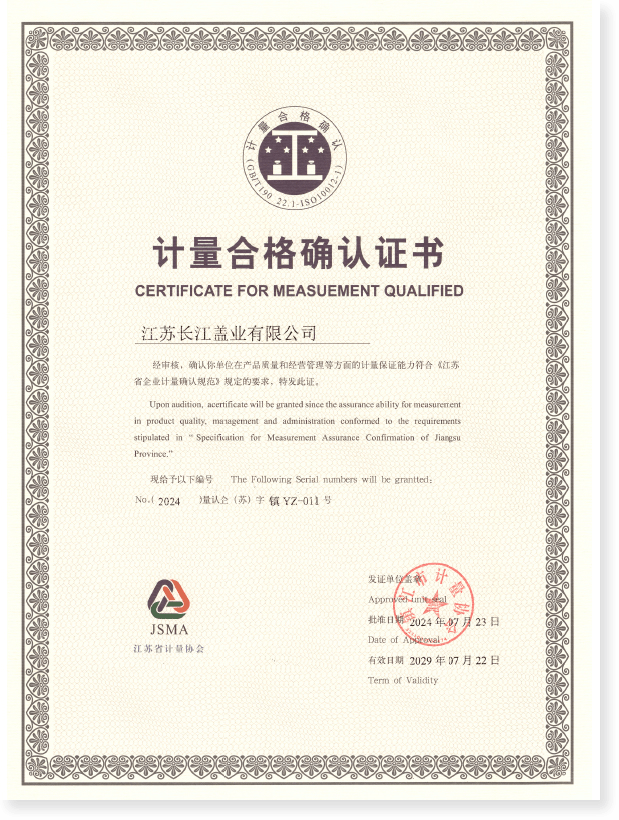
Jiangsu Changjiang Lids Co., Ltd. has been dedicated to this field since 2000, operating under GMP regulations and ISO 9001 quality system requirements from a purpose-built C+A level cleanroom facility in Yangzhong, Jiangsu. With an annual production capacity of 3 billion aluminum and aluminum-plastic caps and 800 million polypropylene caps, the company delivers Pharmaceutical Primary Packaging to pharmaceutical manufacturers and healthcare product producers worldwide.
Core Functions and Performance Requirements
Across all product types in this category, the following performance criteria are universally critical:
- Seal integrity: Prevention of gas exchange, moisture ingress, and microbial contamination throughout the shelf life of the drug.
- Chemical compatibility: No leaching, migration, or adsorption of substances that could affect drug potency, safety, or stability.
- Mechanical strength: Resistance to deformation, cracking, and seal failure under crimping, transport vibration, and temperature cycling.
- Sterilization compatibility: Compatibility with EtO, gamma irradiation, autoclave, or other validated sterilization methods used by the pharmaceutical manufacturer.
- Regulatory traceability: Full documentation support for drug master file (DMF) submissions and pharmacopoeia compliance (USP, EP, ChP).
- Cleanroom manufacturing: Production in controlled environments to minimize particulate and bioburden levels prior to sterilization.
These shared requirements mean that the selection, qualification, and ongoing quality monitoring of Pharmaceutical Primary Packaging components are governed by the same regulatory frameworks — ICH Q9, 21 CFR Part 211, EU GMP Annex 1 — regardless of the specific product type.
Product Category Overview
The table below provides a structured comparison of the Pharmaceutical Primary Packaging products in this category, covering their primary material composition, target dosage form, and key functional characteristics.
| Product Type | Primary Material | Target Dosage Form | Sealing Method | Key Regulatory Reference |
|---|---|---|---|---|
| Vaccine Vial Caps | Aluminum / Aluminum-plastic | Lyophilized & liquid vaccines | Crimp seal with rubber stopper | WHO PQ, USP <660>, EP 3.2 |
| Antibiotic Vial Caps | Aluminum / Aluminum-plastic | Sterile powder for injection | Crimp seal with rubber stopper | USP <1>, ChP 2020 |
| Injection Vial Caps | Aluminum / Aluminum-plastic | Injectable solutions & suspensions | Crimp seal with rubber stopper | USP <1>, EP 3.2, ISO 8362 |
| Oral Liquid Bottle Caps | Aluminum / Aluminum-plastic / PP | Oral solutions, syrups, tonics | Roll-on / snap-on with liner | ChP 2020, ISO 15223 |
| Infusion Bottle Caps | Aluminum / Aluminum-plastic | Large-volume parenterals (LVP) | Crimp seal | ISO 15747, EP 3.2 |
| Polypropylene Caps for Infusion Containers | Medical-grade PP | PP/PE infusion bottles & bags | Snap-fit / screw-on with membrane | ISO 15747, USP <661> |
| Plastic Hangers for Infusion Bottles | Medical-grade PP / PE | Glass & plastic infusion bottles | Integrated hanging mechanism | ISO 15747, EN ISO 15223 |
| Contact Lens Cases | Medical-grade PP / ABS | Soft contact lens storage | Screw-cap closure with silicone seal | ISO 11540, ISO 10993 |
Product-by-Product Technical Overview
1. Vaccine Vial Caps
Vaccine vial caps are applied to glass vials containing lyophilized or liquid vaccines and are crimped over a rubber stopper to form a hermetic barrier. The cap must maintain this seal across freezing and thawing cycles (-80 °C to ambient), remain particle-free, and allow needle penetration without generating coring or fragments that could contaminate the vaccine. Flip-off tear tabs or color-coded variants are common for differentiation in multi-product vaccination programs.
Changjiang Lids manufactures vaccine vial caps with controlled aluminum alloy hardness to ensure consistent crimp geometry and seal force, a critical parameter for WHO prequalification submissions.
2. Antibiotic Vial Caps
Sterile antibiotic powders are highly moisture-sensitive; even trace water ingress can trigger hydrolysis and render the product subpotent. Antibiotic vial caps must therefore provide a near-zero water vapor transmission rate (WVTR) through the aluminum shell and the rubber stopper interface. The caps are designed for use on vials that undergo nitrogen purging or vacuum conditions during filling. Removable flip-off tops allow aseptic reconstitution with a syringe needle without full cap removal.
3. Injection Vial Caps
Injection vial caps serve a broad range of small-volume parenteral (SVP) products including biologics, oncology drugs, and standard injectables. Material compatibility is paramount: the aluminum and any internal coating must not interact with the drug at pH extremes or elevated temperatures encountered during terminal sterilization (121 °C autoclave). Cap geometry must conform to ISO 8362-6 to ensure compatibility with automatic capping and inspection lines.
4. Oral Liquid Bottle Caps
Oral liquid formulations present unique packaging challenges: syrups and solutions may contain sugars, ethanol, or other solvents that interact with cap liners. Caps for this category use either an aluminum roll-on design (for glass bottles) or a polypropylene snap-cap with an induction-seal or foam liner (for HDPE/PET bottles). Child-resistant (CR) mechanisms meeting ISO 8317 are available where regulatory or market requirements apply.
5. Infusion Bottle Caps
Large-volume parenterals (LVPs) — saline, glucose, Ringer's lactate — are high-throughput, cost-sensitive products. Infusion bottle caps must be compatible with high-speed rotary capping machinery and autoclave sterilization at 121 °C. The dual-port design (one port for administration set spike, one for venting or additive injection) is a defining feature, and port septum penetrability must remain consistent over the product shelf life.
6. Polypropylene Caps for Infusion Containers
As the pharmaceutical industry transitions from glass infusion bottles to plastic containers (PP or polyolefin), polypropylene caps have become the dominant closure system for this format. Medical-grade PP offers autoclave resistance up to 134 °C, low extractables profile, and design flexibility for complex multi-port closures. Changjiang Lids produces polypropylene caps for infusion containers with an annual capacity of 800 million units, supporting both domestic and export pharmaceutical manufacturers.
7. Plastic Hangers for Infusion Bottles
Plastic hangers for infusion bottles are integrated or attachable components that allow glass or plastic infusion containers to be suspended from an IV pole during clinical administration. Load-bearing capacity (typically ≥ 2.5 kg static load), snap-retention force, and material resistance to disinfectant wipe-down solutions are the key engineering parameters. The hanger is classified as a primary packaging component because it contacts the outer surface of the sterile container throughout distribution and use.
8. Contact Lens Cases
Contact lens cases store soft lenses in multipurpose solution or saline between uses. As a medical device accessory (ISO 11540), the case must demonstrate biocompatibility (ISO 10993), resistance to distortion during routine disinfection (boiling, UV), and a leak-proof screw-cap closure. The interior geometry must prevent mechanical damage to the lens. Material selection — typically virgin medical-grade PP or ABS — avoids additives that could leach into the lens storage solution and subsequently transfer to the ocular surface.
Material Comparison: Aluminum vs. Aluminum-Plastic vs. Polypropylene
The three primary material systems used across Pharmaceutical Primary Packaging each present distinct trade-offs in performance, cost, and application suitability.
| Property | Pure Aluminum | Aluminum-Plastic Composite | Medical-Grade Polypropylene |
|---|---|---|---|
| Moisture Barrier | Excellent | Excellent | Good (depends on wall thickness) |
| Autoclave Resistance (121 °C) | Excellent | Good | Excellent (up to 134 °C) |
| Design Flexibility | Moderate | Good | Excellent (injection molding) |
| Color Coding Capability | Anodizing / lacquer | Plastic shell coloring | Full masterbatch coloring |
| Chemical Inertness | High (with anodizing) | High | Very High |
| Extractables / Leachables Risk | Low | Low–Moderate (adhesive layer) | Low (virgin resin) |
| Recycling / Sustainability | Fully recyclable | Requires material separation | Recyclable (code 5) |
| Typical Applications | Vaccine, antibiotic, injection vials | Infusion, oral liquid, injection vials | Infusion containers, lens cases |
Regulatory Framework and Quality System
Pharmaceutical Primary Packaging is among the most heavily regulated categories in the global supply chain. Components must be qualified under the same regulatory submissions as the drug product itself. The principal regulatory touchpoints are:
- ICH Q3C / Q3D: Limits for residual solvents and elemental impurities that packaging materials must not introduce into the drug.
- USP <660> / <661>: Containers — glass and plastic — with test methods for extractables, water vapor transmission, and light transmission.
- EU GMP Annex 1 (2022 revision): Requires contamination control strategy documentation for all primary packaging components entering sterile manufacturing.
- ChP 2020 (Chinese Pharmacopoeia): National standards governing primary packaging for products marketed in China.
- ISO 11135 / ISO 11137: Sterilization validation for components supplied pre-sterilized.
Jiangsu Changjiang Lids integrates GMP pharmaceutical industry regulations and ISO 9001 quality management system requirements into its production process. Quality control spans the entire production process — from incoming raw material inspection through in-process dimensional checks to finished product release testing — and the facility operates a C+A level cleanroom compliant with EU GMP Annex 1 classification criteria.
Key Quality Control Parameters by Product Category
| Product Category | Dimensional Test | Seal / Mechanical Test | Chemical / Biocompatibility Test |
|---|---|---|---|
| Vaccine / Antibiotic / Injection Vial Caps | Cap OD, skirt height, hardness (HV) | Crimp torque, pull-off force, leak test | Heavy metals, reducing substances, UV absorbance |
| Oral Liquid / Infusion Bottle Caps | Thread pitch, torque removal force | Drop test, vibration, seal integrity | Extractables (migration test), taste/odor |
| PP Caps for Infusion Containers | Port diameter, wall thickness, snap force | Spike penetration force, re-seal test | USP <661> plastics, cytotoxicity (ISO 10993-5) |
| Plastic Hangers for Infusion Bottles | Hook geometry, loop diameter | Static load ≥ 2.5 kg, fatigue test | Material grade certification |
| Contact Lens Cases | Inner diameter, cap thread depth | Leak test, distortion after boiling | ISO 10993 biocompatibility, cytotoxicity |
How to Select the Right Primary Packaging Component
Selecting the appropriate Pharmaceutical Primary Packaging component requires evaluation of several interdependent factors. The decision framework below provides a structured approach:
- Drug contact classification: Determine whether the packaging contacts the drug directly (e.g., rubber stopper, cap liner) or forms only the outer containment barrier. Direct-contact materials require full extractables/leachables (E&L) assessment.
- Sterilization route: Match cap material and geometry to the sterilization method used — EtO, gamma, autoclave, or aseptic fill without terminal sterilization.
- Container format compatibility: Confirm that cap OD, skirt depth, and crimping/torque specifications match the glass or plastic container being used. Reference ISO 8362, ISO 15747, or equivalent standards.
- Filling line compatibility: Caps must be compatible with automated capping, inspection, and labeling equipment. Verify dimensional tolerances with equipment OEMs.
- Regulatory target markets: Identify which pharmacopoeia and regulatory bodies will review the packaging submission (FDA, EMA, NMPA, WHO) and select components with appropriate documentation packages.
- Special requirements: Consider child-resistance (ISO 8317), tamper evidence, color coding for error prevention, or cold-chain performance requirements.
Application Scenarios
Scenario 1: Global Vaccine Procurement Program
A vaccine manufacturer supplying WHO-prequalified products to UNICEF requires 20 mm flip-off aluminum caps in five distinct colors for five vaccine antigens. Requirements include: ≤ 5 NTU particle count per cap after washing, crimp force coefficient of variation < 3%, and full batch traceability documentation. Changjiang Lids' C+A cleanroom manufacturing and established QC documentation processes are aligned with these procurement specifications.
Scenario 2: Domestic Antibiotic Manufacturer Scaling Production
A ChP-registered antibiotic manufacturer expanding from 50 million to 300 million units per year requires a supplier capable of delivering aluminum-plastic antibiotic vial caps at scale with consistent dimensional tolerances to avoid downtime on high-speed capping lines. With annual aluminum cap capacity of 3 billion units, Changjiang Lids provides the volume reliability needed for this scale-up.
Scenario 3: Transition from Glass to Plastic Infusion Containers
Hospitals and pharmacies increasingly prefer plastic infusion containers for their lighter weight and lower breakage risk. A manufacturer transitioning from glass to PP infusion bottles requires new polypropylene caps for infusion containers with dual-port design, autoclave compatibility, and ISO 15747 compliance. Changjiang Lids' PP cap portfolio supports this transition with validated tooling and documented biocompatibility data.
Handling, Storage, and Shelf Life Guidance
Improper handling of Pharmaceutical Primary Packaging components before use can compromise their performance as reliably as a material defect. The following guidelines reflect GMP best practice for storage and handling of aluminum caps, polypropylene closures, and related components:
| Parameter | Aluminum / Al-Plastic Caps | PP / PE Closures & Hangers | Contact Lens Cases |
|---|---|---|---|
| Temperature | 10–30 °C | 10–35 °C | 15–30 °C |
| Relative Humidity | < 65% RH | < 75% RH | < 70% RH |
| UV / Light Exposure | Avoid direct sunlight | Avoid direct sunlight (UV degrades PP) | Opaque packaging recommended |
| Stacking / Compression | Do not exceed pallet load specs | Avoid deformation of port geometry | Store flat; avoid crushing |
| Typical Shelf Life | 3–5 years (sealed inner bag) | 3–5 years (sealed inner bag) | 3 years |
| Pre-use Washing | WFI or purified water, validated cycle | WFI rinse; manufacturer guidance | Per end-user IFU |
Frequently Asked Questions
Q1: What is the difference between aluminum caps and aluminum-plastic caps for pharmaceutical vials?
Pure aluminum caps are formed entirely from aluminum alloy sheet and are typically used where maximum barrier performance and simplicity are required. Aluminum-plastic (composite) caps consist of an aluminum outer shell bonded to a polypropylene or PE inner component, which provides a more aesthetically refined appearance, easier color customization, and in some designs a more ergonomic flip-off tab. Both types use a rubber stopper as the primary sealant; the cap provides mechanical retention of the stopper and protection of the sterile interface. The choice depends on appearance requirements, cost targets, and compatibility with the capping line.
Q2: How do I verify that a supplier's Pharmaceutical Primary Packaging is GMP-compliant?
GMP compliance for primary packaging suppliers is verified through a combination of: supplier audit (on-site or remote) against GMP guidelines (e.g., EU GMP Chapter 5, FDA 21 CFR Part 211.80–211.94), review of the supplier's quality manual and batch release documentation, and technical review of their cleanroom classification, environmental monitoring data, and calibration records. Jiangsu Changjiang Lids supports customer audits and provides full documentation packages including certificates of conformance, material safety data sheets, and test reports for each production batch.
Q3: Can Pharmaceutical Primary Packaging components be supplied pre-sterilized?
Yes. Many pharmaceutical manufacturers prefer to receive pre-sterilized caps — particularly polypropylene caps for aseptic fill lines — to reduce in-house sterilization burden. Sterilization is typically performed by EtO or gamma irradiation at validated dose levels, with sterility assurance level (SAL) of 10⁻⁶. Pre-sterilized packaging is supplied in double-bagged, cleanroom-compatible packaging with validation documentation. Specific sterilization requirements should be discussed with the manufacturer at the qualification stage.
Q4: What documentation is needed to include a primary packaging component in a drug regulatory submission?
Regulatory submissions (NDA, ANDA, MAA, NDA-China) typically require a Container Closure System (CCS) section including: component specifications and drawings, material composition declarations, extractables/leachables data, pharmacopoeia compliance statements (USP, EP, or ChP), sterilization validation summaries (if applicable), and a drug-packaging compatibility study. Suppliers who file a Drug Master File (DMF) with FDA or an ASMF with EMA allow pharmaceutical companies to reference this confidential technical file in their submission without disclosing proprietary supplier data.
Q5: What is the minimum order quantity (MOQ) for custom-colored or custom-dimensioned pharmaceutical caps?
MOQ for customized Pharmaceutical Primary Packaging depends on the product type, tooling requirements, and the degree of customization (color only vs. dimensional change). Color customization of existing tooling typically carries a lower MOQ than dimensional changes, which require new or modified tooling investment. For specific MOQ, lead time, and tooling cost information for Changjiang Lids' product range, contact the sales team directly with product specifications.
Q6: Are contact lens cases classified as pharmaceutical packaging or medical devices?
Contact lens cases are classified as medical device accessories in most regulatory jurisdictions (FDA Class II 21 CFR 886.5900; EU MDR Annex XVI). As such, they must comply with biocompatibility standards (ISO 10993 series) and, in some markets, undergo conformity assessment before market placement. They are distinguished from Pharmaceutical Primary Packaging (which contains drug products) but share the same fundamental requirements for chemical inertness, cleanroom manufacturing, and documented quality management systems.
Q7: How does cleanroom classification affect Pharmaceutical Primary Packaging quality?
The cleanroom environment in which Pharmaceutical Primary Packaging is manufactured directly determines the baseline particle and bioburden levels of the components before they are washed and sterilized by the pharmaceutical manufacturer. A C+A level cleanroom (equivalent to ISO Class 7 background with ISO Class 5 critical zones, per EU GMP Annex 1) provides the controlled environment necessary to manufacture components intended for aseptic fill lines and sterile injectables. Components manufactured in lower-classification environments may require more intensive washing cycles and carry higher risk of introducing particulates into the sterile fill area. Changjiang Lids' C+A level facility is designed to meet the requirements of pharmaceutical customers supplying regulated global markets.